Get the latest news and updates from Dawn
PRIME Minister Shehbaz Sharif is right to note that the US-Iran conflict has adversely affected Pakistan and other regional economies. It is no surprise that wars, energy disruptions and geopolitical uncertainty hurt fragile economies like Pakistan. However, his emphasis — often repeated by our economic managers — on ‘stabilisation’ raises a critical question. This is one term that is heard daily in official discourse.
Over the years, ‘stabilisation’ has perhaps become the most misunderstood and abused term in policy jargon. Broadly speaking, stabilisation for the sake of stabilisation is not an economic strategy; it is merely survival management to temporarily prevent a balance-of-payments collapse, steady the exchange rate or improve headline macroeconomic indicators. It does not itself create sustainable growth. In fact, prolonged austerity often produces the opposite outcomes. Pakistan’s recent experience demonstrates this.
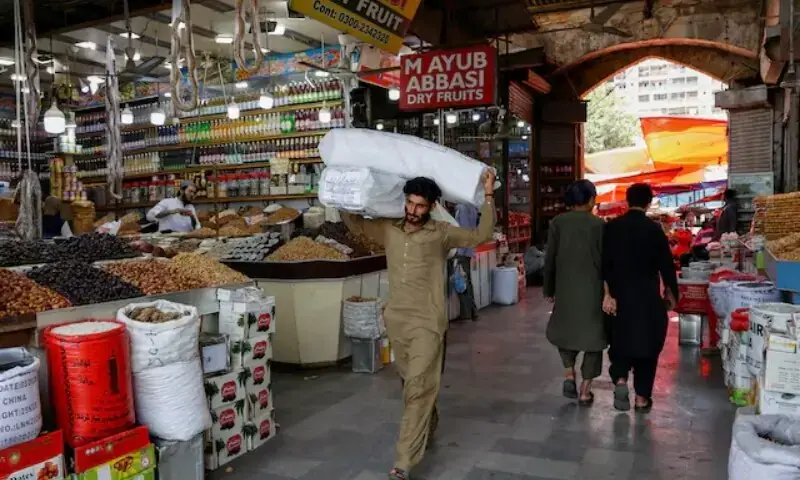
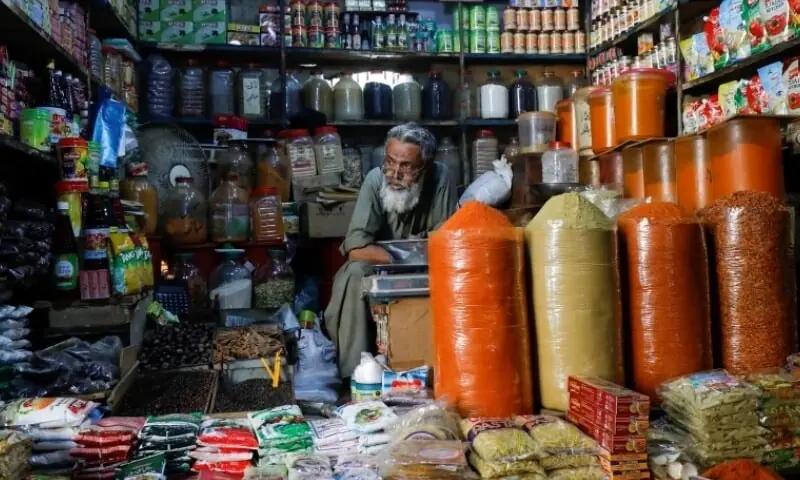
Under the banner of stabilisation, the economy has slowed sharply, industrial activity has weakened, purchasing power has collapsed and businesses have either downsized or shut operations. Job creation has stalled while poverty and economic insecurity have risen in the last three years of stabilisation. Foreign investors continue to exit the market, discouraged by policy unpredictability, weak demand and declining profitability. Domestic capital increasingly seeks safer destinations abroad.