Get the latest news and updates from Dawn
For decades, the world assessed Pakistan through a narrow lens: a frontline state in the war on terror, a nuclear power locked in rivalry with India, a country defined by its instability rather than its influence. That lens was always too small, and the past year has proven it.
The US-Iran war and its aftermath have done what years of diplomatic messaging could not: they have forced Washington, Riyadh, and Abu Dhabi to recognise what Pakistan has quietly known for a long time: Pakistan is not a peripheral actor in Middle Eastern politics; it is fast becoming one of the region’s most indispensable players.
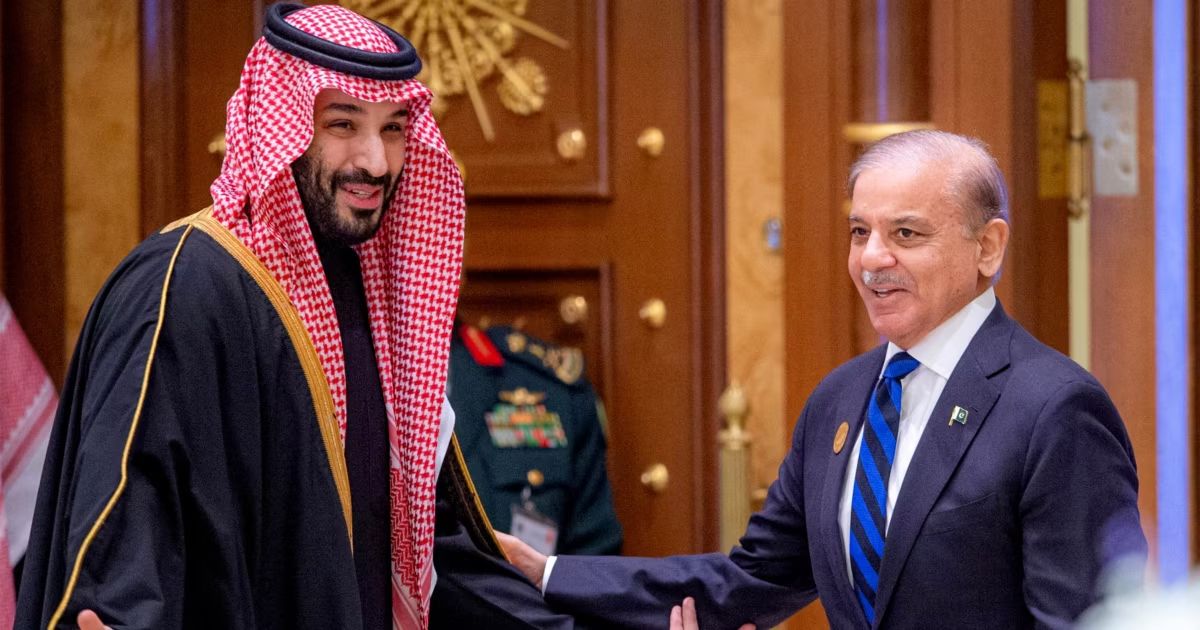
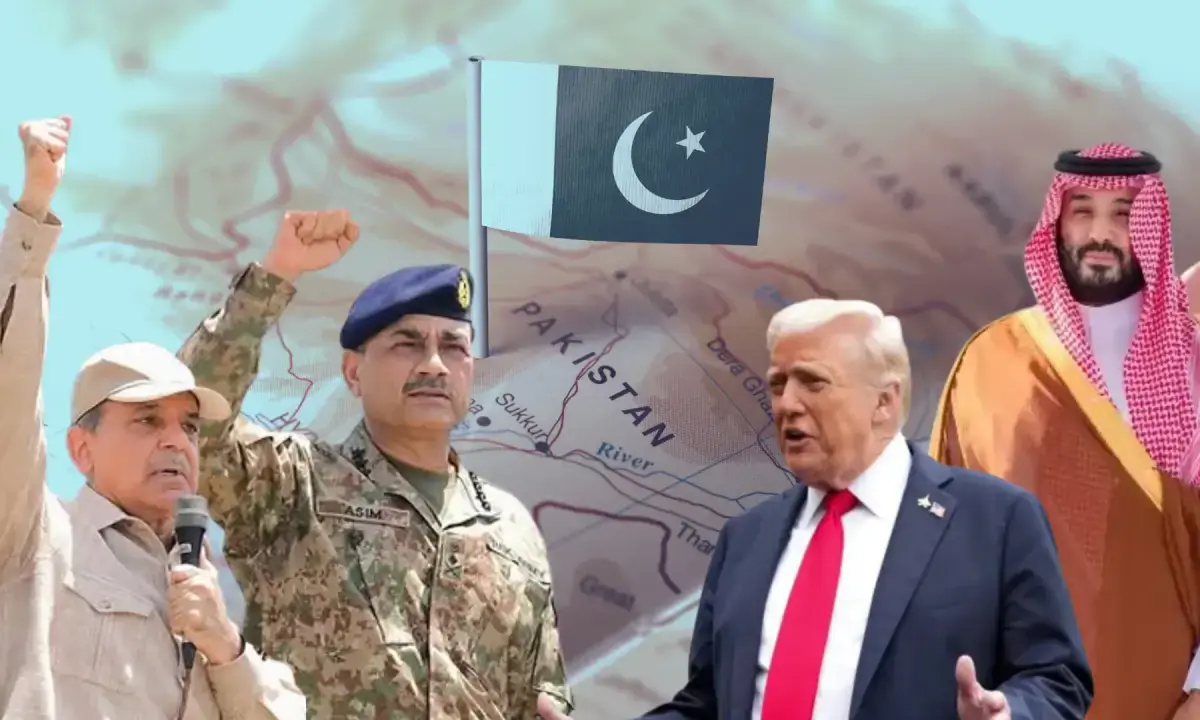
The proof came in September 2025, when Saudi Crown Prince Mohammed bin Salman and Prime Minister Shehbaz Sharif signed a Strategic Mutual Defence Agreement in Riyadh, a pact that formalised what had long been an informal reality: Pakistan is Saudi Arabia’s most credible security partner outside the American umbrella.
That agreement came just a week after Israeli strikes on Hamas officials inside Qatar, which exposed the limits of relying exclusively on Washington. When the Iran war escalated and missiles struck Saudi energy infrastructure, US bases in Bahrain, and Qatari gas facilities, Gulf capitals did not simply hope Pakistan would help. They turned to Islamabad because Pakistan had already proven, over decades of training Gulf militaries and building deep intelligence ties, that it was the one partner capable of delivering real deterrence rather than rhetorical solidarity.