https://arab.news/94u38
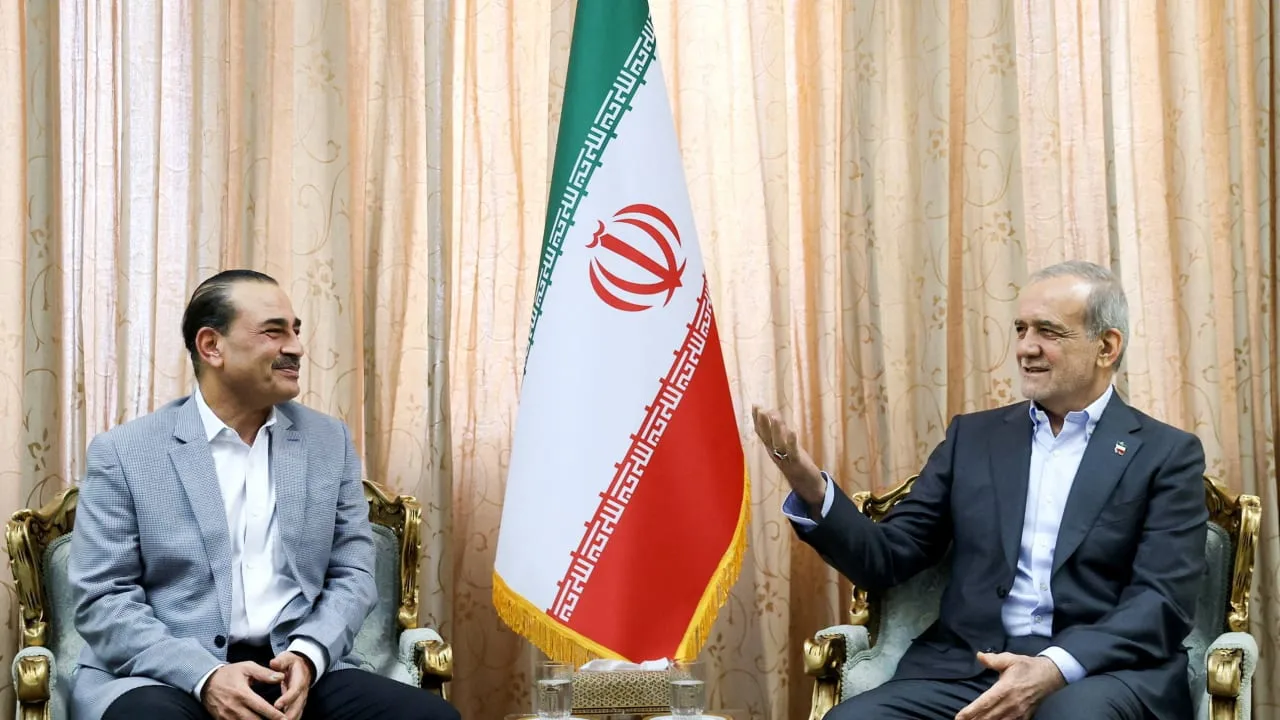
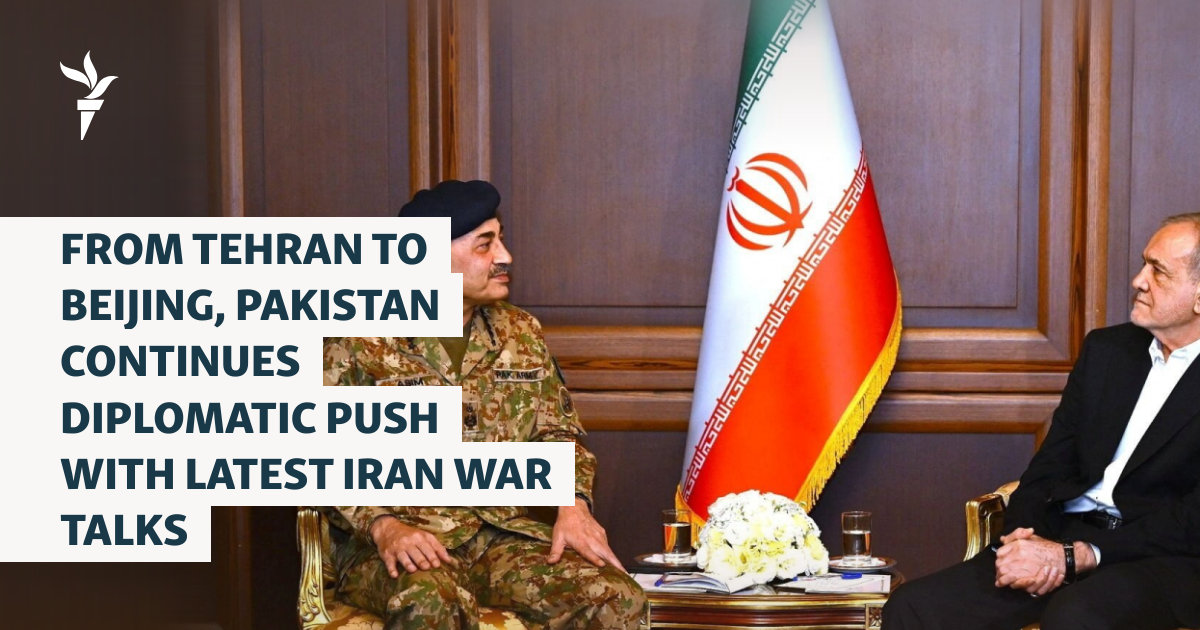
Amid the intensifying US-Israeli conflict with Iran and the ongoing strikes between the two sides, alongside the broader volatility in the Gulf, Pakistan has emerged as a key diplomatic player. Islamabad has proven highly engaged, playing a critical role by relaying a 15-point US peace plan to Tehran and repeatedly offering to host direct negotiations. These efforts are being hailed as the most coordinated regional initiative aimed at bringing Washington and Tehran to the negotiating table to date. This diplomatic maneuver is the crystallization of a posture Pakistan has been building across the entire Middle East and North Africa region: that of an indispensable middle power.
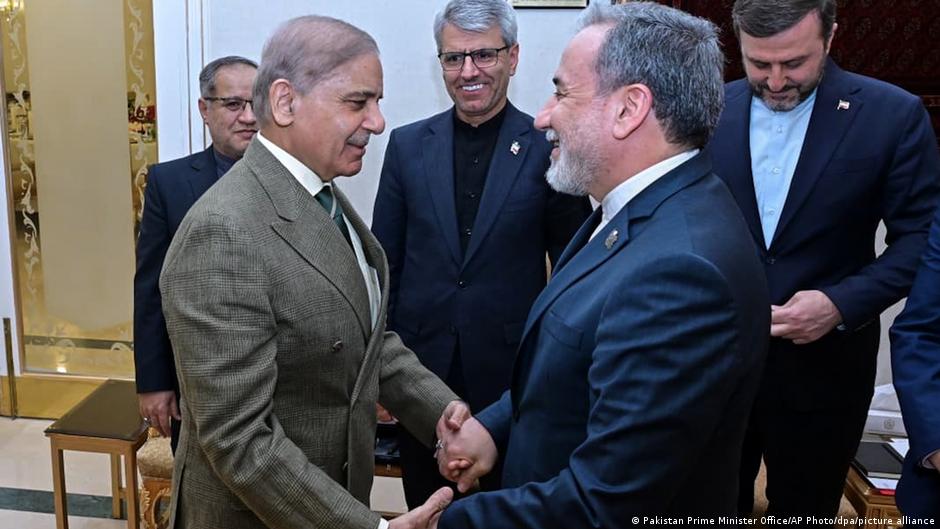
That posture belongs, in significant part, to Prime Minister Shehbaz Sharif. Since taking office in March 2024, Sharif has pursued an unusually activist foreign policy for a country that has long been consumed by its own economic and security crises. He met Donald Trump multiple times last year and Pakistan nominated the US president for the Nobel Peace Prize in both 2025 and 2026.
Last September, Sharif signed the Strategic Mutual Defense Agreement with Saudi Arabia, a strategic pact that has placed Pakistan firmly within the Gulf’s security architecture. The same month, he launched the second phase of the China-Pakistan Economic Corridor in Beijing, signing 21 memorandums of understanding worth $8.5 billion covering agriculture, electric vehicles, solar energy and steel. He also revived a signature infrastructure commitment, including the ML-1 railway and the Gwadar Port expansion. The diplomatic calendar alone signals a leader who understands that Pakistan’s leverage lies in making itself strategic to multiple great powers simultaneously.