Get the latest news and updates from Dawn
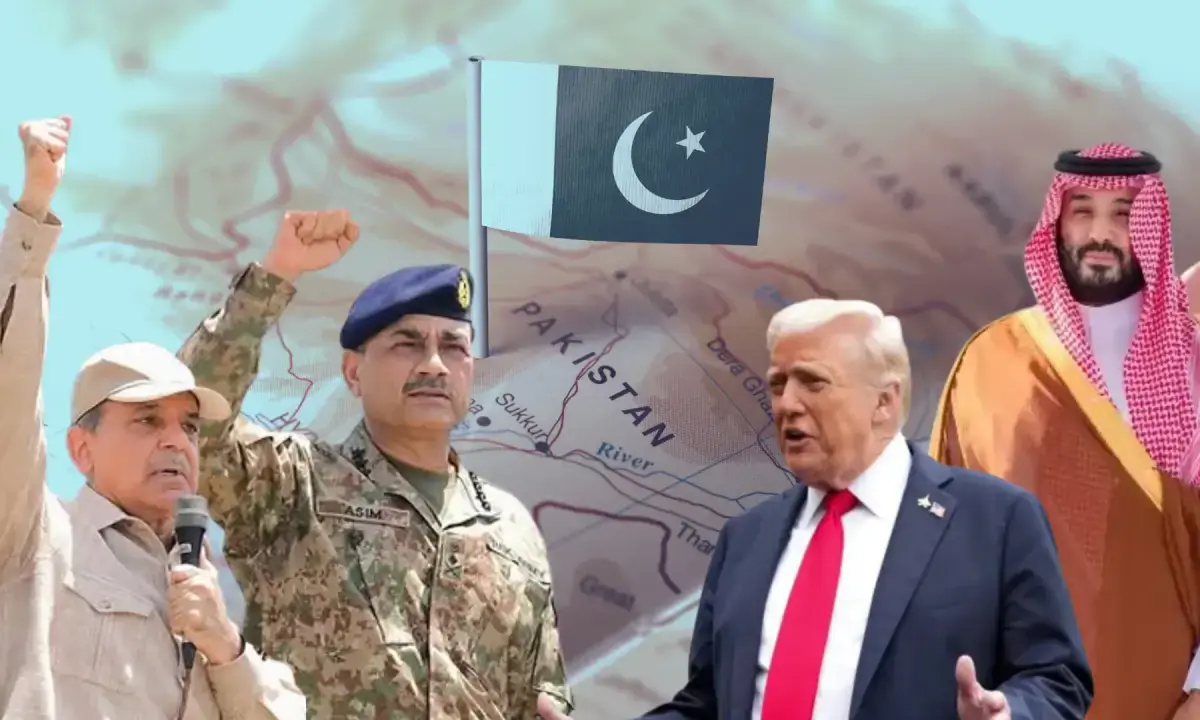
THE period between May 2025 and May 2026 has been unusually consequential for Pakistan. In May 2025, the country surprised observers by demonstrating a high degree of capability and professionalism in an aerial war with a much larger power. More recently, a nation often portrayed as peripheral to global affairs assumed a central diplomatic role by facilitating a ceasefire and enabling direct talks between a superpower and a neighbouring country that had not engaged face to face for nearly five decades. Pakistan’s ability to balance its relationships — building trust with the US while sustaining deep ties with China, entering into a defence pact with Saudi Arabia while maintaining constructive engagement with Iran — has drawn global recognition. Governments, media and policy analysts have begun to describe it as an emerging middle power in a rapidly evolving multipolar world.
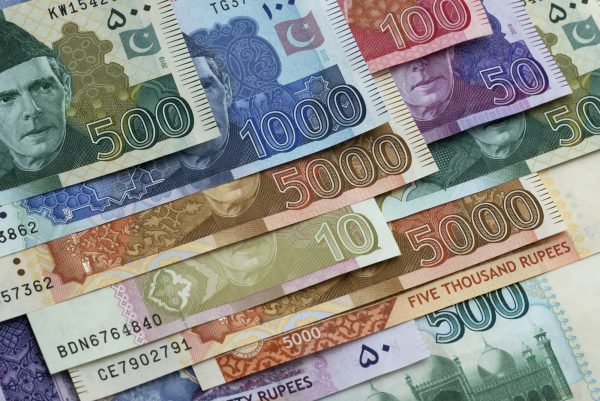
A country’s strength rests on three pillars: military capability, diplomatic reach and economic and technological capacity. Pakistan has shown competence in the first two. The third pillar is the critical missing link where Pakistan must focus its efforts. Its moment of achievement should be a catalyst for the transformation of the stop-go pattern of policymaking of the past three decades. A decisive shift requires support across political parties, the private sector and civil society.