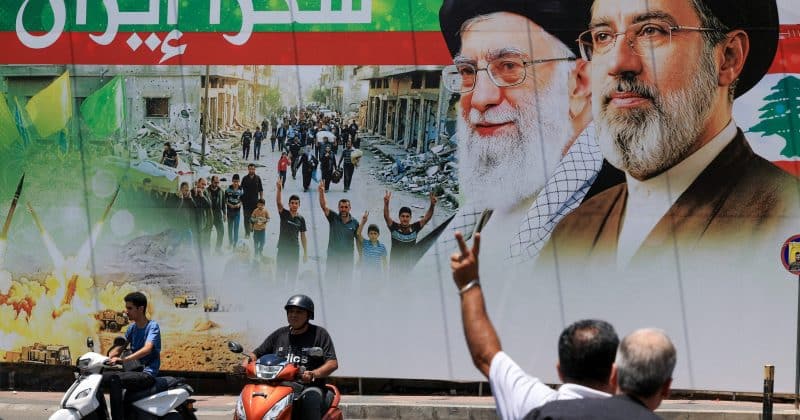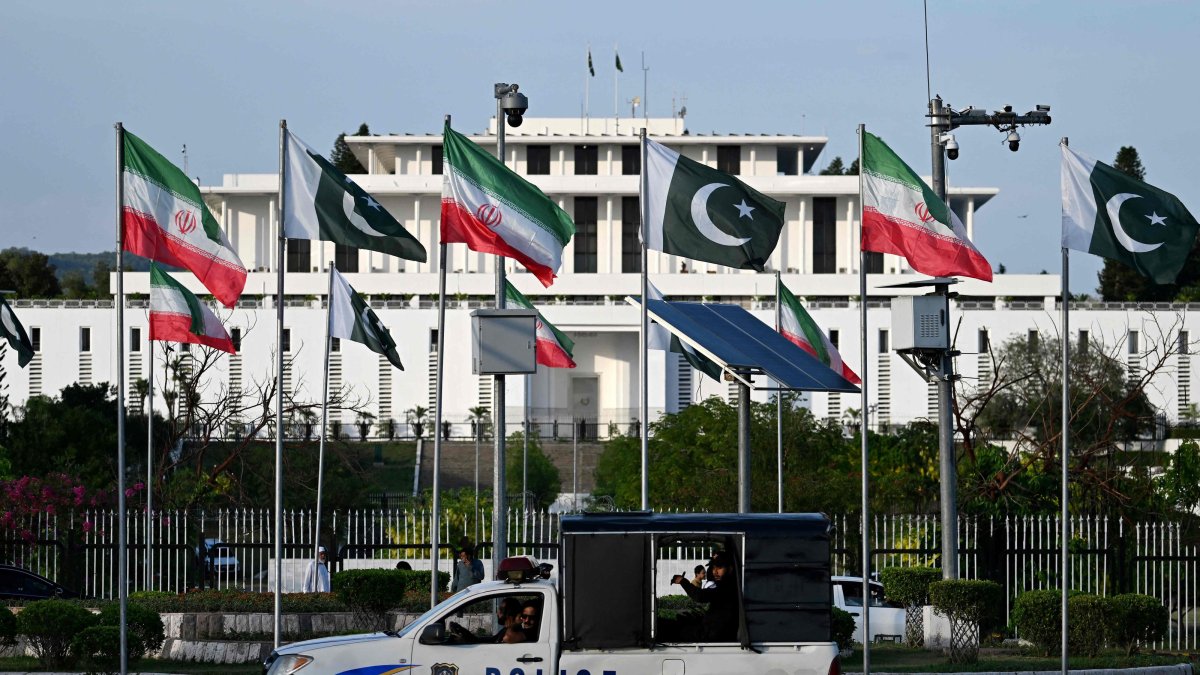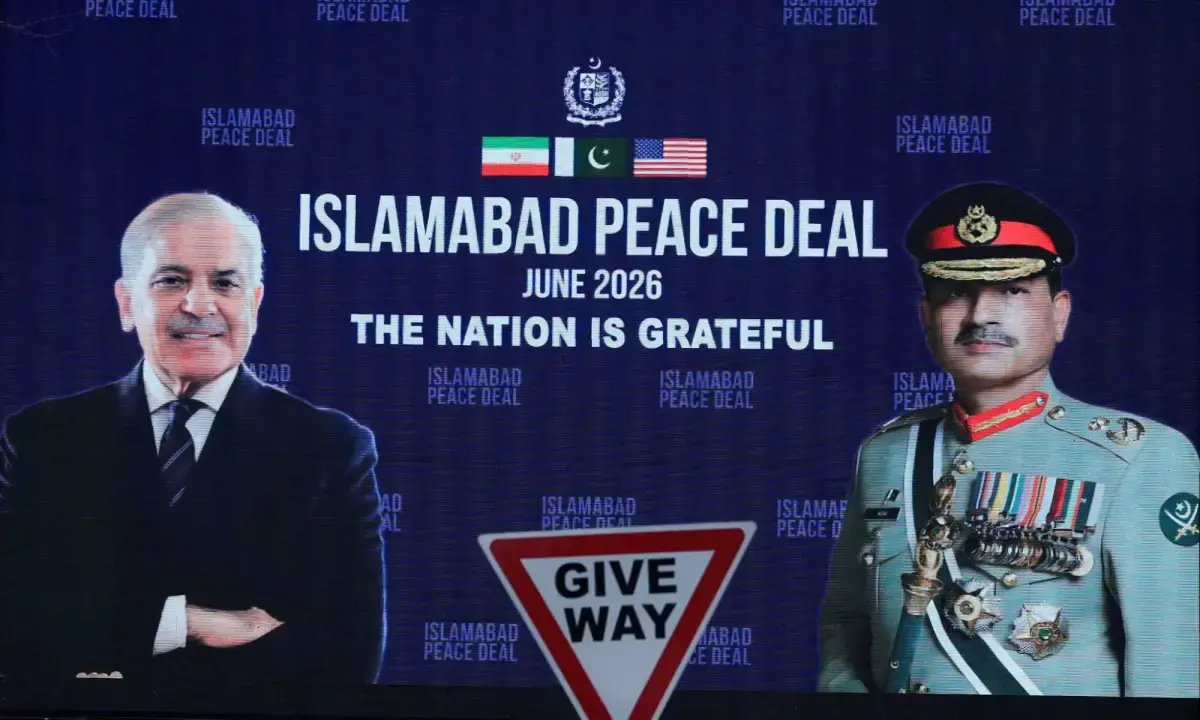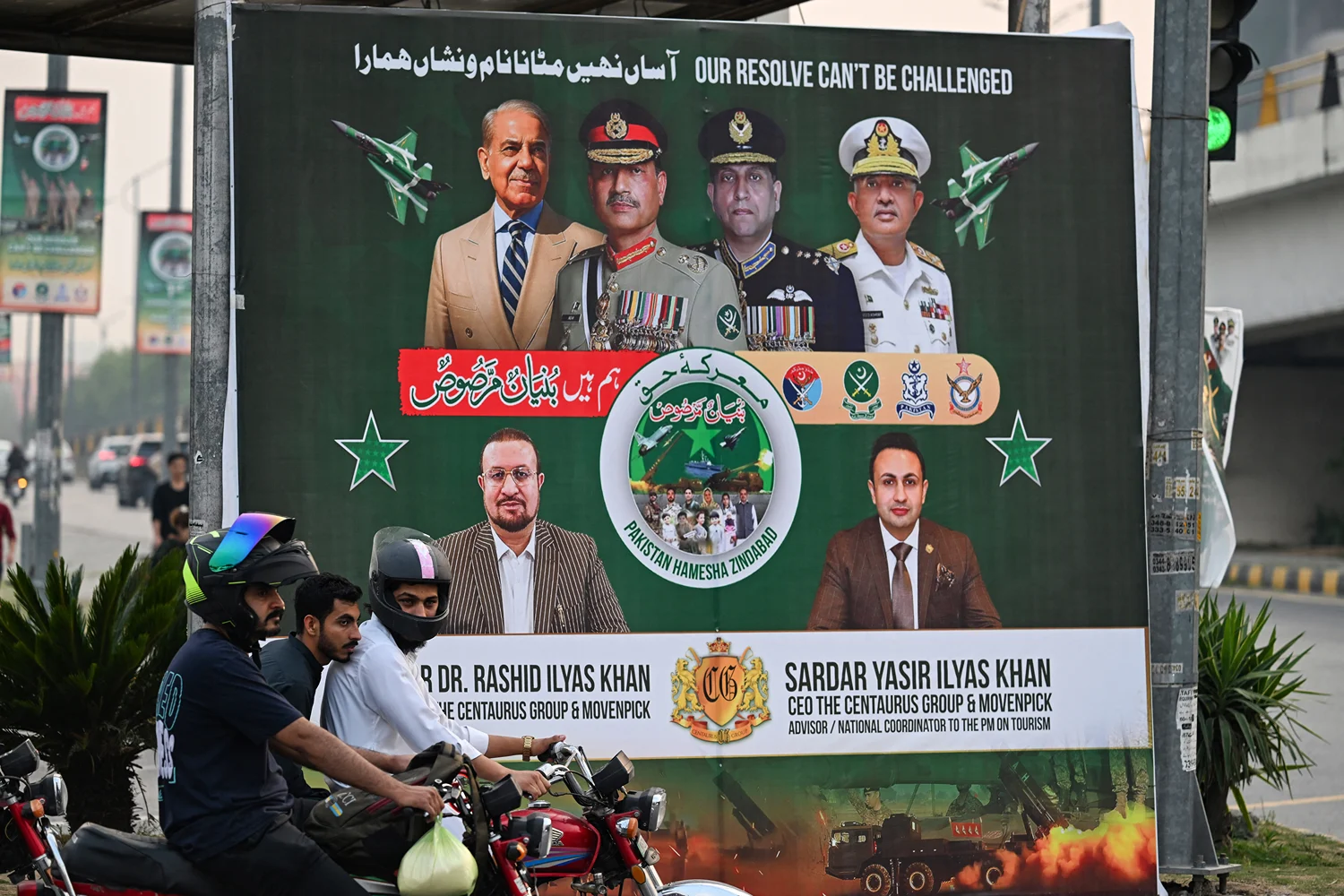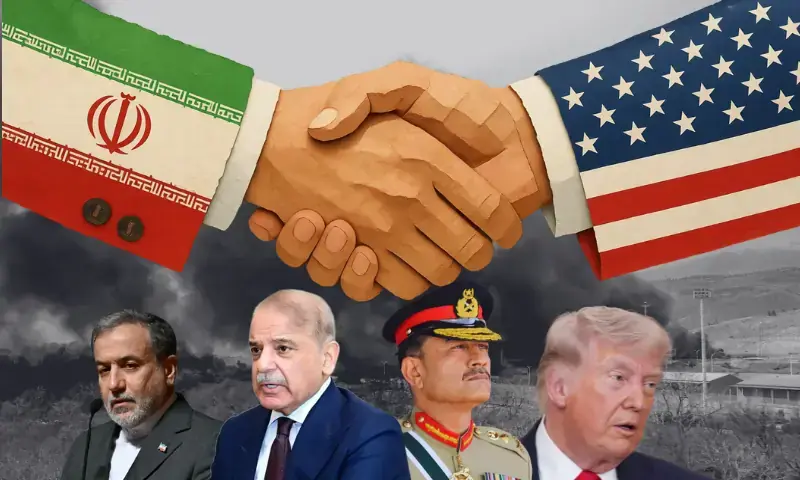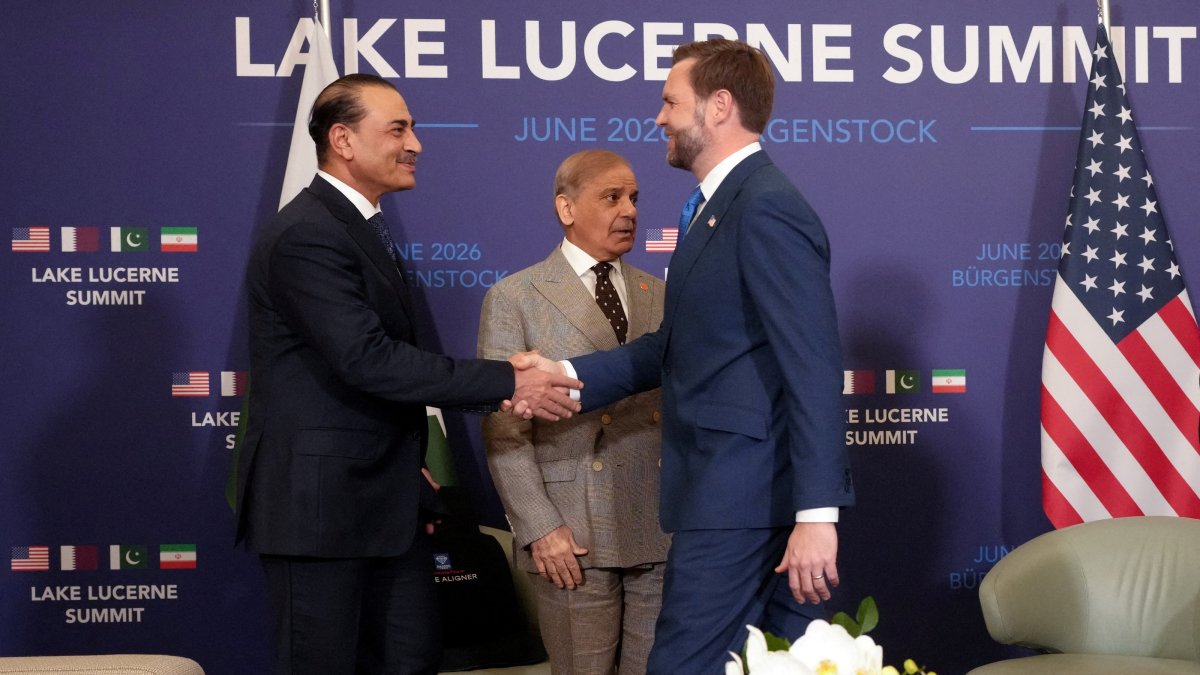
For a brief, surreal moment this June, the world’s geopolitical axis pivoted to Islamabad, a capital usually associated with IMF bailouts, rolling blackouts, and chronic internal instability. The signing of the Islamabad Memorandum of Understanding (MOU) on June 17, establishing a 60-day roadmap to provide a framework for ending the catastrophic Iran-U.S. war and reopening the blocked Strait of Hormuz, presents a striking paradox.
Pakistan, though facing serious economic challenges, has successfully mediated a peace framework between the world’s biggest superpower and its most defiant regional adversary.
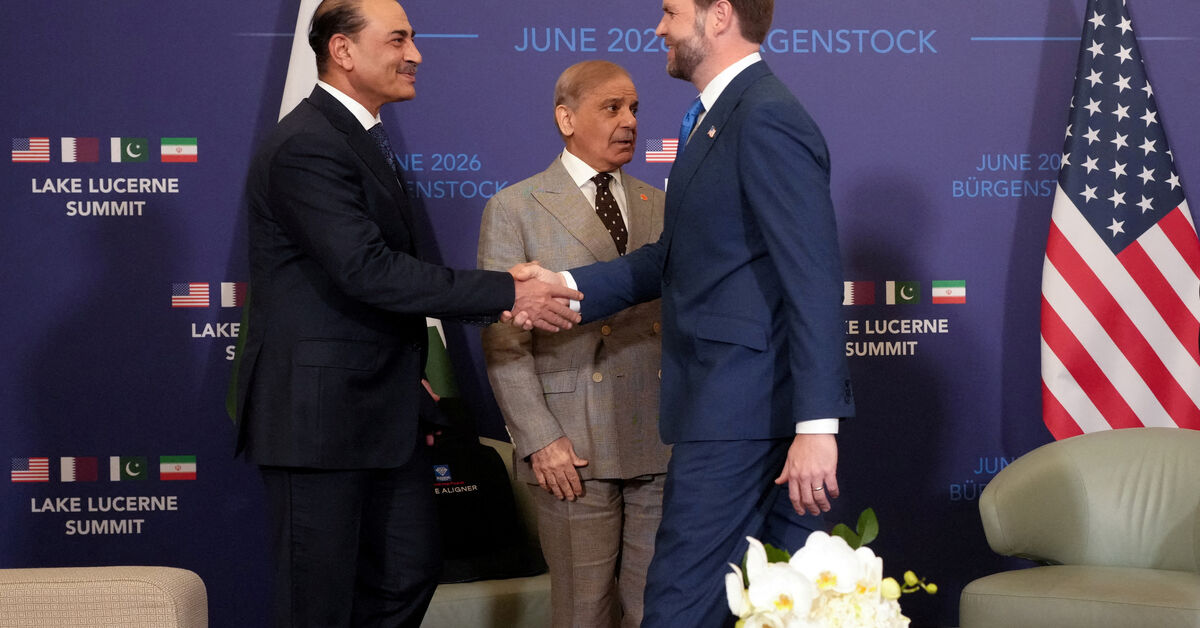
This historic breakthrough was achieved through relentless shuttle diplomacy. Driven by the unlikely double act of Prime Minister Shehbaz Sharif and Chief of Army Staff Field Marshal Asim Munir, Pakistan managed a delicate diplomatic balancing act. It successfully brought U.S. Vice President J.D. Vance and Iranian Foreign Minister Abbas Araghchi to the negotiating table; kept suspicious Gulf monarchies, especially Saudi Arabia, with which it has a Strategic Mutual Defense pact, aligned; and assumed a key role as the intermediary everyone is willing to talk to.
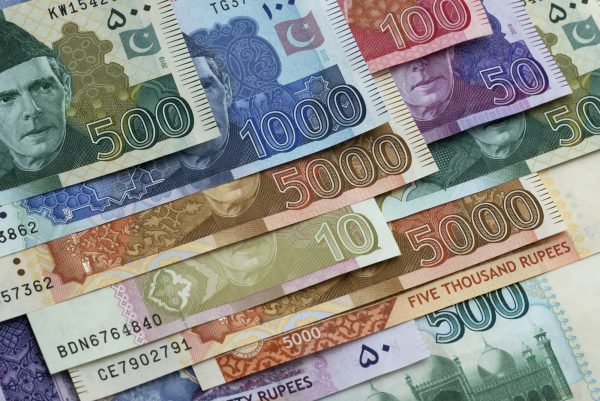
While Pakistan has showed it can bring opposing sides to the table and make itself diplomatically relevant, its economy is weak. That leaves its foreign policy with little room to maneuver. The real test, then, is whether Islamabad can turn this diplomatic momentum into economic gains that will strengthen its position on the international stage over the long run.