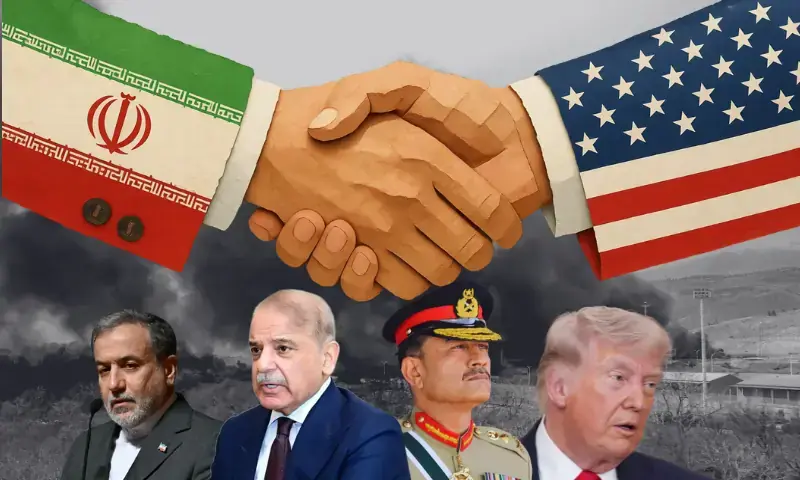
Pakistan's role in facilitating a peace agreement during the U.S.-Iran war has earned it broad diplomatic praise, potentially opening doors to economic advantages. However, analysts doubt whether these benefits will be enough to address the issues within Pakistan's economy.
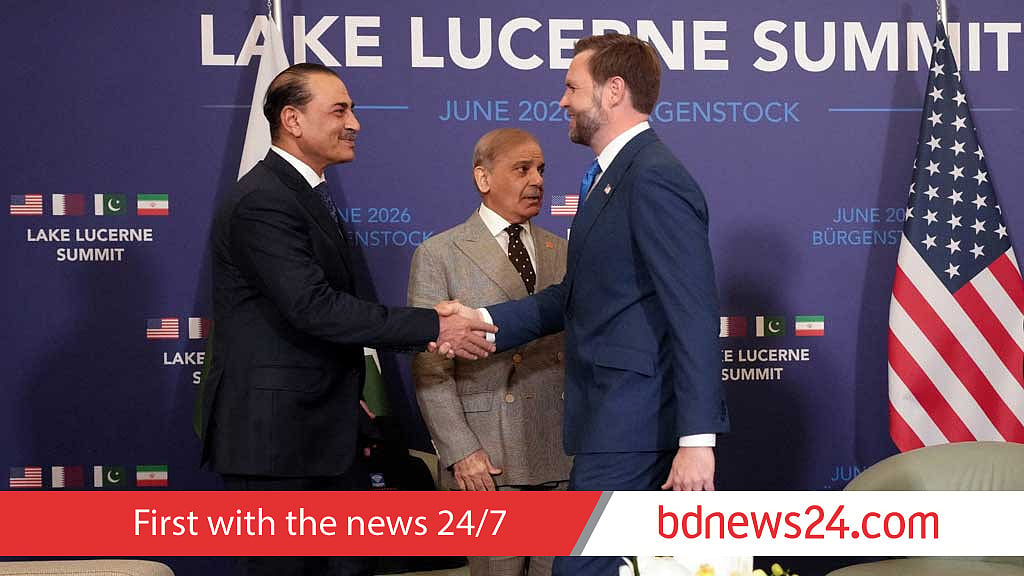
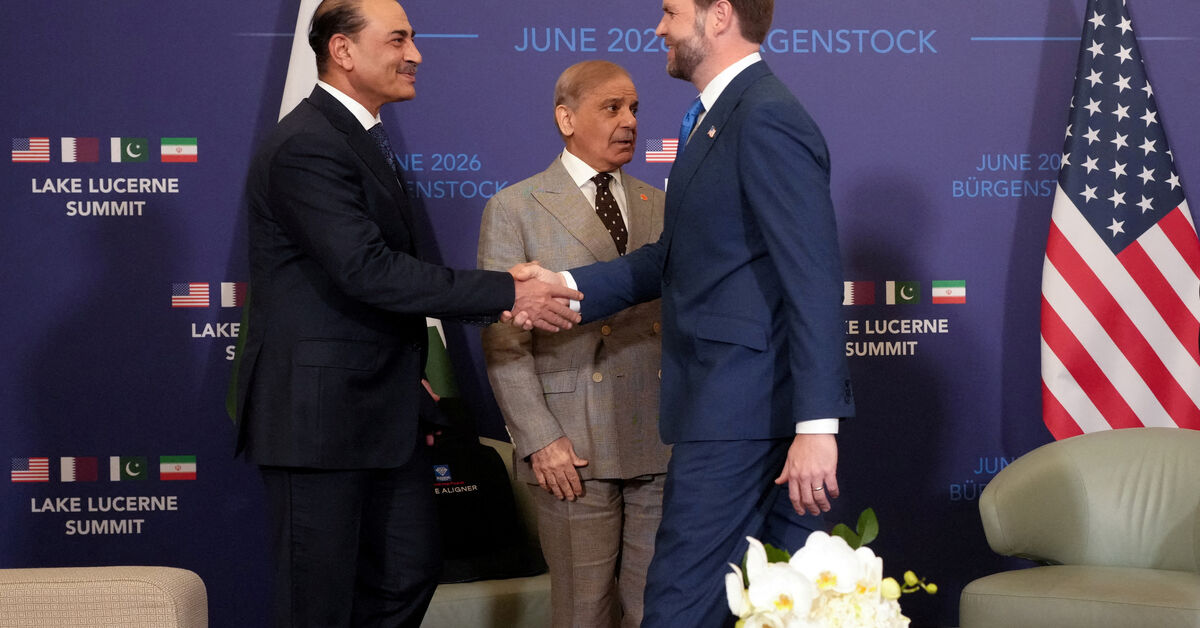
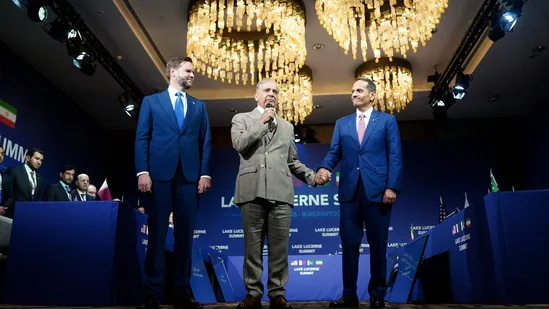
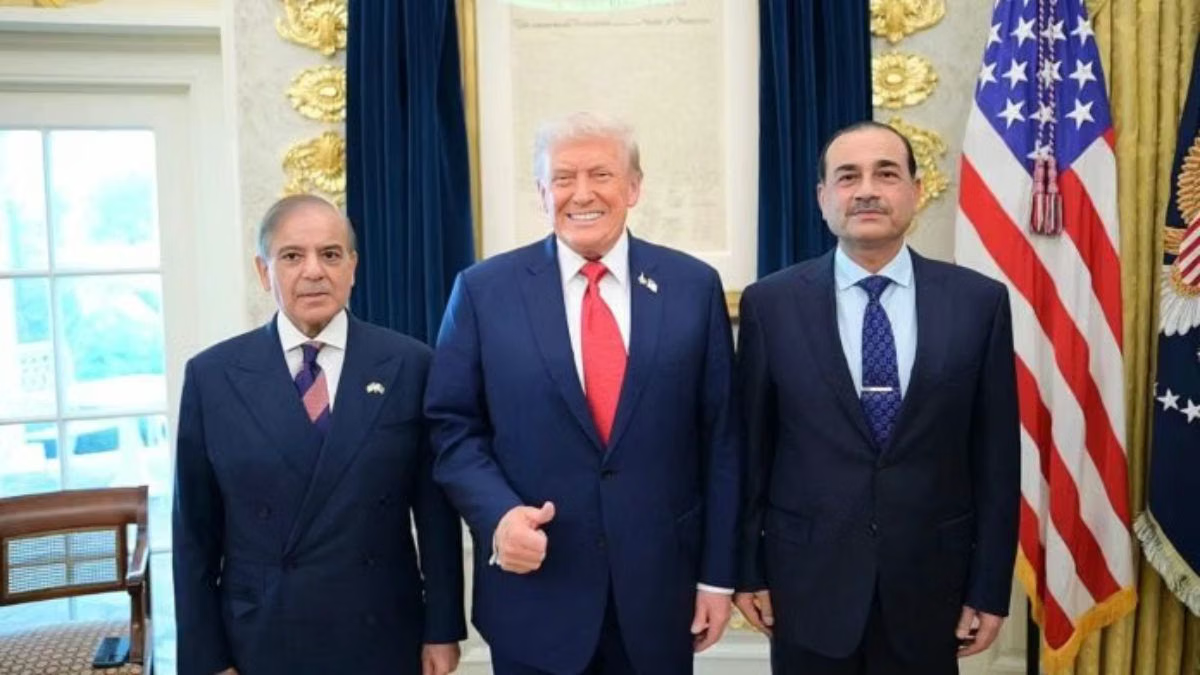
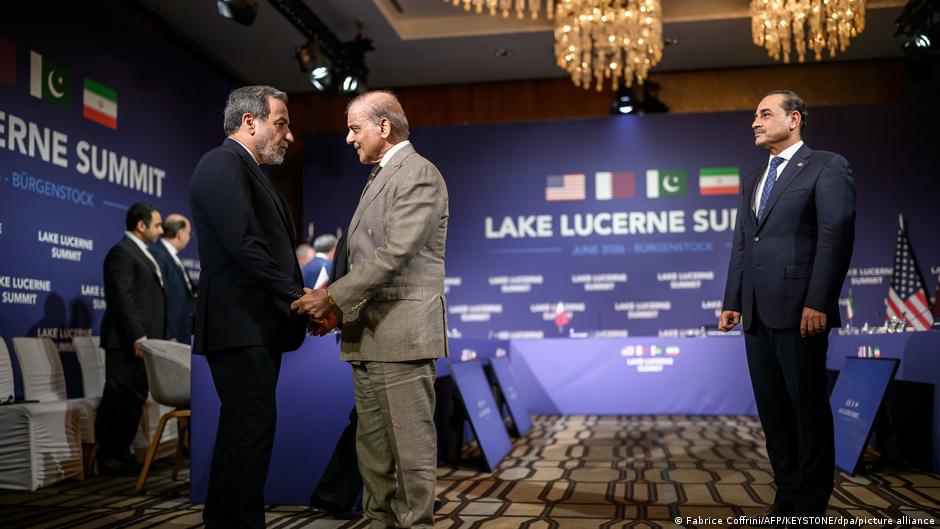
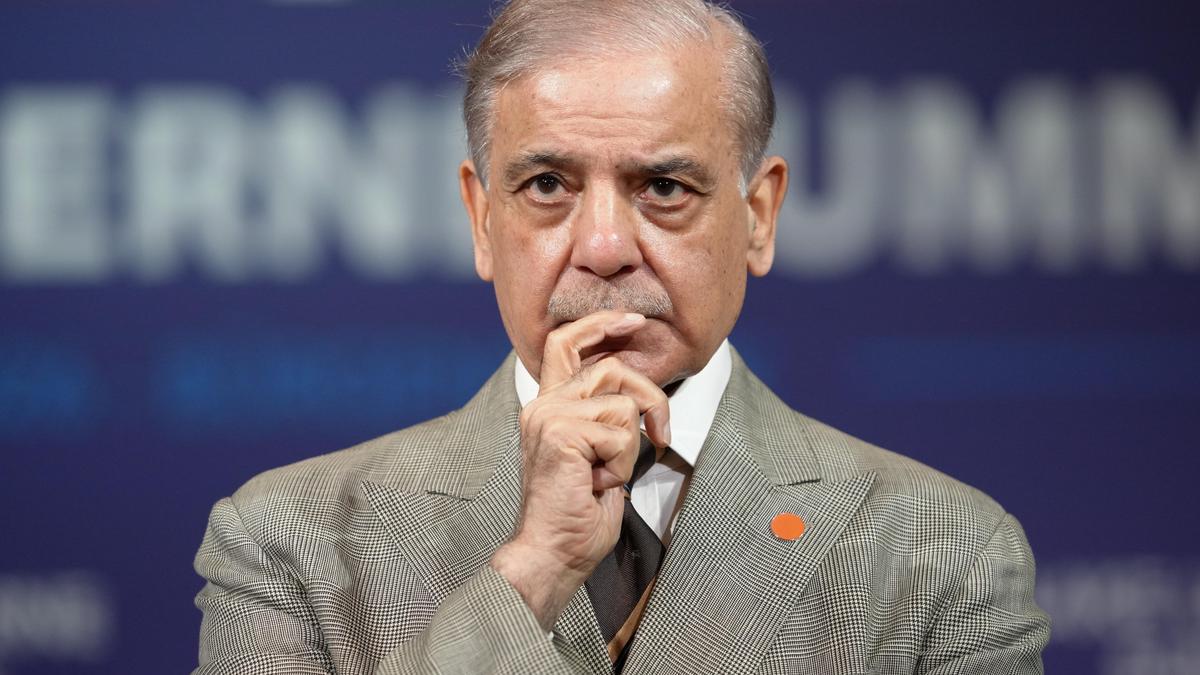
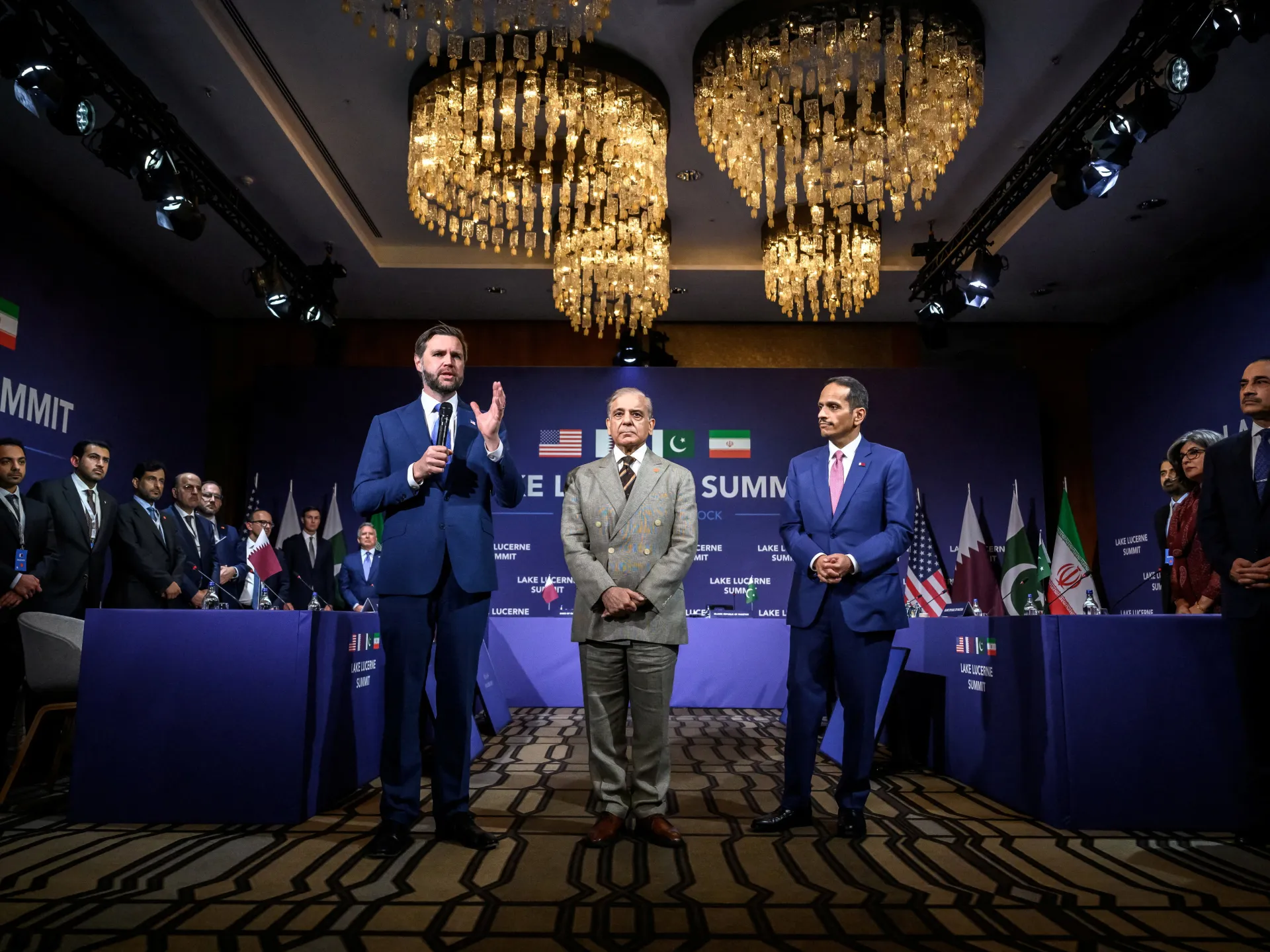
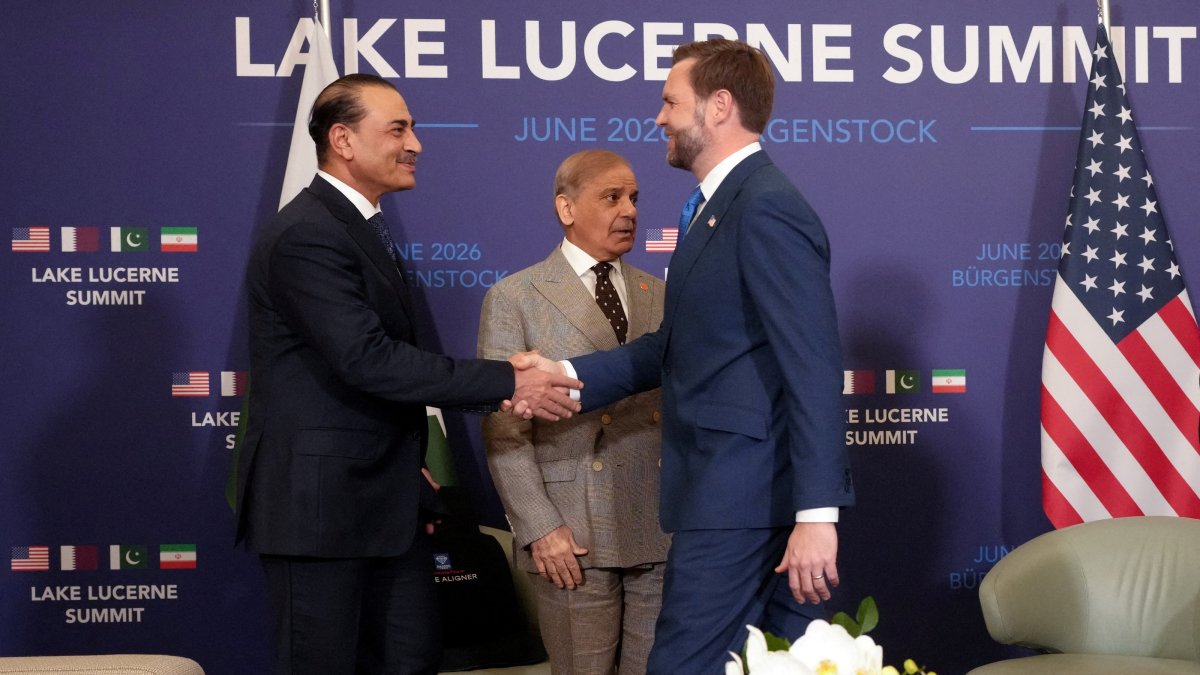
Prime Minister Shehbaz Sharif and army chief Field Marshal Asim Munir attended talks between Iran and the U.S. in the Swiss town of Buergenstock last weekend, the culmination of Pakistan's months-long role in one of the world's most consequential diplomatic negotiations.
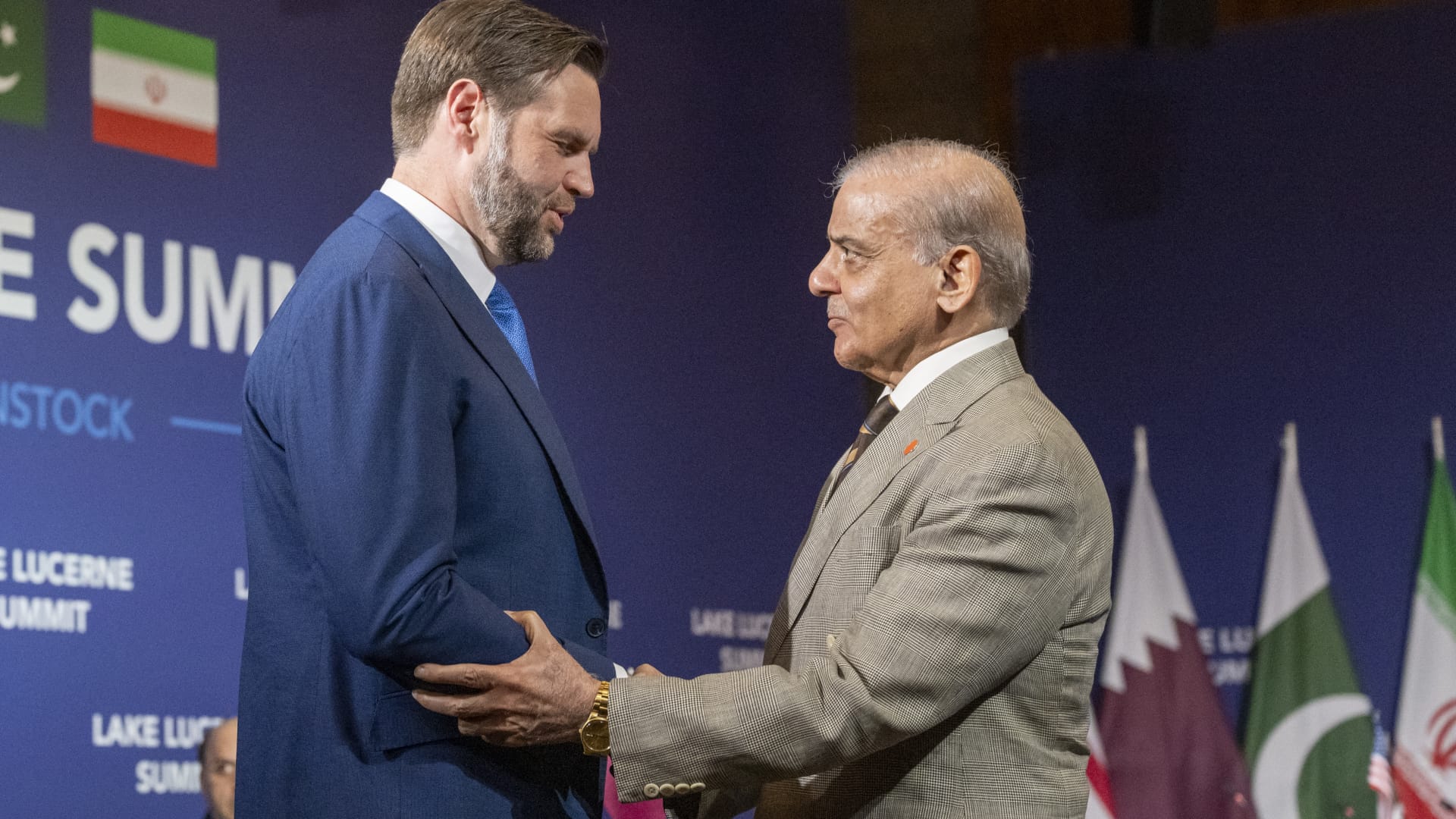
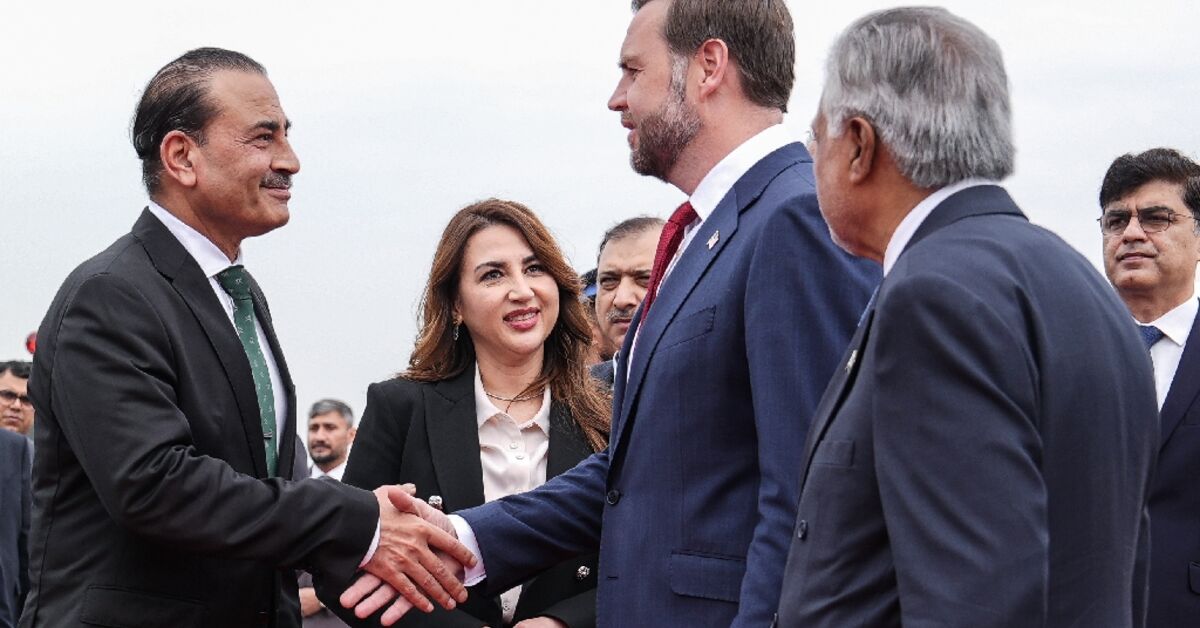
"This guy. What's up, man?" U.S. Vice President JD Vance said upon seeing Munir in the resort town before giving the army chief a hug.
Both sides, along with several world leaders, have thanked Islamabad for helping ease a conflict that could have disrupted the Strait of Hormuz for a long period, choked global oil supplies and shattered the world economy.
The breakthrough has raised Pakistan's profile and analysts say the country of 250 million people has an opportunity to convert that goodwill into some gains for an economy marked by decades of boom and bust.