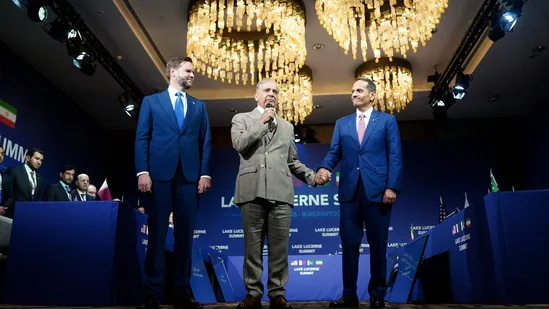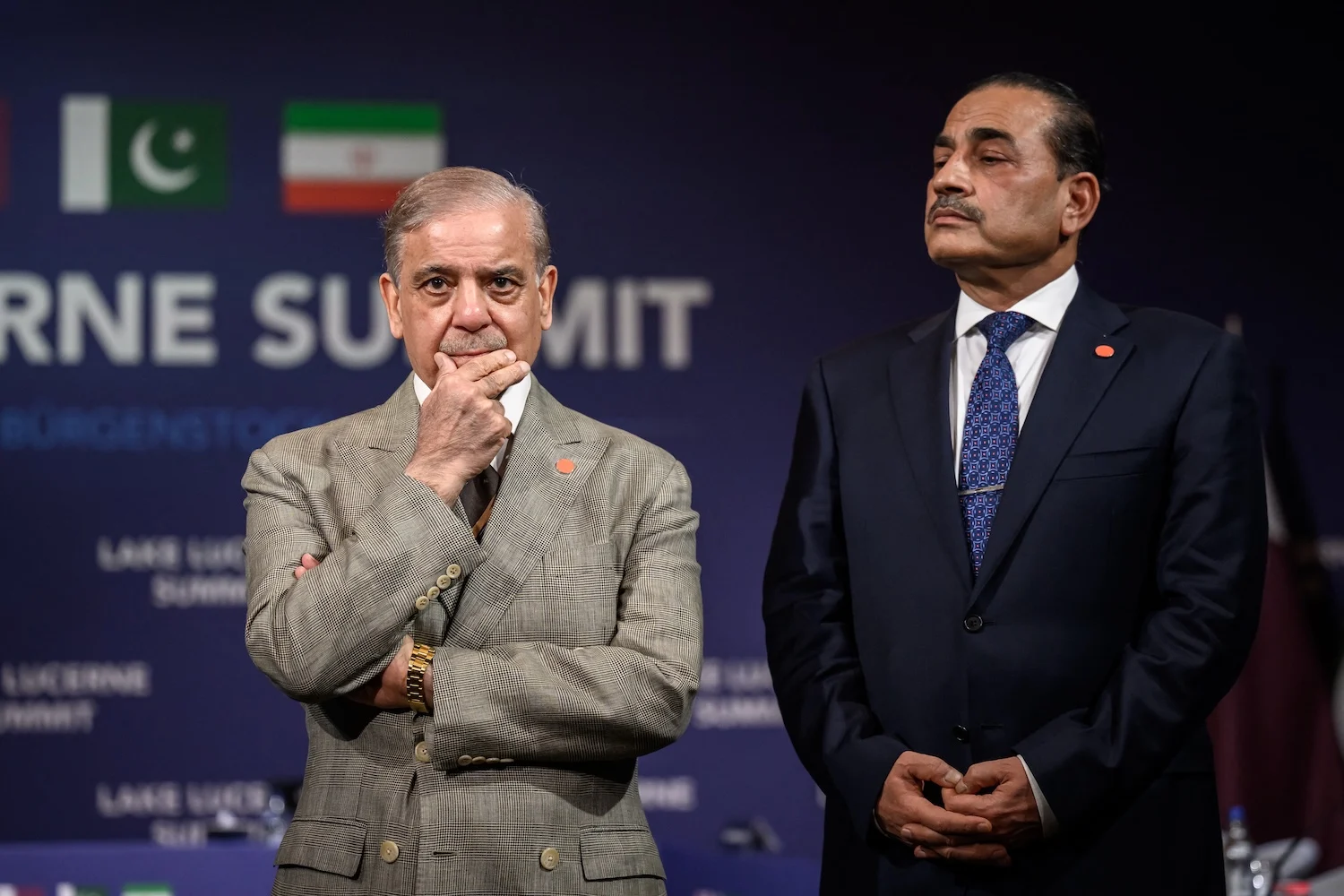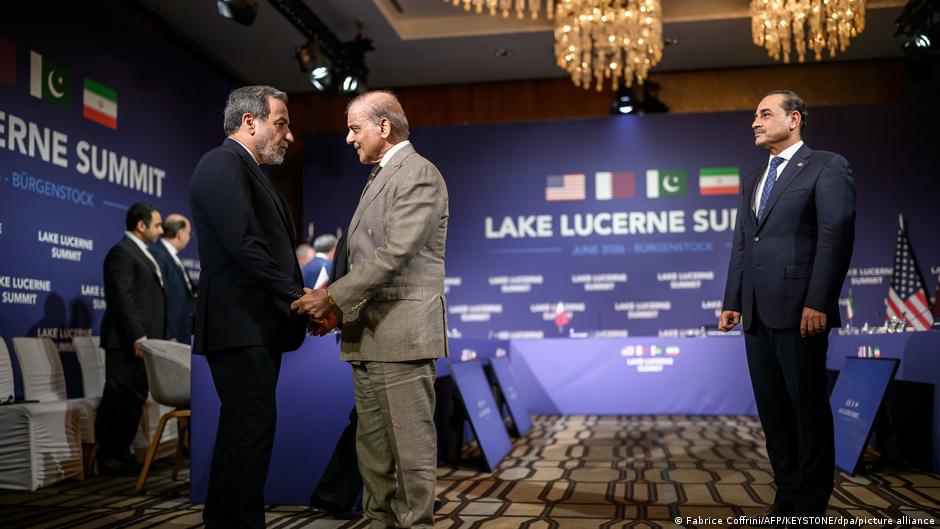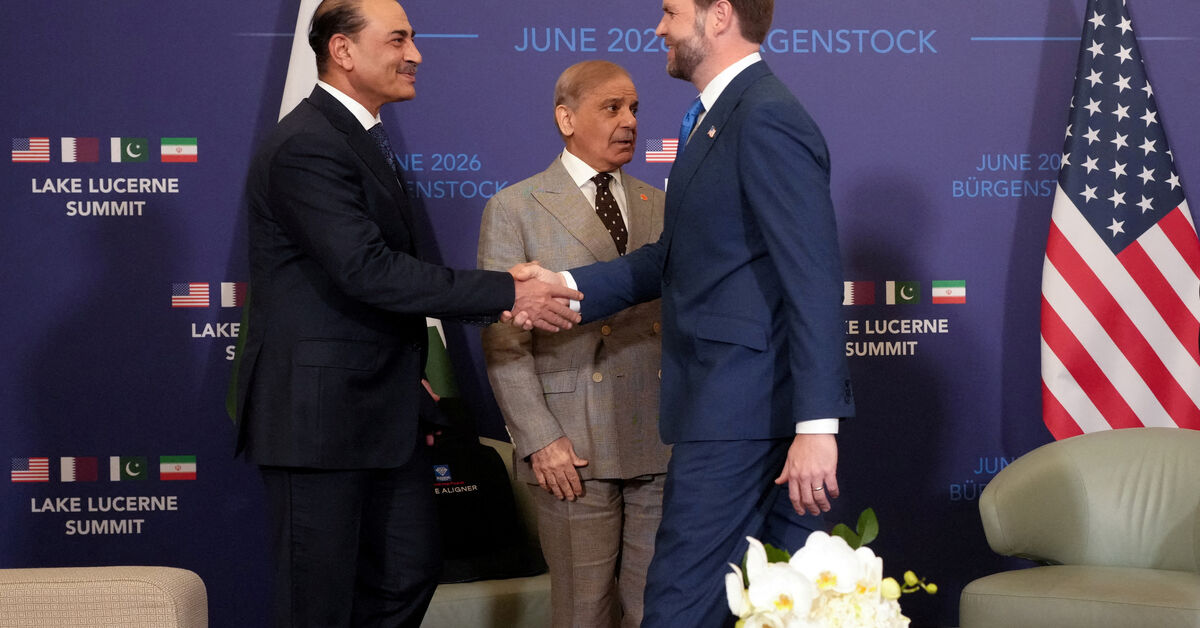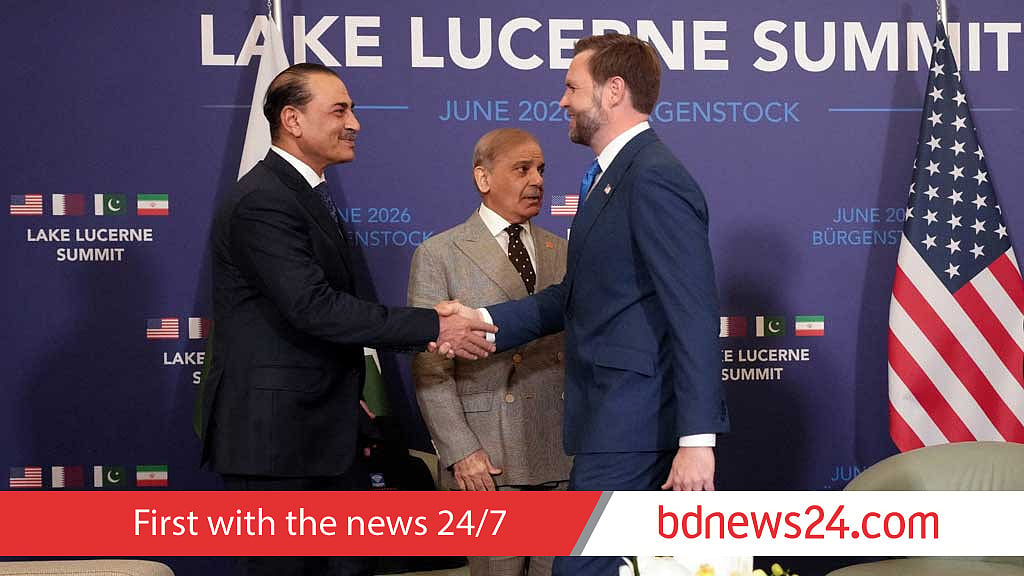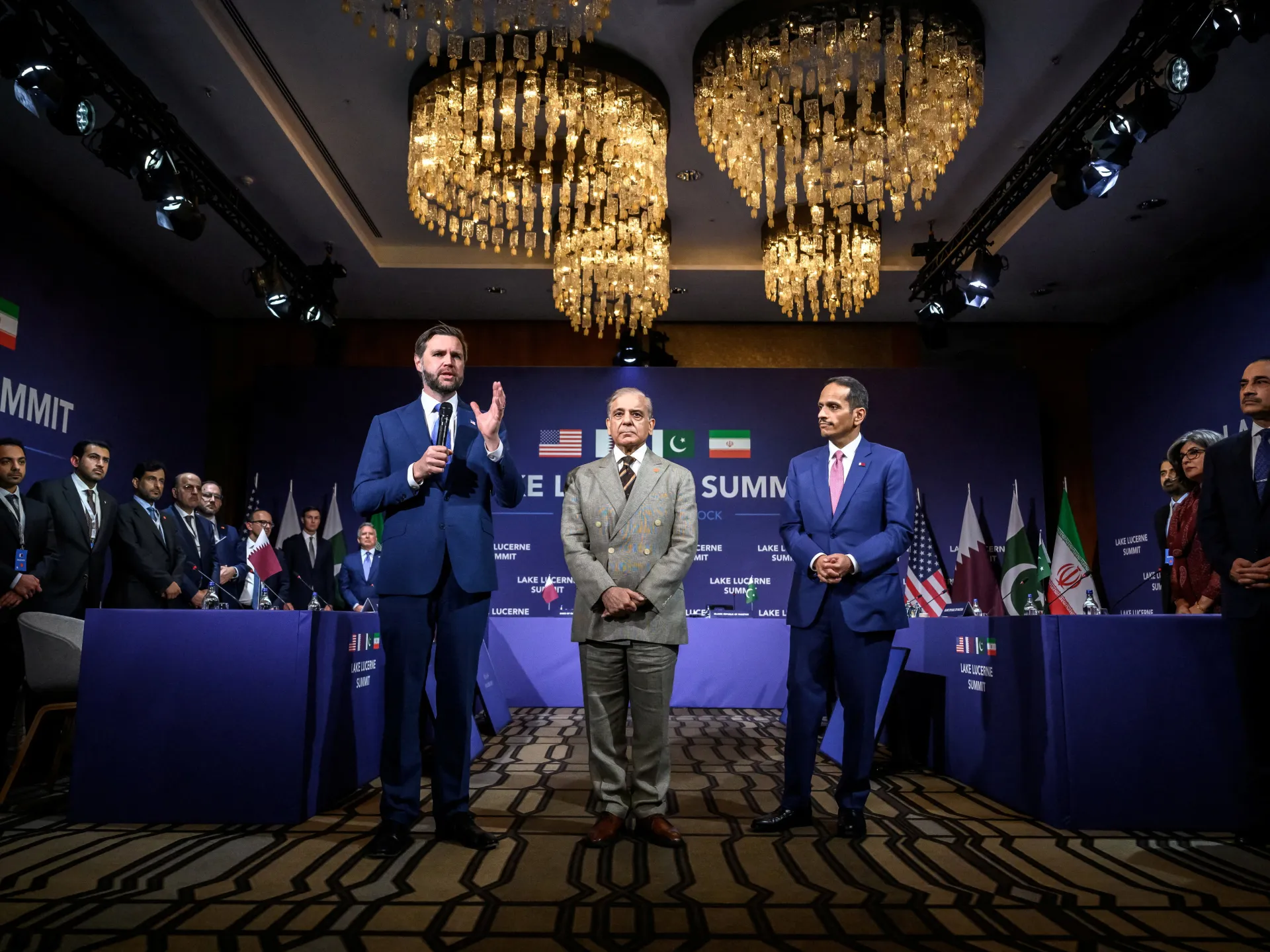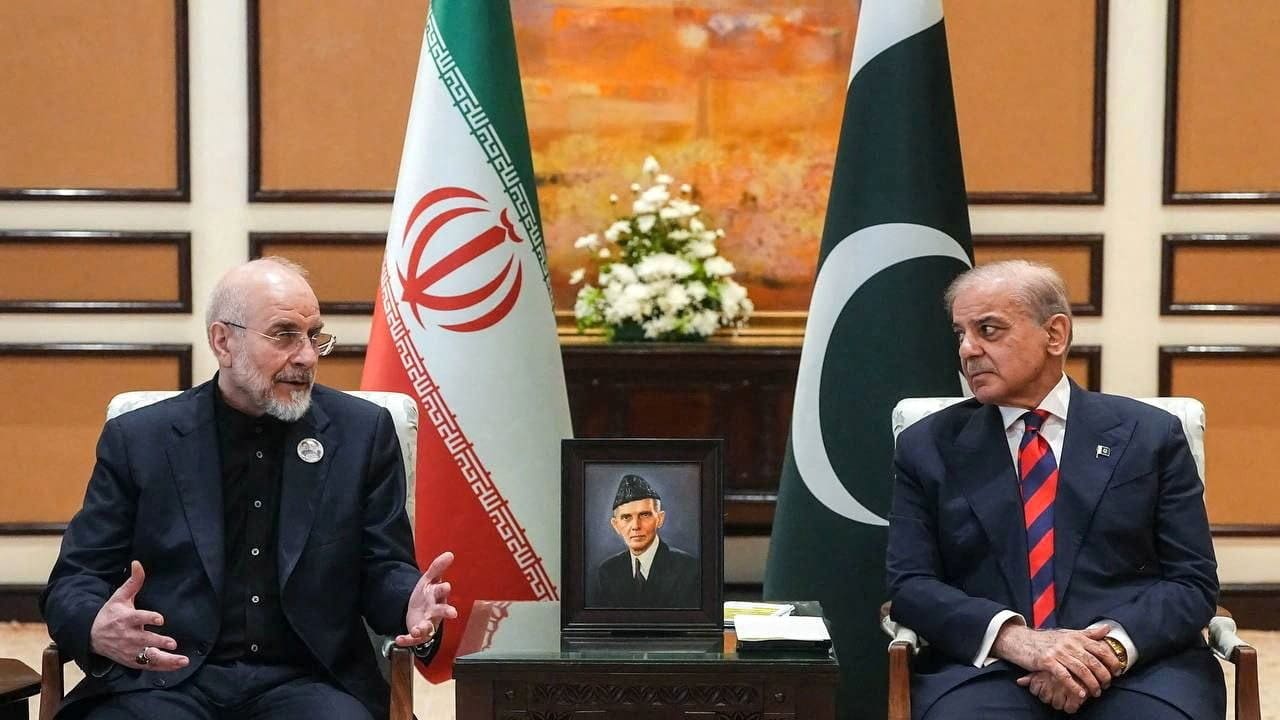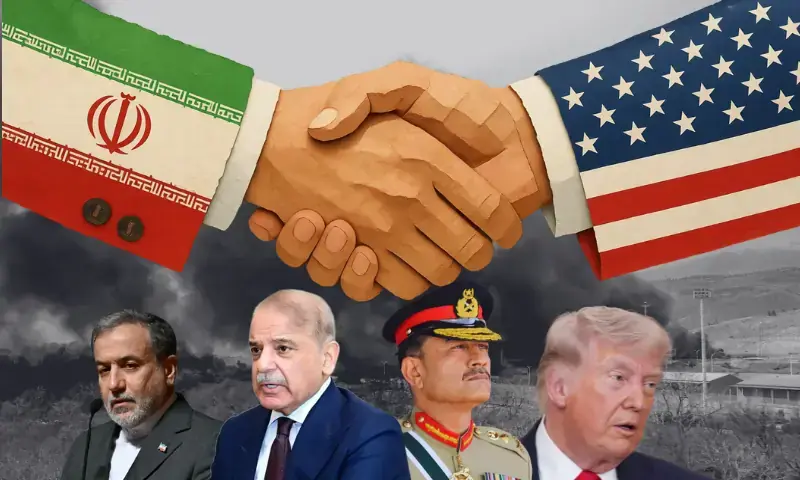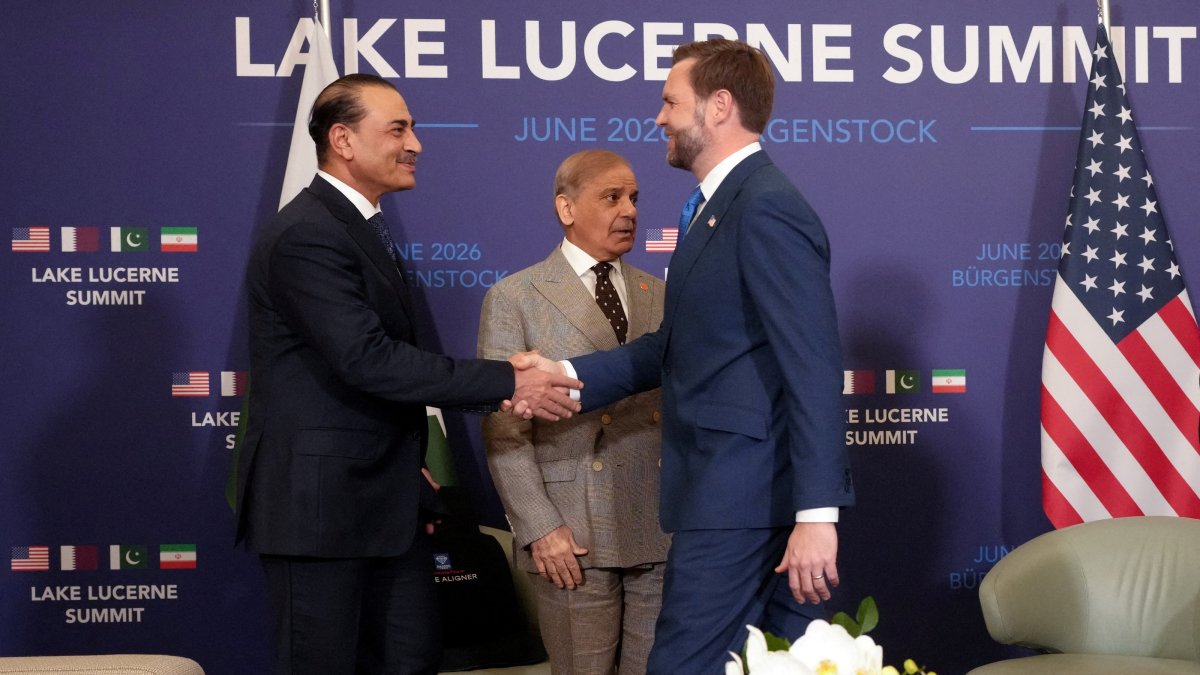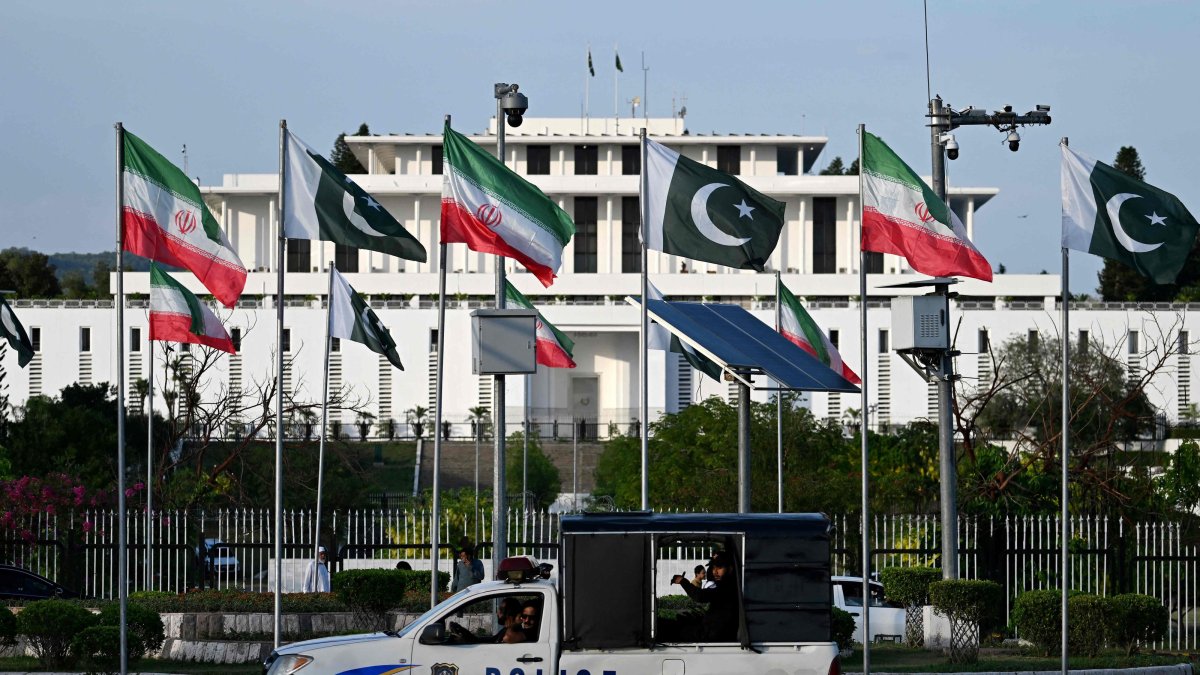
Pakistan’s role in facilitating dialogue between the United States and Iran has put it at the center stage of global diplomacy. While the most immediate objective has been to reduce tensions and prevent a wider regional conflict, the real question is whether Islamabad can leverage this position to gain tangible economic and strategic benefits.
The answer depends on whether Islamabad understands a simple reality. International praise is valuable only when it produces tangible benefits at home.
Pakistan has a direct interest in preventing conflict between the U.S. and Iran. Unlike other major powers, it would pay an immediate price for regional instability. More than 4 million Pakistanis work throughout the Gulf countries, sending home over $35 billion annually in remittances. Those inflows are a lifeline for Pakistan's economy. A wider regional conflict would threaten jobs, disrupt trade and create uncertainty across the Middle East.
The stakes are equally high when it comes to energy. Around one-fifth of the world's oil supply passes through the Strait of Hormuz. Every crisis in the Gulf sends shock waves through energy markets, pushing up prices for countries like Pakistan that depend heavily on imported fuel. Stability in the Gulf is therefore not just a foreign policy objective for Islamabad; it is an economic necessity.