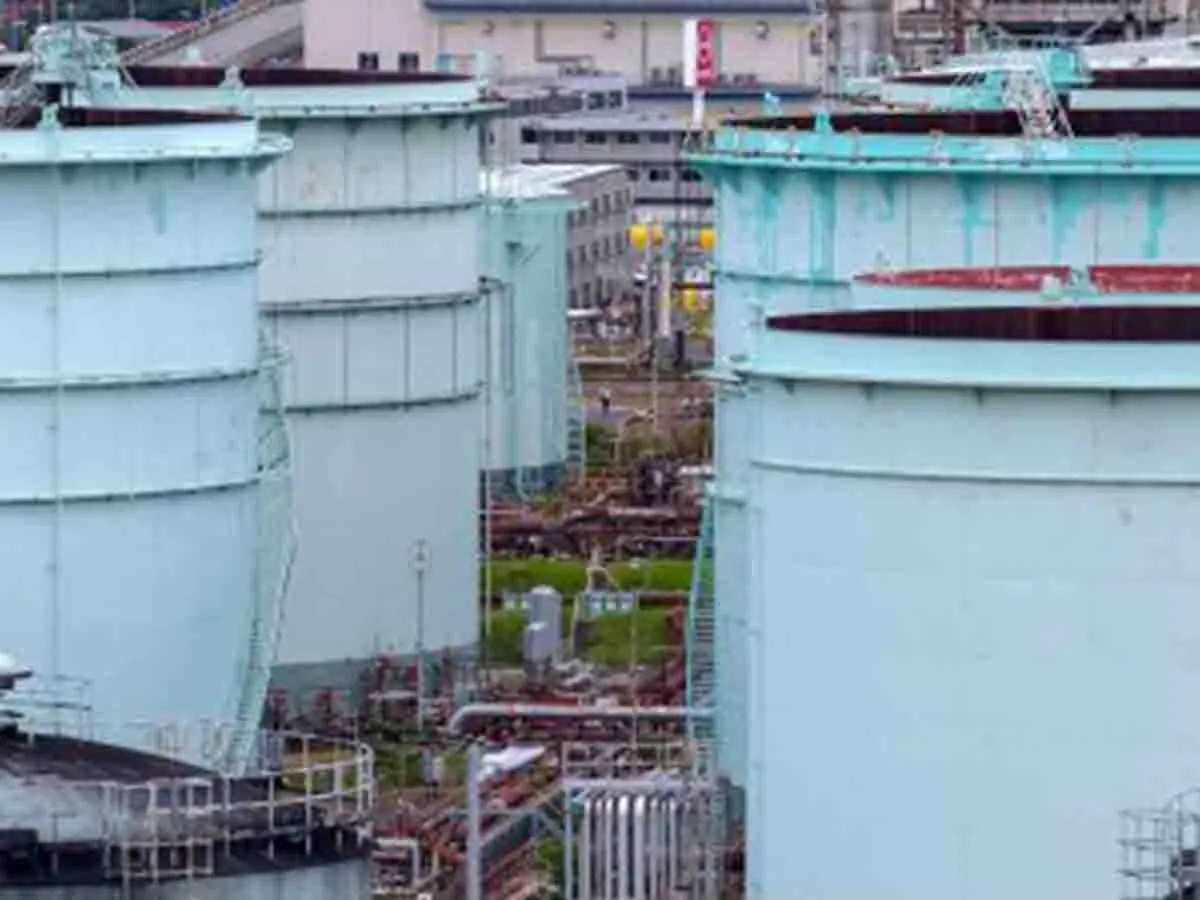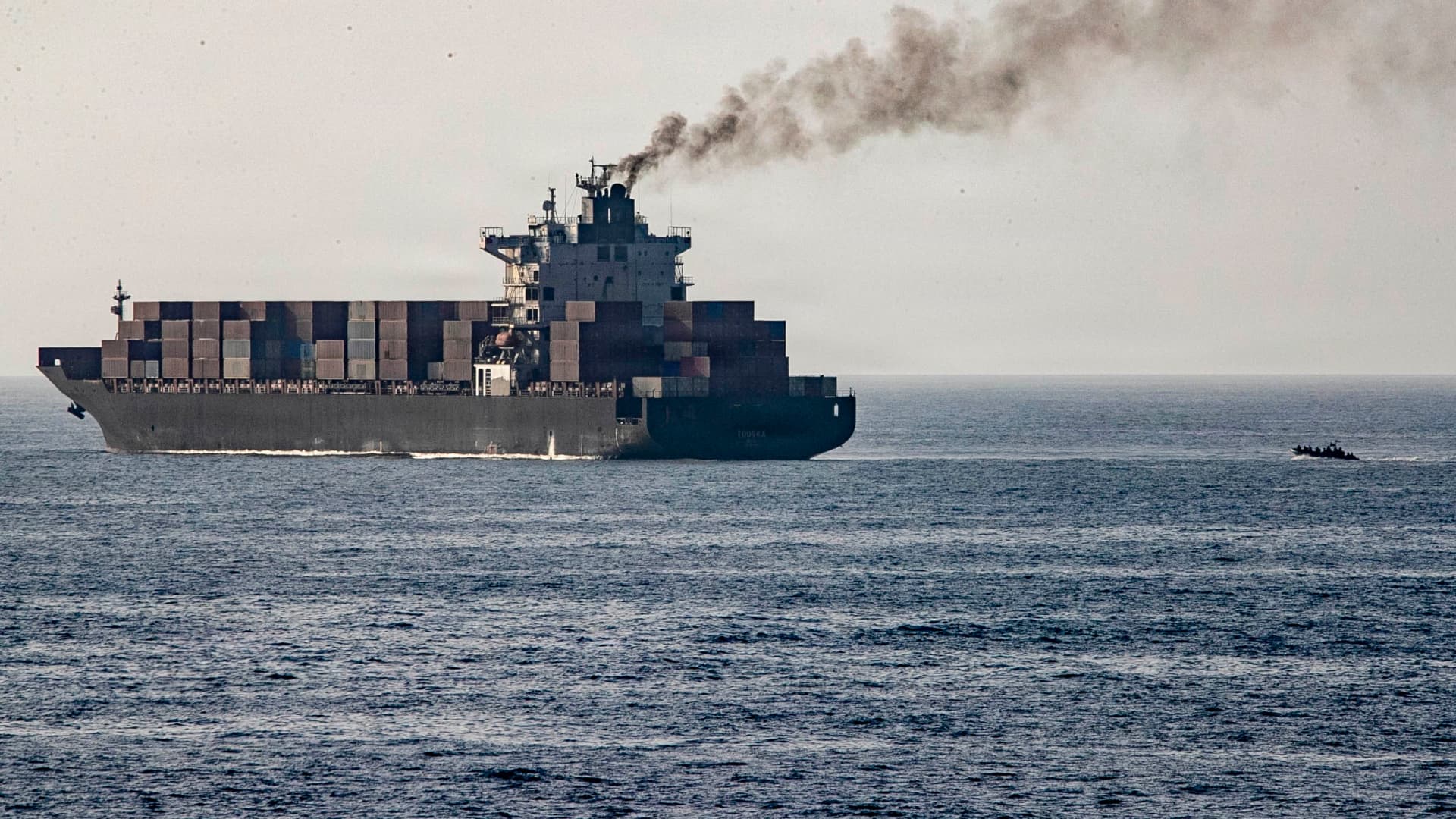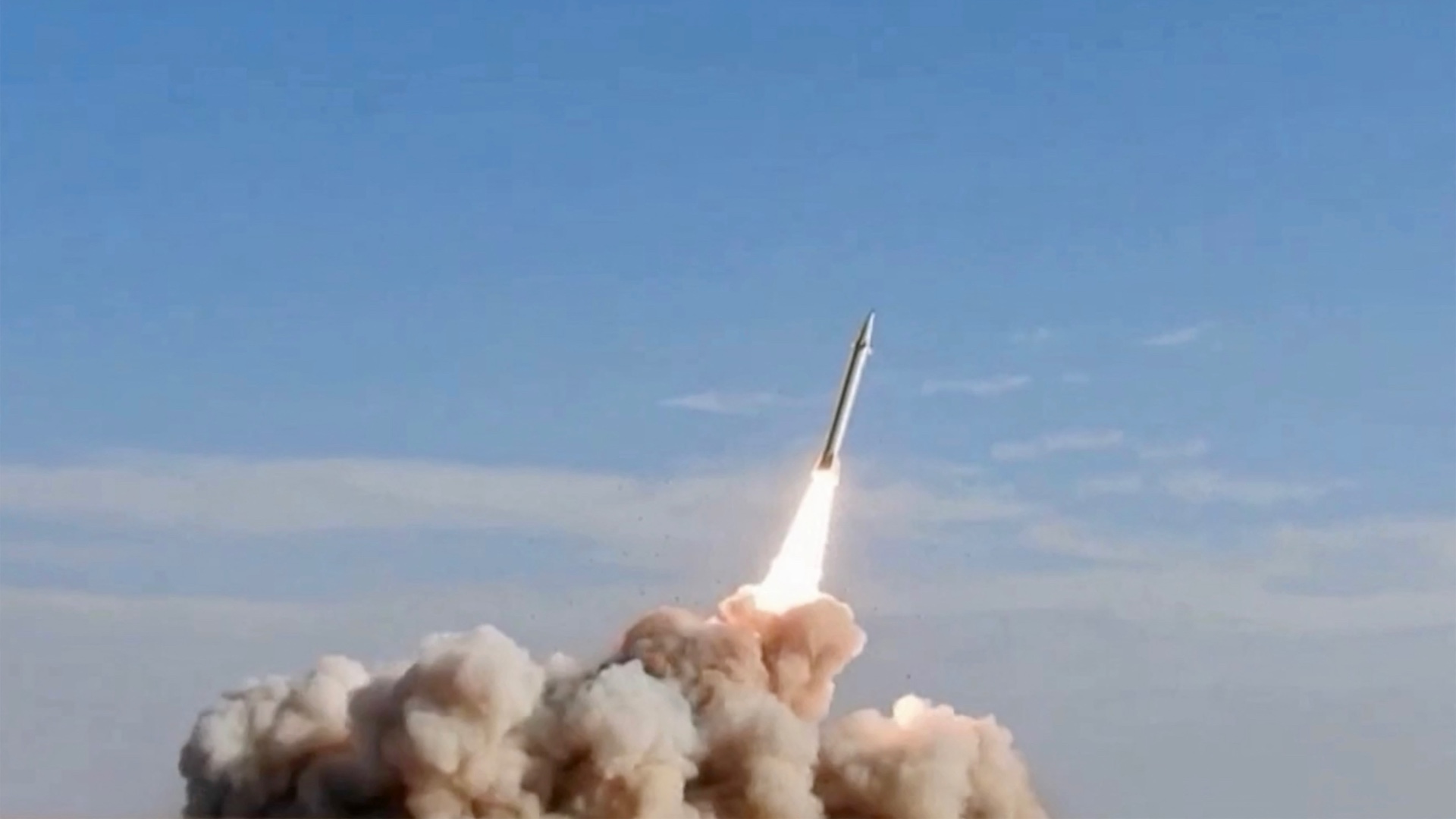
The International Energy Agency (IEA) has projected a sharper decline in global oil inventories this quarter, despite a reduction in demand attributed to the ongoing conflict involving Iran. According to a report from Bloomberg Markets, the IEA’s latest outlook suggests a persistent supply deficit, with global oil production expected to lag behind previous estimates. This scenario is compounded by the depletion of emergency reserves and the slow pace of inventory replenishment. The market for crude oil is reacting to these developments, which may indicate potential for price increases as supply constraints intensify.
In the context of prediction markets, the likelihood of crude oil reaching a new all-time high by September 30 remains low, currently priced at 3.8% for a YES outcome. However, for the December 31 timeframe, the probability is higher, at 12.5% for YES. These figures reflect market participants’ anticipation of potential catalysts that could influence oil prices, such as geopolitical tensions and production adjustments by major oil-producing countries.
The IEA’s outlook reinforces previous concerns about the sustainability of oil supplies in light of geopolitical instability. With global inventories falling at a record pace, market observers are closely monitoring developments that could further impact supply dynamics, including actions by OPEC and shifts in international energy policies.