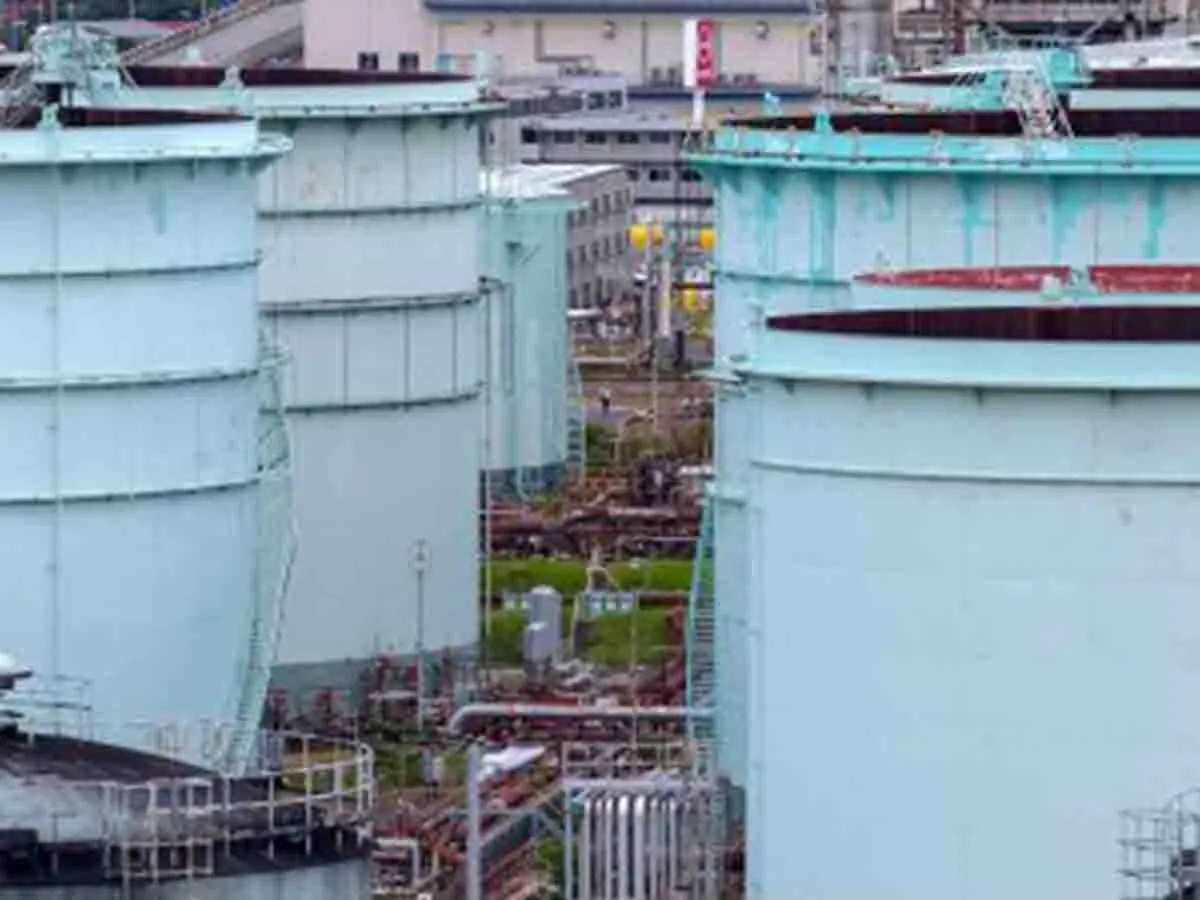
Skip to Content News Archives Economy Energy Oil & Gas Renewables Electric Vehicles Mining Commodities Agriculture Real Estate Mortgages Mortgage Rates Finance Banking Insurance Fintech Cryptocurrency Work Wealth Smart Money Wealth Management Investor Personal Finance Family Finance Retirement Taxes High Net Worth FP Comment Executive Women Puzzmo Newsletters Financial Times Business Essentials More Innovation Information Technology FP500 Podcasts Small Business Lives Told Tails Told Shopping Financial Post Store Obituaries Place a Notice Advertising Advertising With Us Advertising Solutions Postmedia Ad Manager Sponsorship Requests Classifieds Place a Classifieds ad Working Profile Settings My Subscriptions Saved Articles My Offers Newsletters Customer Service FAQ News Economy Energy Mining Real Estate Finance Work Wealth Investor FP Comment Executive Women Puzzmo Newsletters Financial Times Business Essentials HomeEnergyOil & GasNewsOil supply shortfall worsens despite hit to demand from Iran war, says IEAWorld faces a shortfall of 1.8 million barrels a day this quarterAuthor of the article:Last updated 43 minutes ago You can save this article by registering for free here. Or sign-in if you have an account.Oil storage tanks in Yokohama, Kanagawa Prefecture, Japan. Global oil stockpiles are tightening again, warned the International Energy Agency. Photo by Toru Hanai /BloombergGlobal oil markets are undergoing a more severe supply squeeze than expected following renewed escalation in the Iran war, even as demand takes a deeper hit from higher prices, the International Energy Agency (IEA) said.Subscribe now to read the latest news in your city and across Canada.Exclusive articles from Barbara Shecter, Joe O'Connor, Gabriel Friedman, and others.Daily content from Financial Times, the world's leading global business publication.Unlimited online access to read articles from Financial Post, National Post and 15 news sites across Canada with one account.National Post ePaper, an electronic replica of the print edition to view on any device, share and comment on.Daily puzzles, including the New York Times Crossword.Subscribe now to read the latest news in your city and across Canada.Exclusive articles from Barbara Shecter, Joe O'Connor, Gabriel Friedman and others.Daily content from Financial Times, the world's leading global business publication.Unlimited online access to read articles from Financial Post, National Post and 15 news sites across Canada with one account.National Post ePaper, an electronic replica of the print edition to view on any device, share and comment on.Daily puzzles, including the New York Times Crossword.Create an account or sign in to continue with your reading experience.Access articles from across Canada with one account.Share your thoughts and join the conversation in the comments.Enjoy additional articles per month.Get email updates from your favourite authors.Create an account or sign in to continue with your reading experience.Access articles from across Canada with one accountShare your thoughts and join the conversation in the commentsEnjoy additional articles per monthGet email updates from your favourite authorsSign In or Create an AccountorThe world faces a shortfall of 1.8 million barrels a day this quarter — more than double earlier projections — as “renewed hostilities and maritime disruptions” derail a production recovery in the Middle East, according to a monthly report from the IEA, which advises major economies. For 2026 as a whole, the deficit will likely be the widest in five years.Stockpiles are tightening again even as high fuel prices prompt the agency to deepen estimates for a decline in global oil demand this year, by almost 50 per cent to 1.6 million barrels a day. It’s the biggest slump in annual average terms since the 2020 COVID pandemic.Breaking business news, incisive views, must-reads and market signals. Weekdays by 9 a.m.By signing up you consent to receive the above newsletter from Postmedia Network Inc.A welcome email is on its way. If you don't see it, please check your junk folder.The next issue of Posthaste will soon be in your inbox.We encountered an issue signing you up. Please try againWhile a brief ceasefire between the United States and Iran in mid-June revived oil exports from the Persian Gulf, shipping and regional energy infrastructure are once again under fire. That’s squeezing consumers with higher costs for fuels such as gasoline and diesel — the workhorse of the global economy — and complicating central banks’ struggle with stubbornly high inflation.Still, the output losses are far smaller than some of the worst-case scenarios painted early in the war, having been tempered by an array of workaround measures. Those include alternative pipelines used by Saudi Arabia and the United Arab Emirates and a network of shuttle tankers plying the Strait of Hormuz. U.S. Energy Secretary Chris Wright said Tuesday that nine million barrels a day have escaped in the past week, almost half prewar volumes.Global oil output continued to recover from war-time lows last month amid increases in production from Saudi Arabia, Iraq, Kuwait and Iran, but still remained short of pre-conflict levels, according to the report. With tanker routes through Hormuz and the Red Sea threatened, the Saudis have built a record trove of onshore stockpiles.The world’s depleted inventories ought to be replenished next year after oil markets tip back into oversupply, the IEA said. Supply stands to outpace consumption by a weighty 4.6 million barrels a day in 2027, the report indicated.Members of the organization such as the U.S., Japan and Germany will need to refill emergency oil reserves after announcing a record release of stocks in March, the IEA said.“Although the market is projected to return to surplus towards the end of this year, risks remain substantial and the urgency of reopening the Strait has increased, as previously available inventory buffers are rapidly depleting,” the agency said.Besides the emergency stocks and Hormuz shuttle runs, oil markets have also been shielded from the crisis by demand readjustment in China, the world’s biggest importer of the commodity. More than 1.5 million daily barrels of the country’s consumption was displaced during the second quarter by its expanding fleet of electric vehicles, according to the report. Join the Conversation This website uses cookies to personalize your content (including ads), and allows us to analyze our traffic. Read more about cookies here. By continuing to use our site, you agree to our Terms of Use and Privacy Policy.
Oil supply shortfall worsens despite hit to demand from Iran war, says IEA
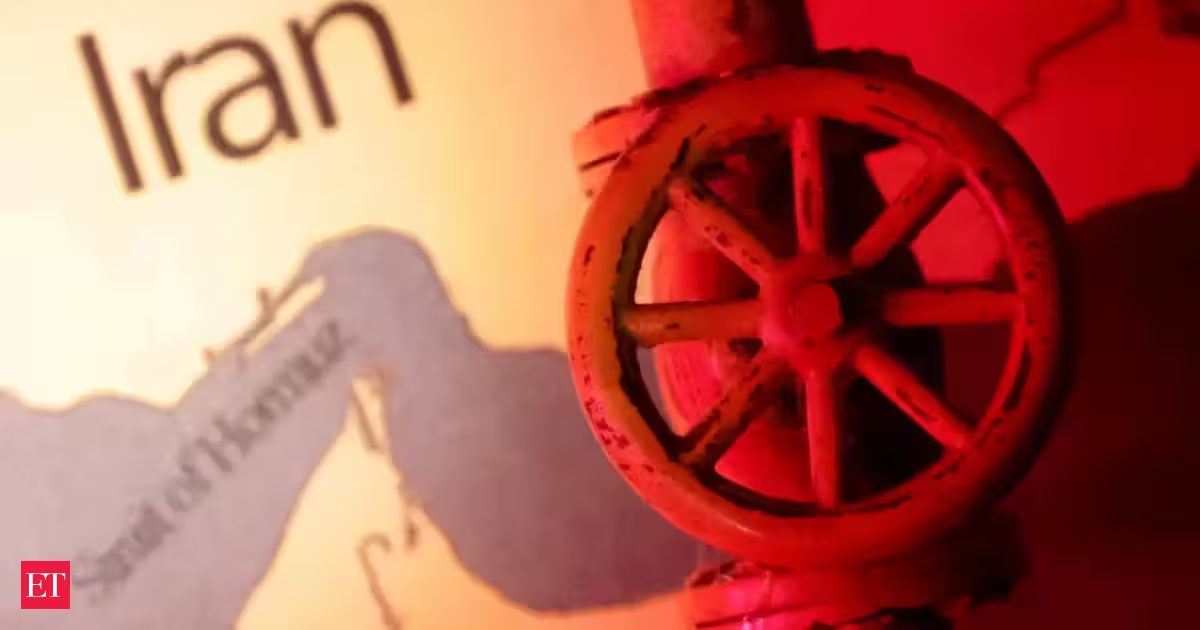
Global oil markets are undergoing a more severe supply squeeze than expected on renewed escalation of the Iran war, says the IEA. Read on.
1,008 words~5 min read