The International Energy Agency just painted a picture of the global oil market that looks like a bathtub with the drain closed and both faucets running. In its June 17 Oil Market Report, the IEA projects that resolving the Iran conflict could push global oil supply up by roughly 8 million barrels per day (mb/d) to around 110 mb/d in 2027.
Global demand, meanwhile, is expected to crawl upward by just 2 mb/d to 105.3 mb/d. That gap, nearly 5 mb/d of excess supply, represents one of the most significant oil overhangs the market has faced in recent memory.
From scarcity to surplus in record time
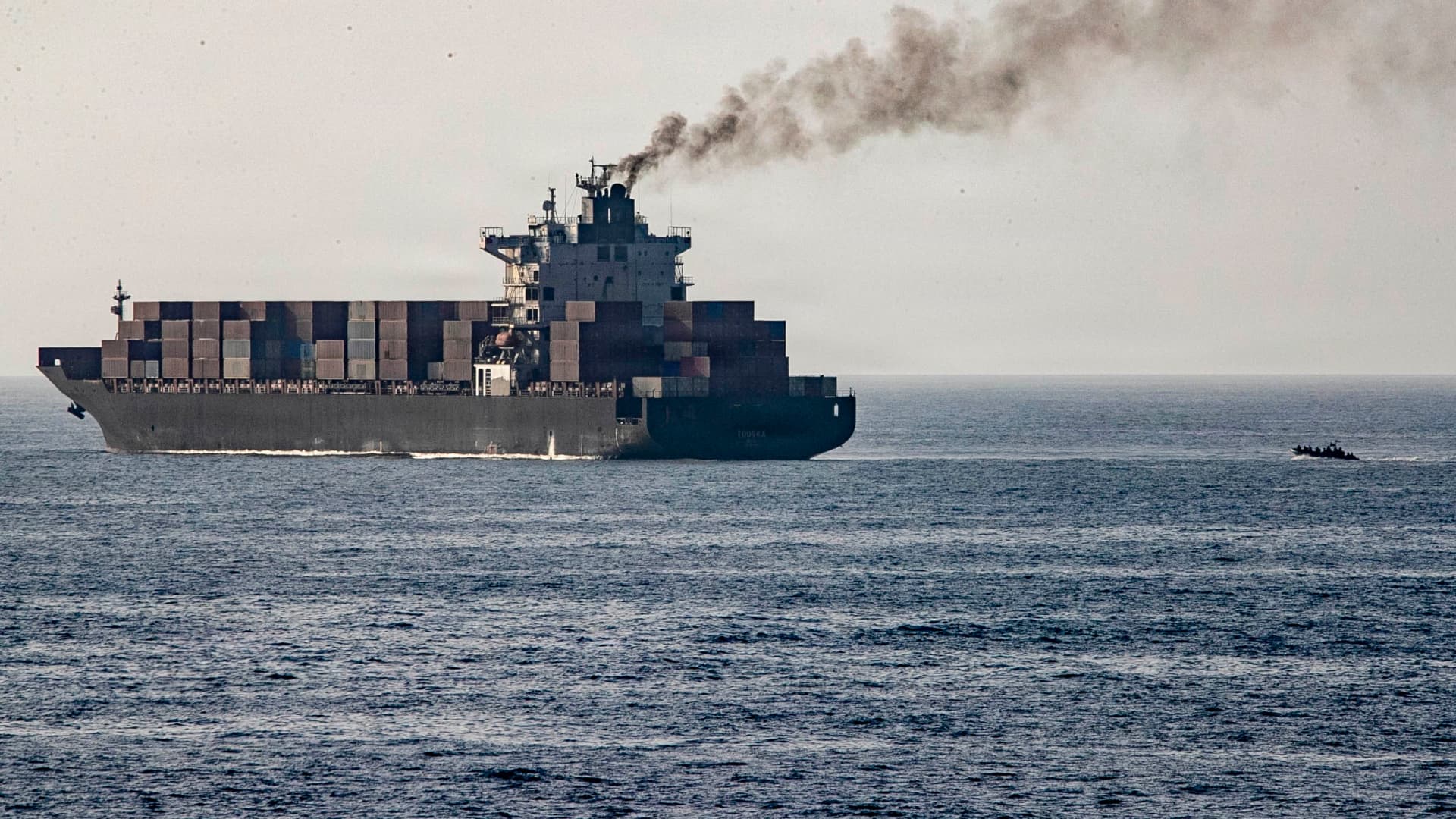
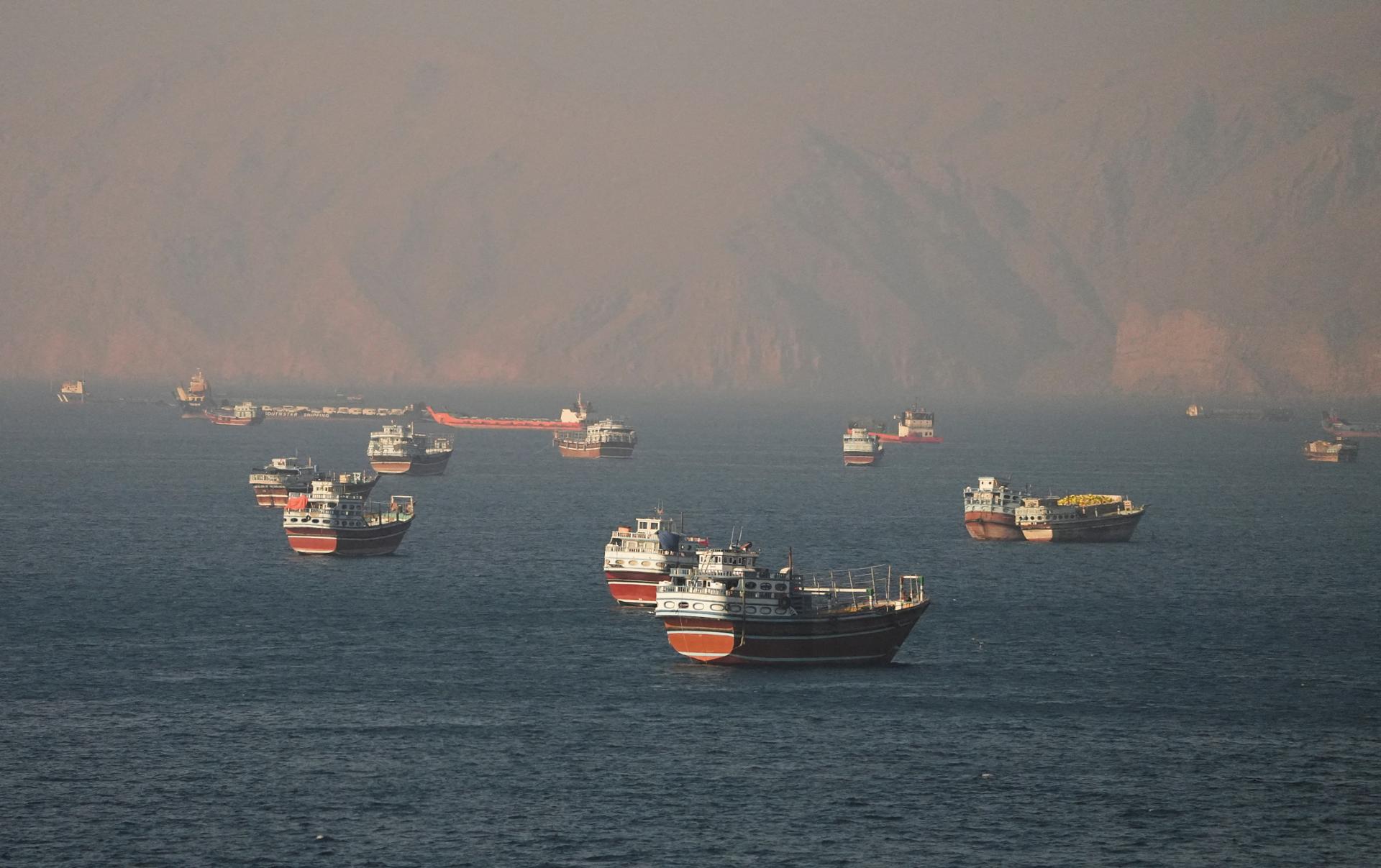
The Iran conflict escalated in early 2026 and led to restrictions at the Strait of Hormuz beginning in March, putting over 14 mb/d of oil supply at risk. The Strait of Hormuz is a narrow waterway through which roughly a fifth of global petroleum passes on any given day.
Supply for 2026 is projected to fall by 3.9 mb/d year-on-year to just 102.4 mb/d. Cumulative oil losses from the conflict exceeded 1 billion barrels by mid-May 2026. In May alone, global oil inventories dropped by 143 million barrels.