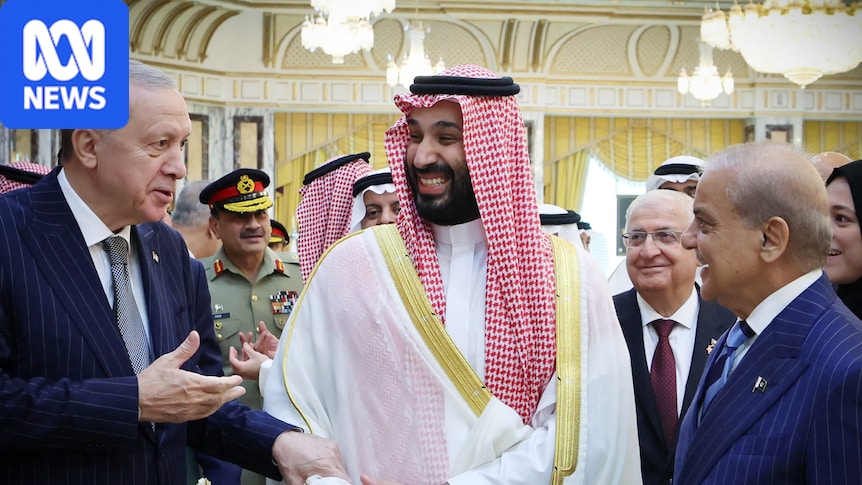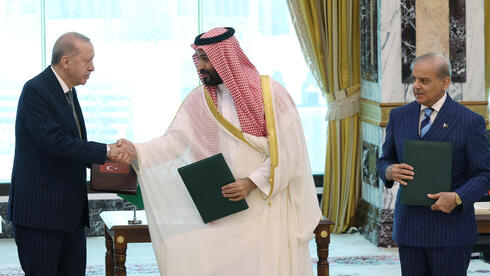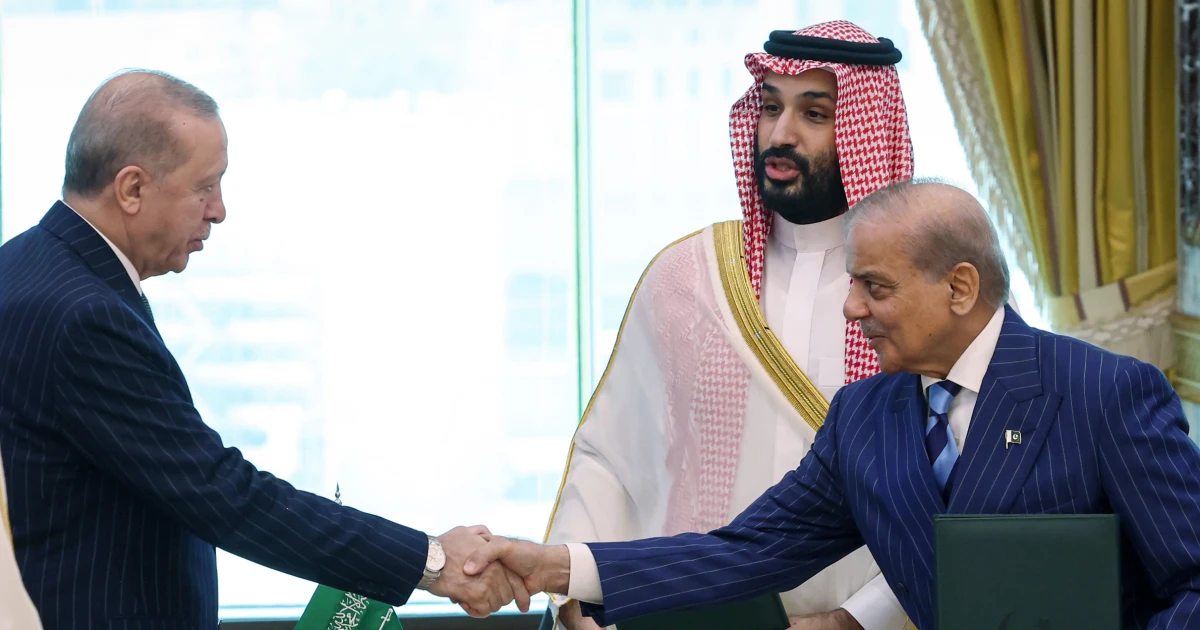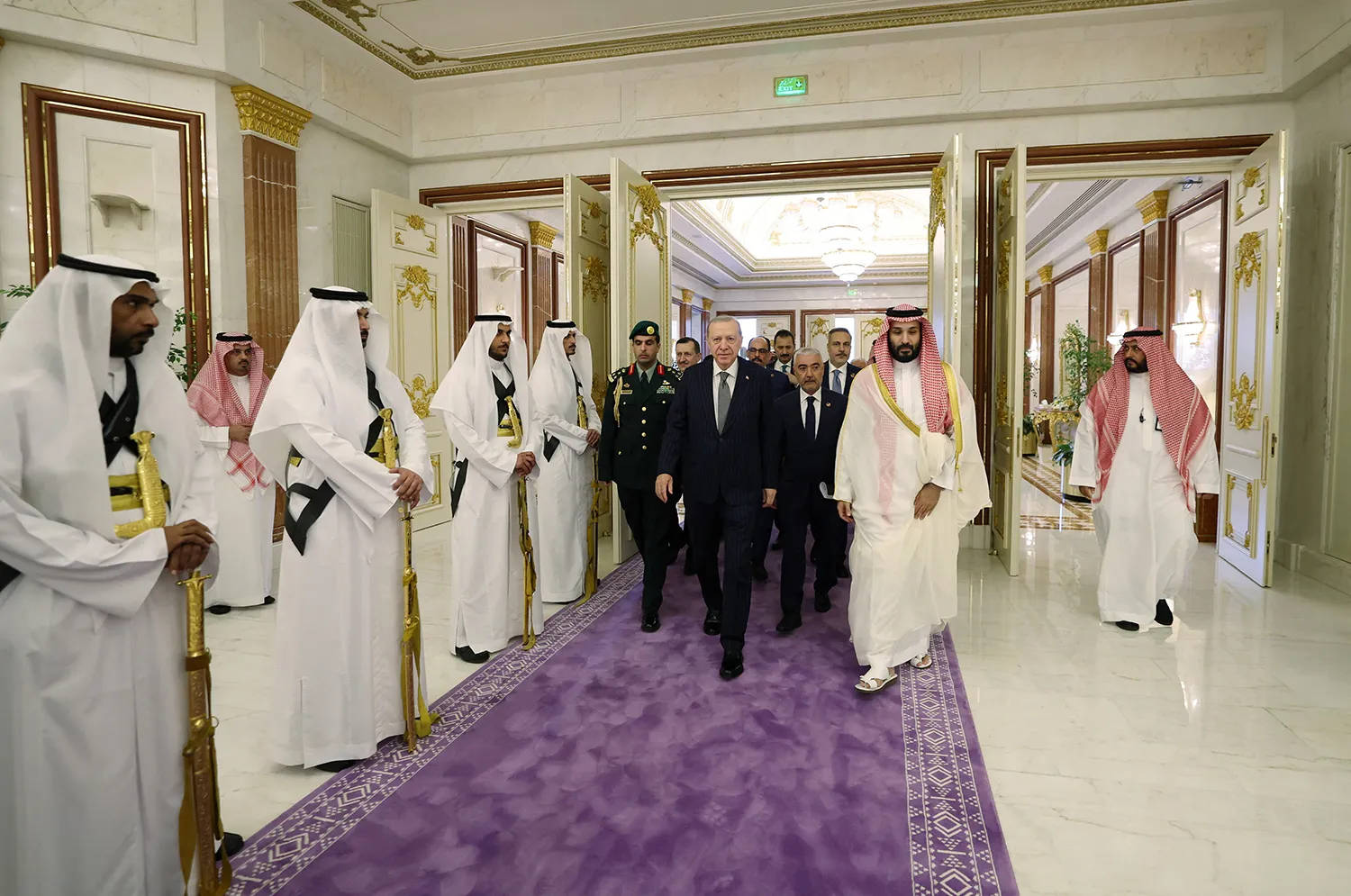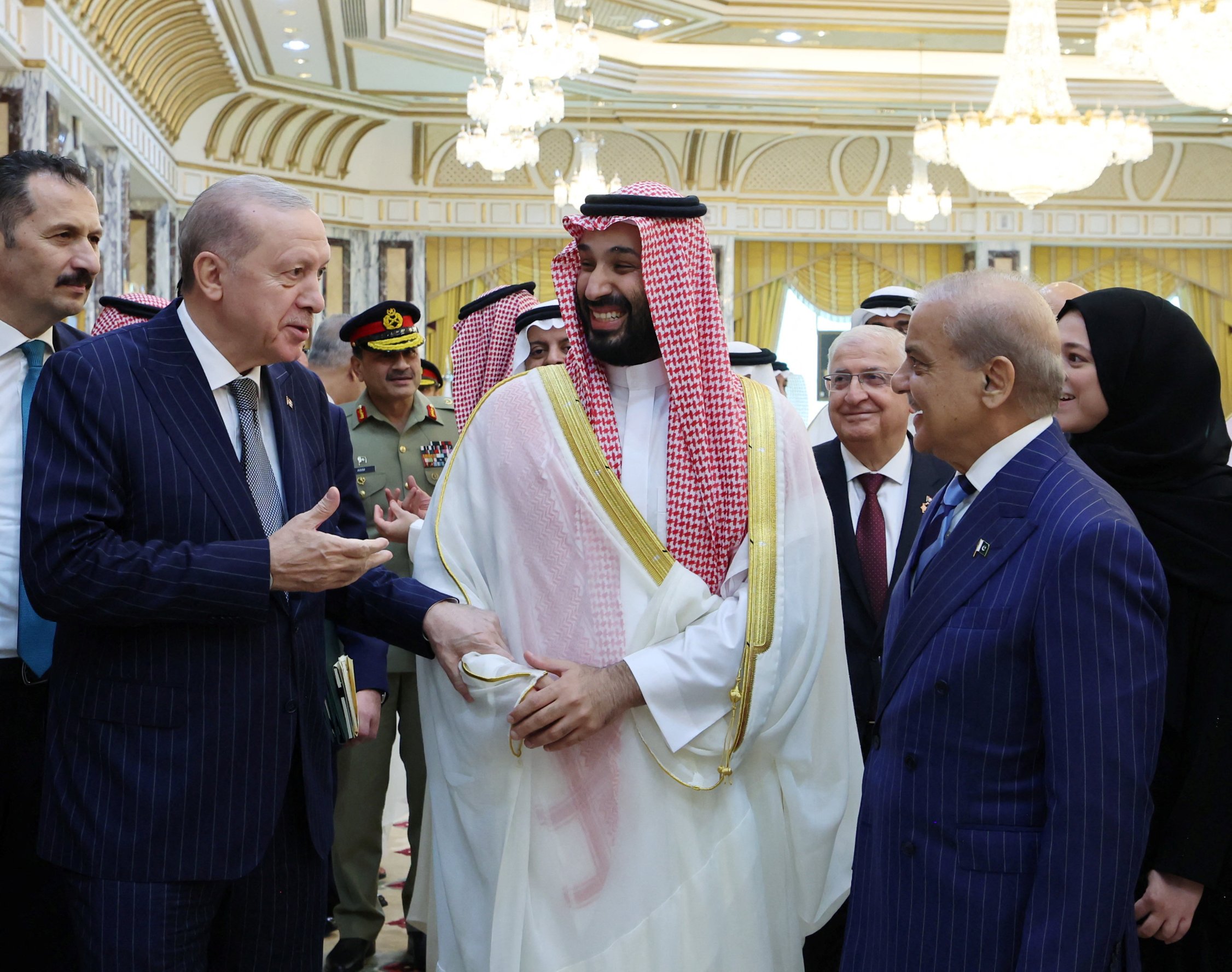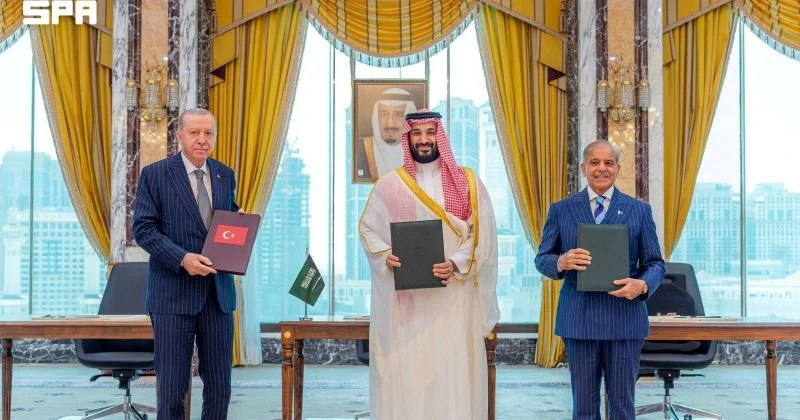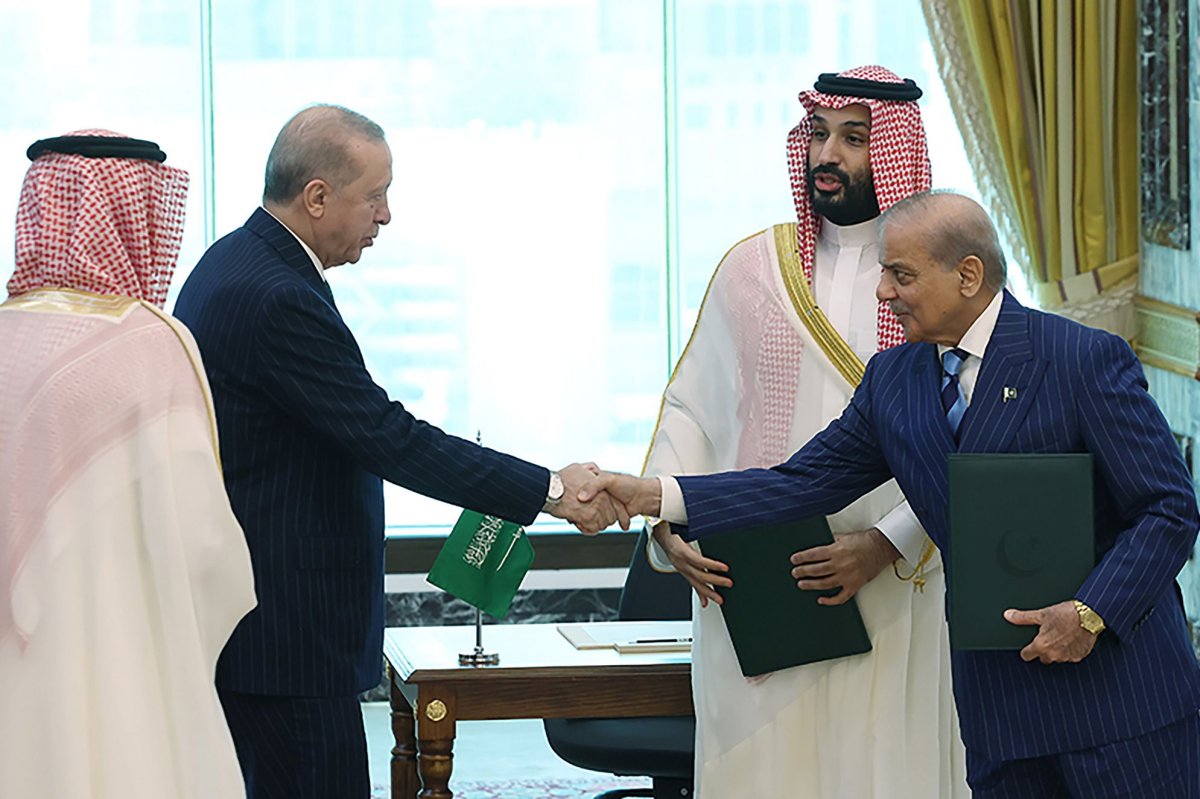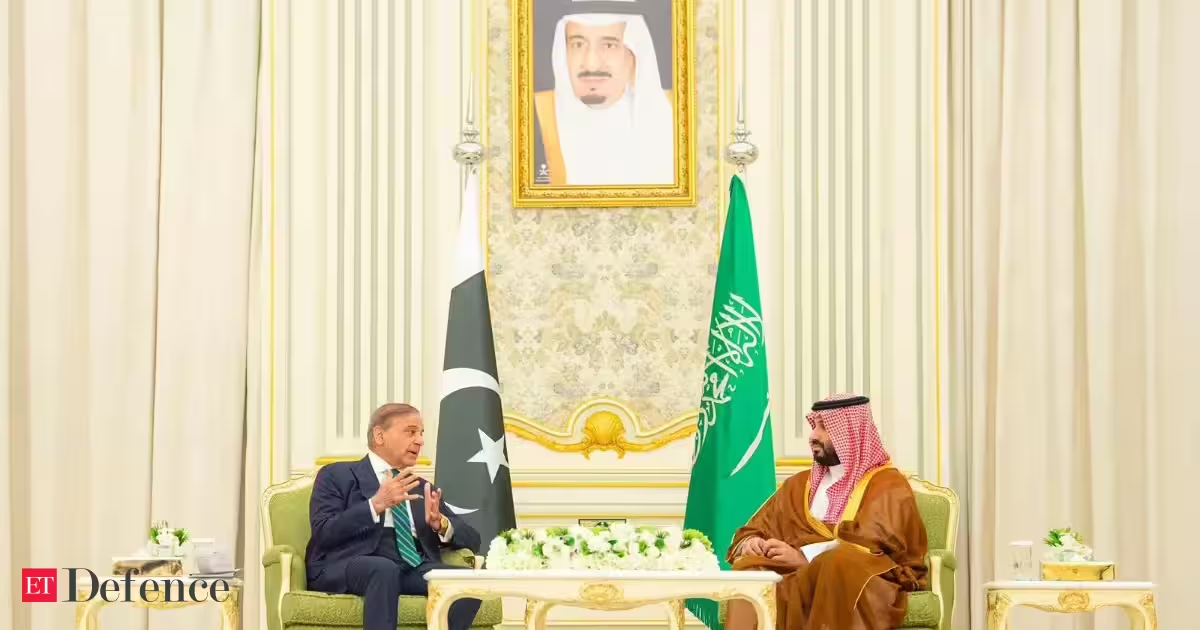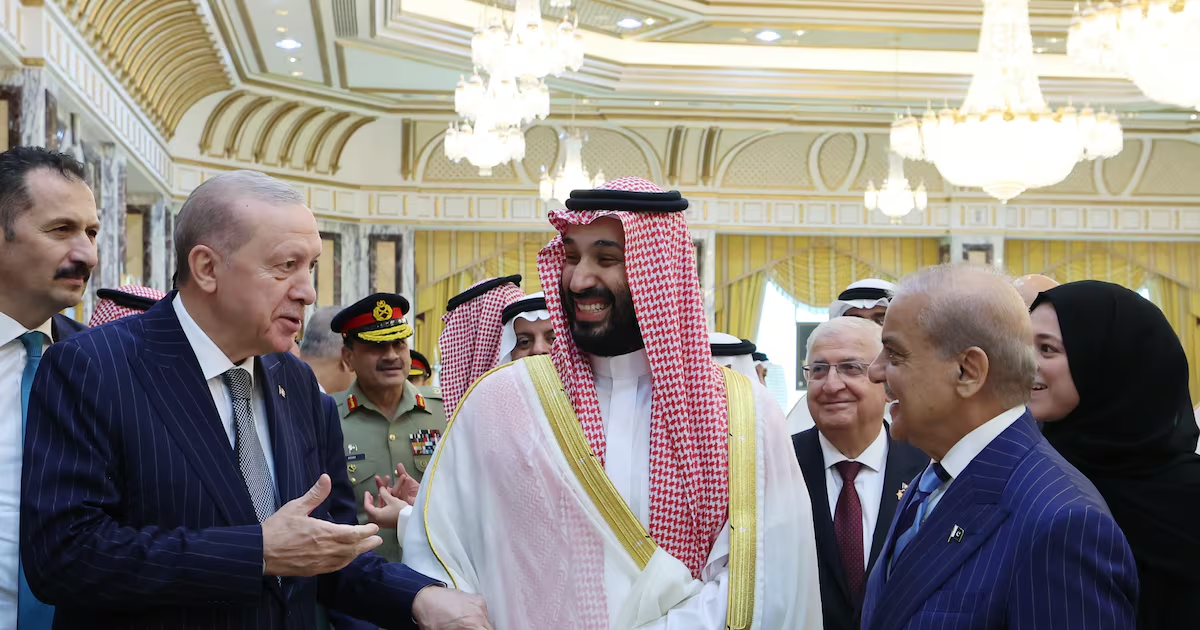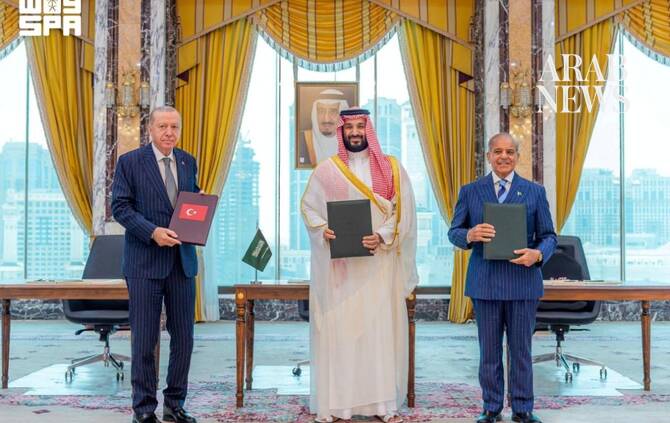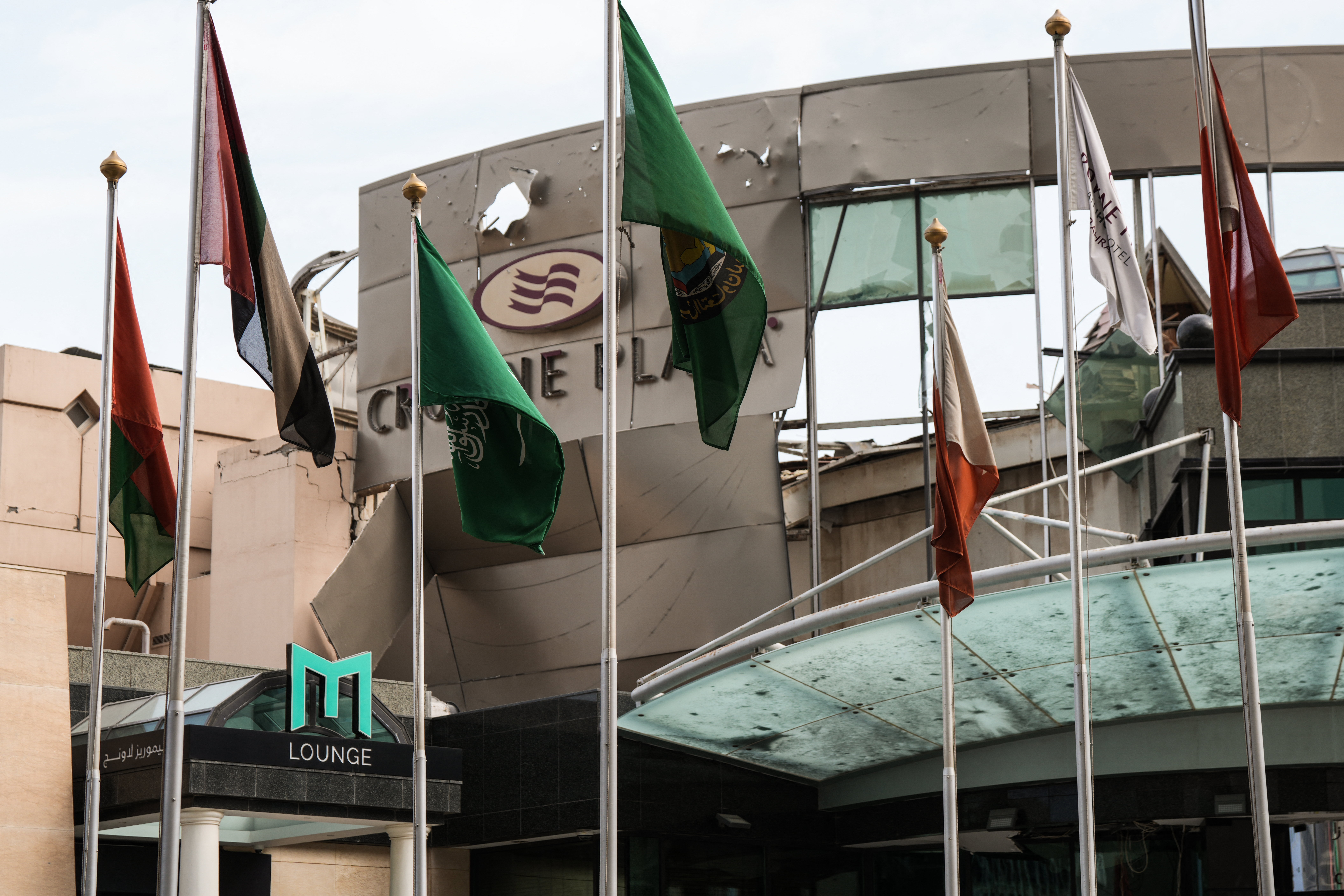
Over the last several decades, the Gulf states have used their oil and gas riches to transform their economies into global powerhouses. Many have built gleaming new cities and some of the world’s best airlines—and turned to the United States for security to make sure the party kept going. The Iran conflict has thrown most of those plans into flux. The latest example of this state of uncertainty could be the Mecca Joint Defense Agreement, a pact between Turkey, Pakistan, and Saudi Arabia to treat an attack on one of them as an attack on them all—language that is reminiscent of NATO’s Article 5.
On the latest episode of FP Live, I dug into the nature of this new defense agreement and how the Gulf countries are rethinking their security and economic frameworks. I spoke with Allison Minor, a director at the Atlantic Council who previously served as a U.S. deputy special envoy to Yemen and also as a director at the National Security Council focused on the Arabian Peninsula.
Over the last several decades, the Gulf states have used their oil and gas riches to transform their economies into global powerhouses. Many have built gleaming new cities and some of the world’s best airlines—and turned to the United States for security to make sure the party kept going. The Iran conflict has thrown most of those plans into flux. The latest example of this state of uncertainty could be the Mecca Joint Defense Agreement, a pact between Turkey, Pakistan, and Saudi Arabia to treat an attack on one of them as an attack on them all—language that is reminiscent of NATO’s Article 5.