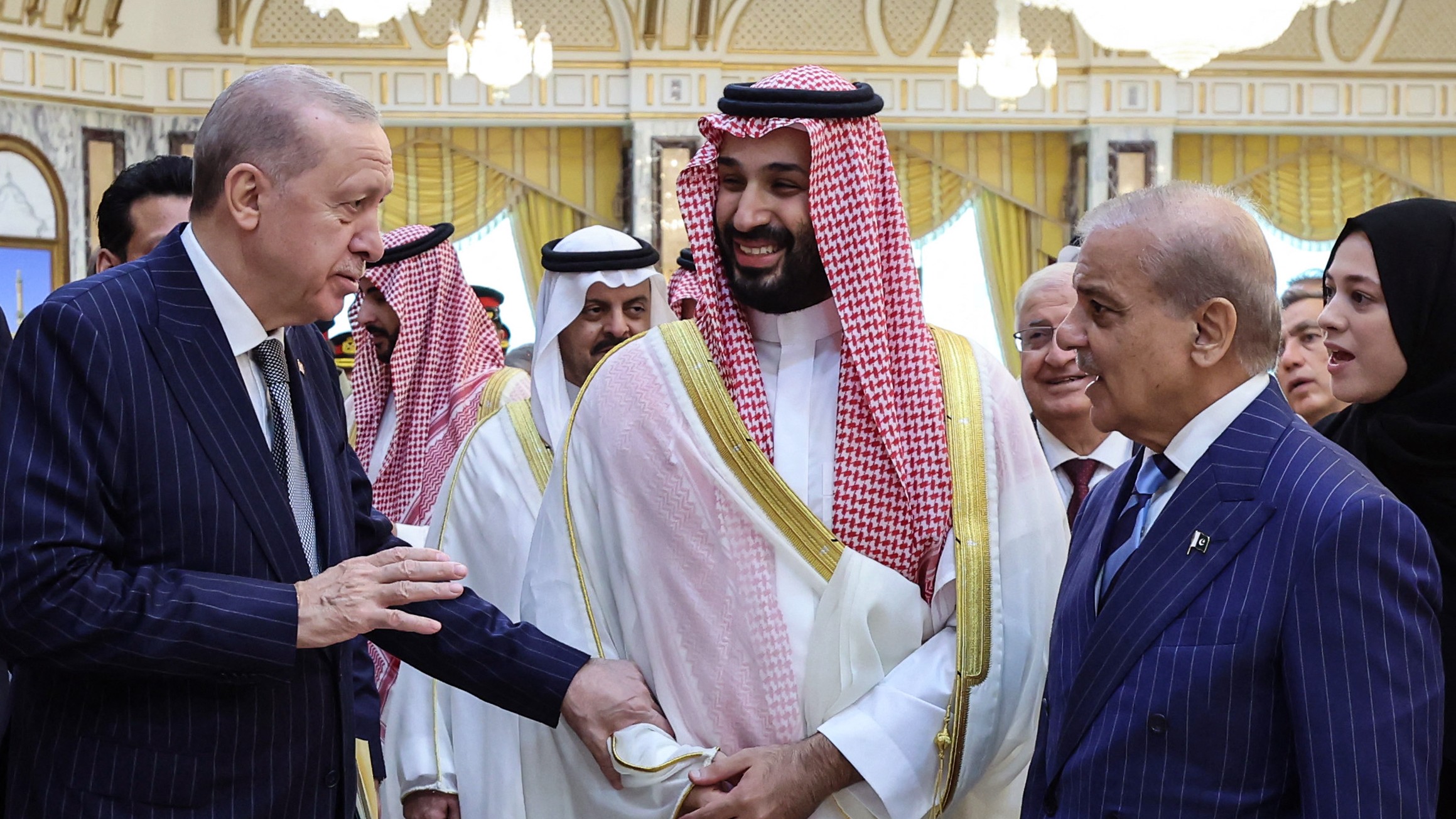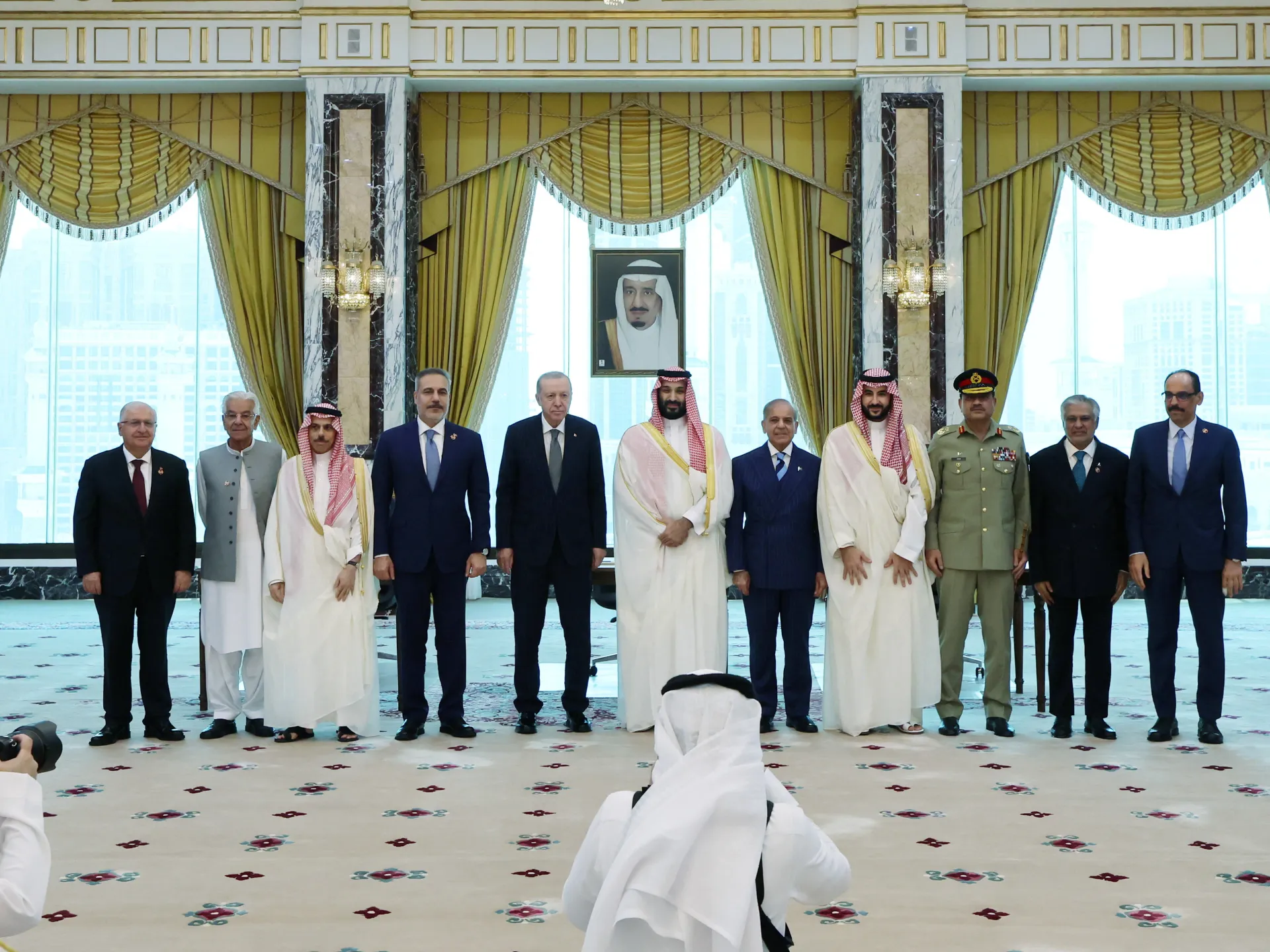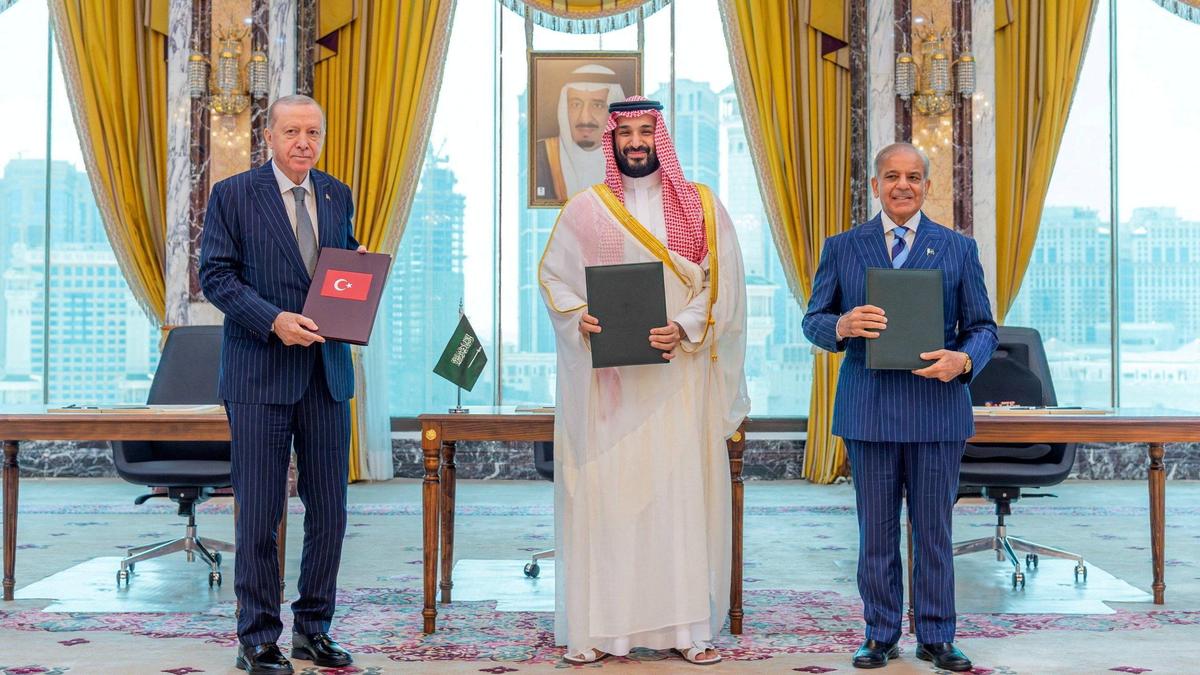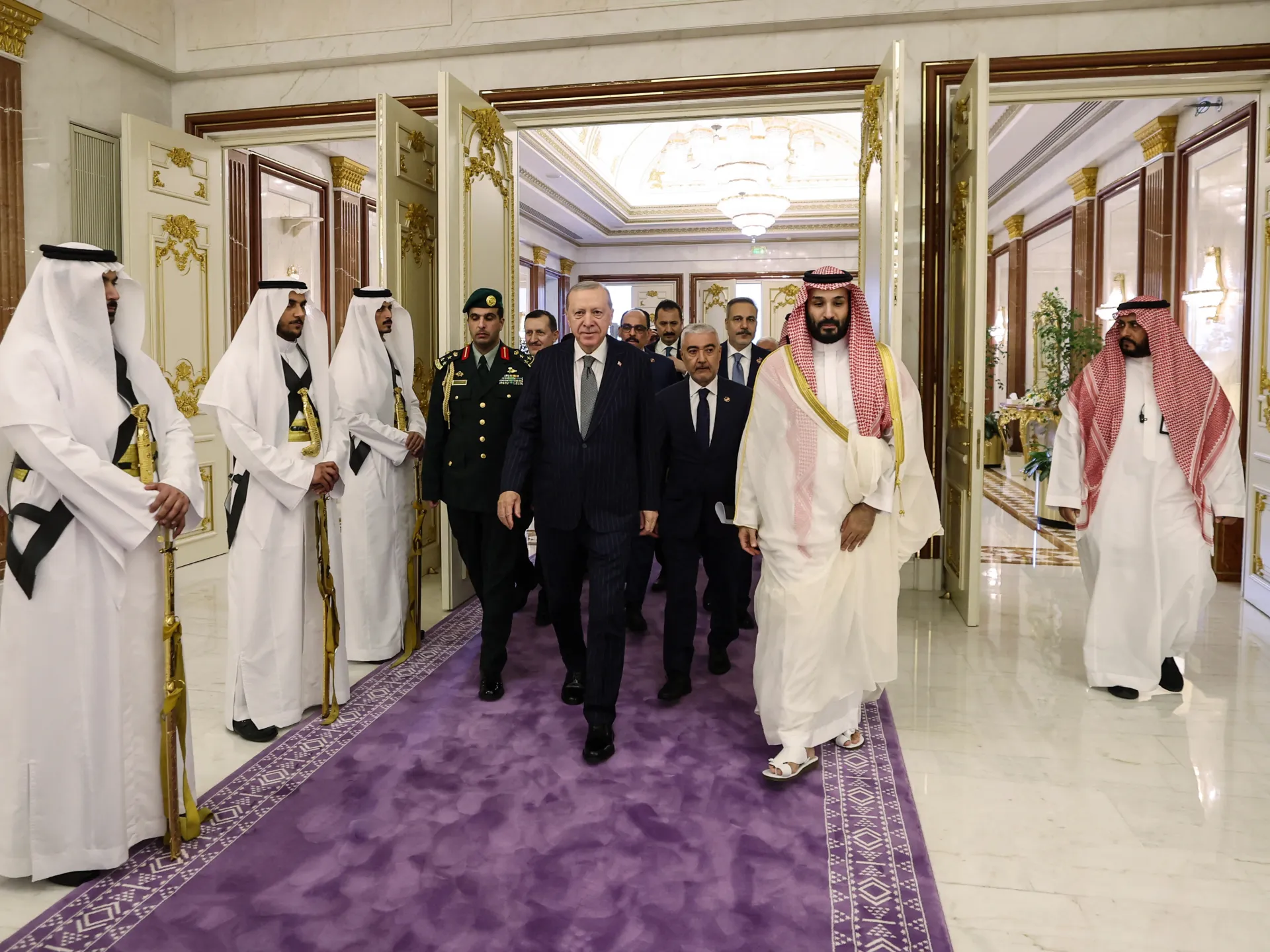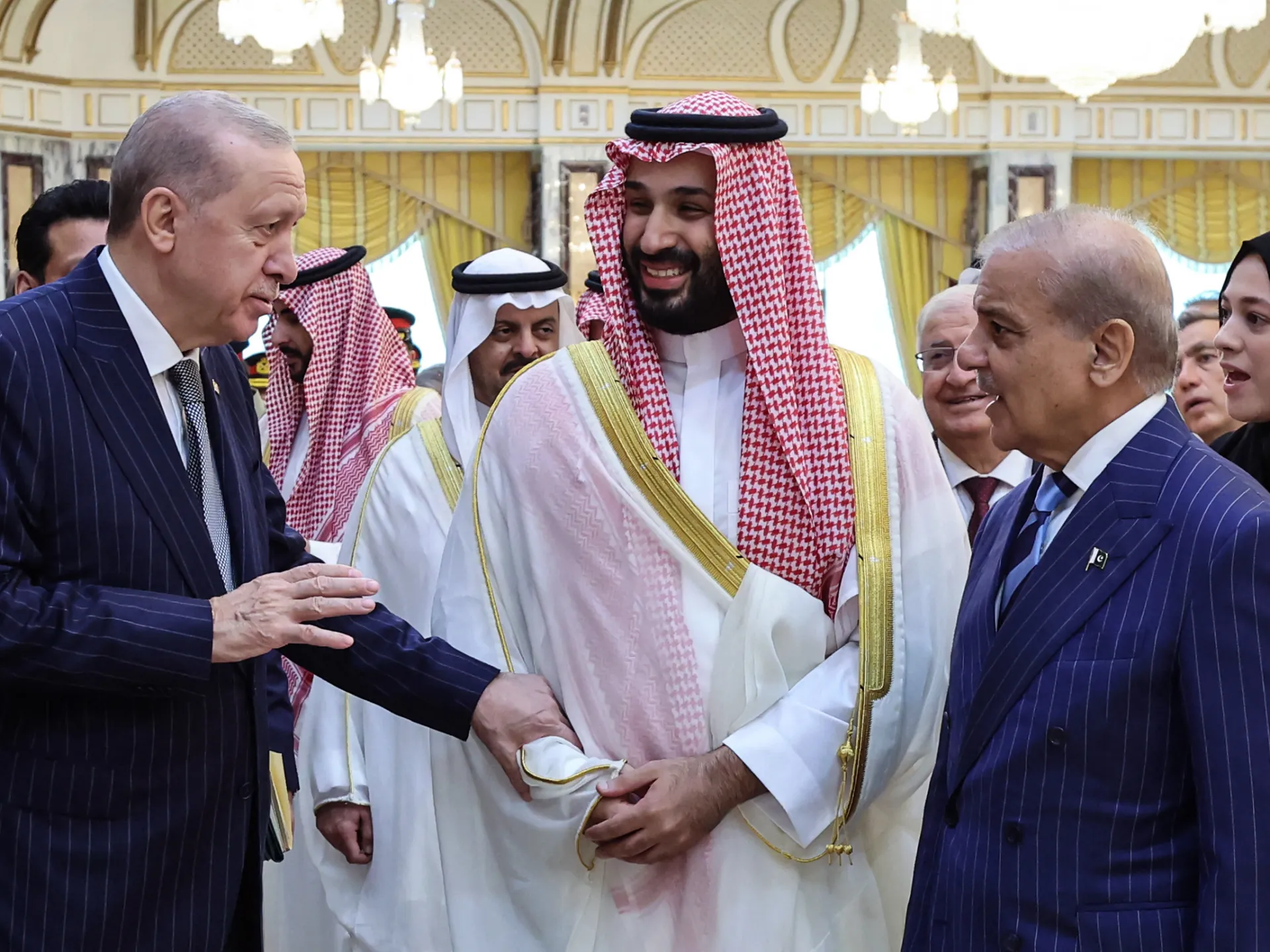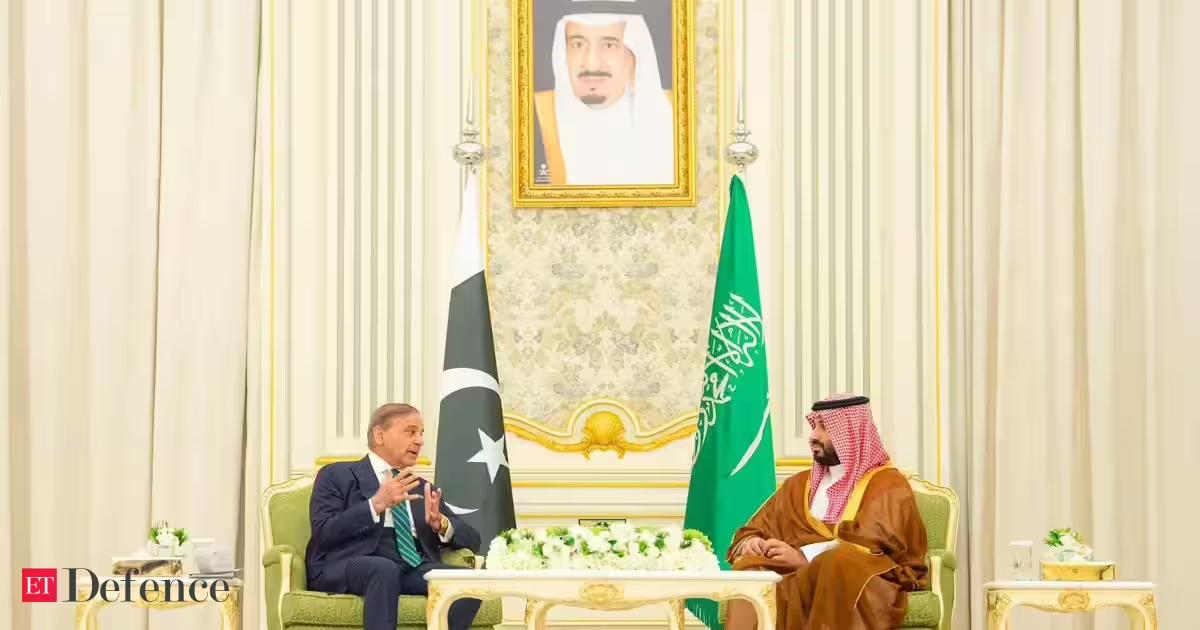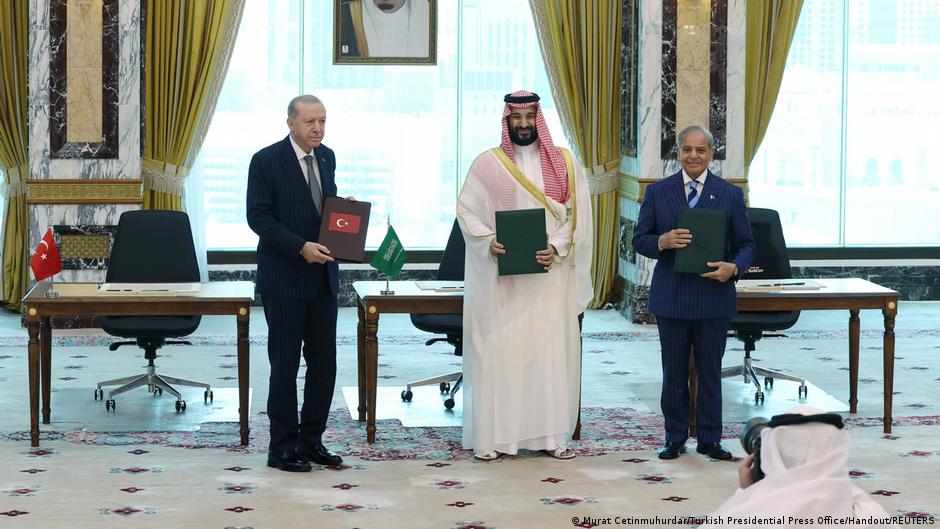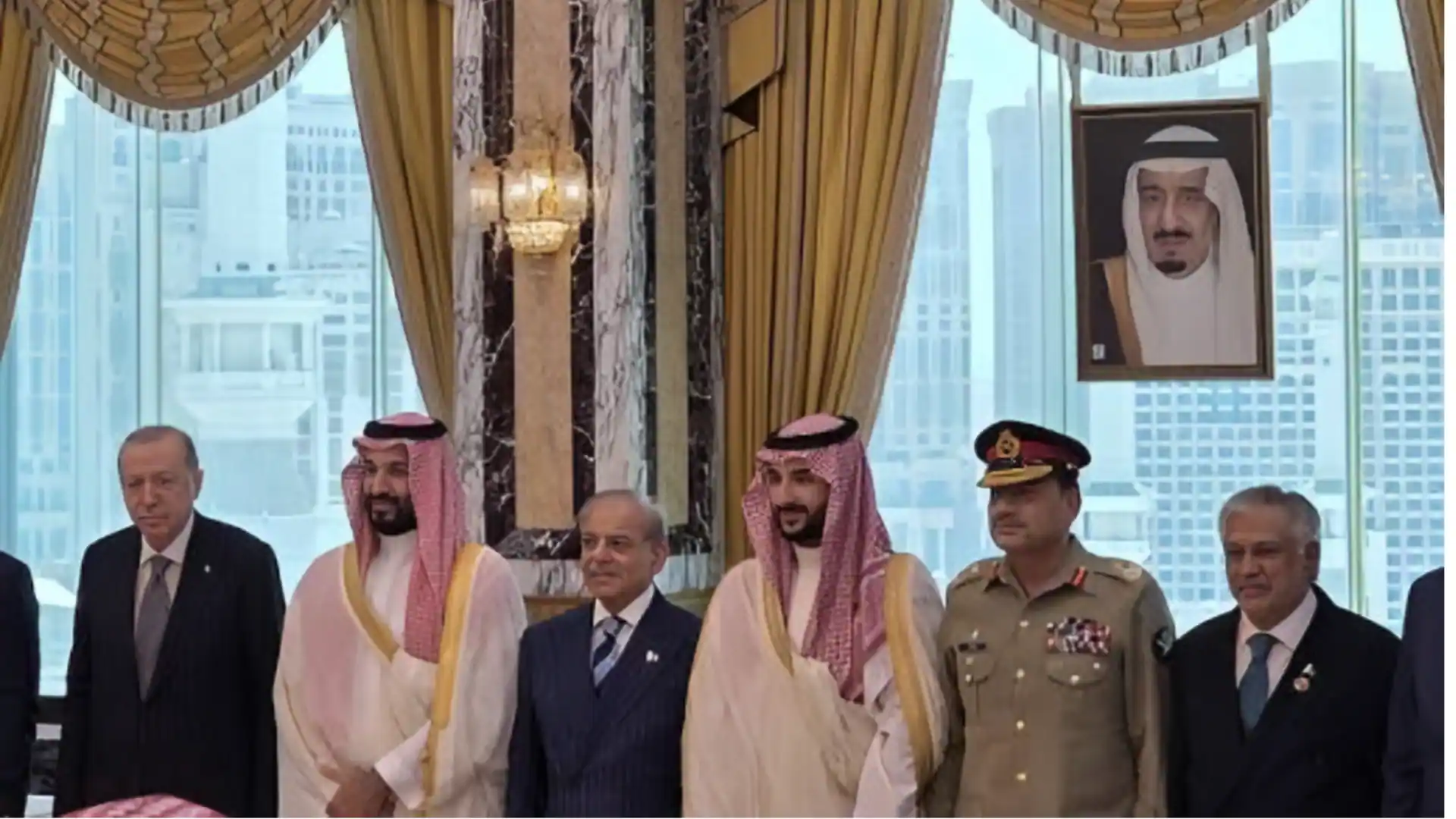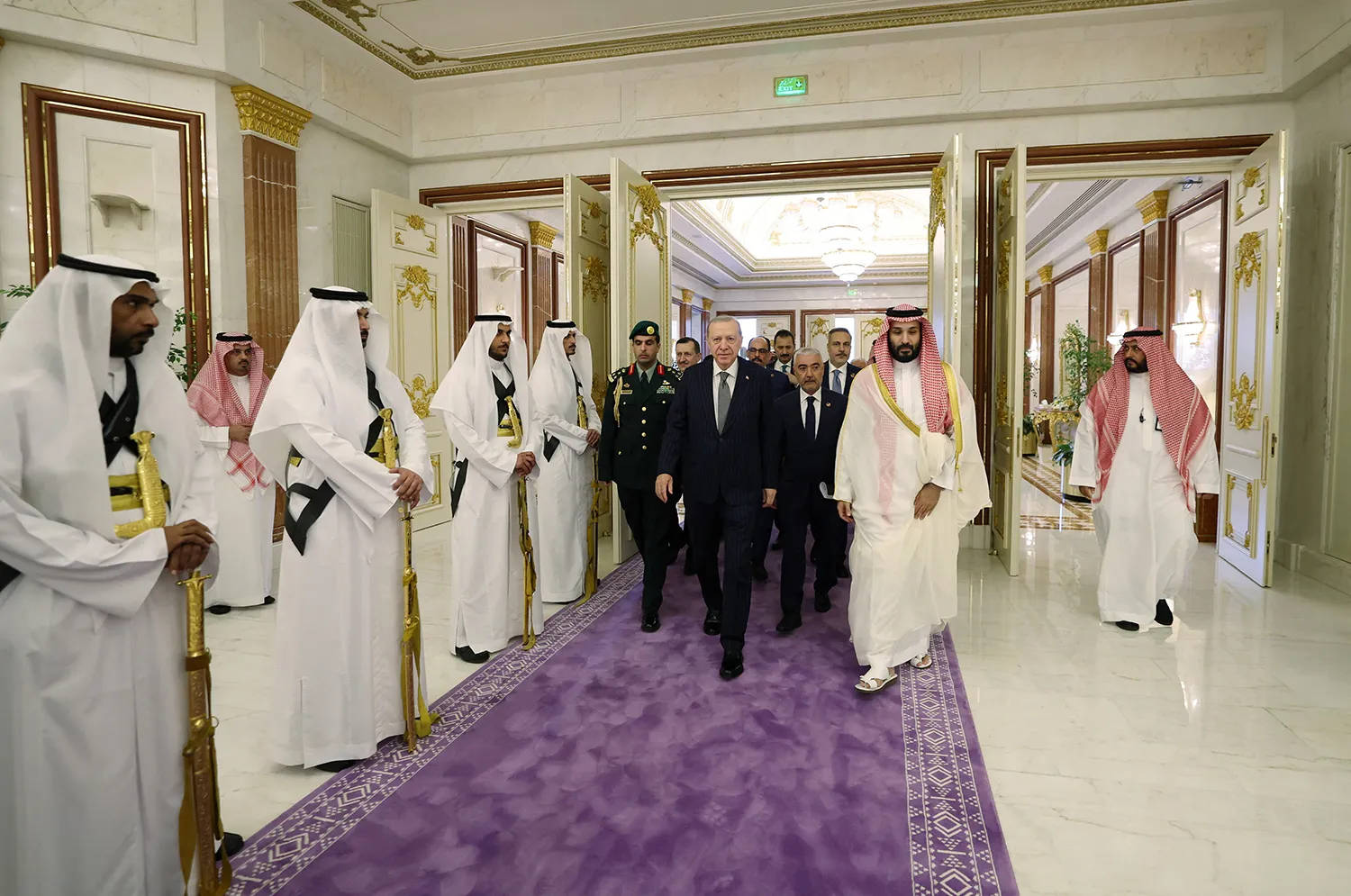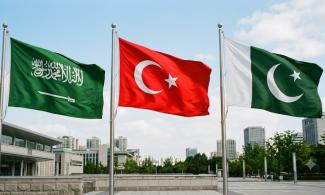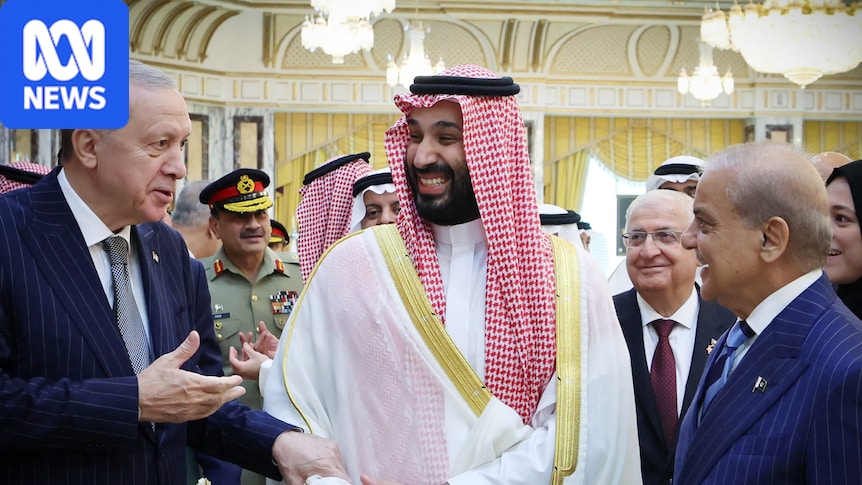
A NATO-like defence pact signed by Saudi Arabia, Türkiye and Pakistan has landed like a stone thrown into an already swirling Middle East pool.And the ripples from this deal are spreading as analysts consider its profound implications.The Mecca Joint Defence Agreement, signed last Friday in Mecca, is seen as a pivot point in the geopolitics of the region.It is intended to strengthen collective deterrence against any act of aggression and says an armed attack against any of the three would be regarded as an attack on all, just like Article 5 of the NATO agreement.Turkish Foreign Minister Hakan Fidan later confirmed the agreement is technically the same as NATO's.But just what this commitment means in practice in the volatile region is unclear.In the last 12 months, it has appeared at times as if Israel might emerge as the new hegemonic power in the Middle East.The unexpected survival of Iran's sphere of influence has also kept open the question of its eventual dominance.Now a new grouping challenges both of those ideas.Three powers join forcesSaudi deputy minister for public diplomacy, Rayed Krimly, said in a social media post that the accord "does not represent an effort to establish a military axis or a sectarian bloc"."Nor is it linked to any nuclear ambitions or arms race, rather it is focused on building sustainable capabilities," he said on X.The Mecca Joint Defence Agreement commits each country to respond in the event of an attack on the other. (Reuters: Evelyn Hockstein)Yet the decision to sign the deal in Islam's holiest city, Mecca, made a point: three of Sunni Muslim's largest and most economically and strategically powerful countries banding together, vowing to come to each other's aid if attacked.Saudi Arabia is a gulf energy giant, the biggest buyer of US military equipment in the world; and the most strategically located country in the region.Türkiye is not just a member of NATO but the country with the biggest army in the group apart from the US.It is also a country that has rapidly become one of the largest defence manufacturers in the world, with ties to Russia and interests lying with the future of both Syria and Lebanon.And then there is Pakistan: a nuclear-armed power that is not quite in the region, but spending an increasing amount of time this past year finding a role for itself as a mediator between Iran and the United States.It is an arms manufacturer, with strong ties to China and it is the largest buyer of Türkiye's military exports, according to the Stockholm International Peace Research Institute (SIPRI).There are existing links between the three signatories: Riyadh signed Türkiye's largest ever defence contract in 2023 to buy drones. Pakistan has provided Saudi with fighter jets and other Chinese-made systems.The pact has been at least expedited by the US-Iran conflict but the complex ties all three countries have in the region means the deal has implications beyond that.Moving beyond superpower rivalryThere is plenty of agreement that the so-called Mecca Joint Defence Agreement is a reflection of the profound change in the geo-strategic balance in the Middle East that has followed the disastrous US-Israeli war on Iran.The Iran war has had a far reaching impact on relationships in the Middle East.
The NATO-like defence pact marking a pivot point in the Middle East
A NATO-like defence pact signed by Saudi Arabia, Türkiye and Pakistan has landed like a stone thrown into an already rippling Middle East pool.
1,726 words~8 min read