August 11th, 2026
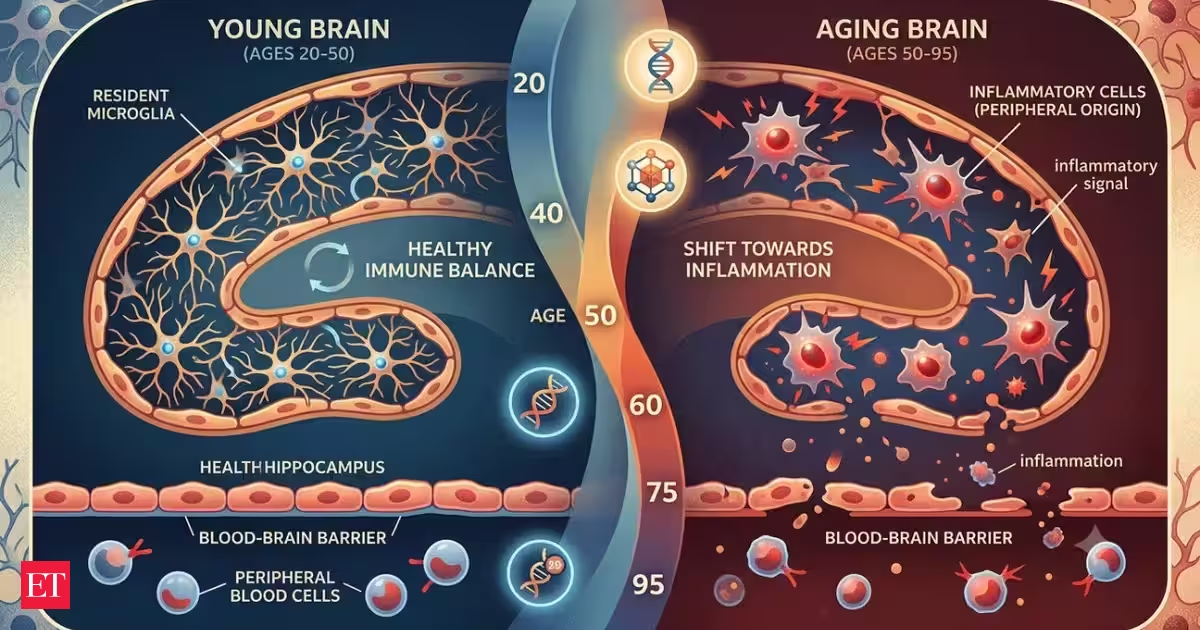
Alzheimer's disease, and the other common age-related neurodegenerative conditions, are characterized by chronic inflammation in brain tissue. Aging in general is characterized by an increased level of constant inflammatory signaling. Numerous different mechanisms contribute to this constant inflammation, such as maladaptive reactions to mitochondrial DNA fragments released into the cytoplasm as a result of age-related mitochondrial dysfunction, and a growing burden of senescent cells that actively secrete pro-inflammatory signals. The gut microbiome changes in ways that provoke inflammation as well, and the intestinal barrier becomes leaky with age, allowing more unwanted bacteria and bacterial metabolites into the body. In the brain, clearance of metabolic waste is achieved in large part by circulation of cerebrospinal fluid and its drainage into the body via channels that atrophy or become dysfunctional with age. Reduced flow allows metabolic waste to build up in brain tissue, including the protein aggregates associated with neurodegenerative conditions - and all of this increases maladaptive inflammatory responses on the part of immune cells in the brain.
Any reasonably complete list of contributions to age-related inflammation is much longer than the few high points noted above. Comprehensively dealing with the inflammation of old age is a task that will require more than one therapy, if the objective is to remove the causes. This is perhaps why much of medical research tends to favor sabotaging inflammatory signaling or aspects of immune cell function rather than addressing causes. It is a bad long term strategy from the point of view of achieving radically better human health, but it works in the short term to get drugs approved and investors their profits. The therapy that is the subject of today's open access report on its initial clinical trial results is an example of the dominant class of approach to chronic inflammation - find a central mechanism involved in coordinating the inflammatory response, and sabotage it. Unfortunately the initial data suggests that this particular anti-inflammatory therapy may not work as well in humans as it does in mouse models of inflammatory neurodegeneration.