June 10th, 2026
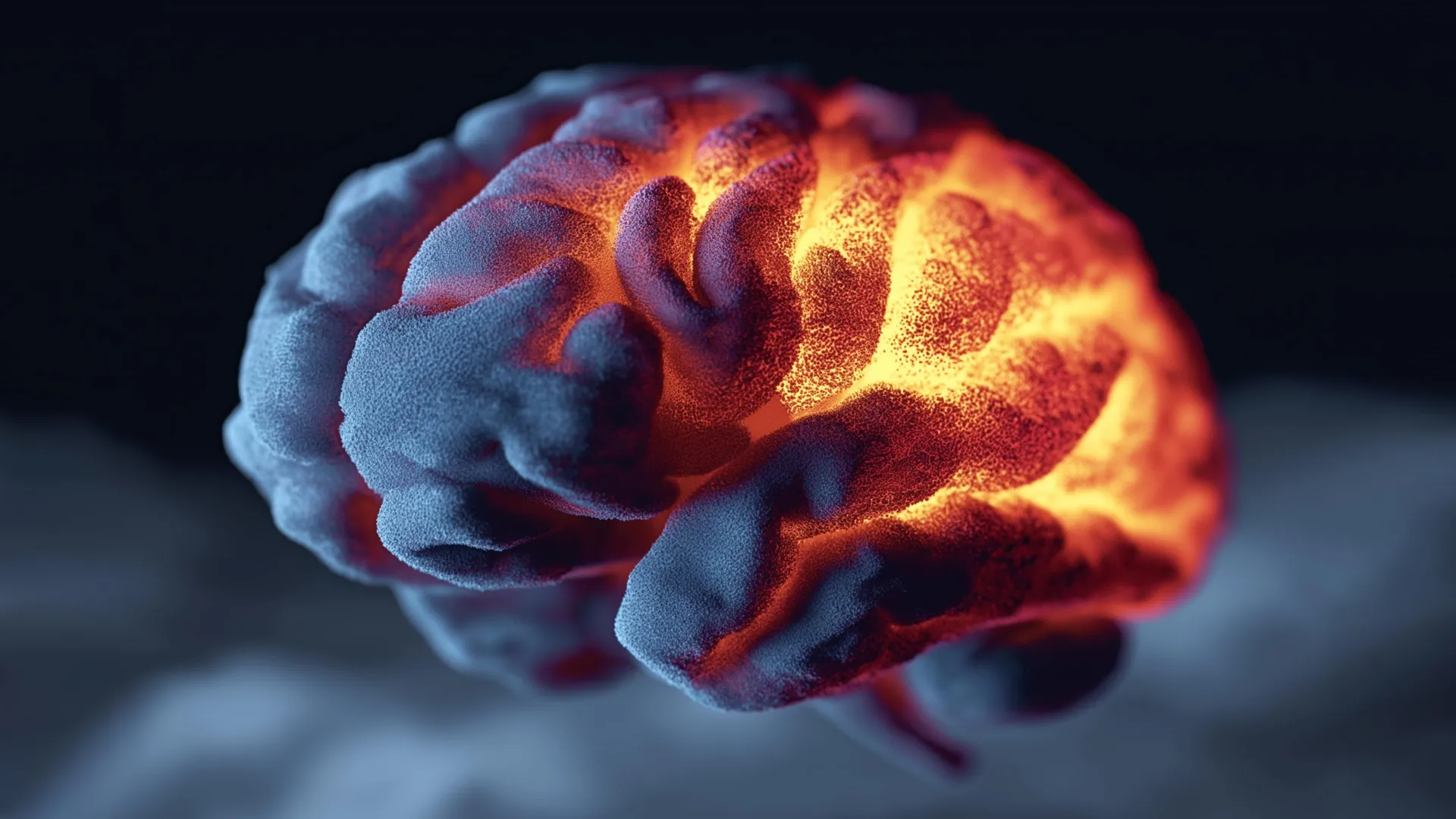
That part of the life science research community focused on better understanding and treating the panoply of age-related neurodegenerative conditions is increasingly focused on chronic inflammation in the brain. Aging, and neurodegenerative disease, is characterized by excessive, unresolved inflammatory signaling in brain tissue. A sizable focus is given to increased inflammatory behavior in microglia, for example, and how these innate immune cells of the central nervous system might be adjusted to reduce this problem. But much of the ongoing portfolio of fundamental research seeks to understand how the underlying biochemistry of aging gives rise to a state of chronic inflammatory signaling in various cell populations in the brain, including microglia, but not only microglia.
The authors of today's open access paper review review a topic of increasing interest in this context, the maladative overactivation of cGAS-STING signaling in aged brain cells. This is actually a global phenomenon throughout the body, so much of what is said here applies to other tissues as well. STING is a central hub in the regulation of inflammatory signaling, and is activated by a range of sensor proteins that react to various different circumstances in the cell. cGAS detects double-stranded DNA in the cytosol of the cell, where no double-stranded DNA should exist. This is an evolved defense against invasive pathogens such as bacteria and viruses, but it is is also triggered in a cell that has become dysfunctional enough to allow leakage of DNA fragments from the nucleus or mitochondria.