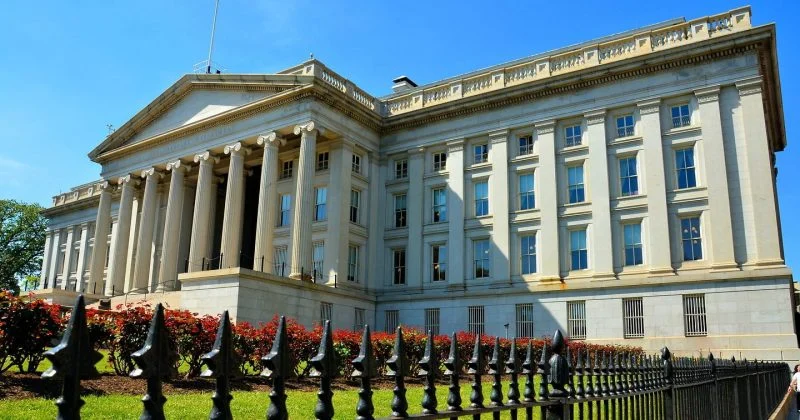
The US Treasury bought back $2 billion worth of older government bonds on August 11, selecting from 37 eligible issues out of a pool that attracted roughly $7 billion in total offers. That’s a 3.5x oversubscription rate, which tells you something about how eager holders of aging Treasury securities are to offload them back to Uncle Sam.
What the Treasury is actually doing here
The operation ran during a tight 20-minute window, from 1:40 to 2:00 p.m. ET, with settlement the following day on August 12. The $2 billion maximum purchase amount was set in advance as part of the Treasury’s quarterly planning process.
This buyback was part of a broader quarterly schedule released during the Treasury’s refunding announcements. For Q3 2026, the department has planned up to $38 billion in off-the-run securities purchases for liquidity support, with operations typically ranging from $2 billion to $4 billion per week across different maturity buckets.
An important distinction worth making: these buybacks don’t change the total amount of government debt outstanding. The Treasury is essentially swapping older, less liquid bonds for newer ones.