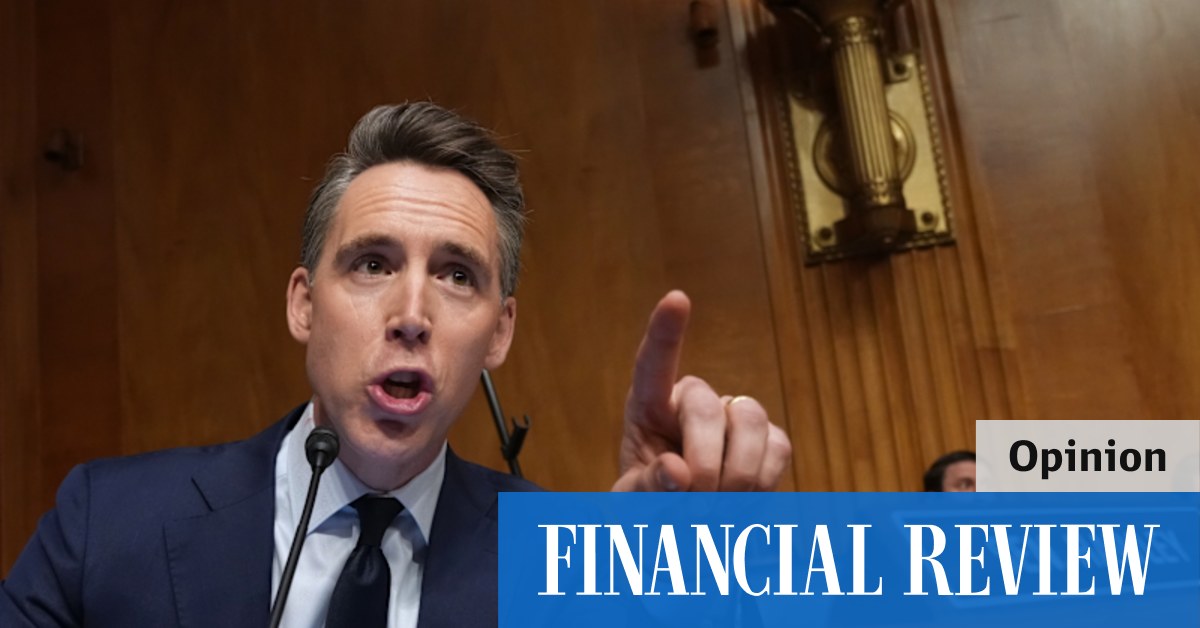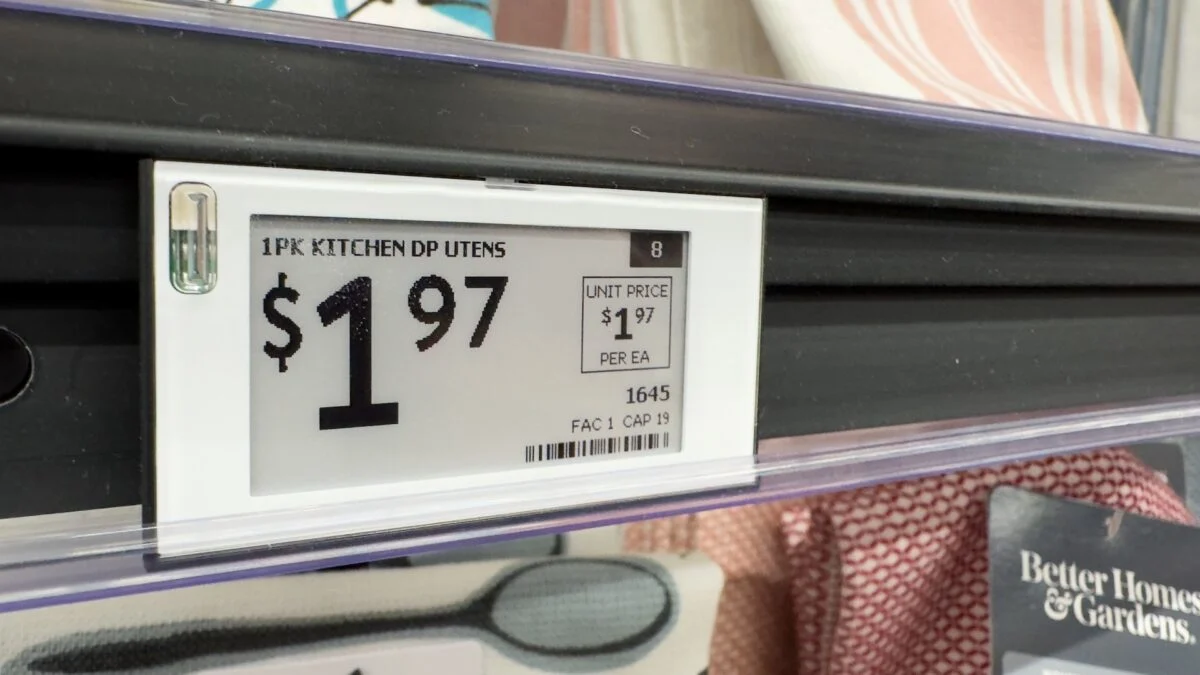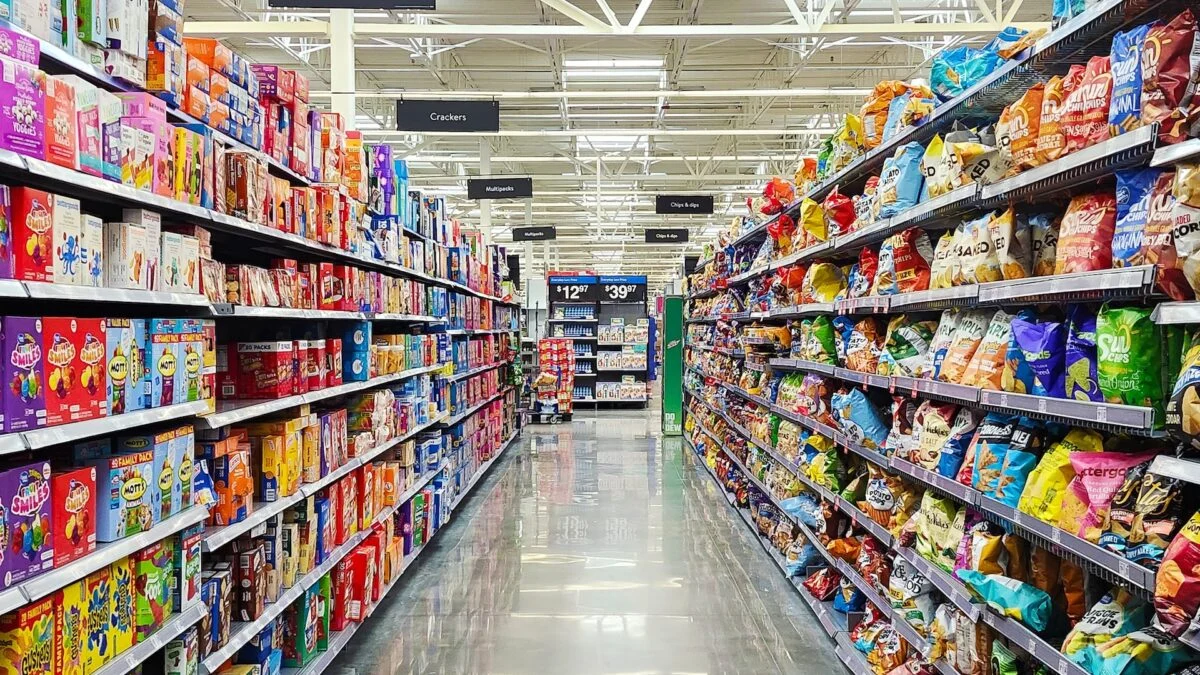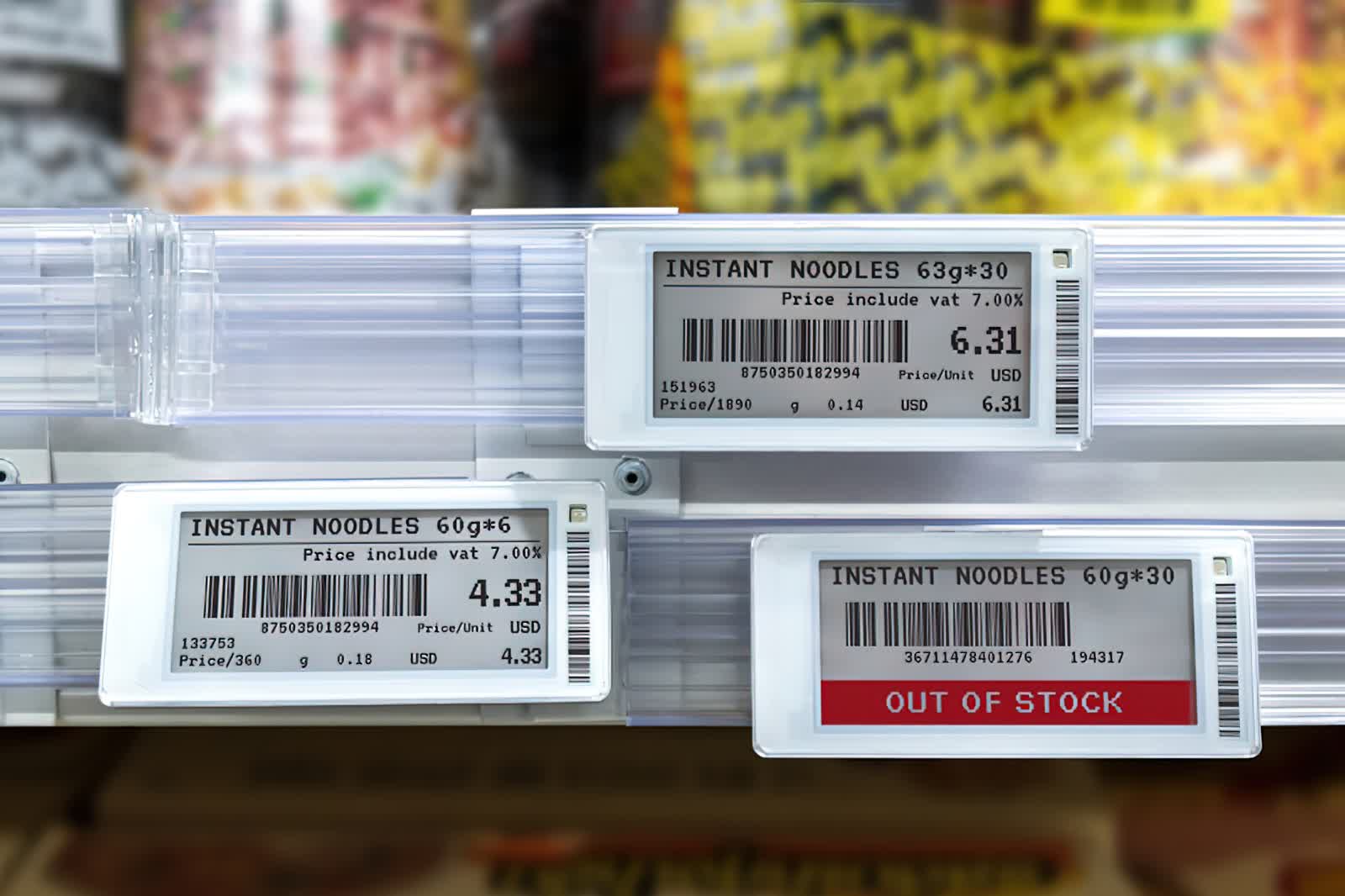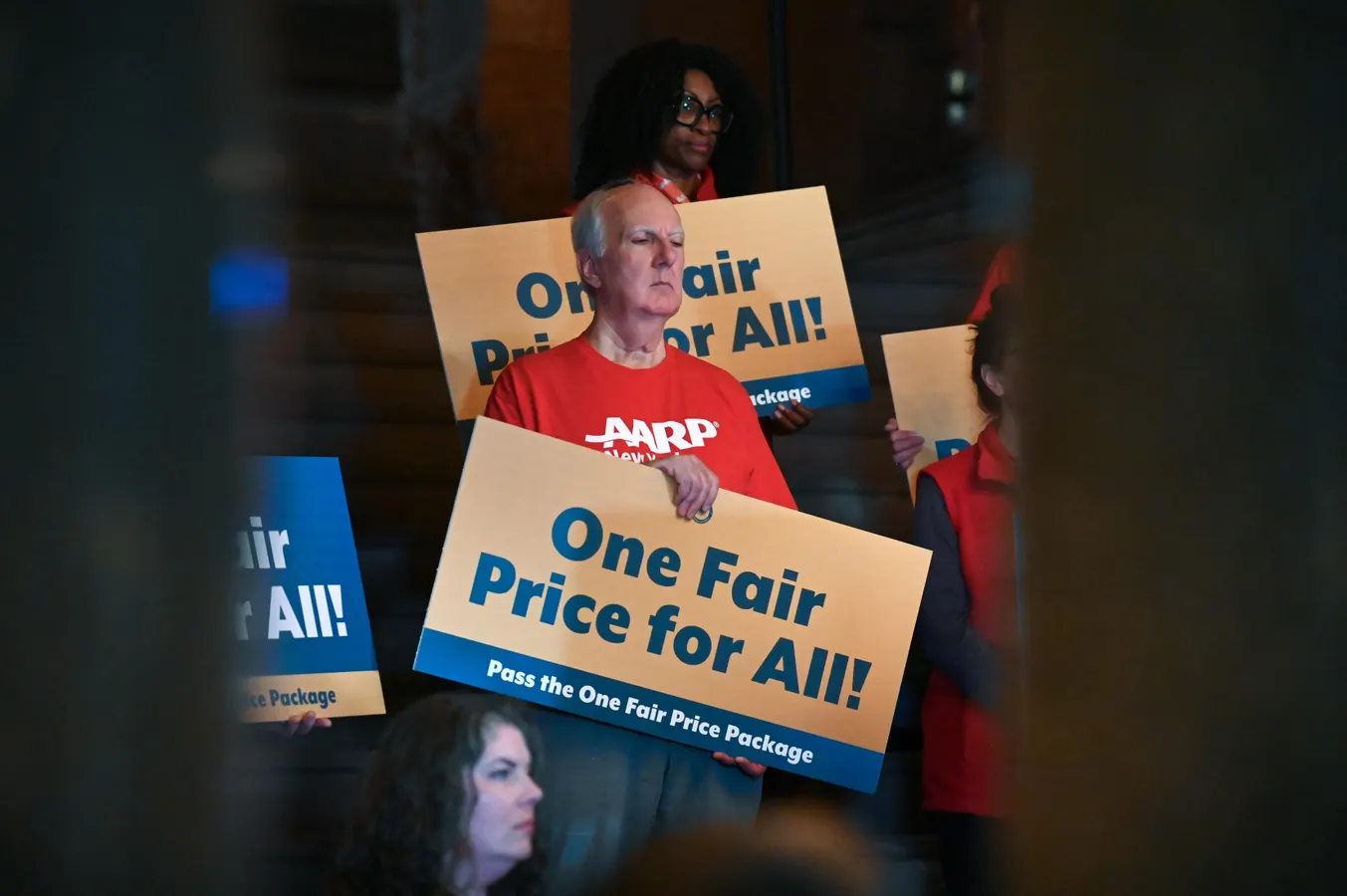
ALBANY, NY - MARCH 16: Consumer advocates with AARP join New York Attorney General Letitia James at a news conference on the state efforts to curtail surveillance pricing retail tactics on Monday, March 16, 2026, at the Capitol in Albany, N.Y. (Will Waldron/Albany Times Union via Getty Images)Albany Times Union via Getty ImagesThe Senate Judiciary Committee held a subcommittee meeting last week aimed at exposing what Chairman Josh Hawley described as “exploitative practices of AI surveillance pricing.”In his opening remarks, Hawley came out swinging with characteristic fervor. “AI surveillance pricing is the unholy trinity of everything Americans hate: spying on people, ripping them off, and taking away jobs,” he said, adding, “AI weaponizes your data against you for profit.” To which ranking member Dick Durbin offered a quiet amen from across the aisle. Among those who presented testimony at the hearing was Lindsay Owens, Groundwork Collaborative and author of the soon-to-be-released book, Gouged: The End of a Fair Price–and What That Means for Your Wallet; Robert Hedges, Former Chief Data Officer at Visa and Digital Fellow at MIT; and Hillary Caron of United Food and Commercial Workers International Union. In his introduction, Hawley detailed how Kroger earned over $500 million last year selling loyalty customer data to other companies and that Delta Airlines is partnering with AI surveillance pricing firm Fetcher, which stated “that it’s time for the airlines to enter an exploitation phase of AI technology.” Hawley also leveled off against what he called digital shelf labels—more widely termed electronic shelf labels in the industry—as a net destroyer of retail jobs because prices can be changed instantly with no human hands required to swap out printed labels. He also warned they could be used as a means of surveillance pricing too.Citing ways that airlines could potentially use surveillance pricing algorithms to charge customers different prices on the same flight for seats next to each other, Hawley cautioned, “It’s going to be the grocery stores and everybody else until we figure out how to bring transparency, how to bring honesty and some protections for the American consumer.”ESLs Buried Under Surveillance Pricing HeadlineThroughout the hearing, different concepts—such as algorithms, dynamic pricing, surge pricing, AI-powered pricing—and applications were testified to under the overarching debate about surveillance pricing. In the simplest terms, surveillance pricing was defined by Dr. Owens as “what happens when corporations charge different prices for the same item based on your personal information.” She asserted this practice violates the foundational principle of American consumerism that “every customer would be charged the same price for the same item.”Going against the grain, University of Pennsylvania marketing professor Z. John Zhang testified that the potentially prejudicial term “surveillance pricing” should be replaced by the more neutral, even positive sounding term “personalize pricing.” He even touted its benefits: “It is a critical competitive pricing tool in the modern age of information-intensive marketing. It can benefit firms, consumers, or at minimum lower-income consumers, and society when done properly.”Besides ESLs being mentioned in Hawley’s opening remarks and brief references during other testimonies, only UFCW’s general policy counsel Caron went into any detail about the subject. Stating that the UFCW represents 1.2 million workers across the food industry supply chain, including 800,000 grocery workers, she pointed to ESLs as the means retailers perpetuate predatory pricing. “ESLs are the technology that allows surveillance pricing, dynamic pricing, surge pricing, and a whole range of predatory practices to migrate from apps and online into the brick-and-mortar stores,” she testified. Caron correctly stated, “On their own, ESLs are merely a piece of hardware to display prices.” Yet, she added, “The problem is that they’re not used on their own. They’re connected to stores’ inventory systems, point of sale systems, and pricing systems, which use consumer data and AI to set prices in a way that maximizes profit.”Confusion Rather Than ClarityThere appears to be consensus among the subcommittee members concerning surveillance pricing, as Senator Mike Blumenthal said, “You can sense a bipartisan feeling of urgency around this topic, particularly among members of this subcommittee.” However, he also acknowledged there is confusion around the differences between “dynamic pricing”—price changes affected by market-based changes, such as surge pricing common in hospitality, airlines and ride-sharing services that are generally considered lawful—and “surveillance pricing,” based upon specific characteristics and/or behaviors of the consumer. Regarding those distinctions, he remarked, “For the consumer who sees prices rising, they don’t care.” Given the confusion among the committee members, it’s no surprise that consumers are equally—if not more—confused. According to a survey among 1,000 American voters conducted by GBAO Strategies and sponsored by UFCW, an overwhelming 65% believe replacing paper price tags with digital ones will make groceries more expensive, while 24% said prices will stay the same. But in a follow-up question about proposed legislation, the survey bundles the two very different issues together: banning surveillance pricing—using personal data to set prices for individual customers—and banning ESLs. The result is a distorted data point. Nearly 70% said they support bans against both, as if surveillance pricing and ESLs are the same thing. They are not.NRF Missing From The HearingThe one organization with potentially the biggest stakes in the outcome of the proceeding—the National Retail Federation—was conspicuous in its absence, though it submitted a five-page written statement. Hopefully, the legislators will read and digest it, since as the NRF authoritatively states, retail is the nation’s largest private-sector employer and added, “No other industry or organization is closer to the consumer than retail.”The NRF brought clarity to the proceedings, stressing that, “It is highly misleading to compare dynamic pricing practices in retail to other sectors like ride shares or airlines, industries with far fewer competitors and vastly different business models.”The NRF also challenged the notion that data-driven or algorithmic pricing is used to increase profitability through price maximization. “Unlike industries with a small number of competitors, nearly every retailer seeks to maximize revenues by selling more products at lower prices, rather than selling fewer items at higher prices.” It added, “Data-driven discounts are tools retailers use to extend savings to more customers, more often.” The NRF also called on the Senate to continue to support innovation in the retail industry—composed of 600,000 retailers and employing 55 million Americans across the extended retail ecosystem. The NRF explained ESLs are a technology innovation that clearly and accurately display prices in real-time. And more importantly, they are an efficiency tool, freeing store staff from manually swapping out paper labels so they can get on with more important, customer-facing tasks. The NRF also submitted that ESLs improve pricing accuracy in order to comply with existing federal and state laws governing truth in advertising and pricing displays.“Thirty years ago, retailers have to organize, print, check for accuracy and deploy stickers and paper signs for hundreds of thousands of products in a store,” it said. “Today, they can use inventory management software and electronic shelf labels to quickly and accurately update prices with the click of a button.”Remember Barcodes?As legislators and regulators face off against the potentially prejudicial practice of surveillance pricing, it’s essential to separate it from the technological innovation of ESLs. ESLs don’t have video cameras or other sensors to gather consumer data or change prices on the spot. Rather, they streamline retail operations and by extension, better serve the customer. It’s worth recalling back in the 1970s and 1980s when Universal Product Codes began replacing paper price tags. At the time, barcodes and the scanners that read them promised to move checkout lines faster, improve inventory tracking and reduce retailers’ operating costs. Consumers were uncertain about the technology and consumer advocacy groups raised alarms, warning about price transparency. The UFCW strongly opposed the move, arguing it threatened retail cashier, stockroom and warehouse jobs. Congressional hearings were held and legislation proposed to require physical price tags on products alongside scanning technology. Yet, by the late 1980s, the barcode scanning technology was widely adopted and with exposure, consumers came to see the benefits of the system. As promised, the checkout line did indeed move faster, and customers valued the more detailed printed receipts they received at the end. In effect, the technology introduced greater pricing transparency, not less. And none of the threatened retail job losses materialized either. On the contrary, direct retail employment more than doubled by the end of the century, growing from 7.4 million in 1970 to 15.4 million. Ironically, that employment number has largely flatlined since then and currently stands at 15.4 million as of July.Don’t Hold Back Retail Technology AdvancementThe NRF concluded: “As the Subcommittee continues its examination into pricing practices, we urge the Senate not to stifle innovation that sustains a viable retail sector and helps keep prices as low as possible. “Moreover, we also urge policymakers to remember that the basic incentives in a truly competitive market like retail align very closely with the interests of our customers. Retailers are in the business of building customer trust and loyalty and utilizing data to serve customers better.”It’s unfortunate that the NRF wasn’t able to present its case in person. ESLs got swept up into the broader debate about surveillance pricing when they should have been treated separately. Electronic shelf labels are simply a technology innovation—one that improves retail operations and ultimately can serve the customers, just as barcodes did 50 years ago. At this moment, the important thing the NRF and other industry advocates can do is make the distinction clear: ESLs and surveillance pricing are not the same thing. Unless policymakers understand the difference, the risk is that laws will be written that treat them as if they were.See Also:ForbesWalmart Caught In ESL Controversy As Legislators Move Against Digital Shelf LabelsBy Pamela N. DanzigerForbesAlgorithmic And Surveillance Pricing Pushes Retail Into Legal MinefieldBy Pamela N. Danziger
Retailers Must Separate ESLs From Surveillance Pricing As Federal Pressure Mounts
As legislators consider bans on surveillance pricing, electronic shelf labels are caught in the controversy, despite having nothing to do with personalized pricing.
1,626 words~7 min read