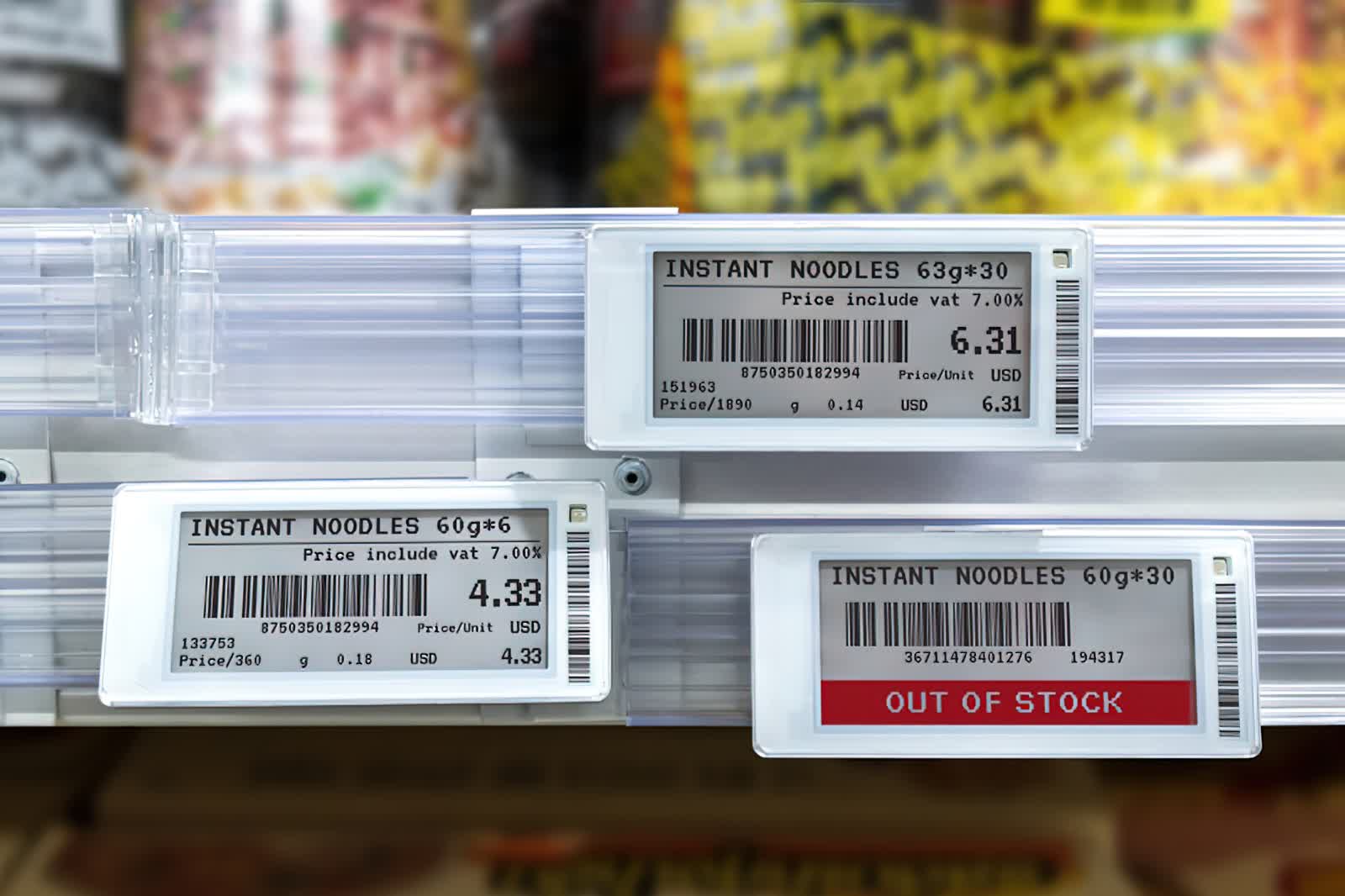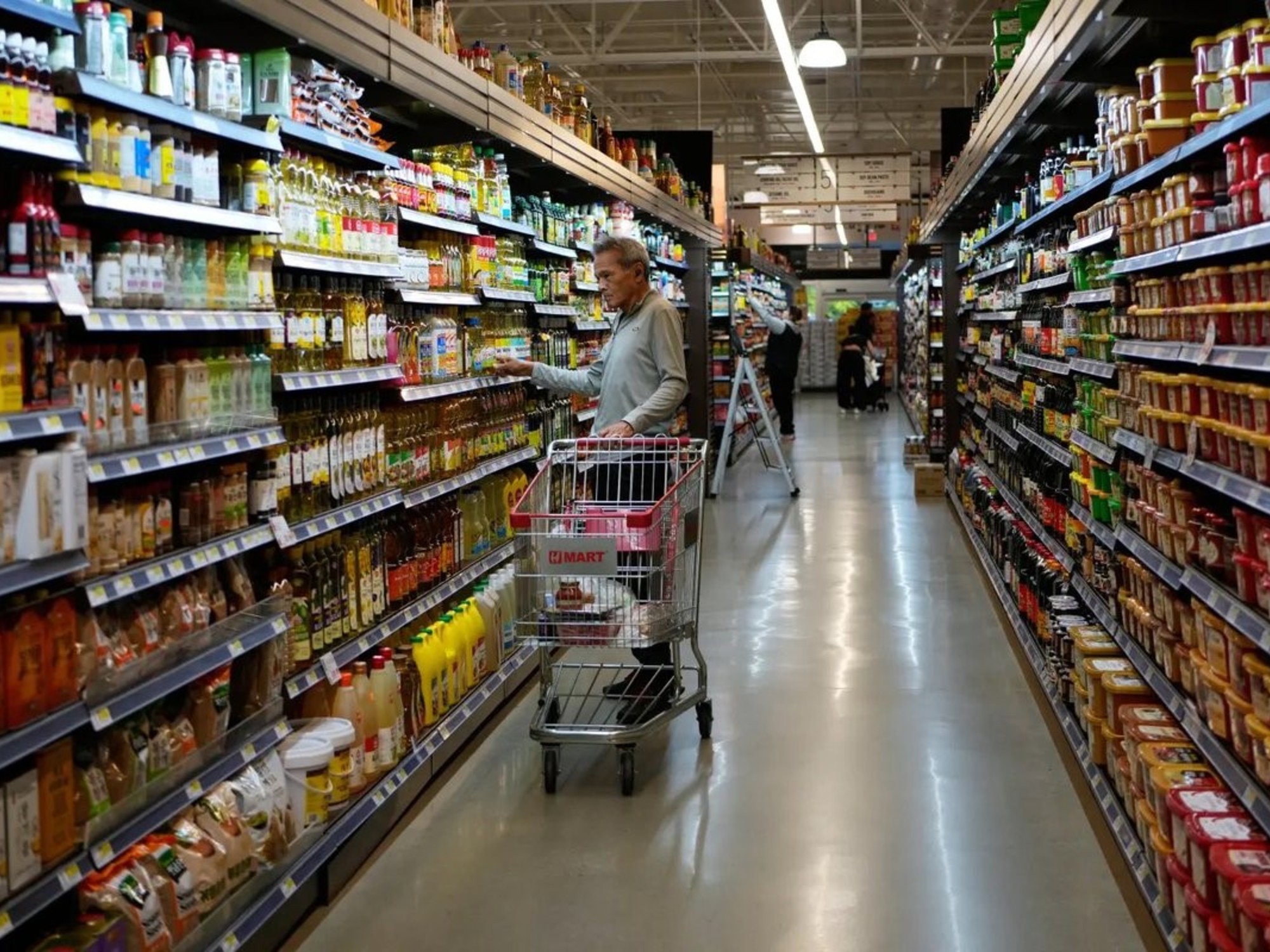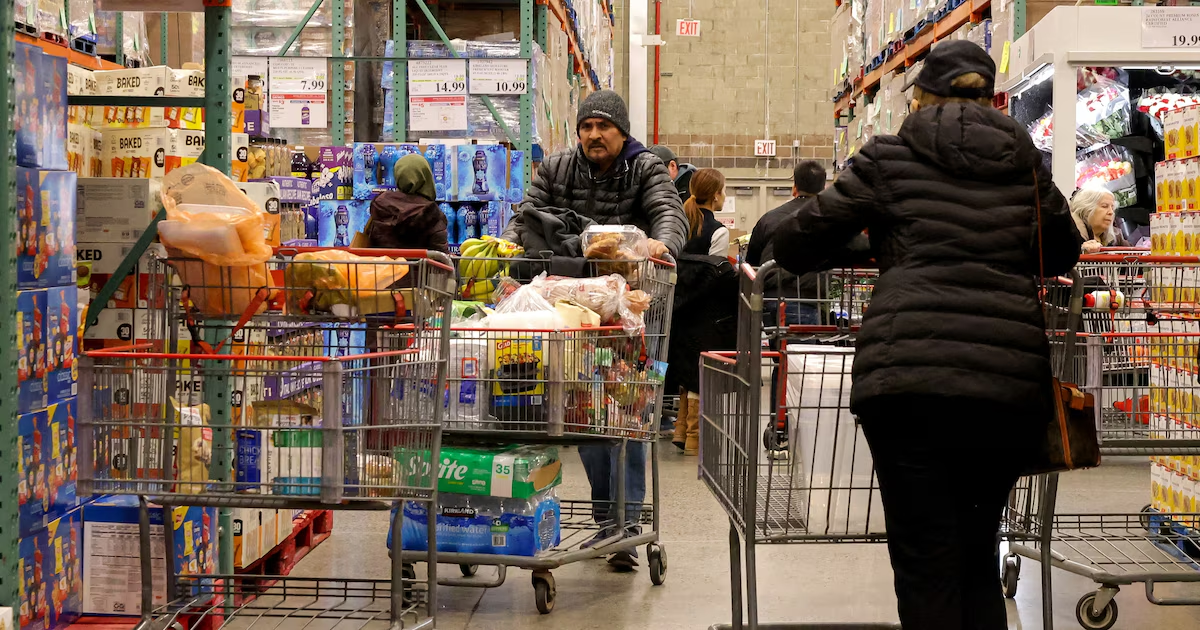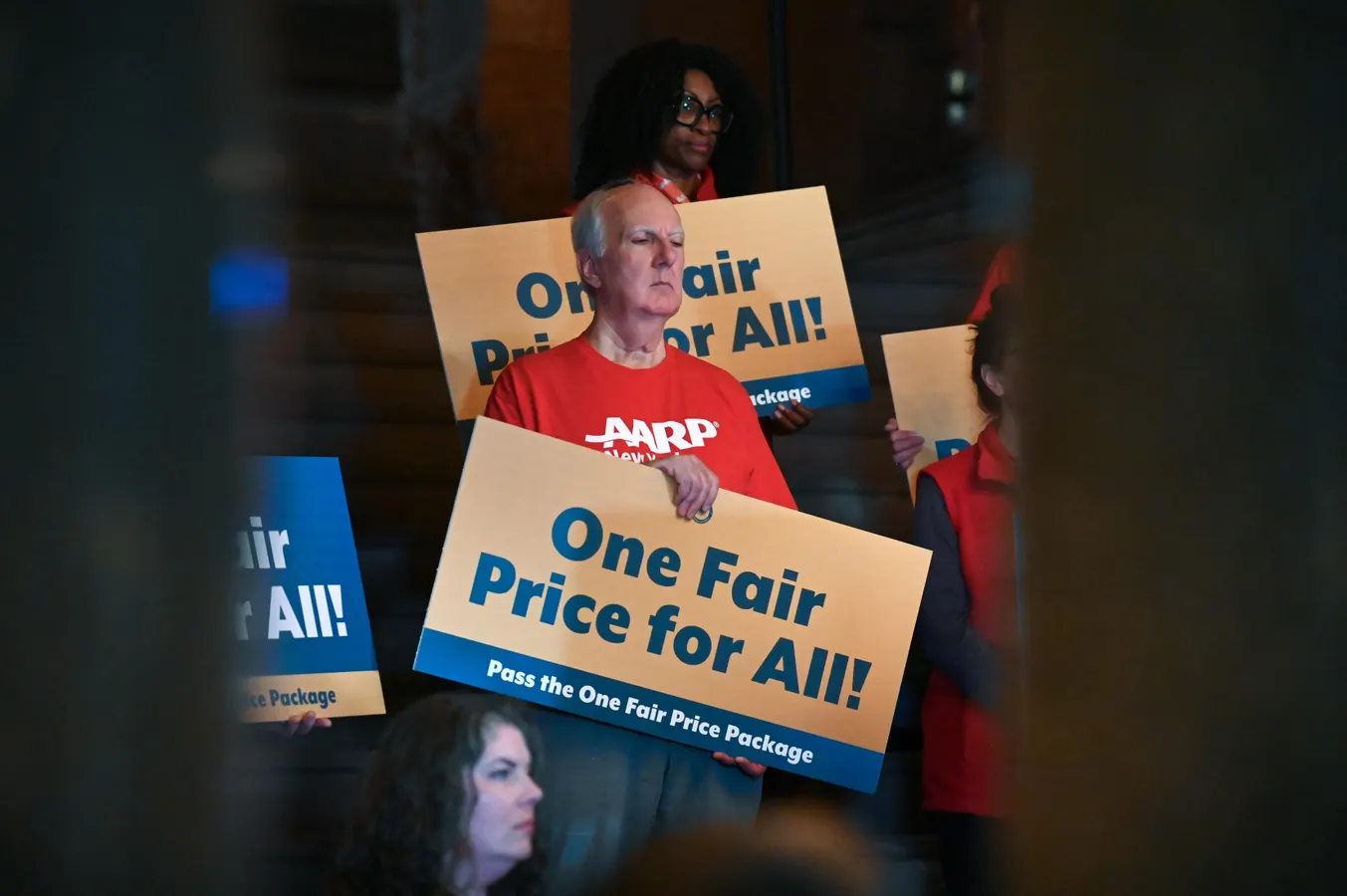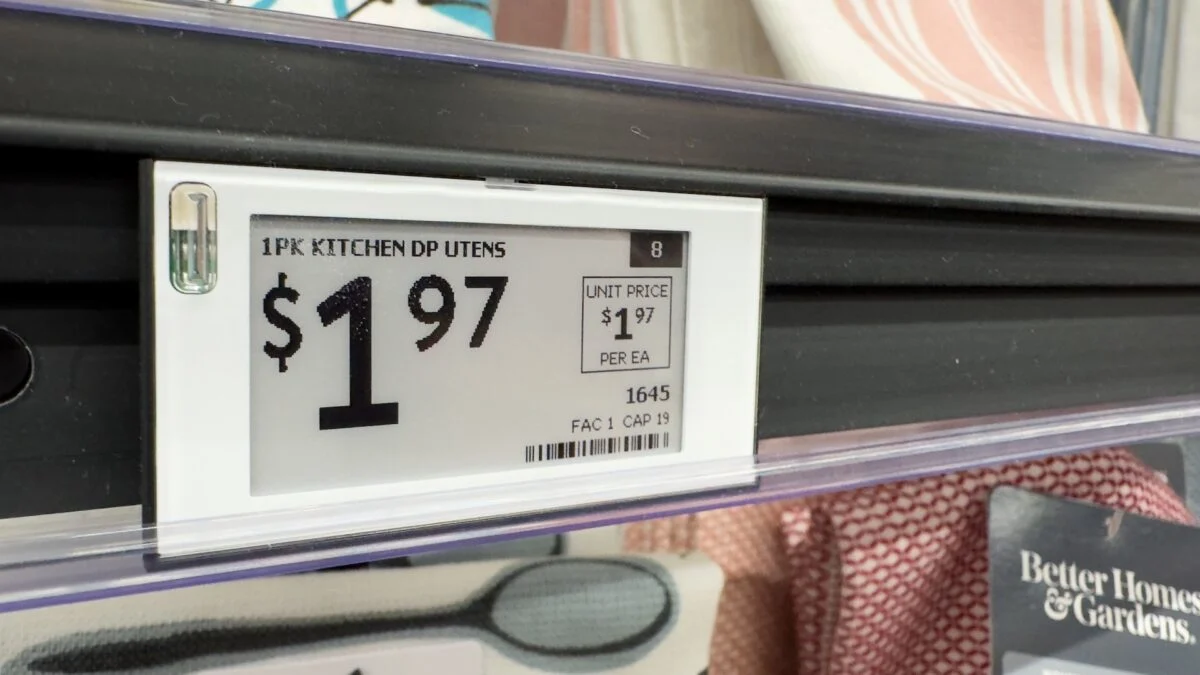
A whopping 68% of Americans say they worry about surveillance pricing increasing the cost of goods, while just 5% believe it will lead to lower prices, according to a new survey from GBAO Strategies distributed by the United Food and Commercial Workers International Union. Twenty percent say it will likely just keep prices the same. The new survey is part of the UFCW’s “Affordable Groceries and Good Jobs Campaign,” an effort to encourage states to pass laws banning surveillance pricing and electronic shelf labels (ESLs), the increasingly common price tags that some activists worry allow companies to rapidly change prices in stores several times per day. The concern includes obvious dynamic pricing models, like increasing the cost of cold beverages when it gets hot outside, but also involves more sophisticated and as-yet theoretical examples like increasing the cost of food staples when a customer’s data is analyzed in store and it’s determined they’re willing to pay more.
Fifty-eight percent of Americans in the survey say digital price tags would make them less likely to shop in a store, with 35% saying it would make no difference, and 3% saying it would make them more likely to shop there. Sixty-seven percent are in favor of banning ESLs outright, according to the new survey.