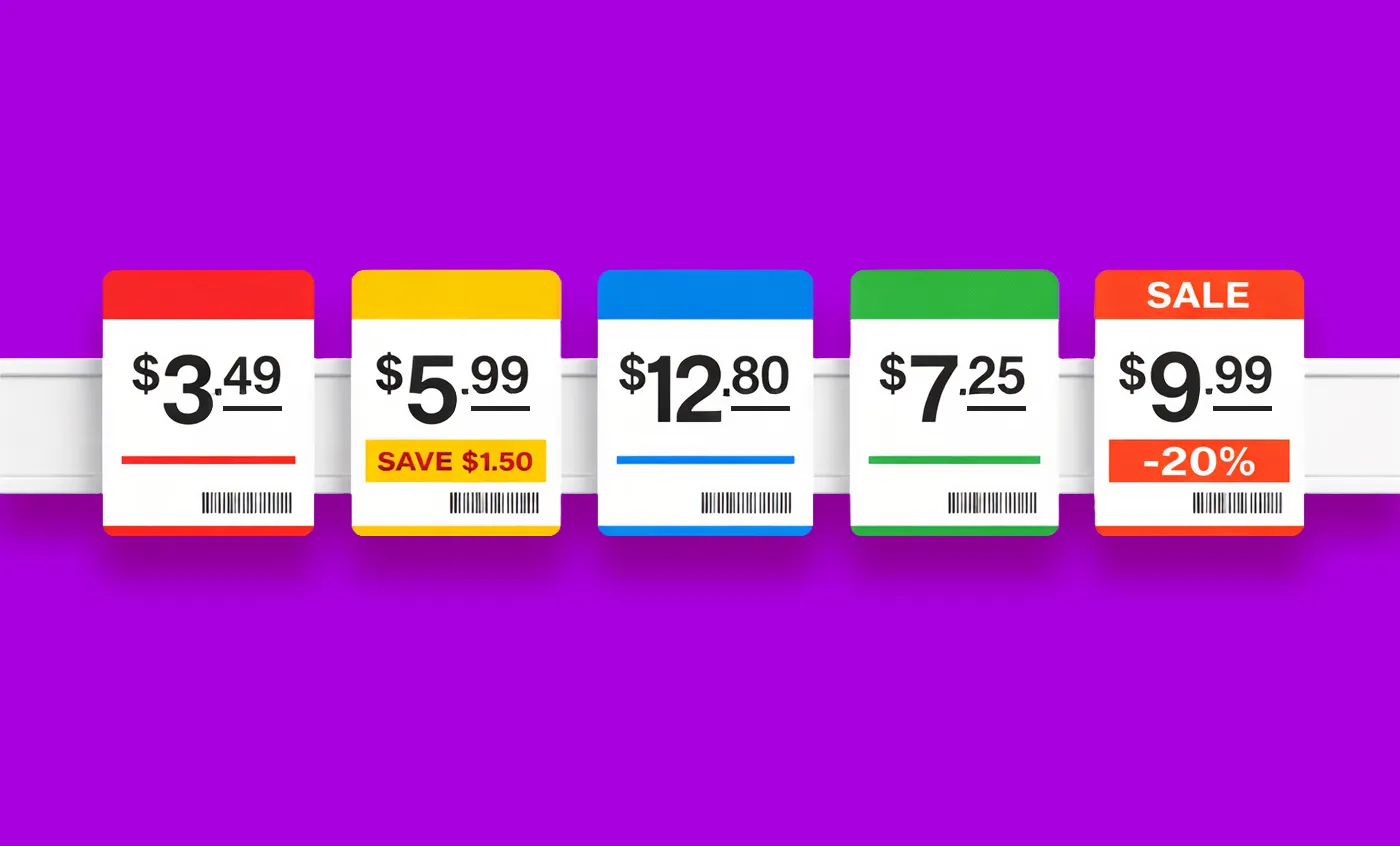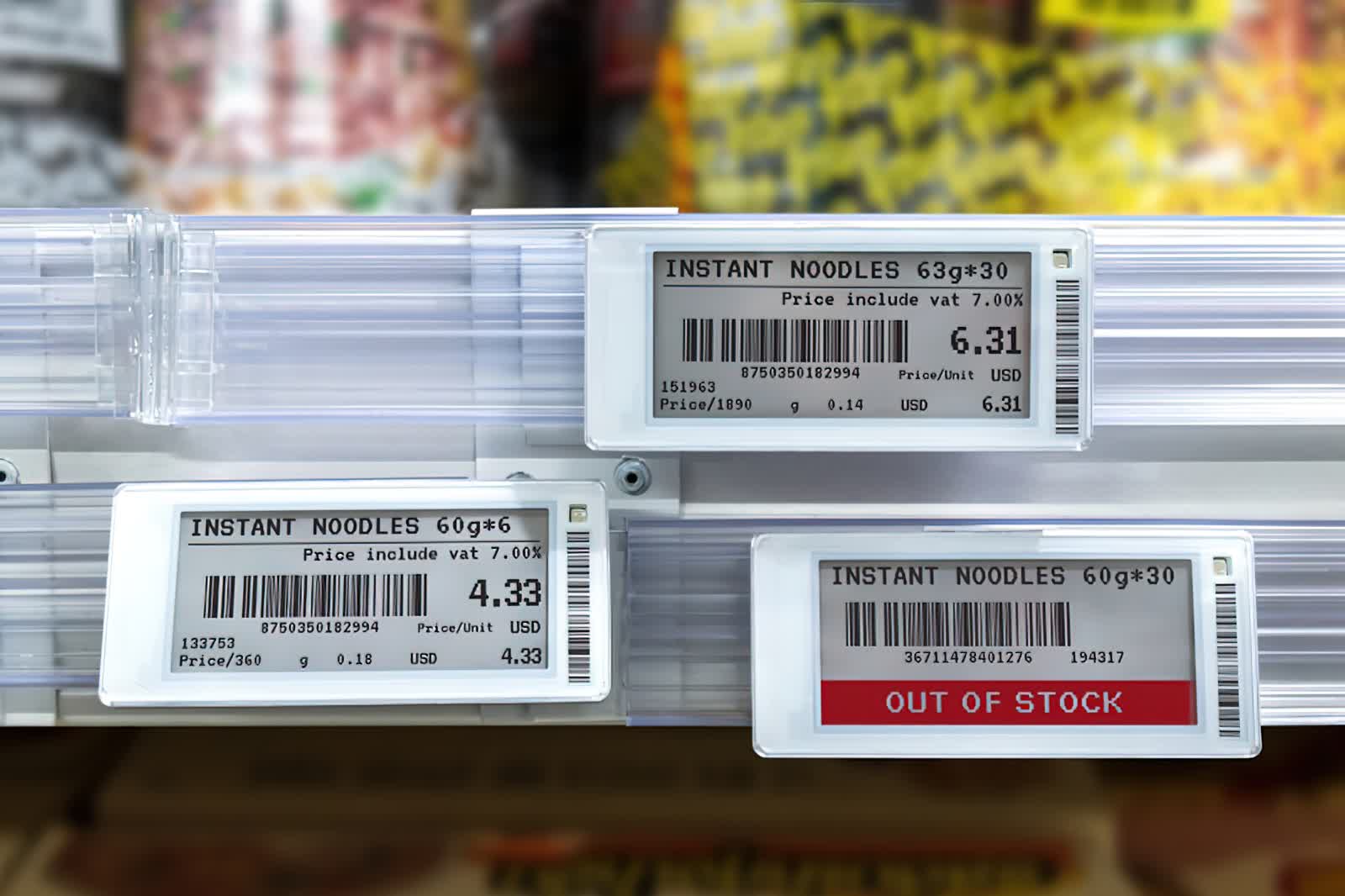
A HOT POTATO: Do you think surveillance pricing and electronic shelf labels (ESLs) are a good idea? Probably not, and 67% of Americans feel the same way, believing that the technologies should be banned in grocery stores. The big fear, of course, is that they will increase the cost of goods.
According to a new survey from GBAO Strategies distributed by the United Food and Commercial Workers International Union, 65% of American voters think ESLs will cause grocery prices to increase, while 68% think surveillance pricing will have the same result.
The survey also found that 20% of participants believe surveillance pricing will keep grocery prices the same. There's even a 5% group that optimistically think it will make them go down.
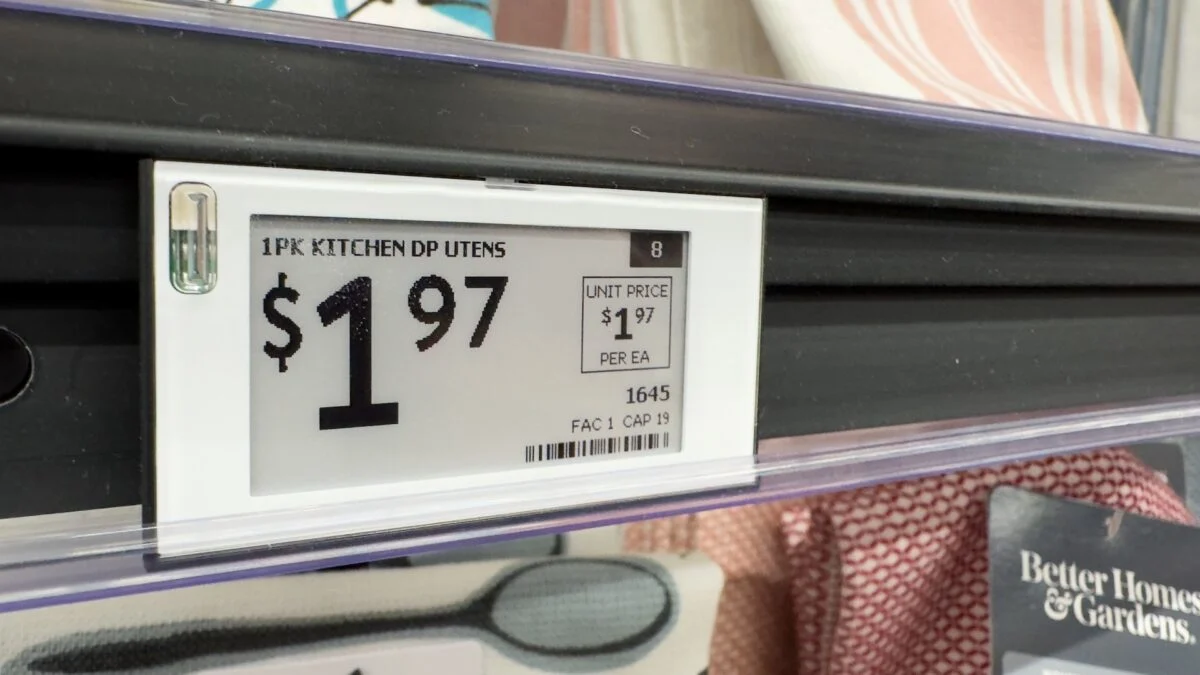
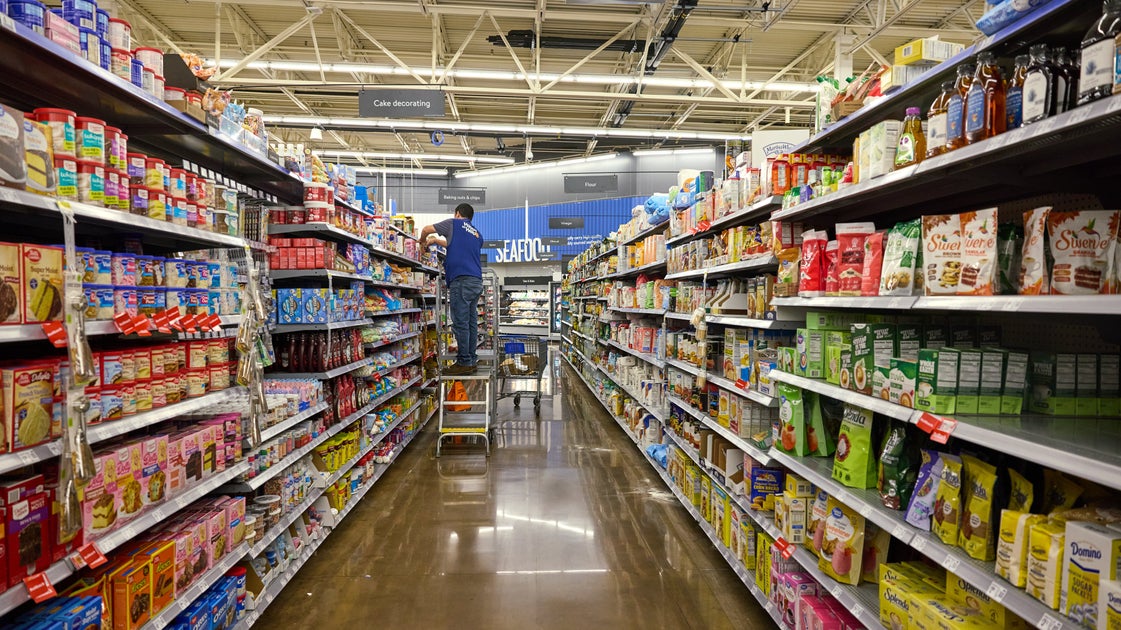
ESLs, or digital shelf labels, as they're often called, are finding their way into more retail stores despite public pushback. About 2,300 Walmart stores use them, with a rollout to all US stores planned by the end of 2026, though the company insists they will not be used to increase prices and a human must be part of the process when prices do change.
Walmart also found itself under the spotlight recently when it secured two US patents this year covering automated markdowns and machine learning-based demand forecasting, raising concerns over dynamic pricing.