To learn more about the CNBC CFO Council, visit cnbccouncils.com/cfo
As the technological and digital landscape has transformed American retail, there have been some areas of life that have remained unchanged. The grocery store aisle, for instance, looks largely the same as it did 50 years ago. Sure, price stickers on the product have been replaced by bar codes, but otherwise the aisle looks largely the same. But the biggest change since the bar code is hitting in the shelf space that matters most to the pocketbook.
Walmart
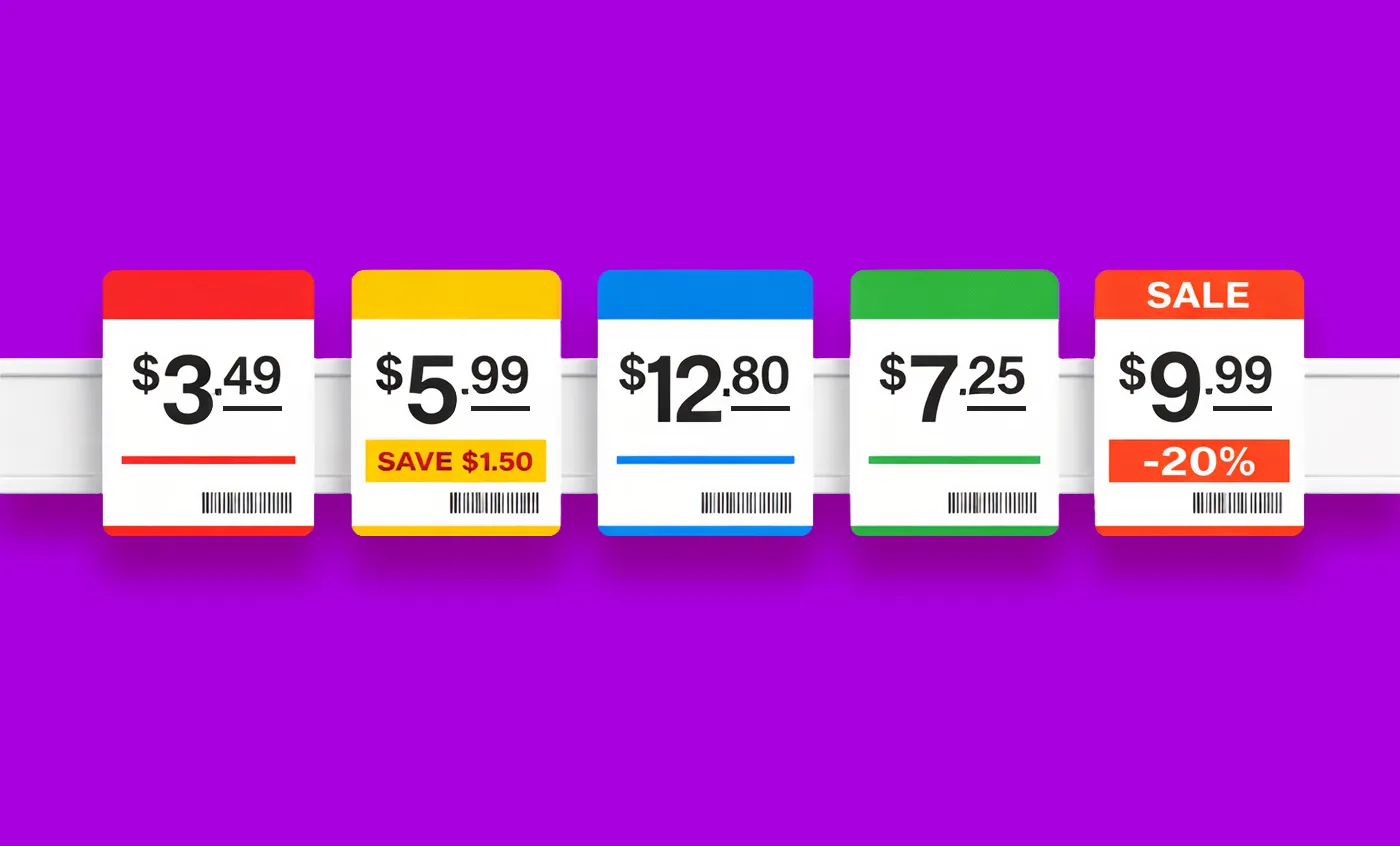
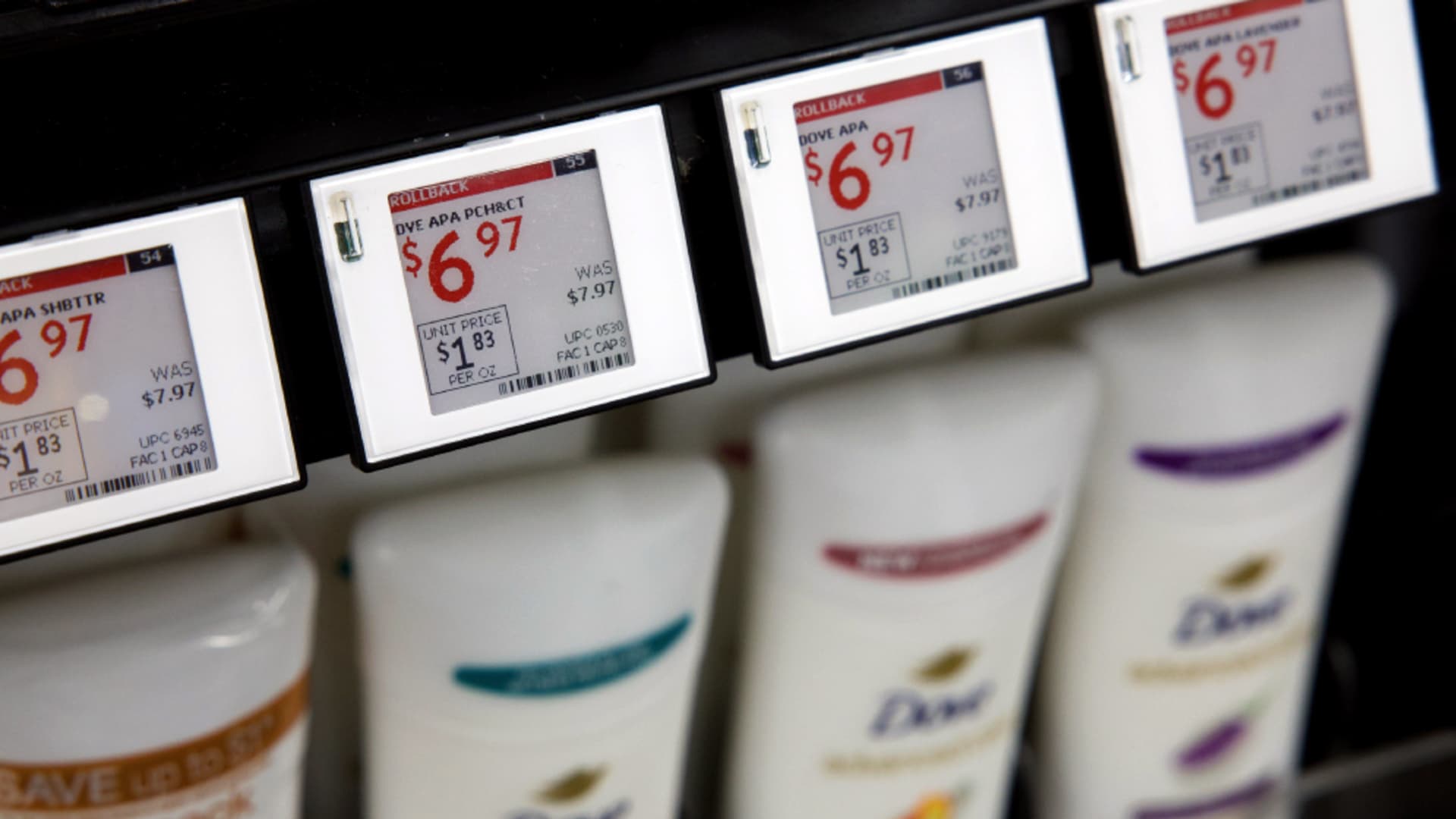
is currently rolling out digital price tags to replace the old paper ones — the plan is to roll them out in all stores across the U.S. by the end of the year. Walmart isn’t alone. Grocery giant Kroger
has also begun experimenting with the technology. The speed of digital tags offers stores the promise of extra efficiency in an age of supply chain shocks and sticky inflation, but it is also drawing some concerns from lawmakers about surge pricing.