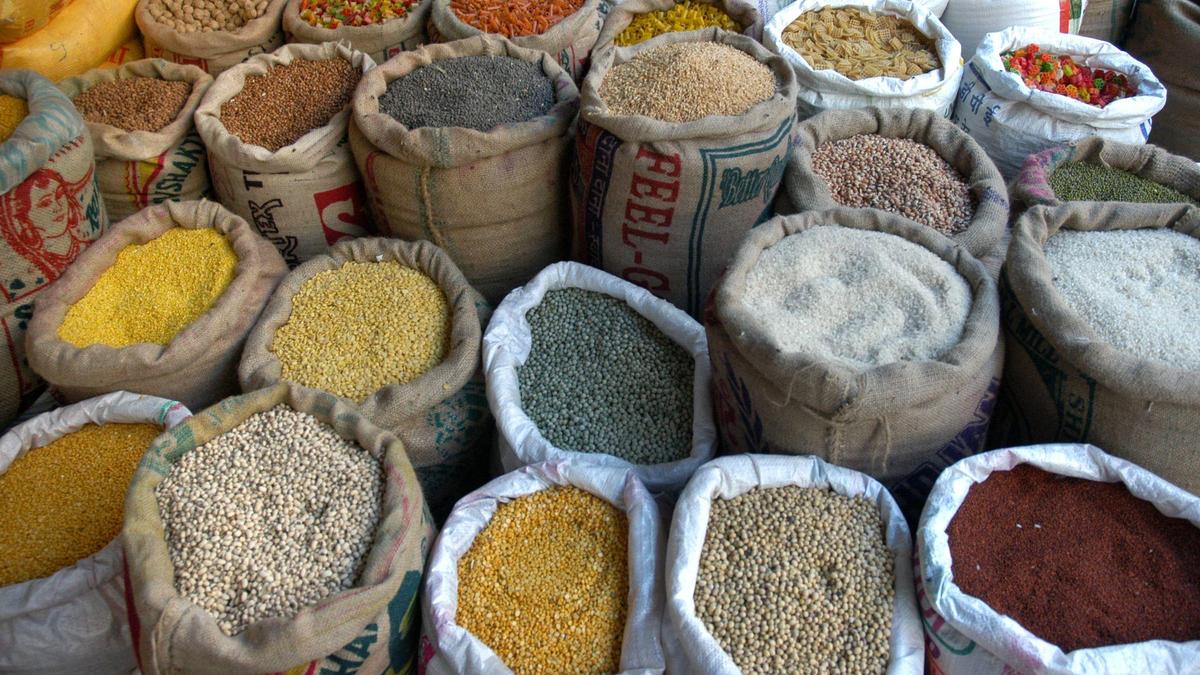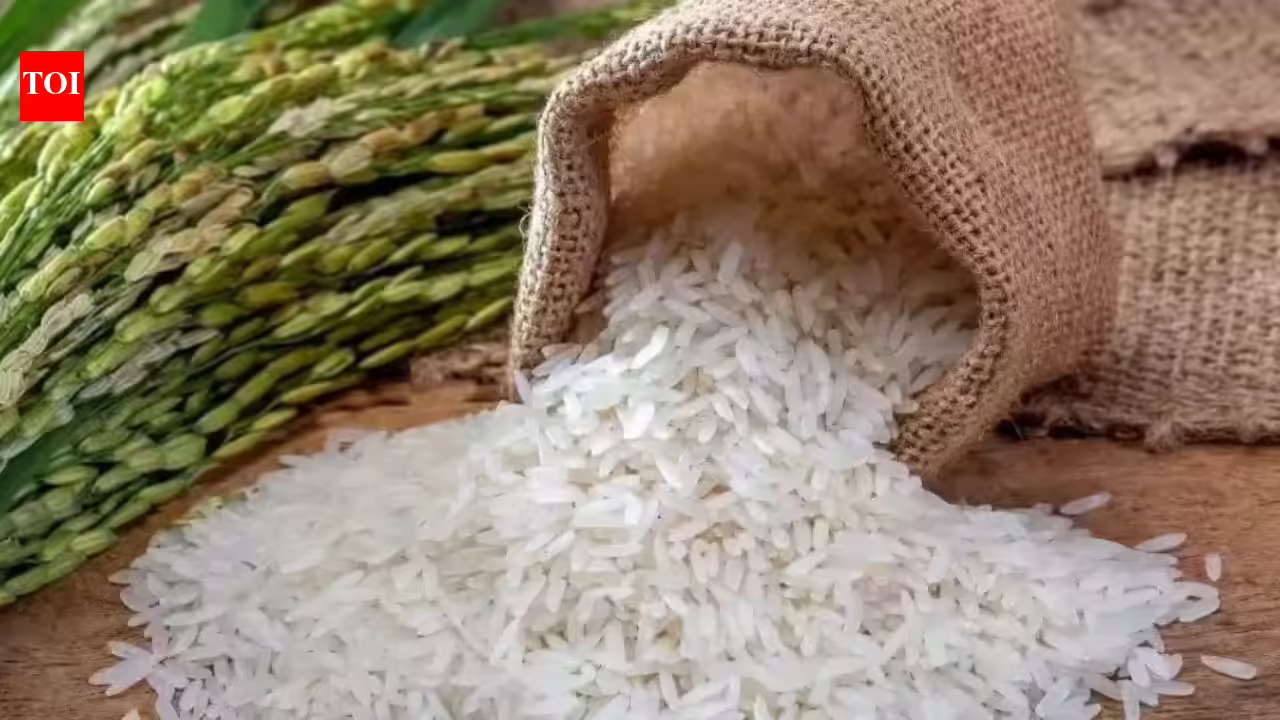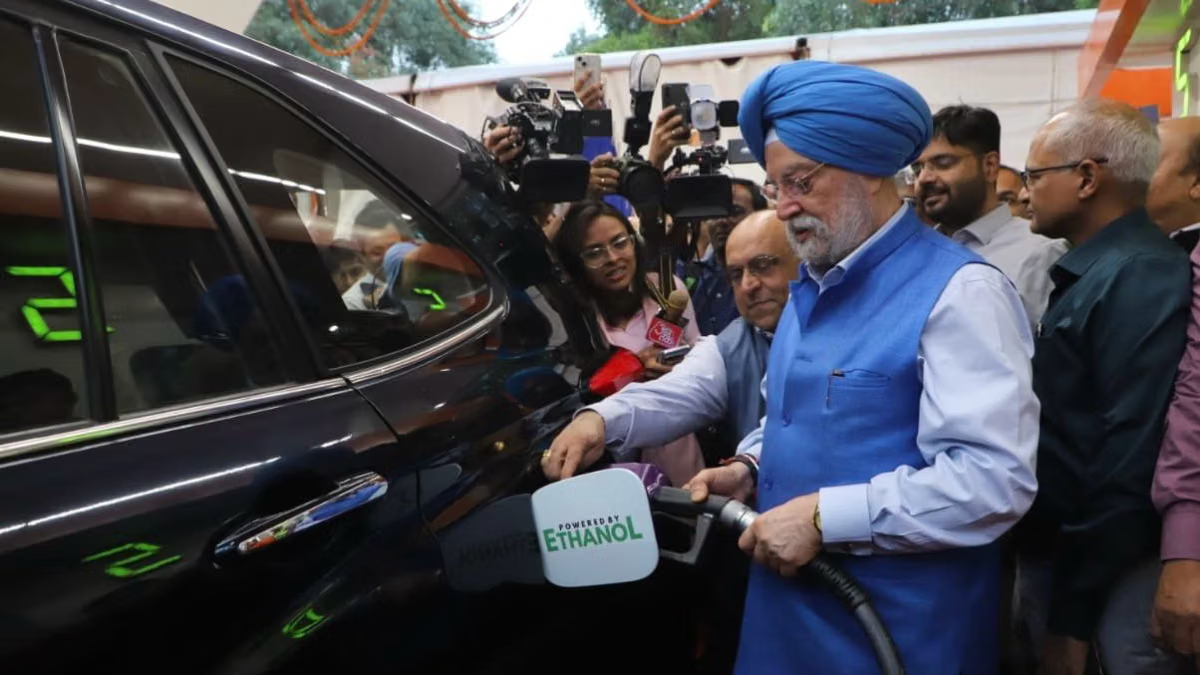
The problems in India’s food security system are becoming hard to ignore. In Madhya Pradesh, recent investigations found large-scale issues in the Public Distribution System (PDS) supply chain.Officials are reportedly diverting subsidised grain intended for the State’s poorest residents to commercial buyers. Initial estimates suggest this diversion could amount to thousands of tonnes every year, although the full scope of the scheme is still unclear. In August 2026, Delhi AAP leader Saurabh Bharadwaj claimed diversion of subsidised rice, worth ₹143 crore a week, from the Food Corporation of India to a private company in Haryana, through a corporation based in Assam.Delhi is not alone in this issue. In Punjab, which has the highest per capita rice procurement, PDS irregularities have been well documented. Between 2020 and 2024, the Punjab Vigilance Bureau reported numerous cases of fake ration cards and diverted subsidised grain. In Uttar Pradesh, the State with the largest number of ration consumers, the Comptroller and Auditor General noted serious discrepancies in distribution records, with over 12 lakh tonnes of grain unaccounted for in one year.West Bengal, another key PDS State, has faced ongoing complaints about ration shops closing or selling grain to open-market dealers at higher prices. Regardless of whether every allegation is proved, a pattern is evident. The food security system, intended to support both producers and consumers, is being systematically undermined, not just through neglect, but through active diversion benefiting middlemen, corporations, and even ethanol distilleries.From plate to petrol tankThe most significant diversion involves ethanol production. The government’s Ethanol Blended Petrol Programme has grown rapidly, but this comes at a serious cost to food security. The scale of diversion is staggering. According to a statement issued by the Centre late last month, in the Ethanol Supply Year 2025-26, FCI rice made up 24.64 per cent of the total ethanol production, a dramatic increase from just 0.02 per cent the previous year. This means hundreds of thousands of tonnes of subsidised grain, purchased using taxpayer money, is now being burned in vehicle engines. Rice is increasingly substituting other non-grain-based feedstocks such as sugarcane and agricultural waste. According to ethanol industry estimates, two-thirds of ethanol feedstock is sourced from grain.The government argues that only “surplus foodgrains” are used, primarily “damaged grain, broken rice, and foodgrain unfit for human consumption.” The Minister of State for Consumer Affairs presented data in Parliament last month, which says that 44 lakh tonnes of FCI rice was used for ethanol production in ESY 2025-26 (as of June 2026), alongside roughly 68 lakh tonnes of maize. Last ESY 2024-25, year, 32 lakh tonnes of rice was used for ethanol production. In the case of maize 131 lakh tonnes were used. Rice availability for ethanol this ESY is likely to be of the order of 64 lakh tonnes, since the Centre allocated 52 lakh tonnes in ESY 2024-25, of which 32 lakh tonnes was used. This extra allocation could be creating scope for diversion.For example, the diversion of 11 lakh tonnes of FCI rice for ethanol could have supplied full 35 kg monthly rations to roughly 3.1 lakh Antyodaya families for an entire year. Instead, this grain fuels vehicles while low-income families face ration cuts. The government claims savings of over ₹1.97 lakh crore in foreign exchange by replacing 316 lakh tonnes of crude oil imports. During the Iran conflict, when crude oil prices hit $135 per barrel, the ethanol programme is supposed to have kept petrol prices below ₹125. Yet, these economic benefits come at the direct expense of nutritional security for India’s most vulnerable groups.The shrinking of PDS entitlementsAs grain is sent to distilleries, the government is simultaneously reducing rations through various methods, legal, administrative, and technological. The NFSA amendment would replace the flat 35 kg/household ration for Antyodaya families with 7 kg per person, capped at 35 kg. Households with 5+ members see no change, but smaller households lose 20-80 per cent of their ration — and per the 2023-24 Household Consumer Expenditure Survey, 53 per cent of AAY households fall into that smaller category. Net effect will be — no one gains, over half lose.Beyond rice and wheat, the government has slowly narrowed what the PDS provides. While the NFSA mandates only cereals, States like Tamil Nadu, Kerala, and Odisha historically supplied additional items — pulses, oil, and even spices — from their own budgets. These items have been progressively reduced. The Central Government has resisted including millets, pulses, or oilseeds in the main PDS line-up, despite their nutritional importance. India’s anaemia crisis, affecting 53.1 per cent of women and 40.2 per cent of children as per NFHS4, has yet to see any policy response aimed at broadening PDS offerings. The government claims this is for “efficiency”, but in rural and remote areas, closures mean beneficiaries must travel farther, often spending more on transport than they save through subsidised grain.Since 2020, States have cancelled 2.49 crore ration cards due to digitisation, e-KYC, and the “Mera Ration” app, officially to remove duplicates and improve targeting. This was stated in response to a Parliament question in December 2025. However, the reality is different: e-KYC failures disproportionately affect manual labourers with worn fingerprints, older citizens, and those in regions with poor internet access. Instead of enhancing services, technology has become a barrier for the most vulnerable — beneficiaries in Bihar, Jharkhand, and Chhattisgarh report similar issues.The government’s broadened open market sale of grain, aimed at controlling inflation, has introduced another diversion route. In 2024-25, FCI sold over 25 lakh tonnes of wheat in the open market (OMSS). While this helps stabilise prices, it also reduces buffer stocks available for PDS. Along with ethanol diversion and procurement shortfalls, the pressure on PDS allocations has increased.The government’s priorities have shifted. Energy independence and corporate profits are taking precedence over the basic right to food. Grain that should feed the poor is being rerouted to fuel vehicles. Legal rights are being diminished. The vulnerable are being digitally marginalised. The sharp rise in FCI’s share in ethanol feedstock in a single year symbolises this shift. As India pursues its strategic goals, it must remember that food is not just a commodity. Diverting grain to fuel cars while reducing nutritious rations for the poor represents a serious moral and policy failure.The writer is Assistant Professor in the Department of Economics, Dr Bhim Rao Ambedkar College, University of DelhiPublished on August 11, 2026
Major leaks in food security system
Grain that should feed the poor is being rerouted to fuel vehicles. Legal rights are being diminished. The vulnerable are being digitally marginalised
1,063 words~5 min read