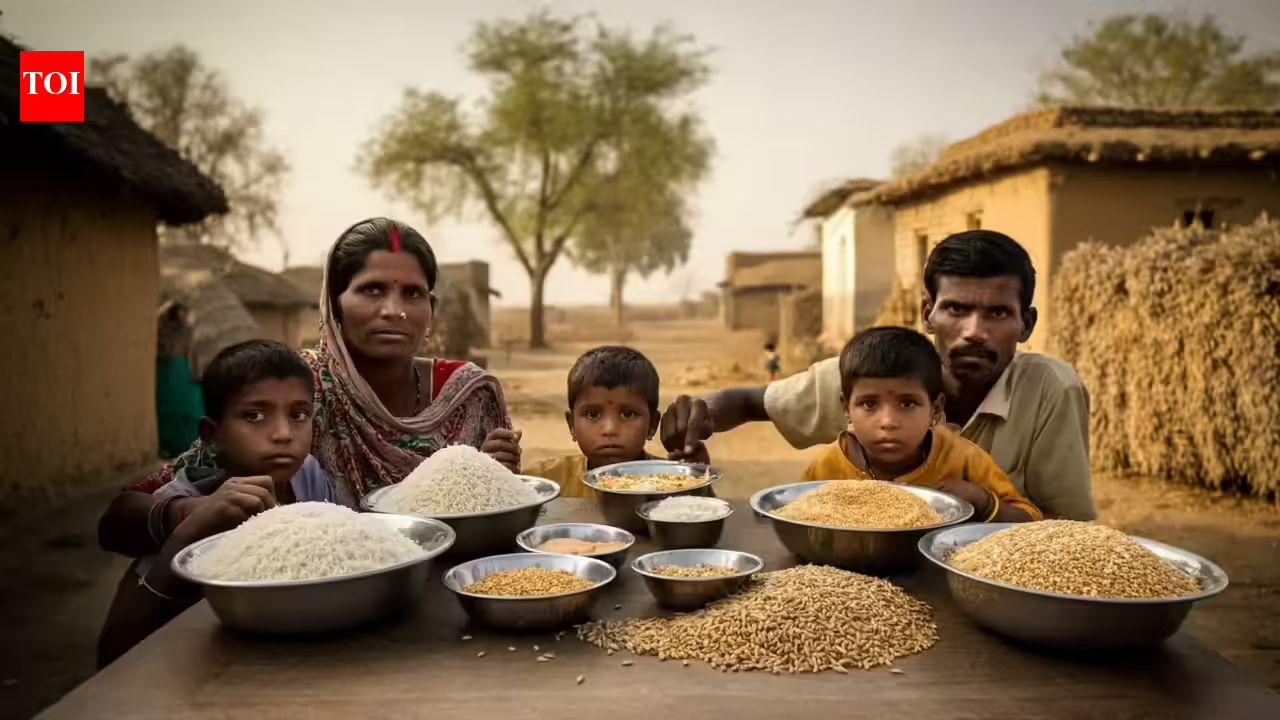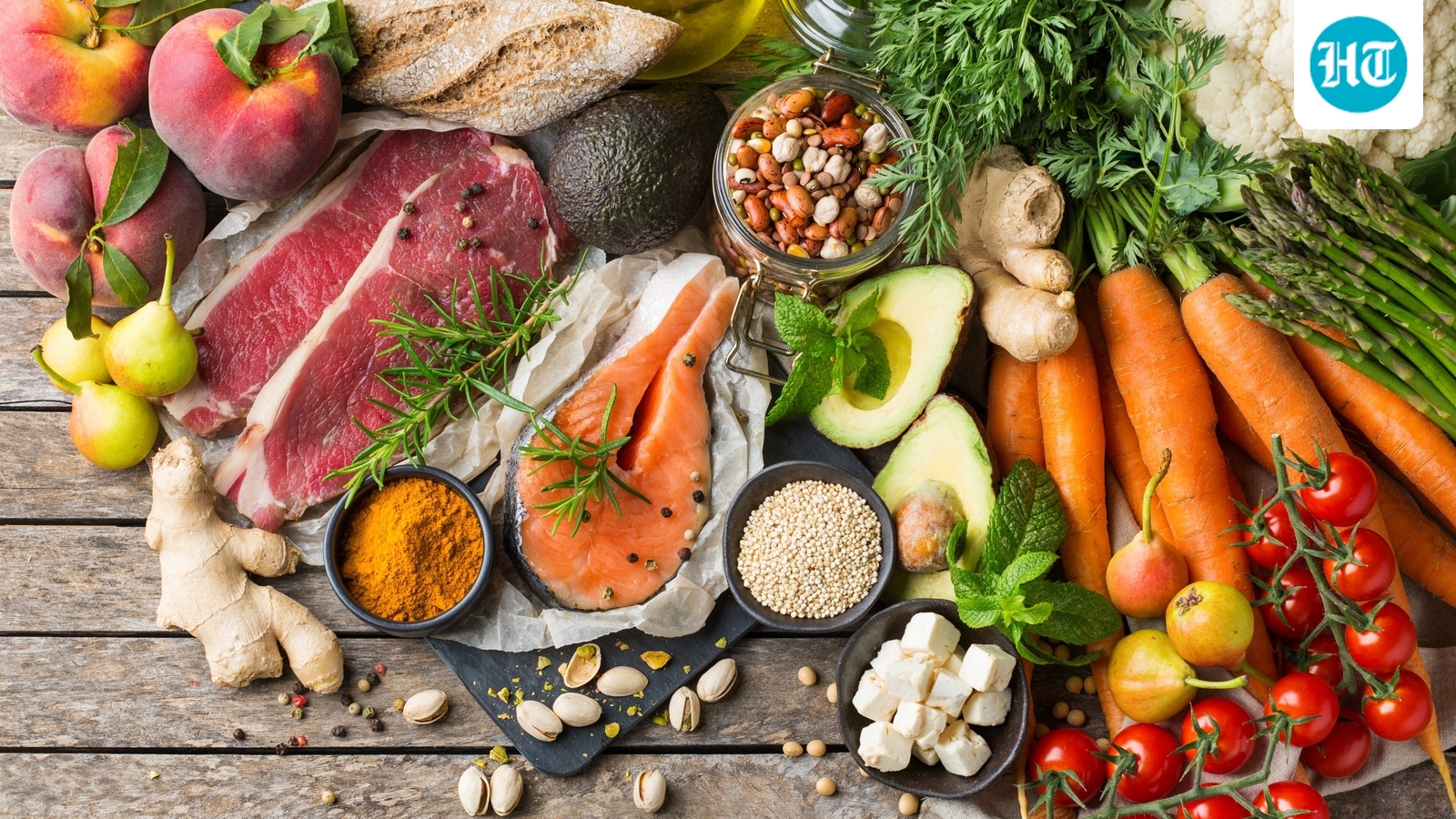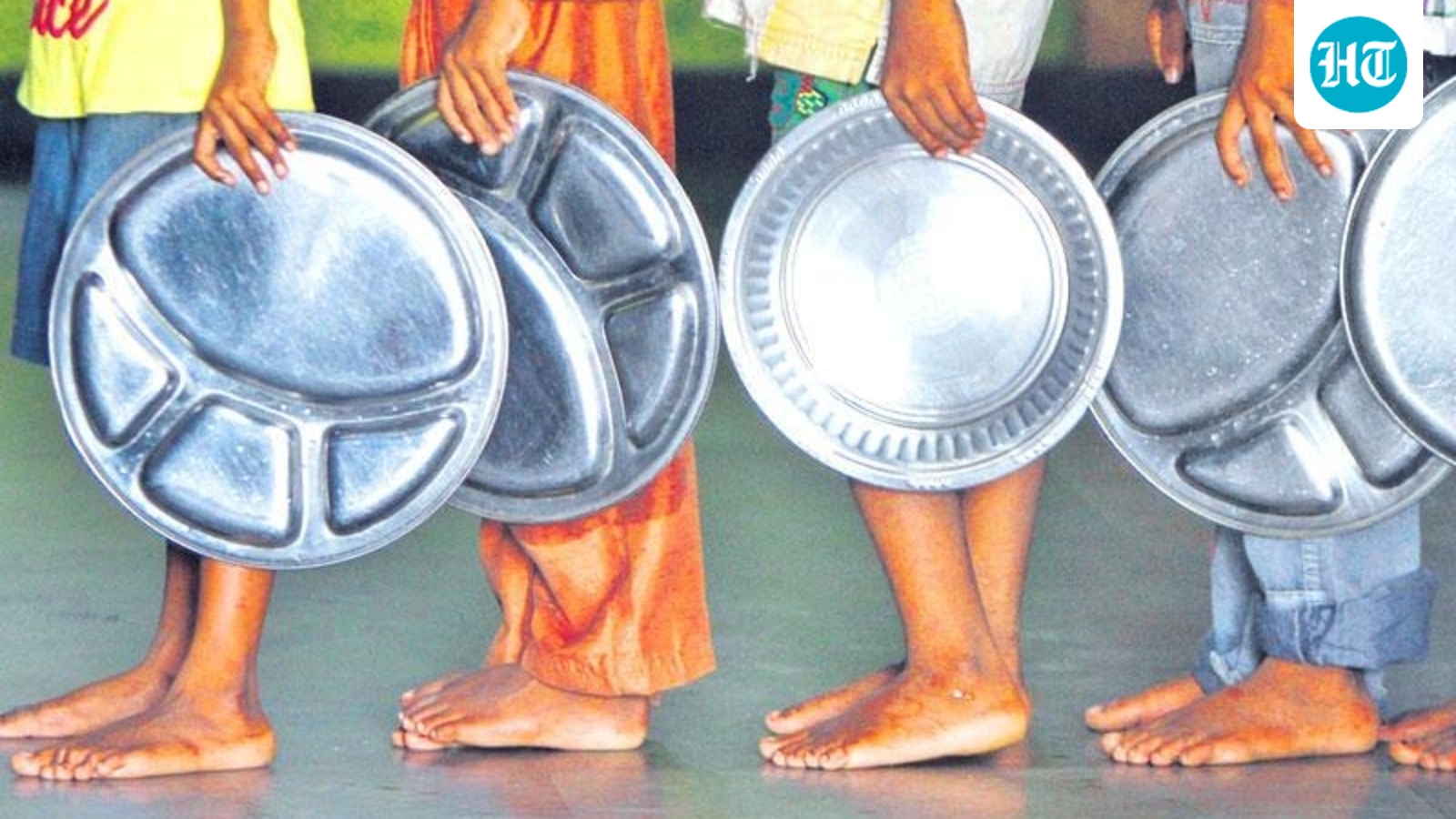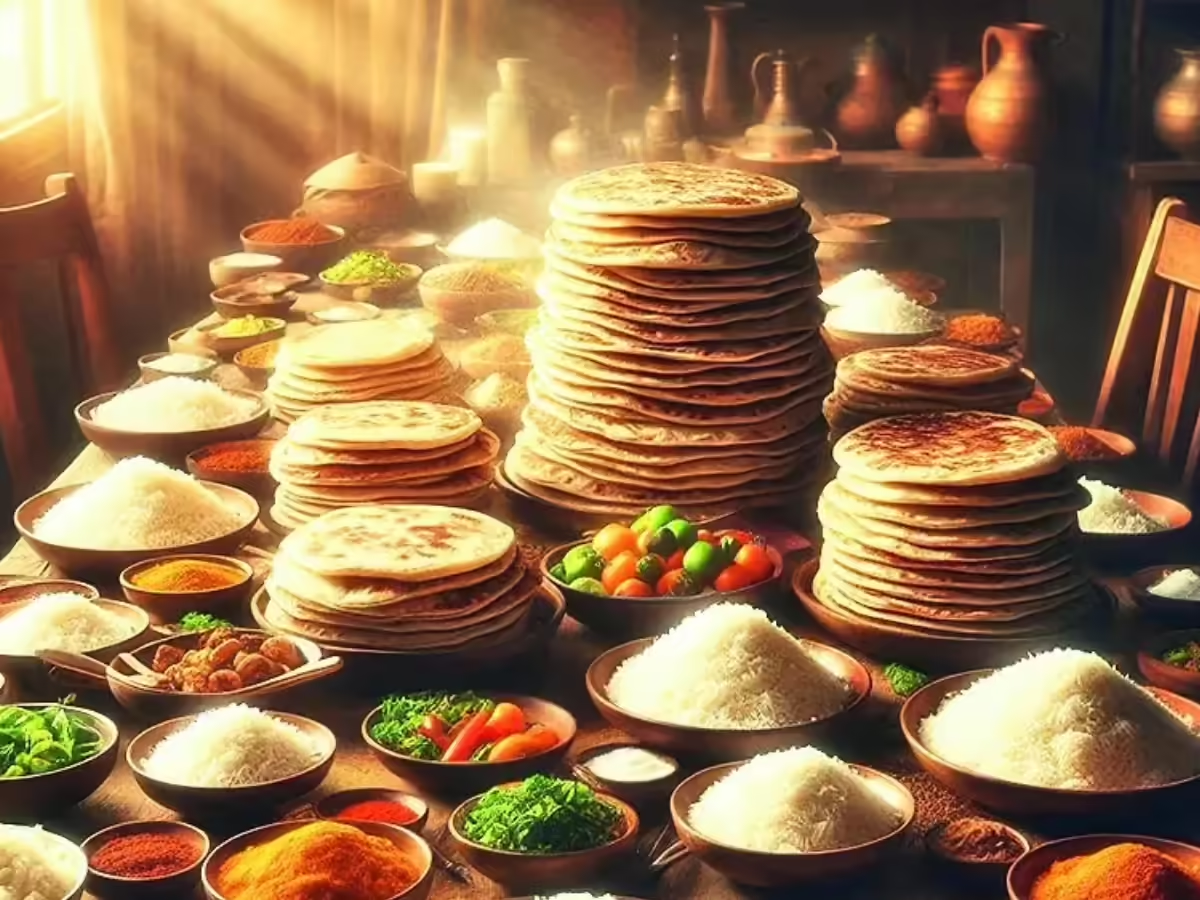
SynopsisIndians are eating poorly despite earning more. Low-quality cereals fill plates, while proteins, vegetables, and fruits are lacking. This affects both the poor and the rich. Even affluent urban dwellers consume unhealthy processed foods. India faces a double burden of malnutrition. Better diets require strong policies and nudges. Shifting production incentives to nutritious foods is crucial.AgenciesIndia's nutrition challenge goes beyond affordabilityIndians may have become more affluent. But it's not showing up in their diet. Low-quality cereals continue to dominate our piled-up thalis. For large sections of the population, their intake of proteins, vegetables and fruit is far below national nutrition norms. But don't take this affliction to be limited to the poor and rural populations. Urban populations and the affluent may consume more protein - the richest 10% consumes 1.5x more than their less well-off rural counterparts. But given the low base, that is not saying much.Kerala, urban regions of Punjab and Tamil Nadu, Delhi, Puducherry, Chandigarh, and Lakshadweep can take comfort in their lower-than-recommended monthly cereal consumption of 7.5 kg. But they need to watch out for what is filling their plates instead. Data show low-quality cereals and harmful processed foods are holding the thali hostage. Predominance of cereals is described by many as cultural muscle memory of poverty, when cereals were the primary source of nutrition and helped fill stomachs because more nutritious food was out of reach or unavailable. India's dealing with the double burden of malnutrition - undernutrition and harmful excess - and is sliding into a third crisis of micronutrient deficiency.Diets can change for the better. But that needs robust policies, stringent regulation and behavioural nudges. Production incentives must shift away from cereals to more nutritious options like pulses, fruit, vegetables and millets. Unhealthy processed foods, high in fat, sugar and salt, must be identified with clear, bold front-of-pack labelling. Eating more nutritious food and balanced diets must become an aspiration. Otherwise, despite the ability to pay more, Indians are stuck with serious health problems. ...moreElevate your knowledge and leadership skills at a cost cheaper than your daily tea.Subscribe Now
India's nutrition challenge goes beyond affordabilit - The Economic Times
Indians are eating poorly despite earning more. Low-quality cereals fill plates, while proteins, vegetables, and fruits are lacking. This affects both the poor and the rich. Even affluent urban dwellers consume unhealthy processed foods. India faces a double burden of malnutrition. Better diets require strong policies and nudges. Shifting production incentives to nutritious foods is crucial.
345 words~2 min read