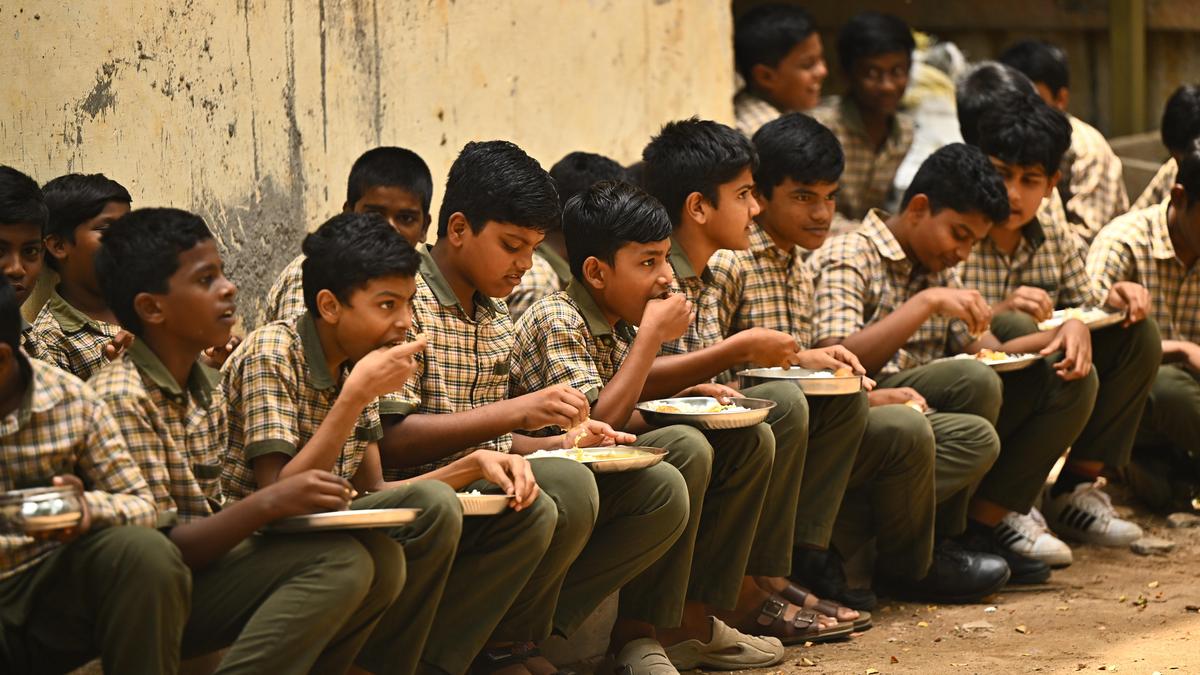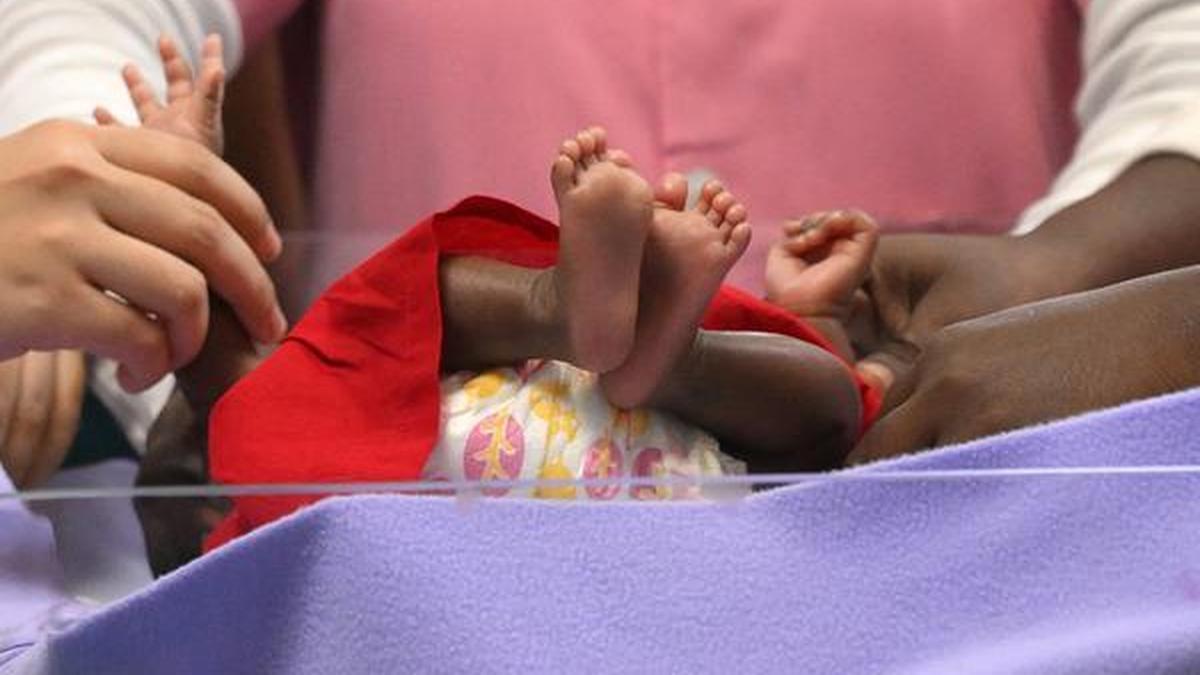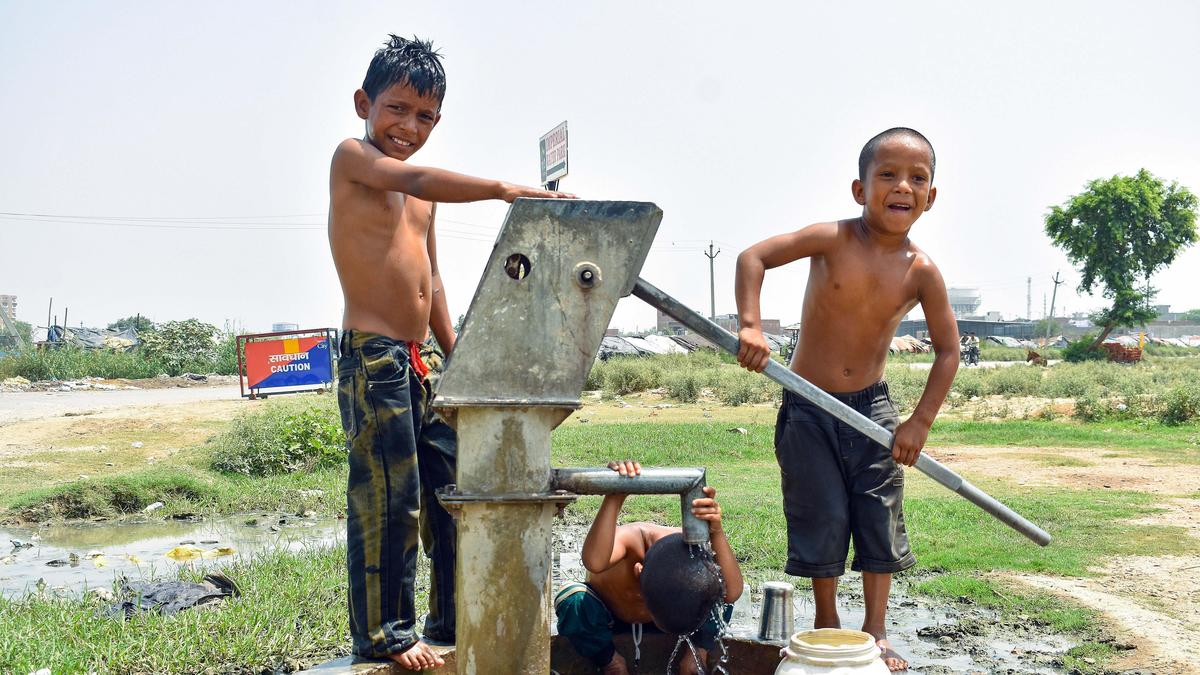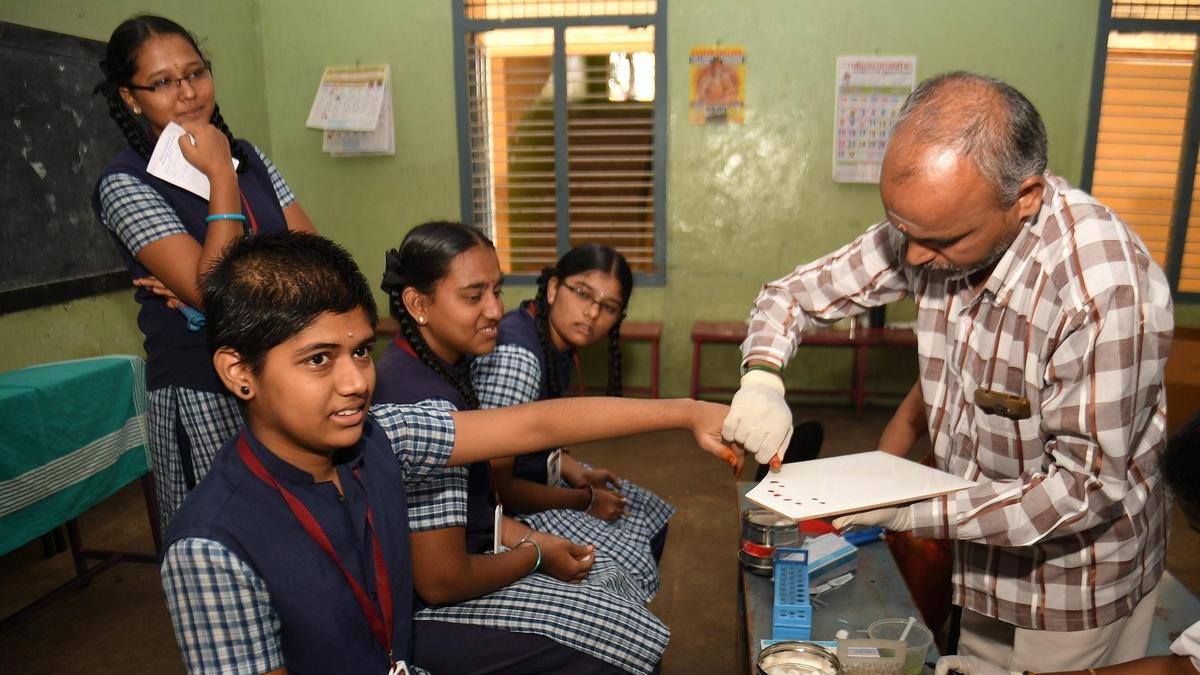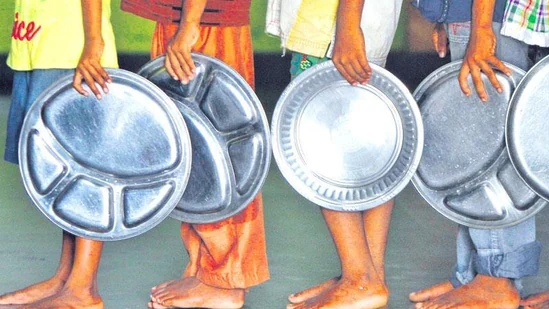
India’s nutrition challenge is often described as a transition from undernutrition to rising non-communicable diseases (NCDs). But this framing misses a critical reality: The two are not sequential problems, they coexist and reinforce each other. Across many regions, deficiencies and excesses are present simultaneously, shaping a more complex public health reality.Malnutrition (Pic for representation)The latest National Family Health Survey (2023-24) found that only 15.3% of children age 6-23 months were receiving an adequate diet, while 29.3% of children under five were stunted according to height-for-age indicators.Simultaneously, India is also seeing a steady rise in non-communicable diseases (NCDs), which reportedly accounted for 60% of all deaths in India. While often viewed as adult conditions, NCDs increasingly affect children and adolescents as well. Globally, NCDs impacted 2.1 million children in 2017, and contributed to more than one million deaths among those under the age of 20.These figures highlight that nutrition and metabolic health cannot be viewed as separate challenges. The foundations of metabolic health are laid early in life, and dietary patterns established during childhood can influence health outcomes for decades.India has made significant progress in expanding food security and nutrition programmes through initiatives such as POSHAN Abhiyaan, ICDS, school meal programmes and Anaemia Mukt Bharat. The next opportunity is to build on these achievements by strengthening food literacy and dietary diversity across the lifecycle.Nutrition cannot be treated as a time-bound intervention. It must be seen as a continuum spanning childhood, adolescence, and adulthood. Food literacy is central to this shift. Alongside access to nutritious food, individuals also need the knowledge, habits and confidence to make informed food choices throughout their lives.Food literacy, therefore, goes beyond understanding calories or individual nutrients. It includes understanding balanced diets, dietary diversity, traditional foods, healthy eating habits and the relationship between food, energy, immunity and long-term health. Emerging research also points to the growing importance of gut health and the microbiome in supporting overall metabolic health and preventing NCDs.Institutions like anganwadis, schools and community health platforms play a critical role in delivering meals and in building food literacy by helping children understand the importance of nutritious food from an early age. These platforms can help children appreciate why dietary diversity matters, why fibre-rich foods are important, and how food influences digestion, immunity, concentration, physical activity and overall wellbeing.This understanding becomes particularly important during adolescence, when lifelong food habits are often established. Young people who understand the connection between food and health are better equipped to make informed choices that support long-term metabolic resilience.Research increasingly suggests that dietary diversity also influences gut health. A study found that undernourished children reflect less diverse gut microbiota which contains pathogenic bacteria, reflecting nutrient deficiencies, and also weakens the immune system. This leads to impairment of nutrient absorption and also increases risk towards gastrointestinal infections due to lower levels of beneficial bacteria. While research in this field continues to evolve, it reinforces a broader point: Food should not be viewed only as a source of calories or isolated nutrients. It influences health through multiple pathways, including metabolism, immunity and gut health.Millets provide a useful example of how India can connect agriculture, nutrition, gut health and metabolic health. The growing focus on millets has been driven by their climate resilience, suitability for diverse agroecological conditions and strong nutritional profile. Rich in fibre, iron and several essential micronutrients, millets can contribute to dietary diversity and healthier diets. Research also suggests that many millets have a relatively low to moderate glycaemic response compared with refined cereals, making them relevant in discussions around diabetes and metabolic disorders. Their fibre content can support digestive health and influence the gut microbiome, making them useful for addressing deficiencies and improving metabolic resilience.Recent initiatives such as Mission SEHAT have also highlighted the potential of biofortified crops, including biofortified millet varieties, as part of a broader effort to strengthen the link between agriculture, nutrition and health. By improving the nutritional quality of commonly consumed foods, such approaches can complement food literacy efforts and help address micronutrient deficiencies at scale. At the same time, sustained impact will require attention to both demand and supply. Alongside building awareness and consumption, there is a need to strengthen agricultural value chains, support farmers to cultivate nutrient-rich crops, and create reliable market linkages that make these foods more widely available and affordable. This can help align public health goals and farmer livelihoods, creating benefits across the food system.The long-term success of the push for millets will depend on production, procurement, inclusion and sustained consumer demand. For many households, millets are still seen either as traditional rural foods or premium urban health products, limiting their wider adoption.Food literacy can help bridge this gap by introducing millet-based foods in schools, community programmes and public awareness efforts. When children become familiar with these foods early in life, they are more likely to view them as part of everyday diets rather than occasional alternatives. In this way, food literacy helps connect agricultural priorities with dietary choices and nutrition outcomes.India’s next nutrition frontier must connect malnutrition, NCDs, gut health and metabolic function. Investments in food literacy and smart foods, such as millets, can support Swasth Bharat, Shreshtha Bharat and Viksit Bharat by treating health as a foundation for human capability. A plate of food is more than a meal. It is an investment in health, learning, productivity and the future of the nation.(The views expressed are personal)This article is authored by Archana Sinha, CEO and co-founder, Nourishing Schools Foundation and Dr Raj Bhandari, senior paediatrician and government advisor.
From malnutrition to metabolic health
This article is authored by Archana Sinha, CEO and co-founder, Nourishing Schools Foundation and Dr Raj Bhandari, senior paediatrician and government advisor.
918 words~4 min read