CEREAL BOOST. Fortified rice reaches millions of Indians through public distribution system outlets
| Photo Credit:
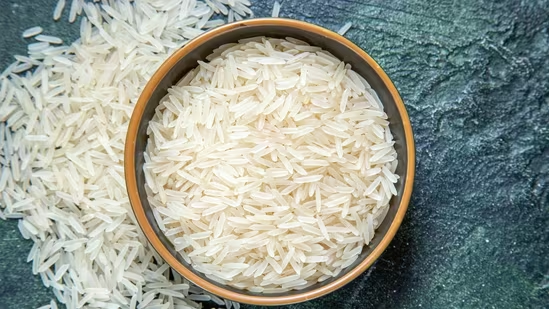
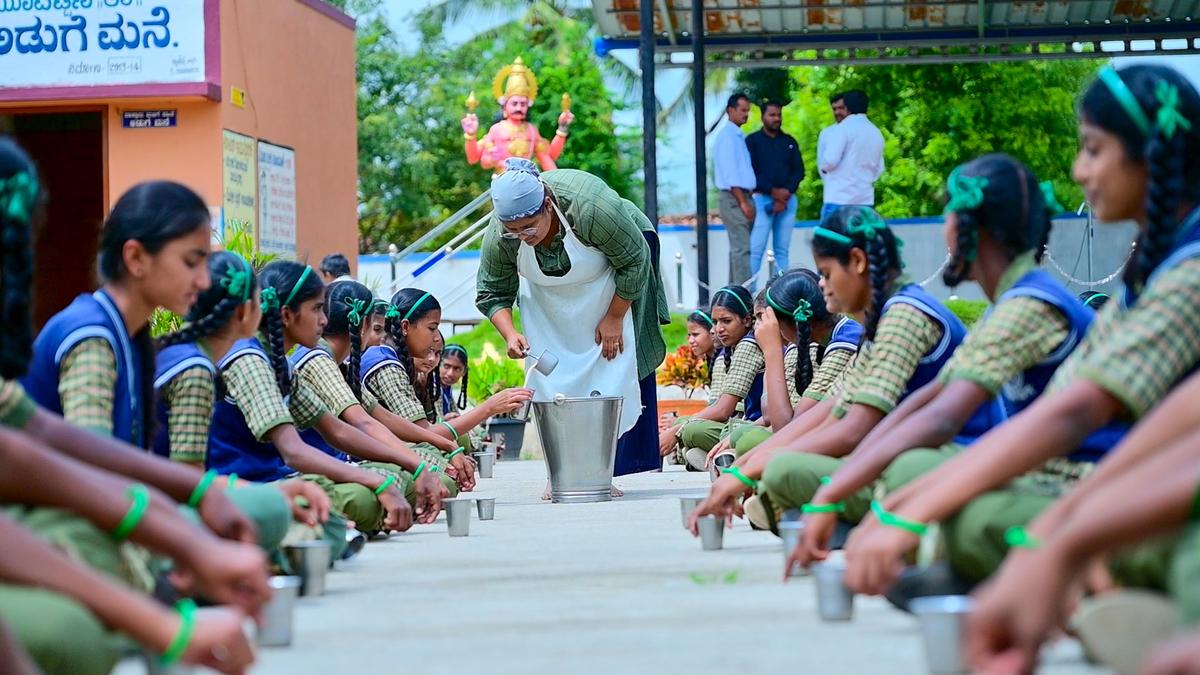
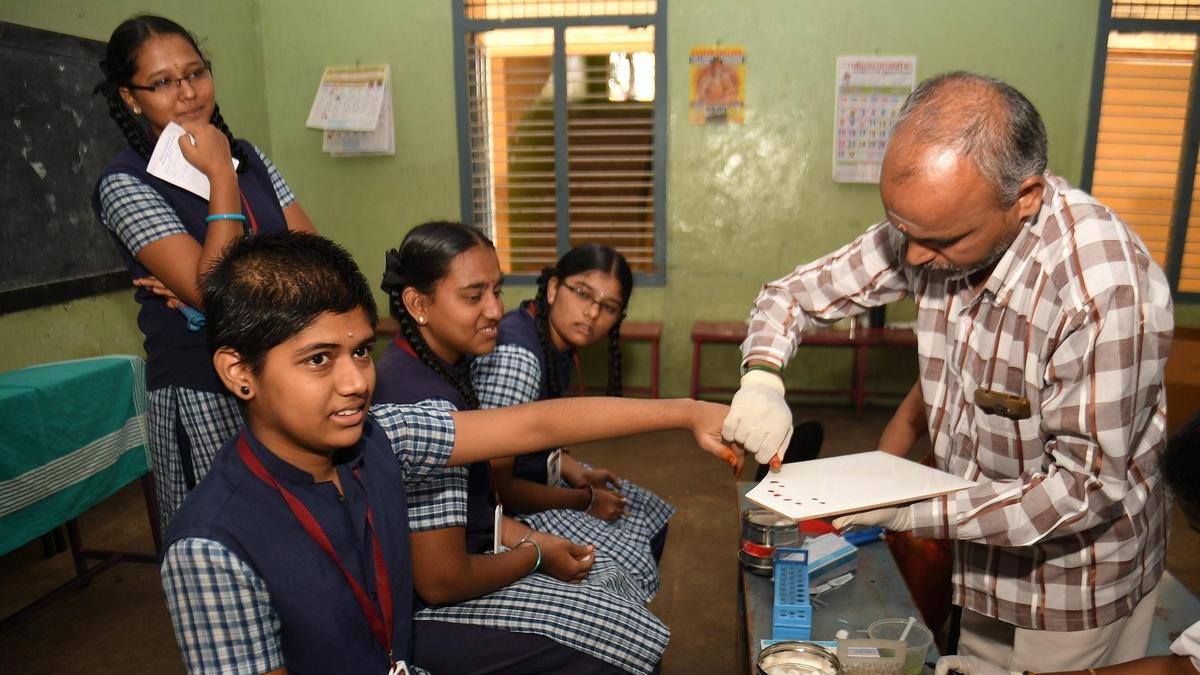
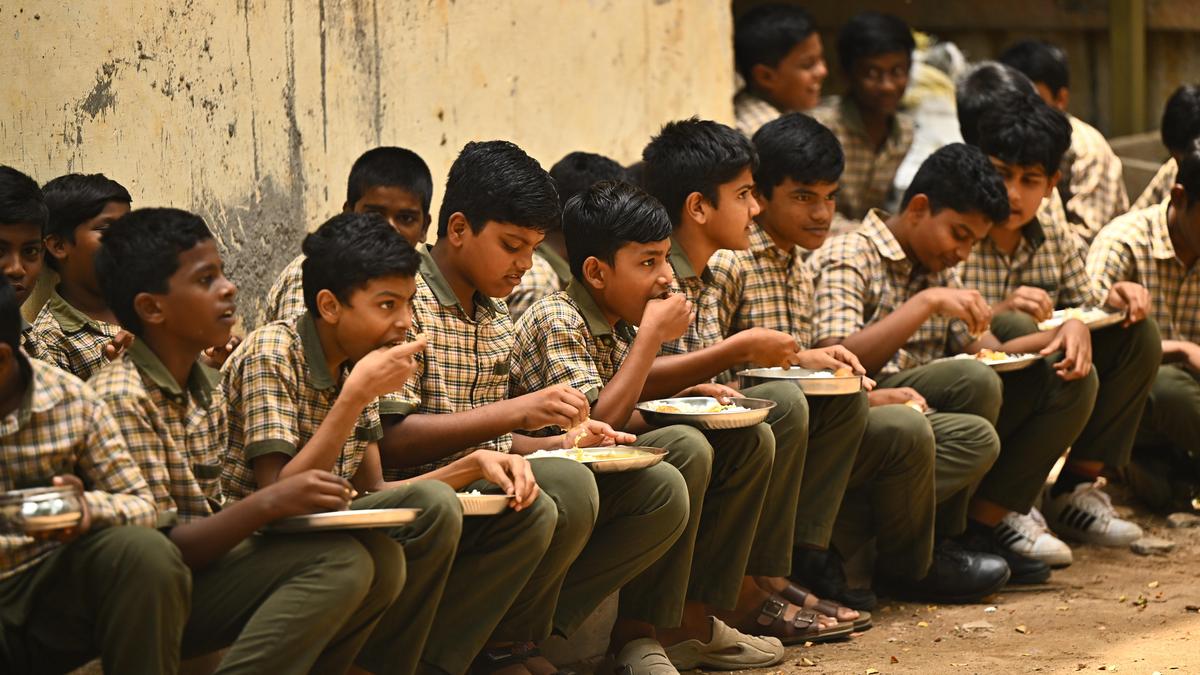
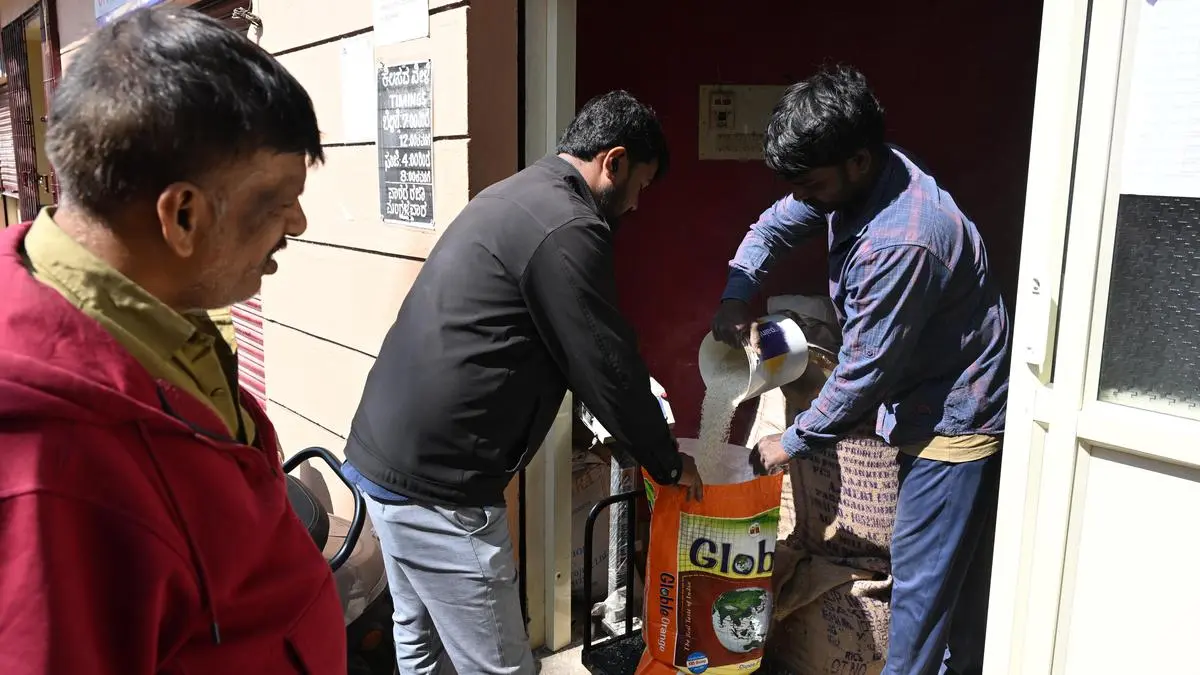
India’s nutrition landscape has improved considerably over the past two decades through sustained policies, food security programmes, and other targeted interventions. Yet, a quieter crisis persists of micronutrient deficiencies, or hidden hunger.In other words, there is an inadequate intake of iron, zinc, iodine, folic acid, and vitamins, which are essential for growth, immunity, cognitive development, and well-being. And for a healthy diet, the quantity and nutrient quality of food are critical.Left unaddressed this hidden hunger undermines health, learning, productivity, and quality of life. Tackling it is, therefore, a public health necessity and a vital investment in human capital. Well-nourished children learn better, adolescents thrive, women enjoy improved health, and adults contribute more productively, strengthening long-term national development.As India advances towards becoming a developed nation,nutrition assumes even greater importance. The journey towards Viksit Bharat will depend not only on the country’s economic growth but also the health and capabilities of its people. Several public nutrition programmes demonstrate how food security can evolve into nutrition security.By March 2024, fortified rice had achieved universal coverage across government food-based safety net schemes, including the public distribution system (PDS), replacing regular rice with the cereal fortified with iron, folic acid and vitamin B12. Given that rice is a staple for nearly 65 per cent of India’s population, this represents one of the world’s largest food fortification initiatives. Further, states such as Gujarat and Haryana leveraged fortified wheat flour through social protection and school feeding programmes. In Haryana alone, nearly 17,500 tonnes of fortified atta are distributed each month through the PDS, reaching 3.3 million people. These experiences illustrates how existing delivery platforms can be transformed into powerful tools for addressing hidden hunger, improving dietary quality, and ensuring equitable access to essential micronutrients for vulnerable populations.The next phase must shift from food security to nutrition security — prioritising dietary diversity, supplementation, and micronutrient intake, alongside strengthening nutrition literacy to help families make informed choices.Food fortification offers a practical route to improving nutrient access. India’s success with iodised salt shows how simple interventions yield large-scale benefits. Fortifying staples like rice, wheat flour, edible oil, and milk can further enhance daily nutrition.Scientific innovation and agriculture also play key roles. Beyond crop yields, the focus now includes nutritional value through nutrition-sensitive agriculture, biofortified crops, and improved food systems.The latest National Family Health Survey (NFHS-6) shows encouraging progress in child nutrition. Instances of stunting, wasting, and underweight children have reduced, alongside improved maternal and child health services. Addressing hidden hunger demands a whole-of-government and whole-of-society approach — one that includes policymakers, scientists, industry, health professionals, civil society, and communities.India stands at a pivotal moment. By prioritising nutrient quality, strengthening awareness, and leveraging science, among other measures, we can build healthier lives, resilient communities, and a nutrition-secure future for all.