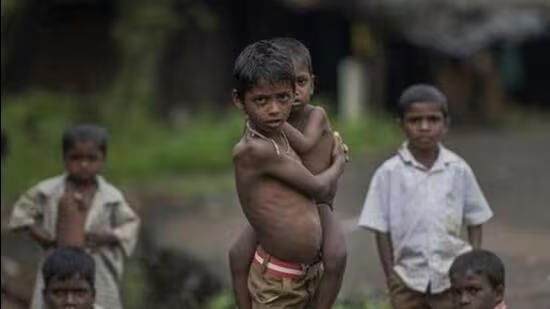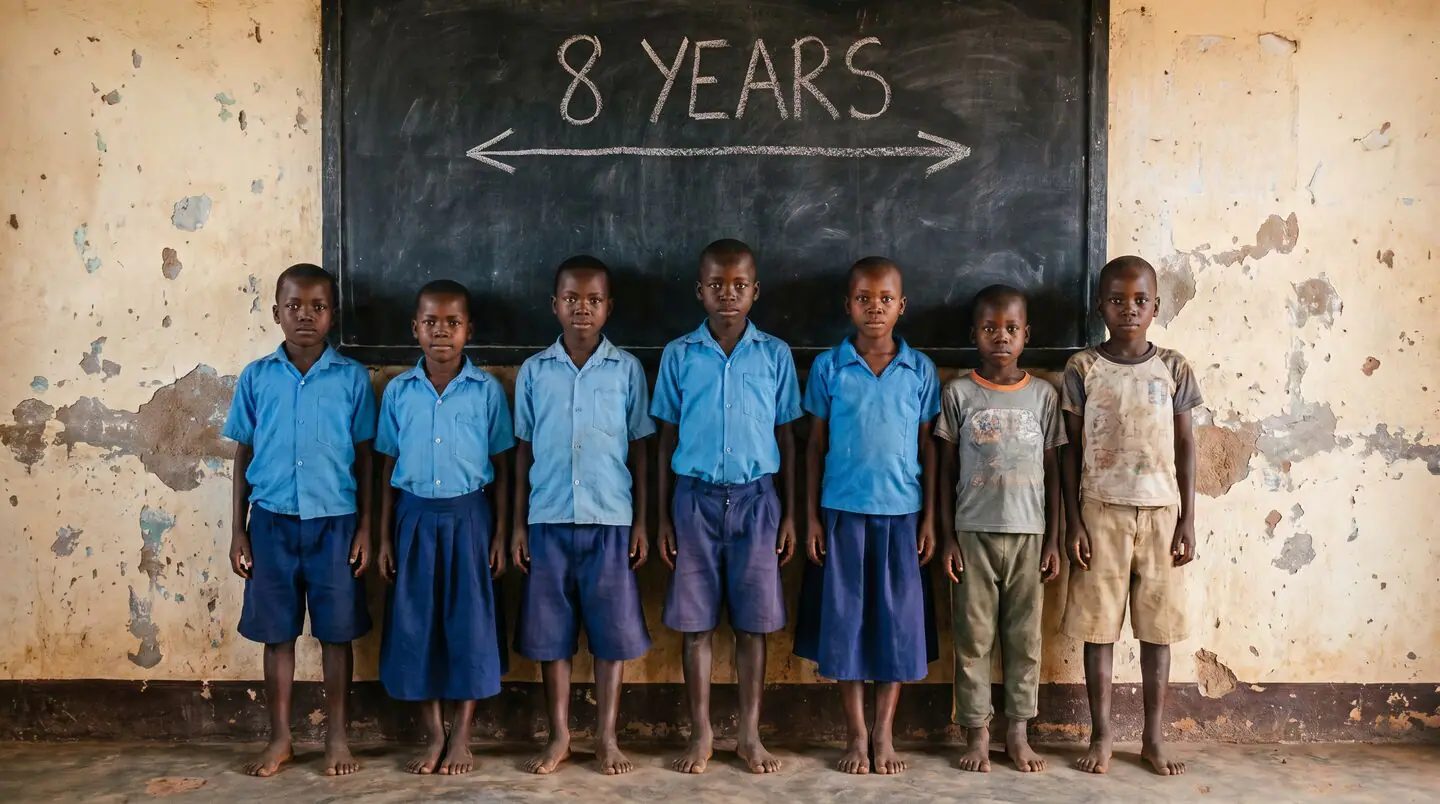
In a recent study conducted in Vellore, that followed children from birth to nine years, it was observed that while most children had a normal Body Mass Index (BMI) in early childhood, prevalence of thinness and overweight began to rise sharply between ages seven and nine. This study bolsters the results from just-released National Family Health Survey (NFHS) – 6 indicating the double burden of malnutrition that India is currently facing.The double burden of malnutrition is a term used to describe a curious phenomenon — a state where both undernutrition and overnutrition are threats to the health of the population. According to the World Health Organization (WHO), malnutrition, in all its forms, includes undernutrition (wasting, stunting, underweight), inadequate vitamins or minerals, overweight, obesity, and results in diet-related non-communicable diseases.Coincidentally, the results of both these studies released almost simultaneously provide similar results, but the Vellore studies tell us more — at what stage does thinness and obesity set in, thus providing a way to address the issue at the right time, in order to effectively control it.Data from the NFHS-6 records improvements in child nutrition — stunting, wasting and severe wasting have fallen compared to NFHS-5, but this is neither uniform nor even. There are still pockets in the country where the levels remain at the stage of ‘significant concern’. The same data shows, at the polar end of the spectrum, a steady increase in overweight and obesity among adults (especially women and urban, wealthier groups), along with growing prevalence or risk of diabetes and high blood pressure.The Vellore study brings new findings from a collaborative study between CMC-Vellore and ARUMDA at TIFR, and highlights a critical shift in India’s nutrition challenge. Children in low-/middle-income urban communities are facing both thinness and obesity by school age. The malnutrition and enteric diseases (MAL-ED) study recruited 251 children from urban slums in Vellore, Tamil Nadu, India, between 2010 and 2012, with further follow-ups conducted until age nine.As per a paper published by Birsen Yilmaz et al in the peer-reviewed journal Lancet Regional Health Southeast Asia, approximately 45% of children were stunted at age two. By age seven, 26.3% of children were classified as thin, and 5.2% of children were classified as overweight/obese. By age nine, the prevalence of underweight was 21.6%, while overweight/obesity had increased to 14.6%.Interestingly, the mother’s BMI was a predictor of childhood thinness, particularly at ages 5 and 9. Incidentally, when read along with data from the NFHS-6 which indicates that 30.7% of women aged 15-49 were overweight or obese in 2023-24, compared to 24% in NFHS-5, it indicates a huge trans-generational burden in India. Maternal weight is clearly an important factor in foetal and child health as well, but one that has not be sufficiently examined by policy makers in the form of maternal health interventions.Surprise elementUllas Kolthur of ARUMDA, TIFR, one of the authors of the paper, said the surprise element of the study was not that children born with low birth weight were becoming obese, but the fact that weight-related issues begin so early in children.Beena Koshy, of CMC-Vellore, highlights the importance of monitoring children’s growth after the first 1,000 days after birth. “This is a cohort in a low-income, urban setting in Vellore, which is part of our MAL-ED group, being studied for years. In these communities, children are facing thinness, yes, but also obesity even before they enter the teens.”She explains that in the study location, the mean birth weight is 2.7 kg and 17% of children are born with low birth weight. At age two, about 45% of children are stunted, but 80% of the children have caught up by age nine. “This means the nutrition issue we face today is not only about underweight toddlers, but the entire range of nutrition sufficiency or insufficiency through childhood.”It also means our understanding of malnutrition has not been on point, or, is no longer on point. India which has had a long track record of undernutrition, wasting and stunting has come to look upon malnutrition as exclusively resting in this quarter. More recent evidence shows that it is no longer that simple at all, that there are nuances that we might be missing in childhood.Dr. Kolthur adds: “What is malnutrition? How must it be handled? We know now, from this study, that feeding all children the same diet might not be such a great idea after all. There must be differentiation in how we tailor the diets of children, early on.” Dr. Koshy points out that the easy availability of packaged foods, sugary drinks and deep fried food in sachets have a huge role to play. “While these foods are available cheap, the access to healthy fruits, vegetables and proteins is still not very good.”Nihal Thomas, senior professor of Endocrinology at CMC Vellore, who was instrumental in leading efforts to offer a differential diagnosis of ‘lean diabetes’ (Type 5), points out that undernutrition in early life can lead to two potential trajectories. On one hand, the persistence of undernutrition, besides leading to stunting, can potentially lead to defects in insulin secretion and even situations where lean individuals develop diabetes in relation to malnutrition. On the contrary, in those with overnutrition, there is the danger of increase in overweight and subsequently increasing the risk of diabetes, hypertension and cardiovascular disease, he explains.Addressing the issueAt this juncture, public health experts urge a full complement of health policies that will address a judicious blend of both dietary interventions to tackle undernutrition and lifestyle interventions, including improving diet and activity. A one-sided intervention — addressing only undernutrition, and not overnutrition would be a mistake that the country can scarcely afford to make at this stage, loaded as it is with huge burdens of metabolic diseases including insulin resistance and hypertension.The FAO has meanwhile recommended, based on case studies from six countries, that programmes once designed primarily to combat undernutrition (ICDS, school meals, PDS) now need to be re-thought to address both inadequate calories/micronutrients and poor-quality, ultra-processed, high-sugar, high-fat diets.
Many forms of malnutrition: evolving public health strategies to address under and over nutrition
Explore evolving public health strategies in India to tackle the dual challenges of undernutrition and overnutrition in children.
999 words~5 min read