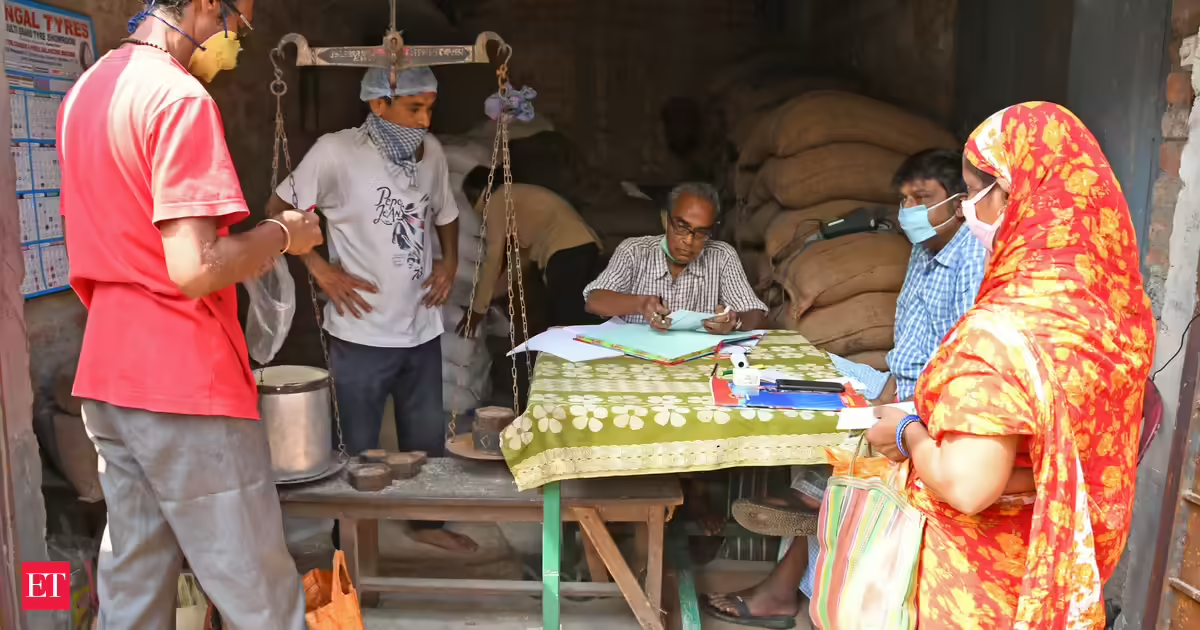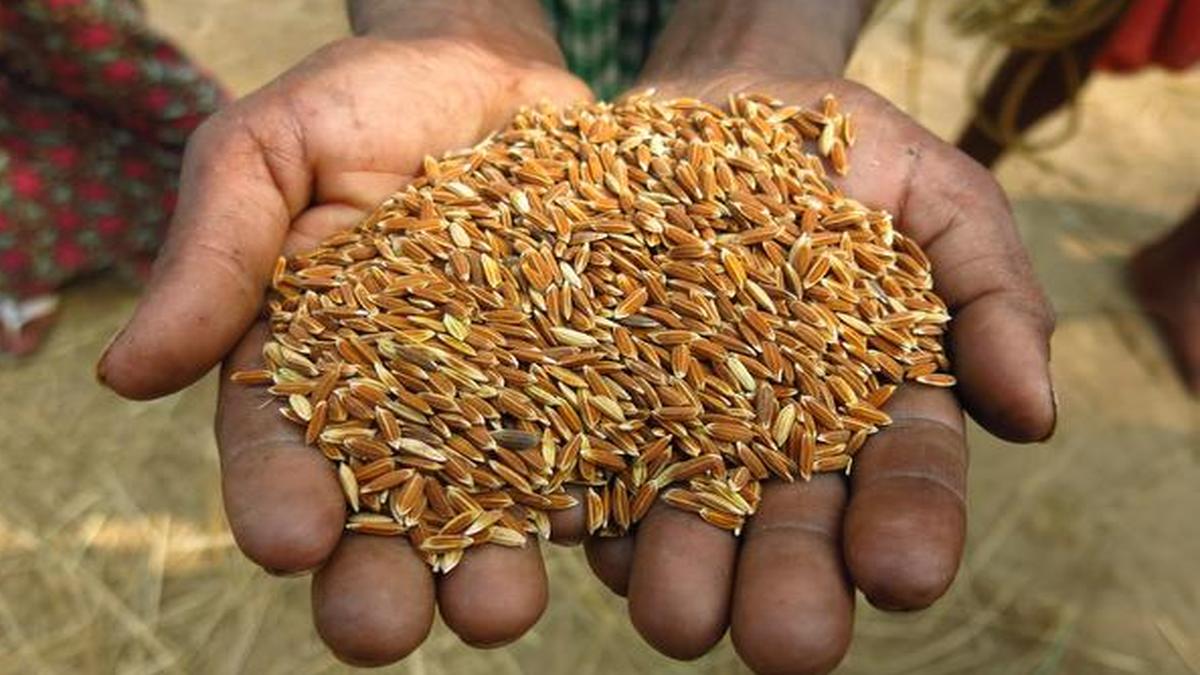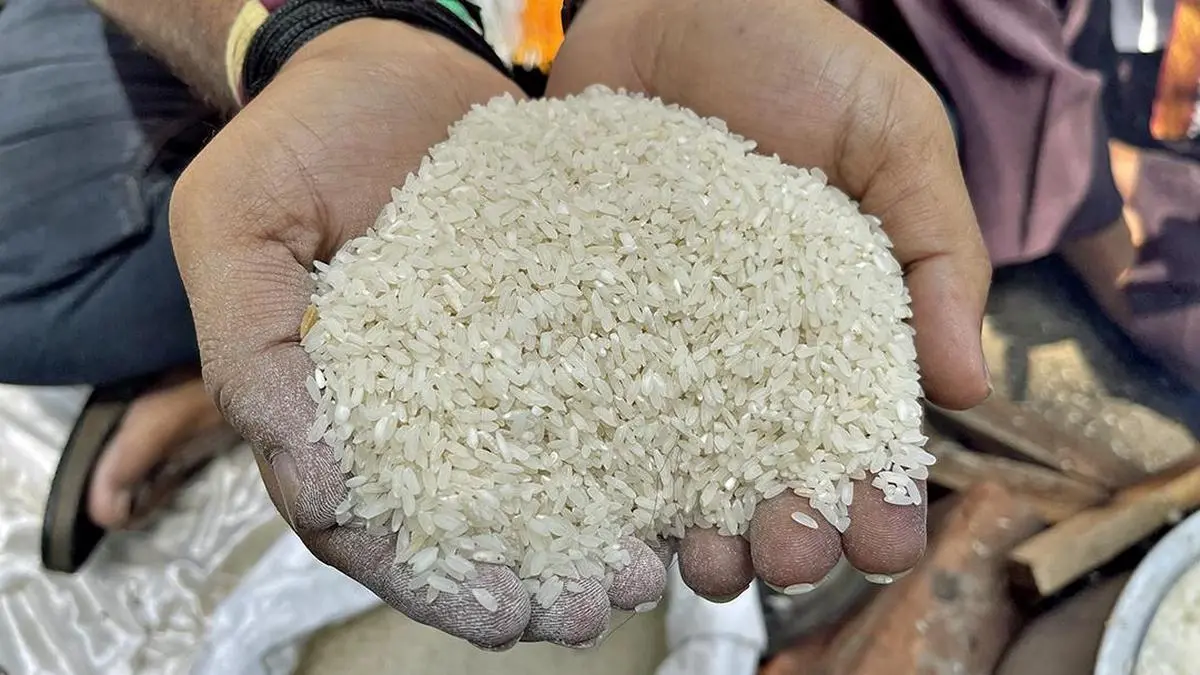
The Indian government has proposed amending the National Food Security Act to replace the Antyodaya Anna Yojana’s fixed entitlement of 35 kg of foodgrains per household with a per-capita entitlement of 7 kg a month, marking the most significant restructuring of the scheme since its launch in 2000. The move would sharply reduce grain allocations for smaller AAY households while leaving larger families largely unaffected.The proposal could also substantially lower annual foodgrain requirements under AAY - from around 99 lakh tonnes (lt) currently allocated to roughly 65.5 lt based on existing beneficiary numbers - raising questions about whether the reform is driven primarily by equity concerns or also by subsidy rationalisation. The amendment additionally revives the debate over whether the scheme’s long-standing cap of 2.5 crore families remains appropriate once benefits are calculated on a per-person basis.Currently, there are 2.17 crore households under AAY scheme whereas the number of persons in those families is 7.79 crore, which translates into an average 7 persons in two families.Draft note for feedbackThe Food Ministry has shared a draft note on the proposed amendment in the National Food Security Act, 2013 for public feedback by July 13. “The Department of Food and Public Distribution is in the process of considering an amendment to the National Food Security Act, 2013,” it said in the note.The AAY households, considered the poorest of the poor, are legally entitled to receive 35 kg of foodgrains per family per month, whereas other beneficiaries under the NFSA are entitled to 5 kg of foodgrains per person per month.The Ministry said that the existing household-based entitlement under AAY, though intended as a protective measure for the most vulnerable families, results in significant inequities depending upon the size of the household. “Smaller households receive a higher per-capita entitlement, whereas larger households receive a lower per-capita entitlement, which may fall below the entitlement available to priority households,” it said.Removing inequitiesOfficials said that the aim and purpose of the proposed amendment is to remove intra-category inequities, provide for more ‘rational’ food grain allocation and better align entitlements with nutritional requirements.According to the proposal, while a family having four persons will receive 28 kg of foodgrain a month (@7kg per person), a household will not be able to get more than 35 kg in total in case number of persons is higher than five. “Provided also that households covered under Antyodaya Anna Yojana shall be entitled to a maximum of 35 kg of foodgrains per household per month at the prices specified in Schedule I,” the ministry said.The government has allocated 99.33 lakh tonnes (lt) of foodgrains – 64.66 lt rice and 34.67 lt wheat -- for the AAY beneficiaries for 2026-27 fiscal. Uttar Pradesh, Mahrashtra and Bihar are the top three states in terms of allocation of grains for the AAY beneficiaries. If the proposed amendment gets through the requirement of foodgrains for the entire 7.79 crore people under AAY may be 65.5 lt per year as against an offtake of over 85 lt in entire 2025-26.Coverage ceiling“There is a ceiling of 2.5 crore families to be covered under AAY pan India basis, though each state has also separate cap. The government should clarify if it wants to retain that cap under the new system or put a cap on number of persons. Because at the current position, the cap on number of beneficiaries should be 12.5 crore based on the calculation of five persons in each family,” said a right to food activist.Under then Prime Minister Atal Bihari Vajpayee, the AAY scheme was launched in December 2000, initially for 1 crore families, after government survey pointed to presence of an extremely vulnerable group (poorest section) that was suffering from chronic hunger as it could not afford subsidized food grains distributed under the public distribution scheme (PDS). Gradually, the coverage reached to 2.5 crore families by 2005 and frozen at that level.The concept was developed as AAY beneficiaries were sold rice at Rs 3/kg and wheat at Rs 2/kg to ease their affordability as the subsidised rates for other two categories “Below Poverty Line” (BPL) and “Above Poverty Line” (APL) were much higher. During Covid pandemic, the government removed selling prices under PDS and started free of cost distribution which still continues.Published on June 25, 2026
Indian government may change Food Security Act to cut foodgrain allocation quota
The Indian government proposes a significant amendment to the Food Security Act, reducing foodgrain allocation from 35 kg per household to 7 kg per person.
712 words~3 min read