Academia
Droughts expose who gets left behind when basic public services aren't built for everyone.
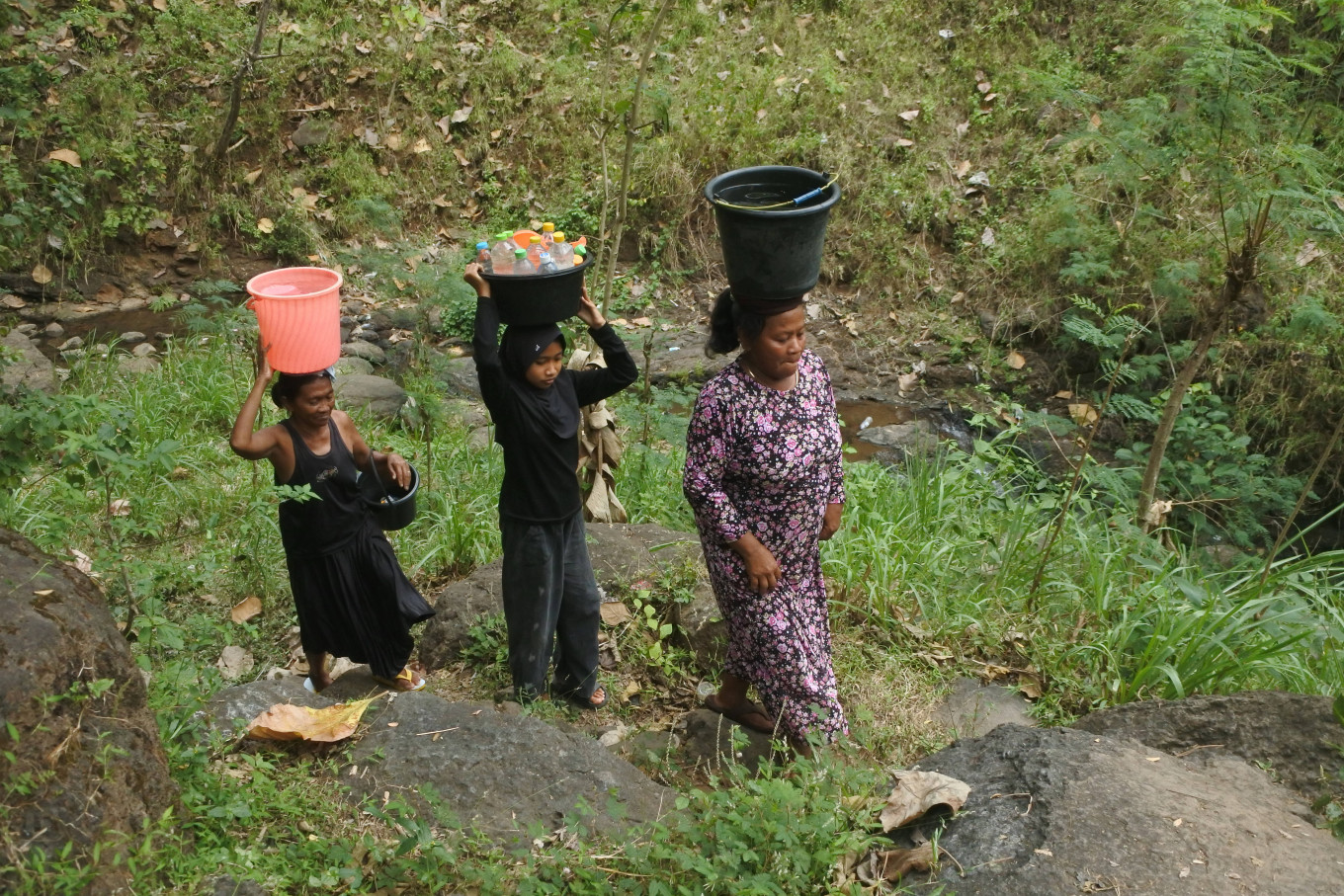
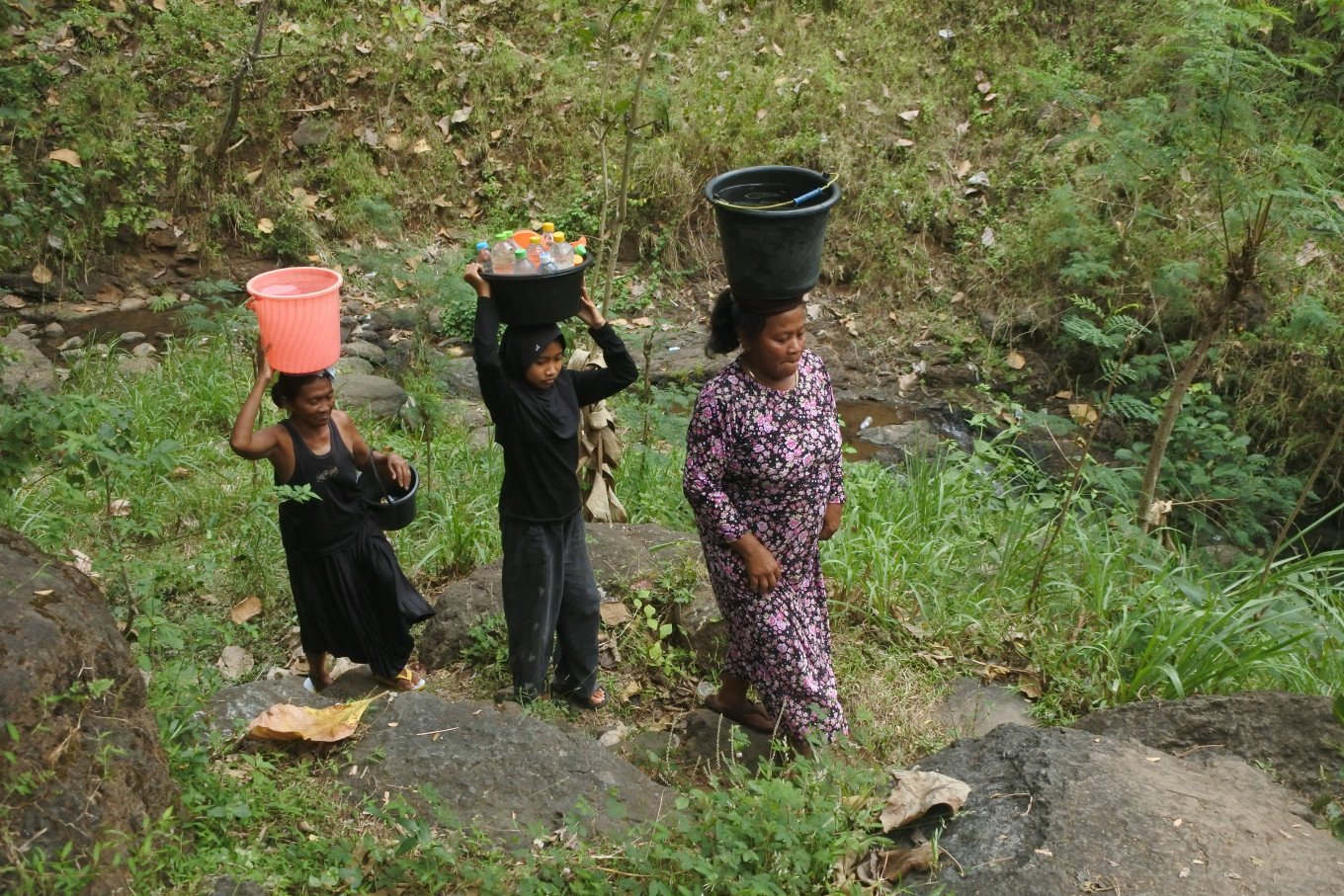
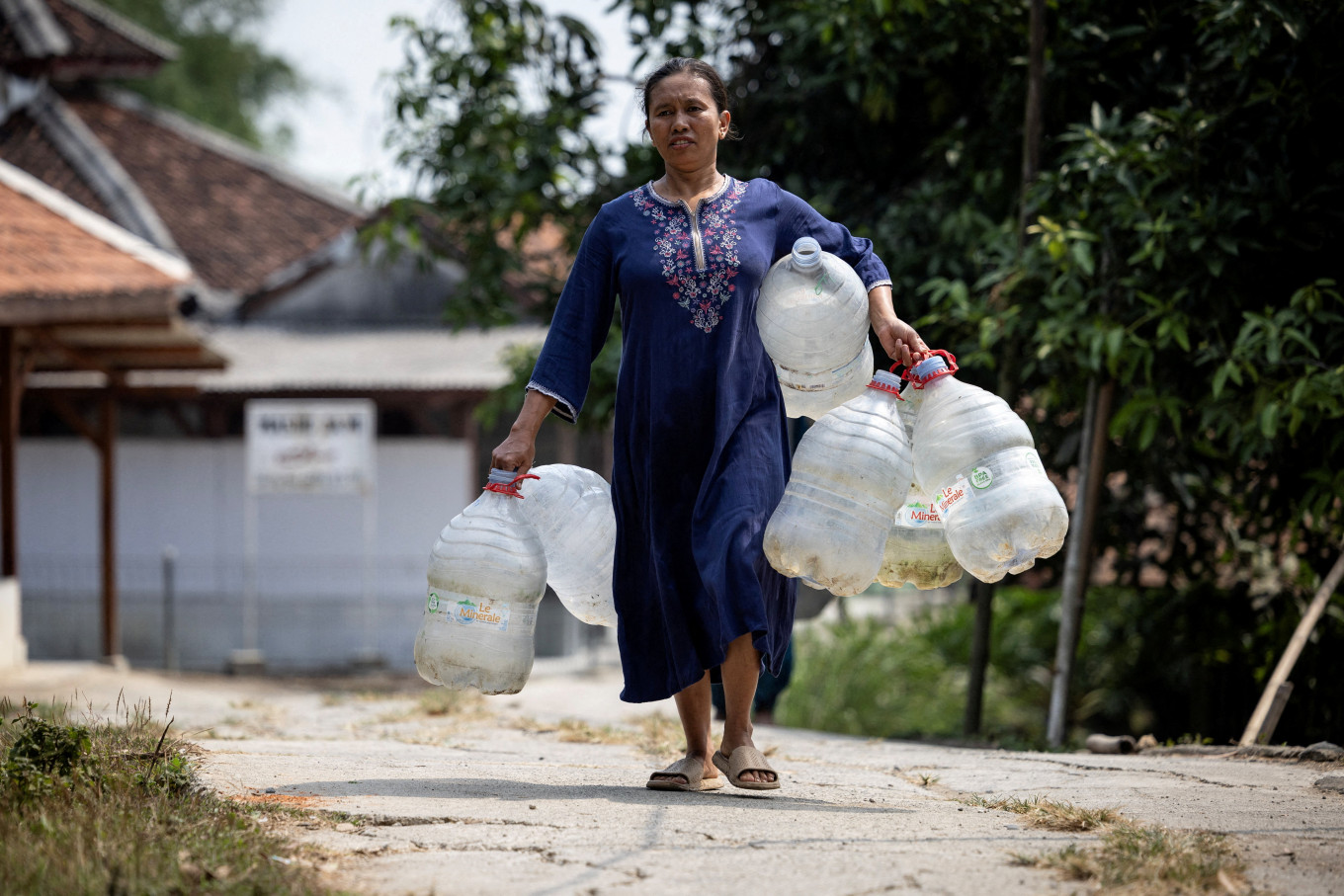
A woman carries water containers to collect free clean water distributed by the regional disaster agency in a drought-hit area during the dry season, amid forecasts that El Niño may contribute to drier-than-normal conditions, in Rido Galuh village, Bekasi regency, West Java on July 16, 2026. (Reuters/Willy Kurniawan)
Indonesia is entering another dry season, and forecasts suggest it will be longer and harsher than usual. The Meteorology, Climatology and Geophysics Agency (BMKG) has warned of a severe El Niño, raising the risk of widespread drought, particularly across Java, and putting intense pressure on local water supplies.Yet the threat of El Niño is more than just a weather issue. Droughts expose who gets left behind when basic public services are not built for everyone. Women, people with disabilities, low-income families and remote communities are always the first to feel the pinch. Building truly inclusive clean water systems is not just nice to have; it is essential.
For example, for most students, using the school bathroom is no big deal.