Academia
The world community has the solutions and the funding to solve the global water crisis—now we just need the political will to deploy them before time runs out.
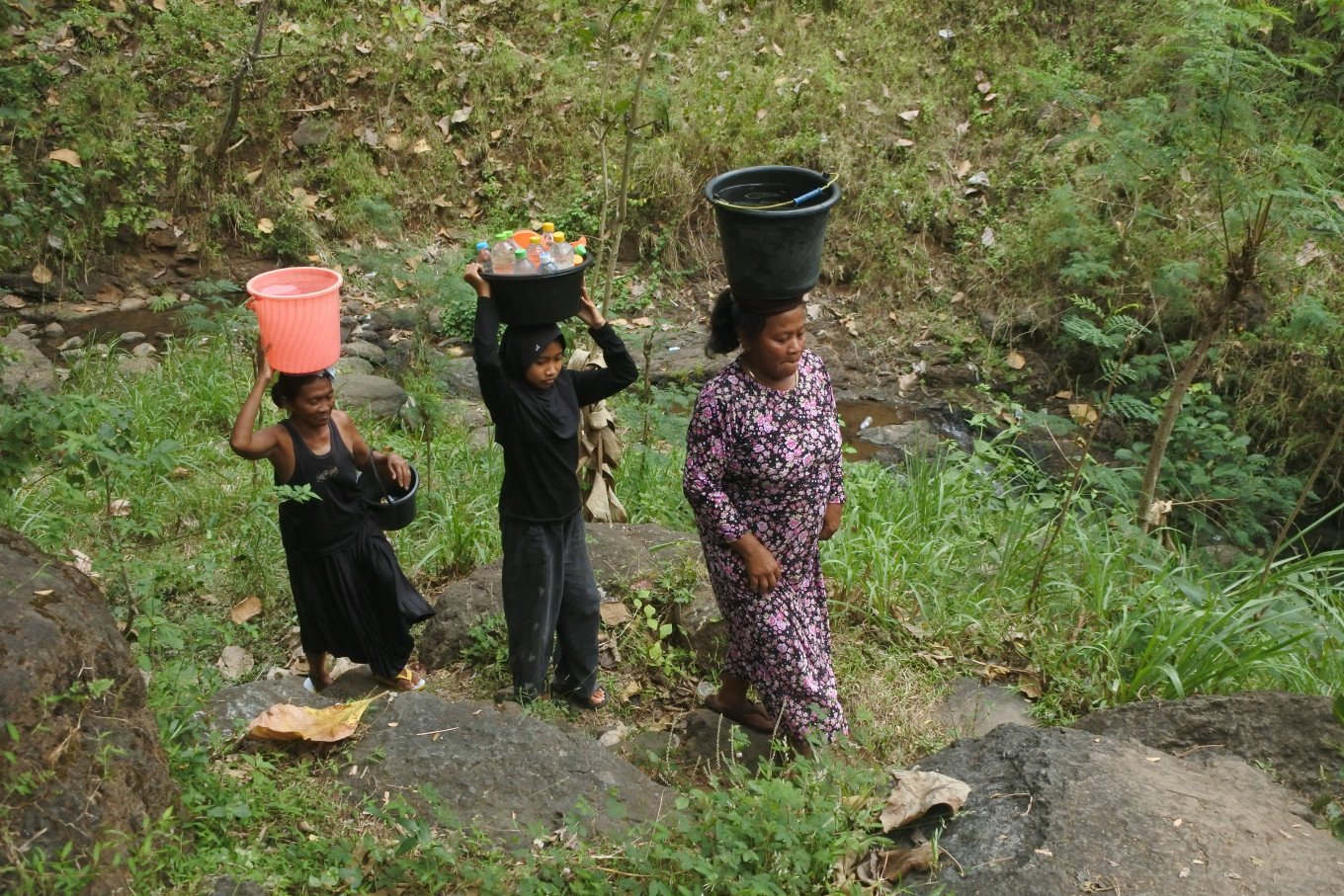
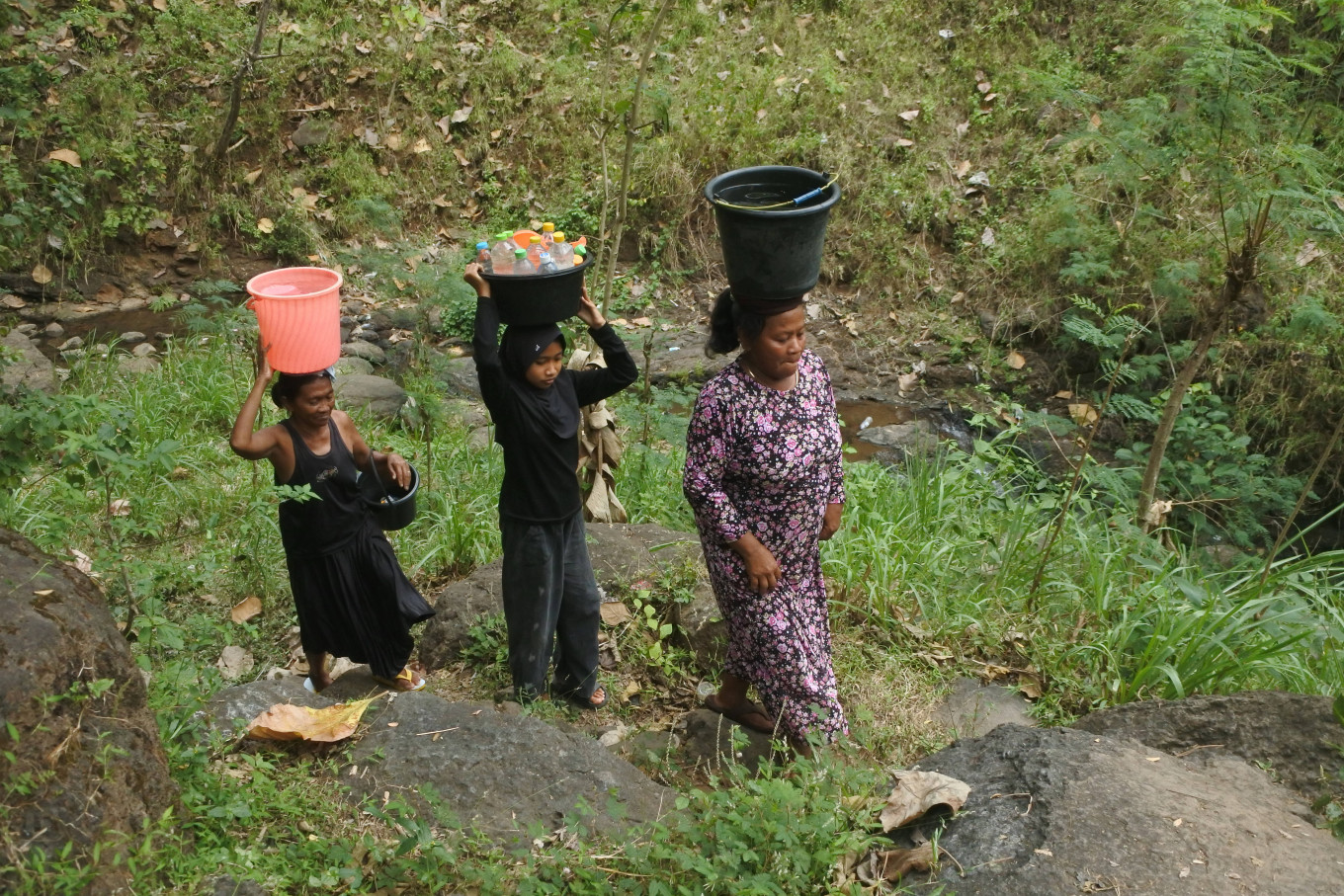
Residents carry buckets of water collected from a natural spring in Gunung Putri village, Situbondo regency, East Java, on June 20, 2026. Villagers say they have struggled to access clean water for drinking and daily needs over the past month, forcing them to walk about one kilometer to the spring. (Antara/Seno)
After a decade of concerted global effort, one message is clear: there has been tangible progress in implementing Sustainable Development Goal 6 (SDG 6), “Ensure availability and sustainable management of water and sanitation for all”. However, this progress remains far too slow. If the world is to meet its targets, implementation must now radically accelerate.Adopted in 2015, SDG 6 created the first internationally agreed framework covering the entire water cycle, from drinking water, sanitation, and hygiene to wastewater management, water quality, efficiency, transboundary cooperation and the protection of freshwater ecosystems.
Since its inception, 961 million people have gained access to safely managed drinking water services. Approximately 1.2 billion have gained access to safely managed sanitation, while an additional 1.6 billion people now possess basic hygiene services. Furthermore, global water-use efficiency increased by 19.5 percent between 2015 and 2022. By 2023, nearly 60 percent of countries had reached at least a “medium-high” level of integrated water resources management, up from 40 percent in 2017.