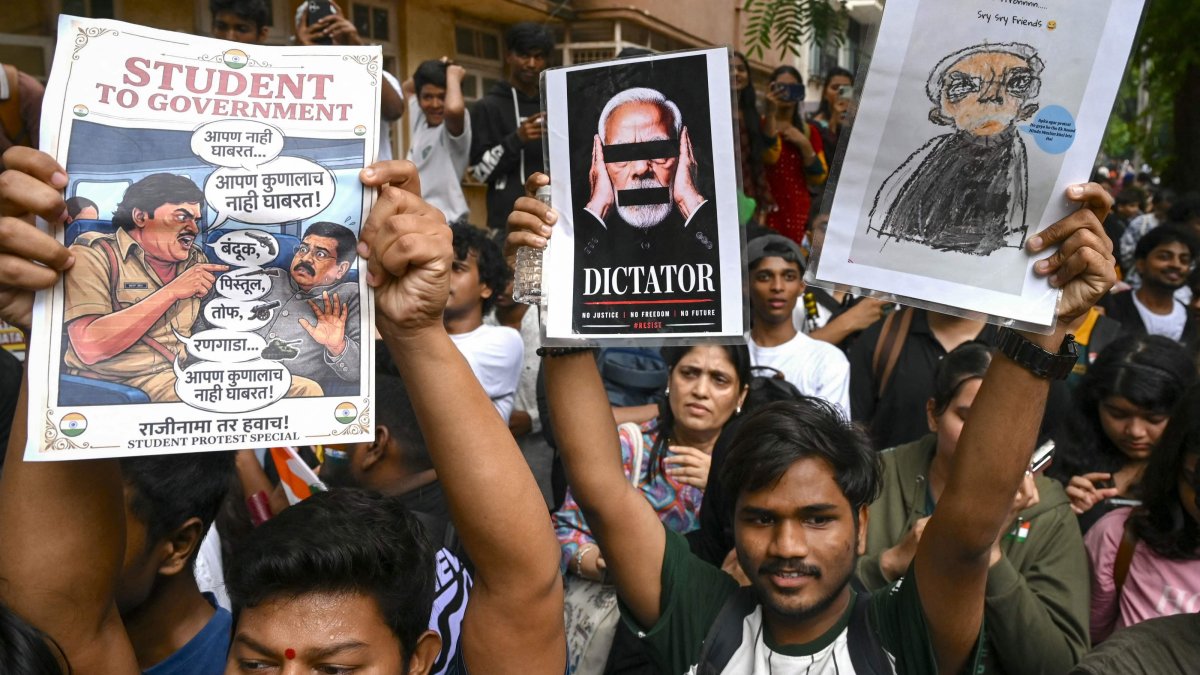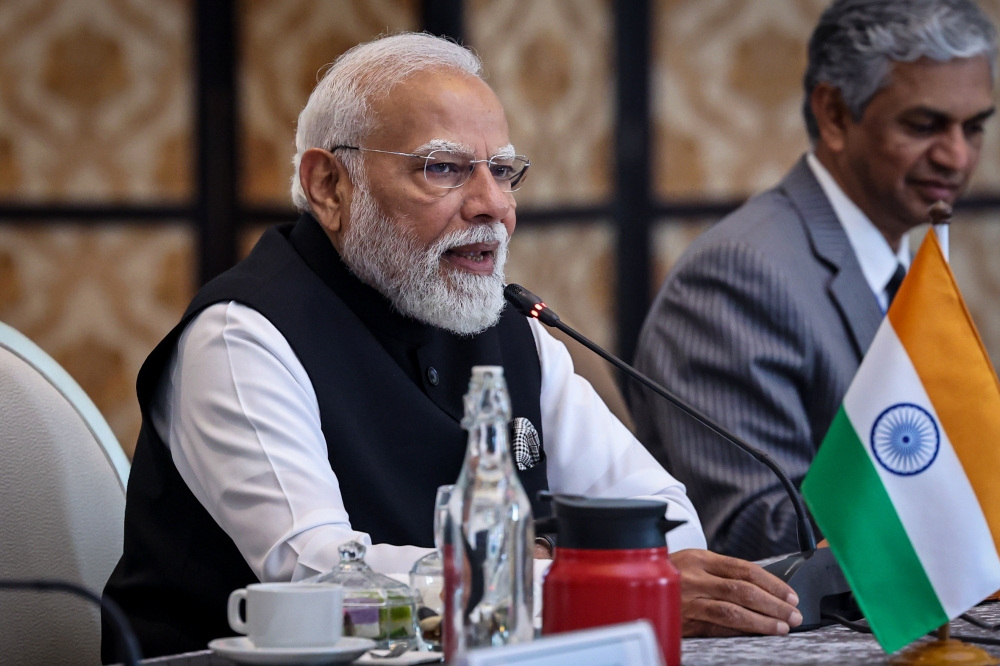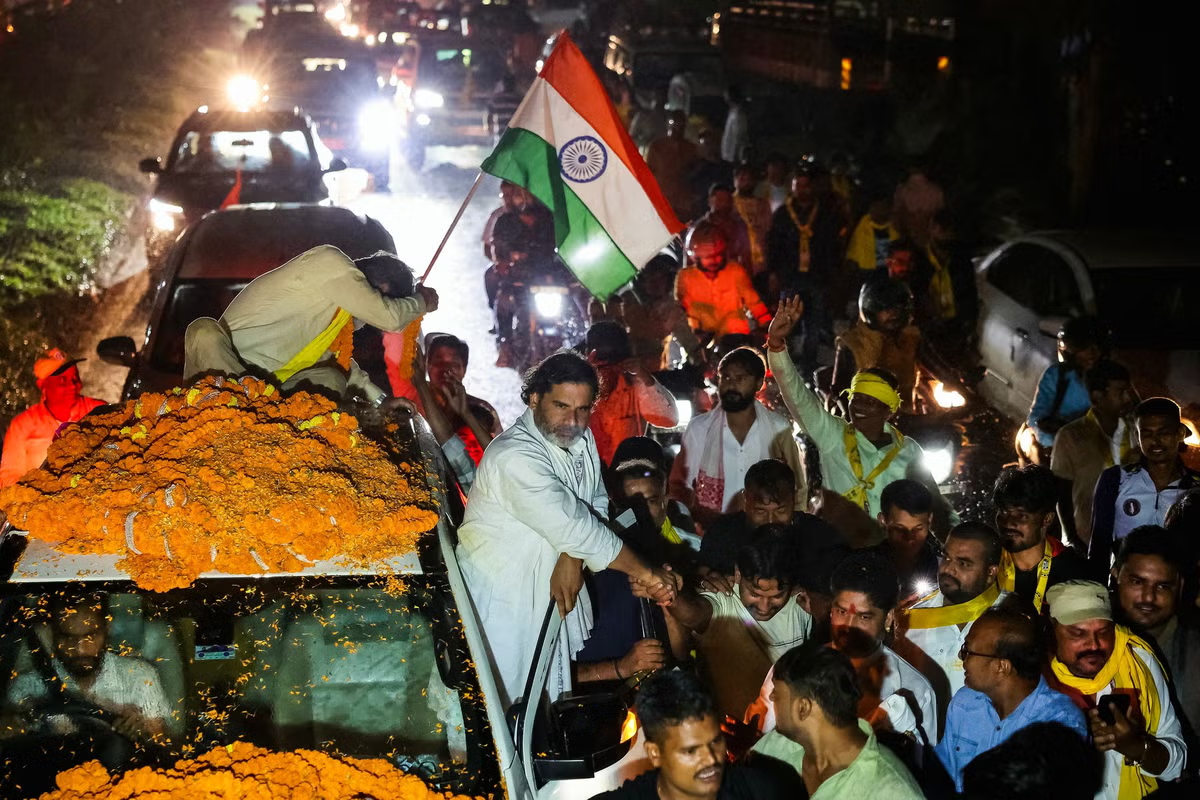
Rarely since assuming office in 2014 has Prime Minister Narendra Modi appeared as politically vulnerable as he does today.
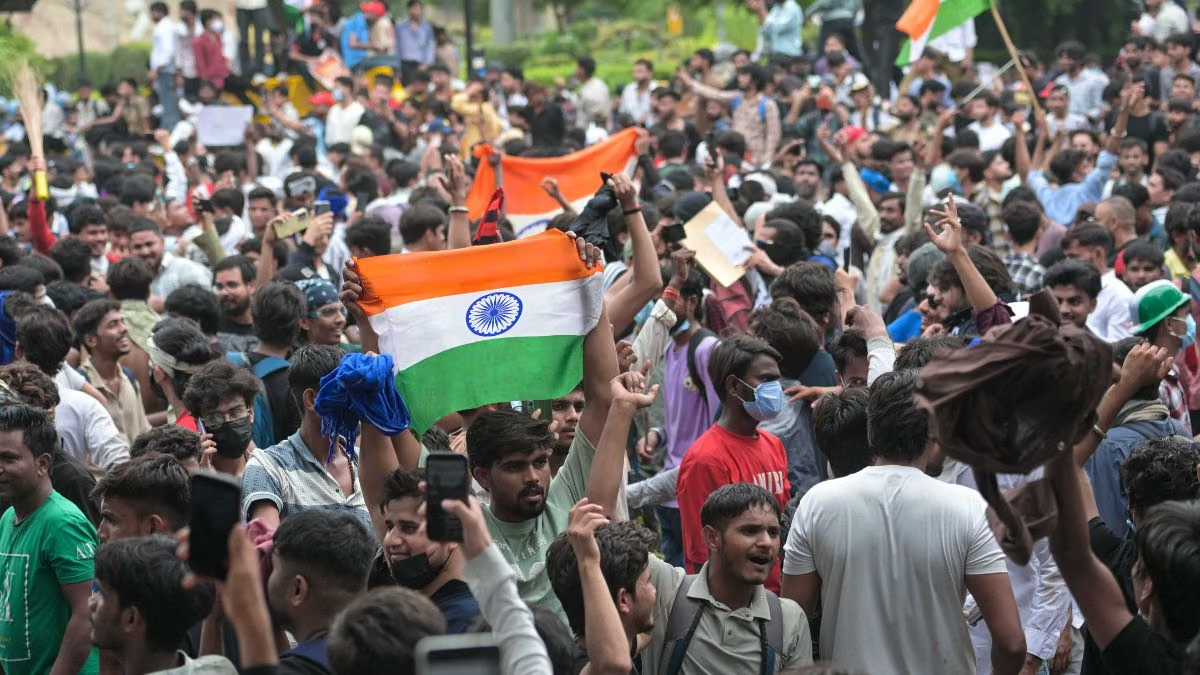
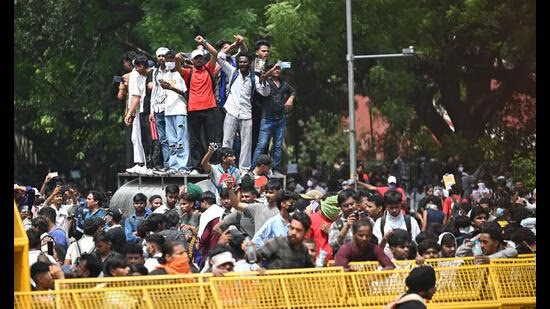
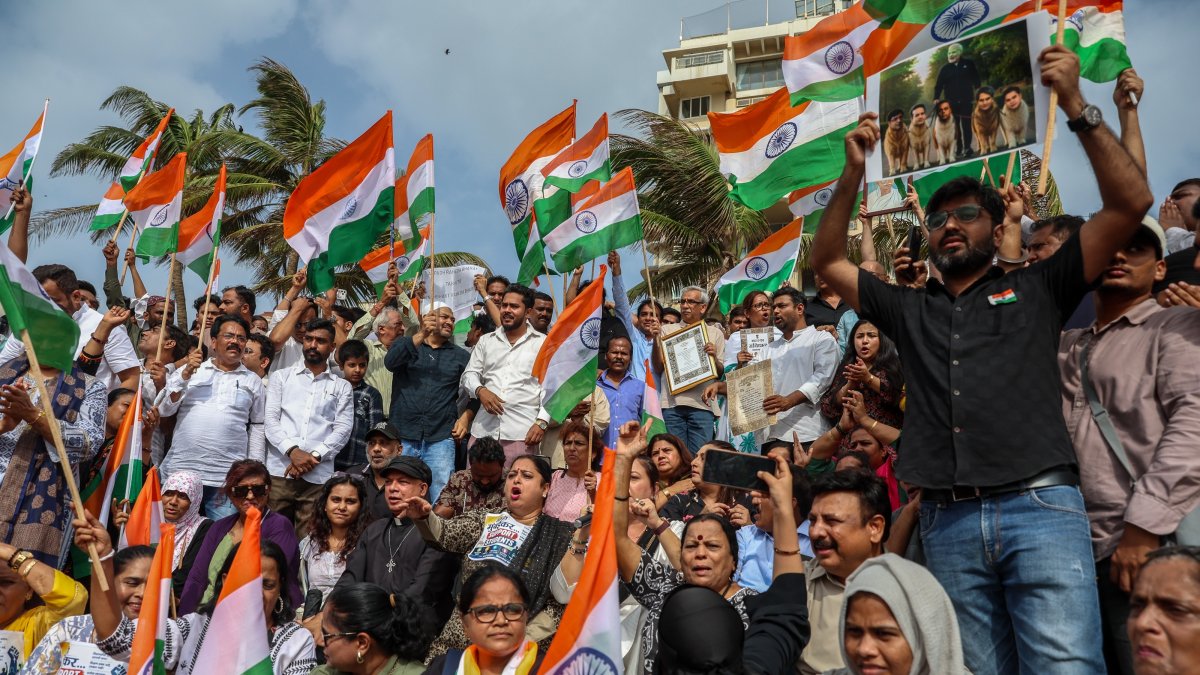
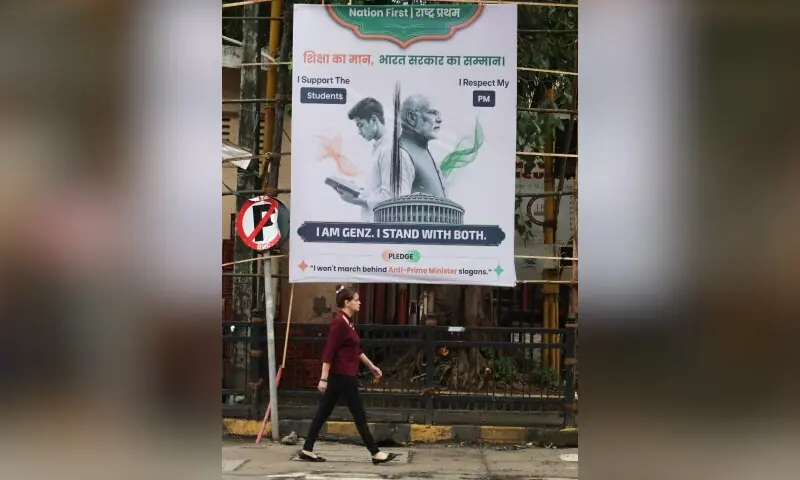
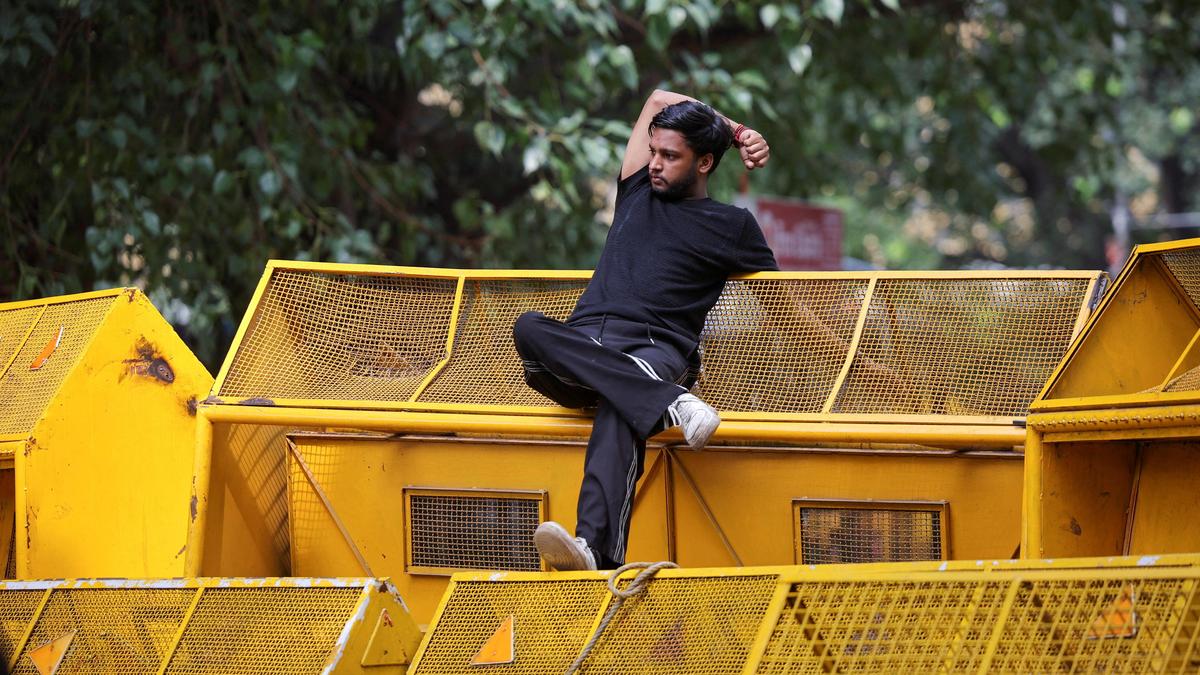
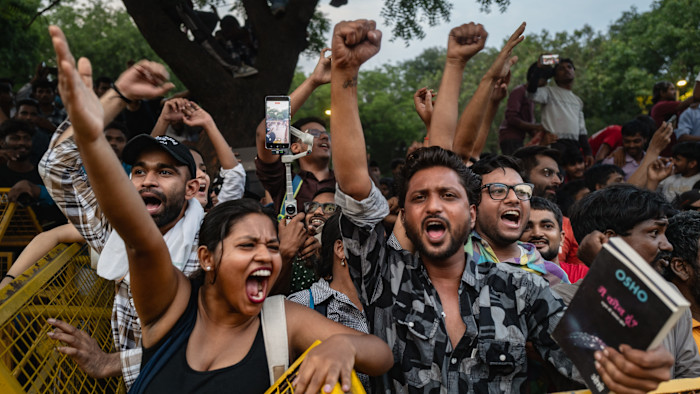
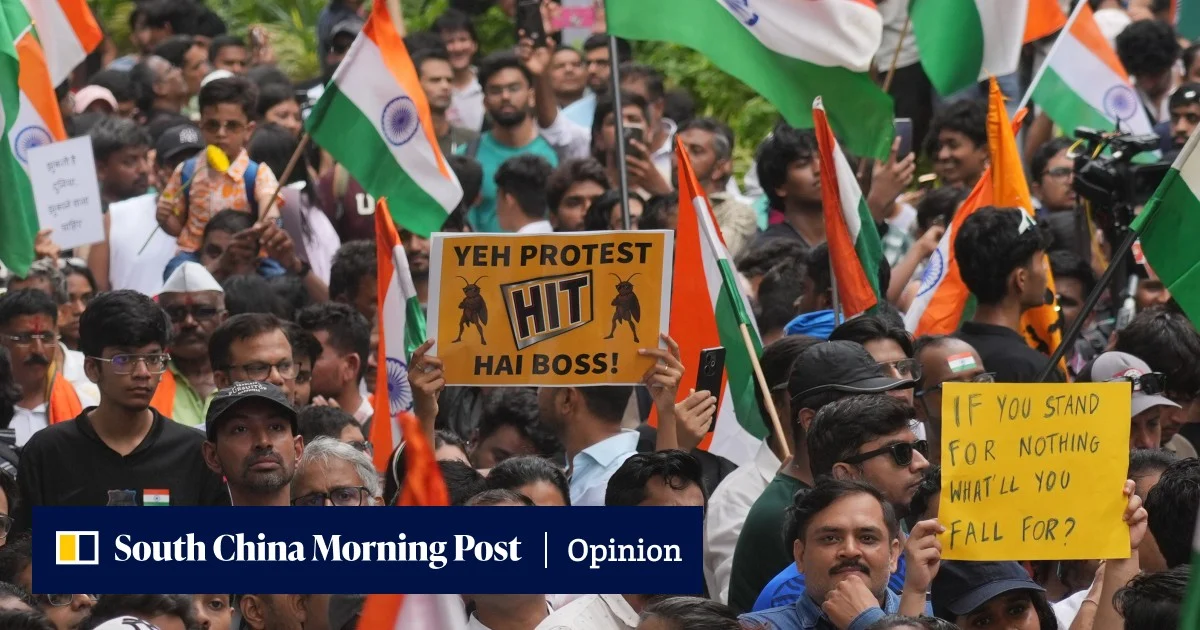
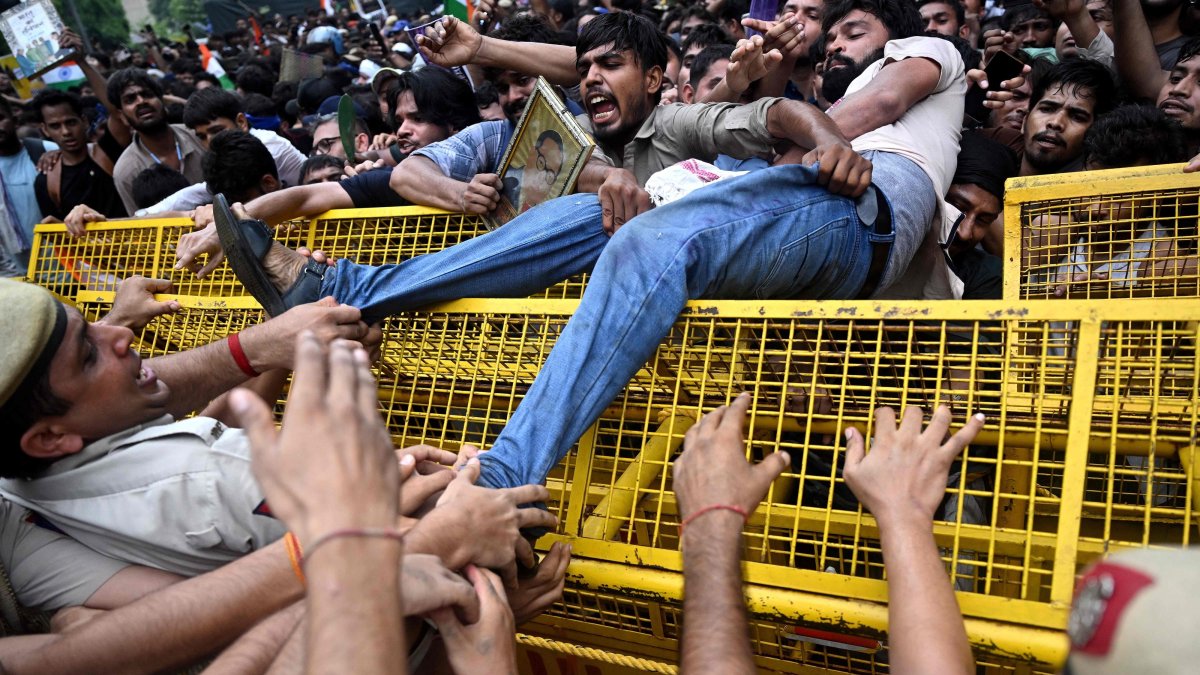
The ruling Bharatiya Janata Party (BJP) suffered two important assembly by-election defeats in states it governed, including the loss of a constituency vacated by its own national president that it had retained for nearly three decades. Whether the recent Gen Z-led protests will significantly reshape India's electoral politics is still uncertain. Electoral outcomes alone, however, do not capture the protests' broader significance. What appears increasingly clear is that they have punctured one of the most carefully cultivated political narratives of the past decade, the image of Modi as an electorally invincible leader whose authority remained largely immune to popular challenge.
The uniqueness of these protests lies in their social composition. India has witnessed larger and longer agitations. The yearlong farmers' movement ultimately compelled the government to repeal three contentious farm laws after more than six hundred protesting farmers died by suicide, harsh weather and other causes. The protests against the Citizenship (Amendment) Act were met with widespread communal violence, and many of their prominent organizers remain imprisoned years later without trial.