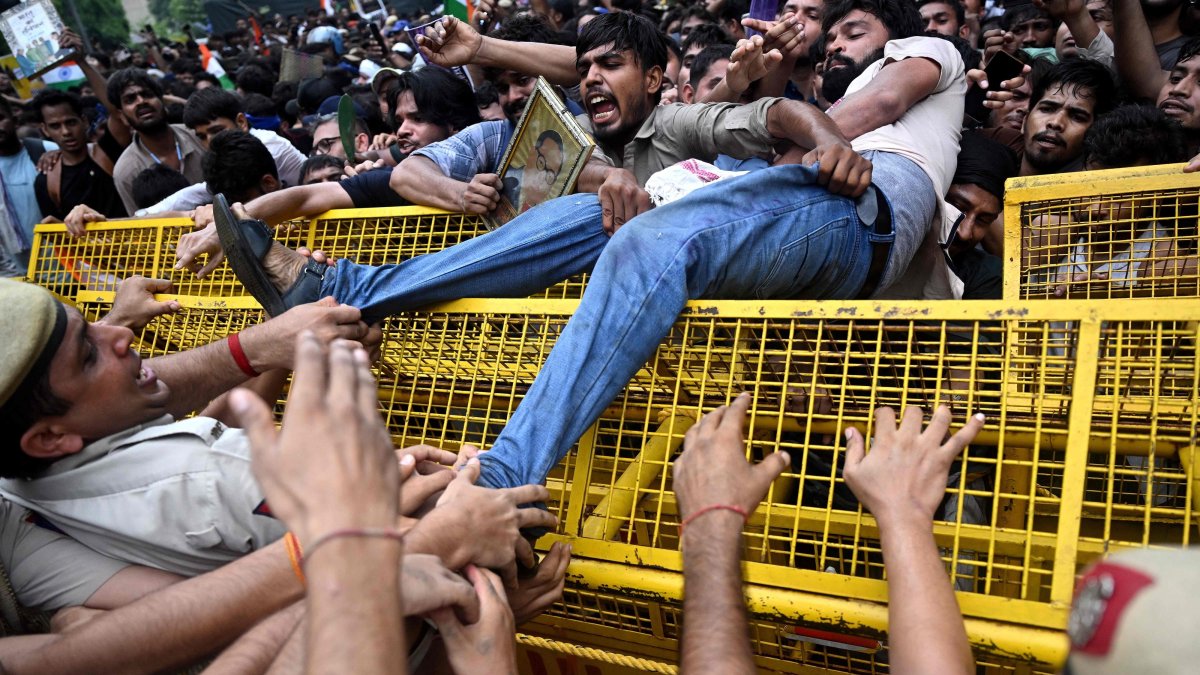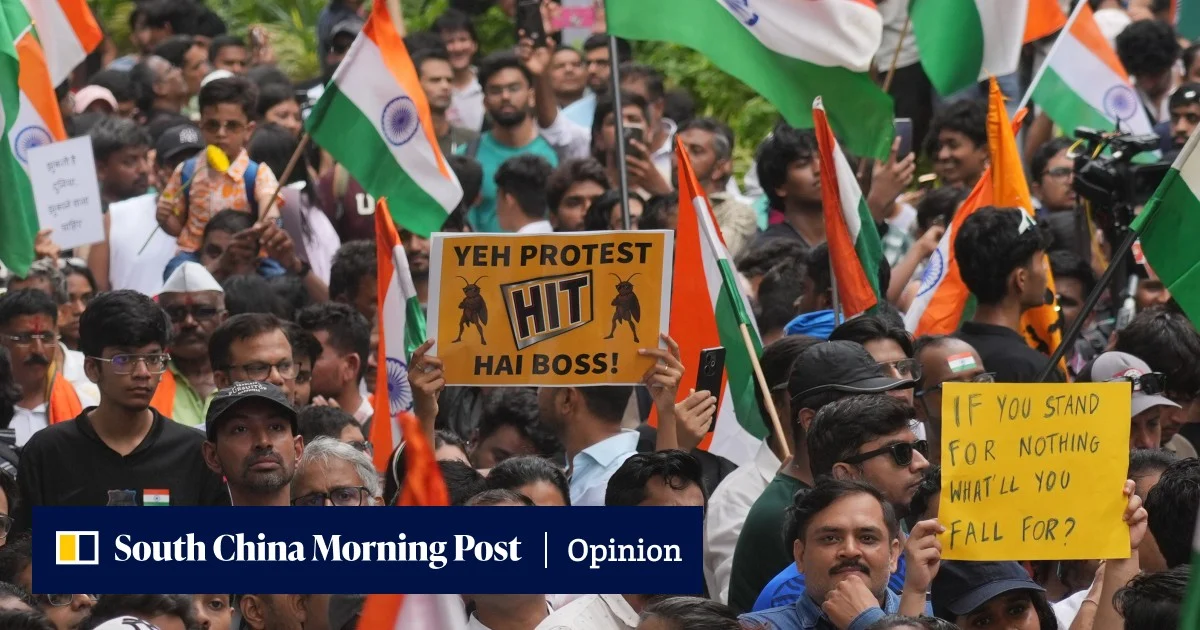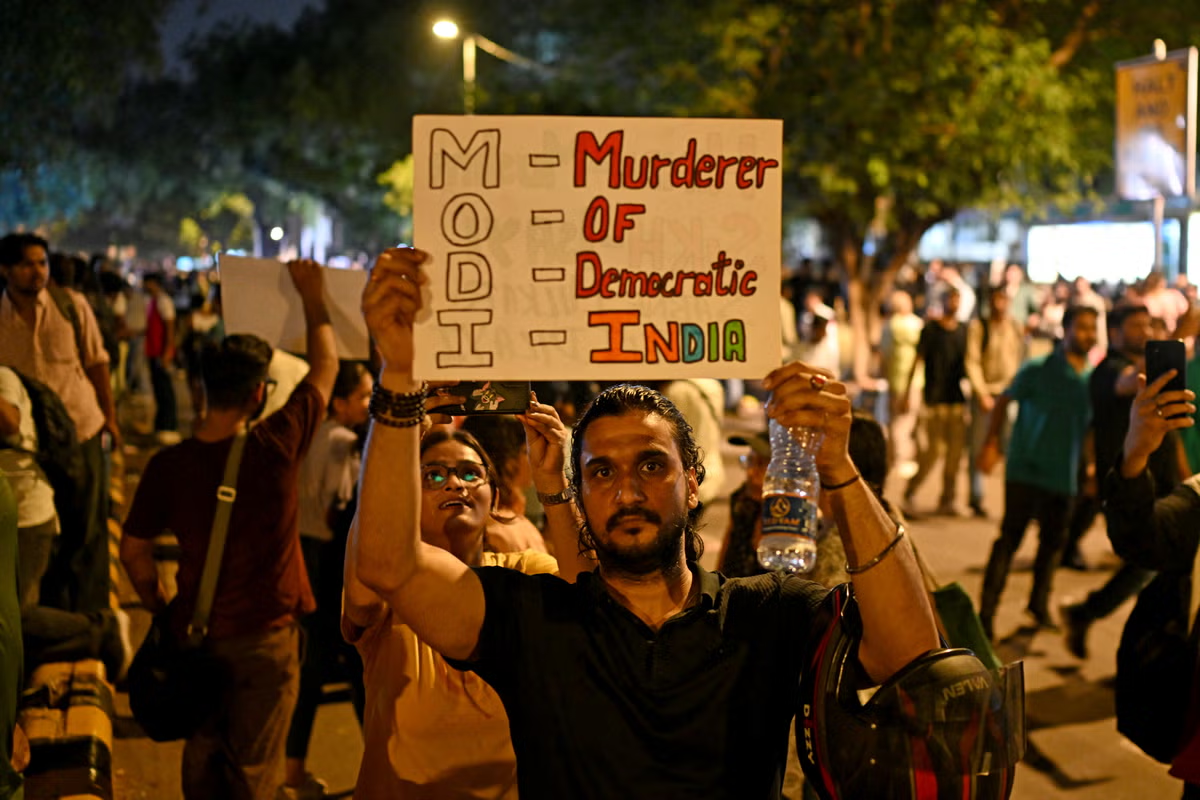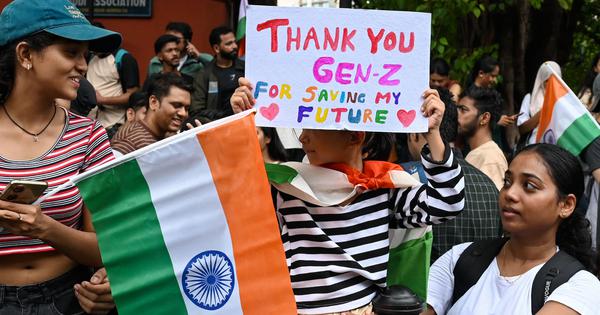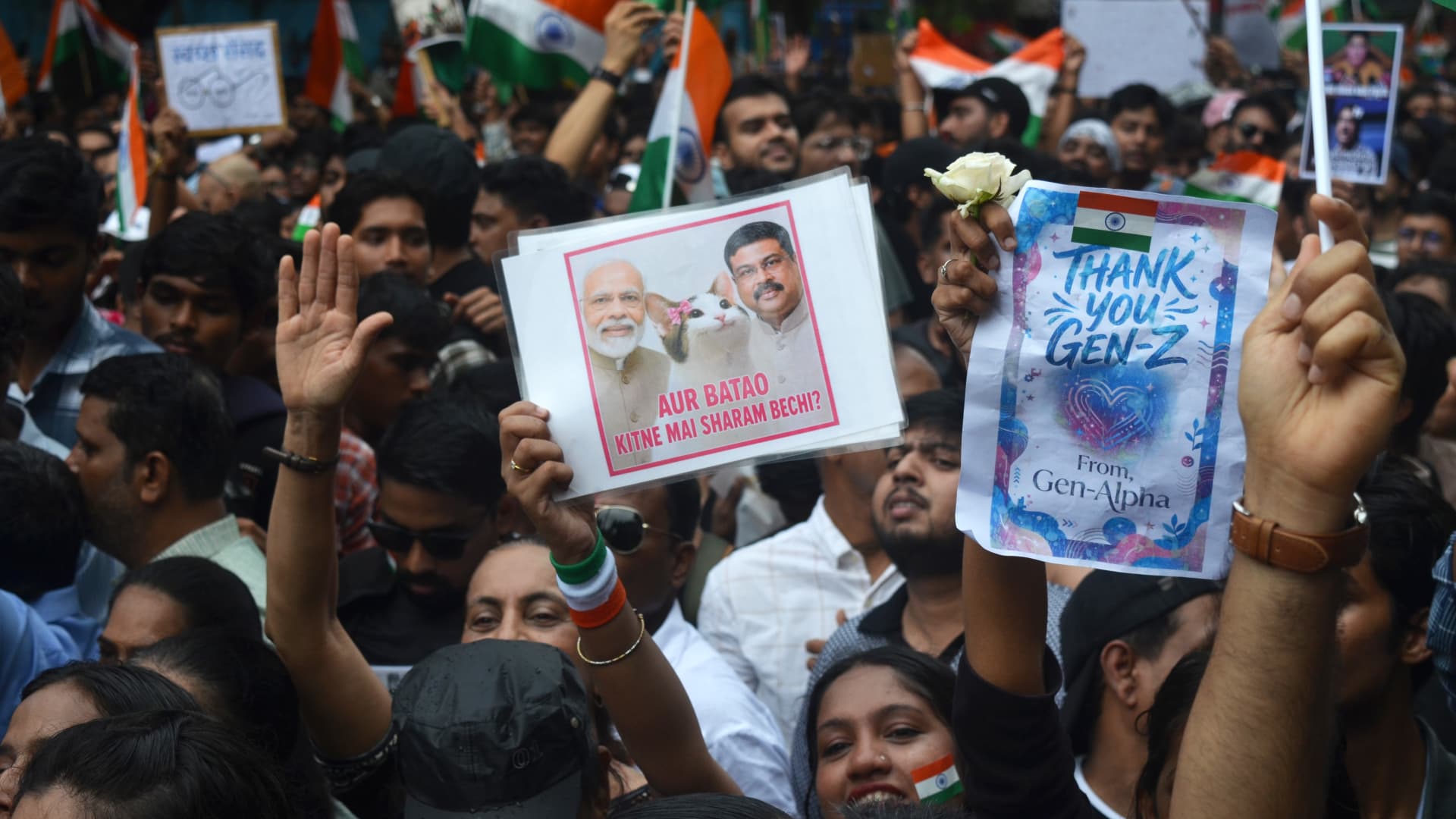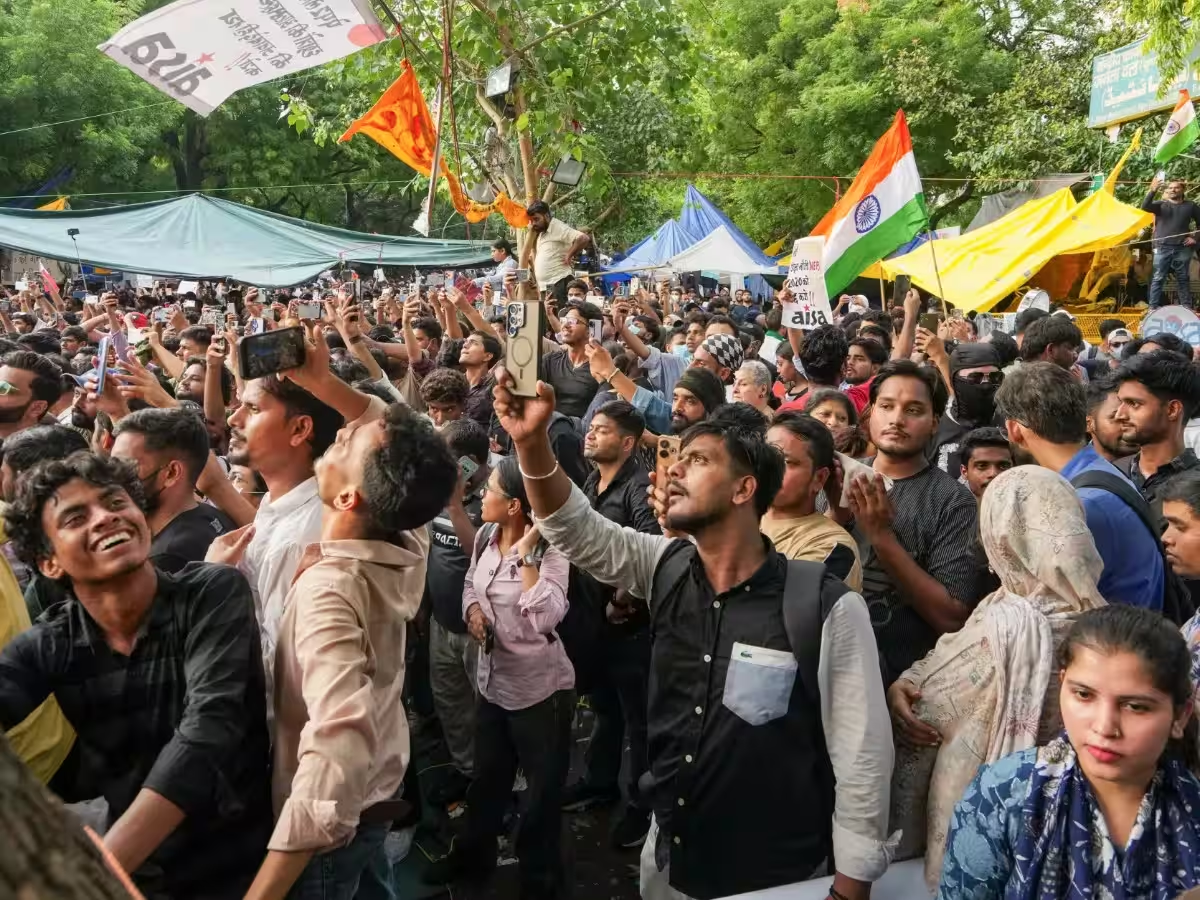
Days after India’s youth-led protests forced the resignation of the Union Minister of Education, Members of Parliament found themselves speaking in the language of the protesters. For instance, Shiv Sena’s Shrikant Shinde accused the Opposition of being “MIA” (missing in action) and feeling “FOMO” (the fear of missing out). However, Gen Z were in the limelight far before the protests caught steam. Tamil Nadu’s freshly elected Chief Minister, C. Joseph Vijay of the Tamilaga Vettri Kazhagam (TVK), owes his victory, in part, to the Gen Z voters of the State. The debutante party involved its young following in electoral politics, one viral Instagram reel at a time. In response to this, the then-incumbent Dravida Munnetra Kazhagam (DMK) co-opted Gen Z slang as well, to no avail. Are traditional parties unable to understand the grammar of Gen Z politics? N. Sai Balaji and Kunal Purohit discuss the question in a conversation moderated by Nitika Francis.
Do you think traditional parties are succeeding in connecting with Gen Z?Kunal Purohit: I think it’s very clear now that all traditional political structures have, in some form or the other, failed in conversing with the young. We’ve seen a lot of speaking at the young, a lot of telling them what they should be thinking, what they should be believing in, where their problems lie, and where their solutions lie but not enough of speaking with them and understanding from them what they really feel. So the protests are really a sign of that gaping hole in our political discourse. What you saw in Delhi, what you saw in so many cities and towns of India across the last few weeks, is an explosion due to the absolute lack of conversation. It’s an explosion of the resentment that builds when you shut a room full of people up and tell them that they have no say in what is going to happen to their futures.