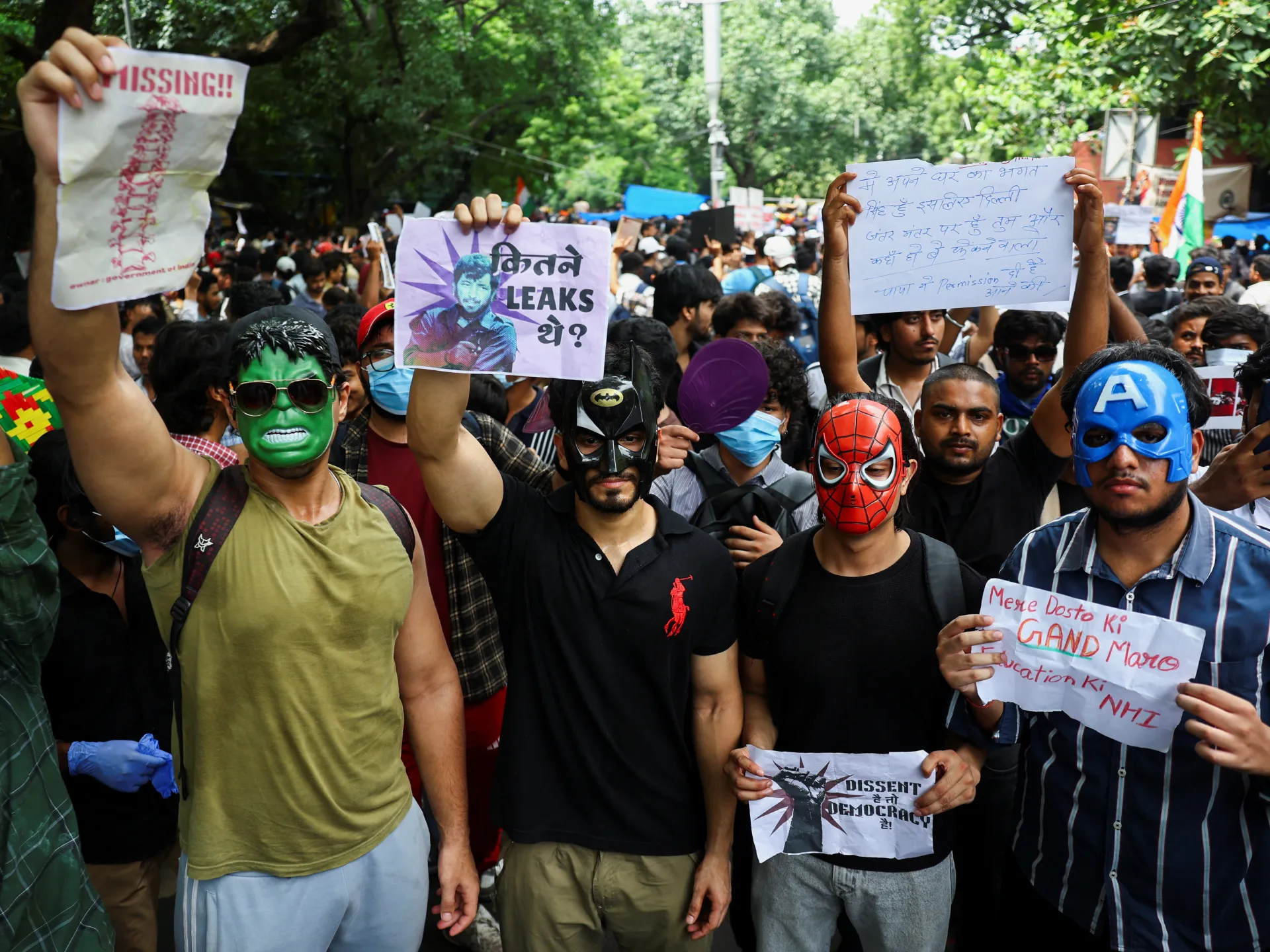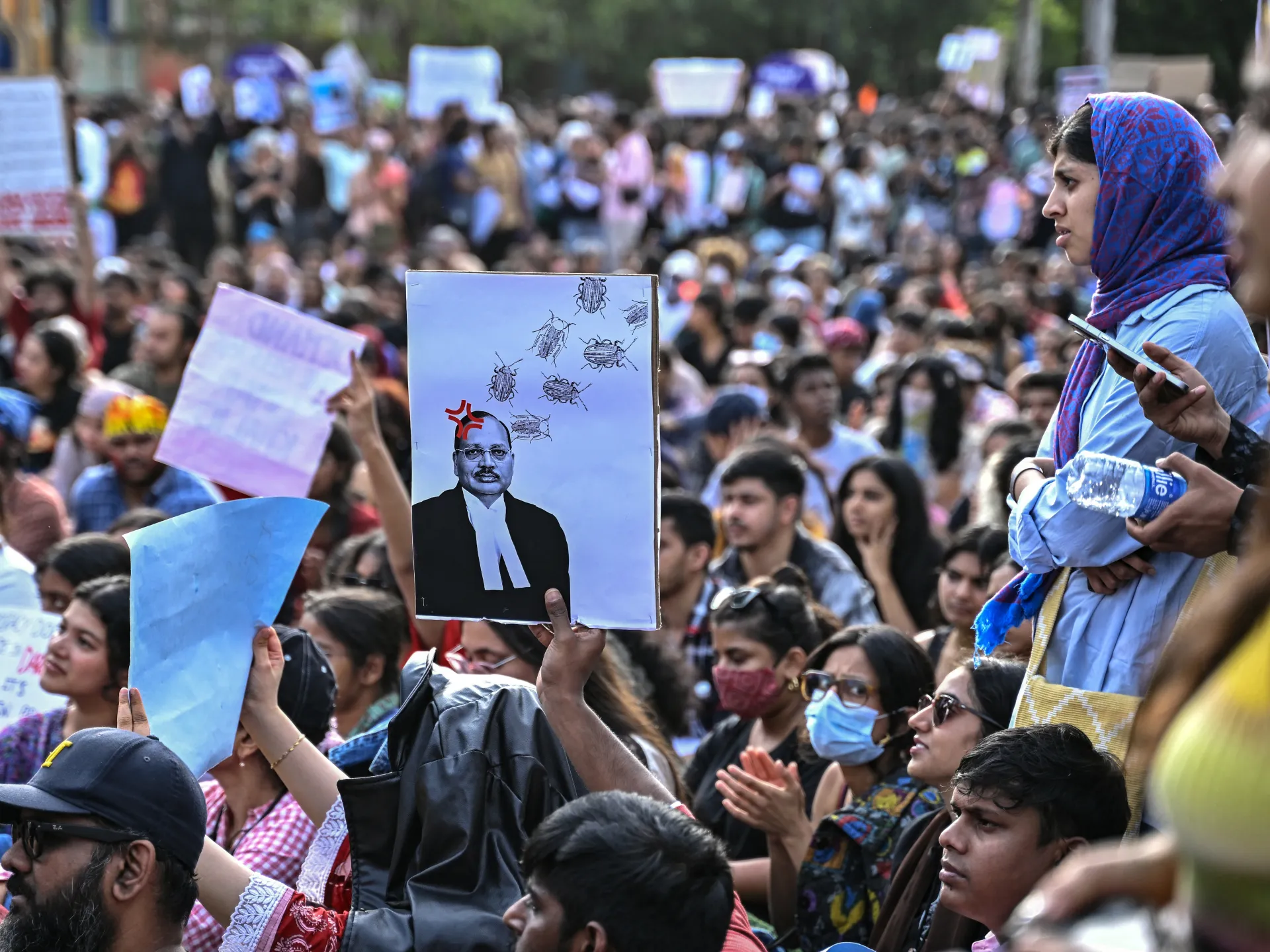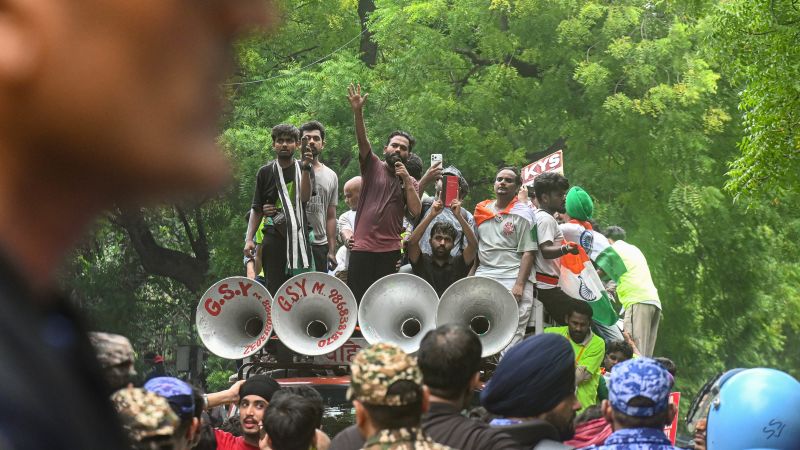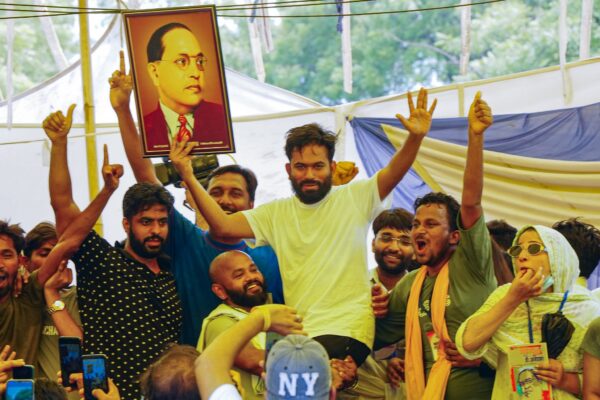
When voices combine, power becomes collective. And when that happens, even the mighty realises that they are not quite as invincible as they had begun to believe.
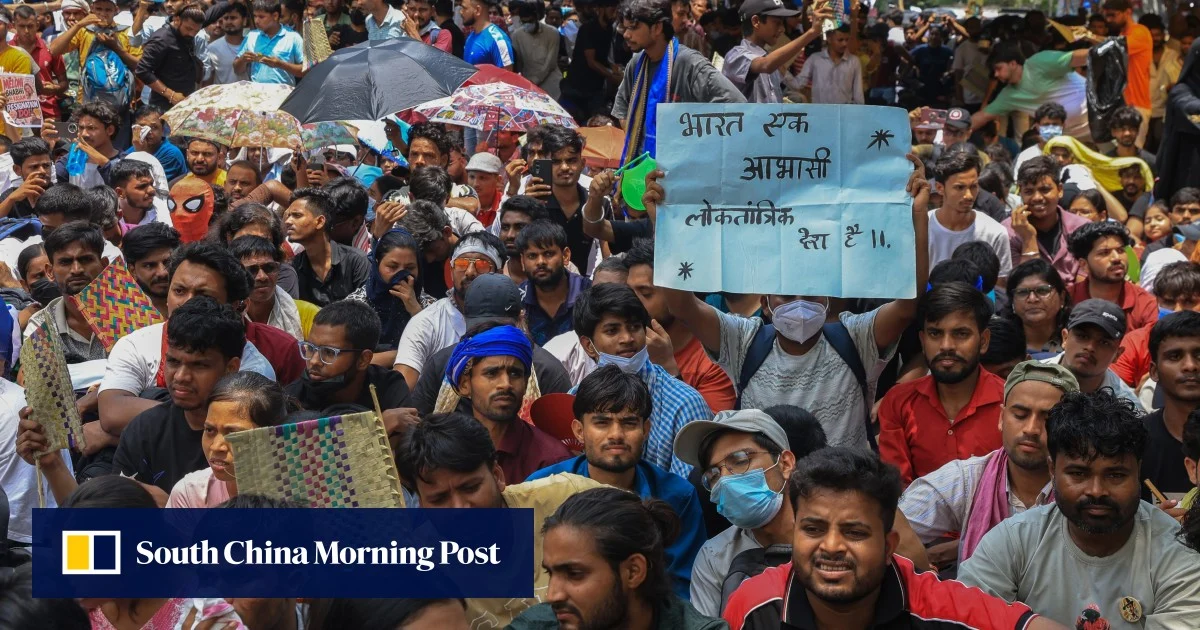
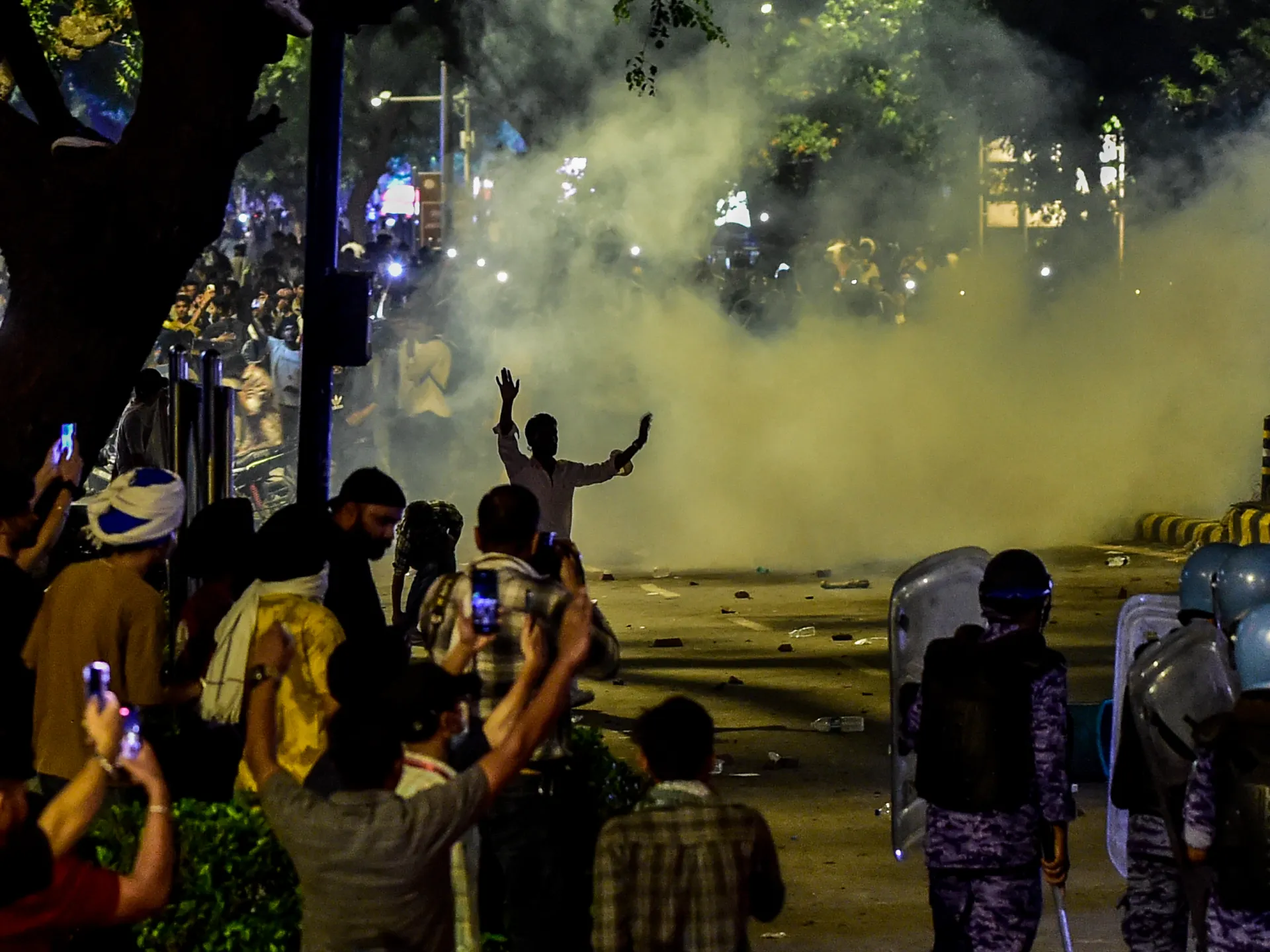
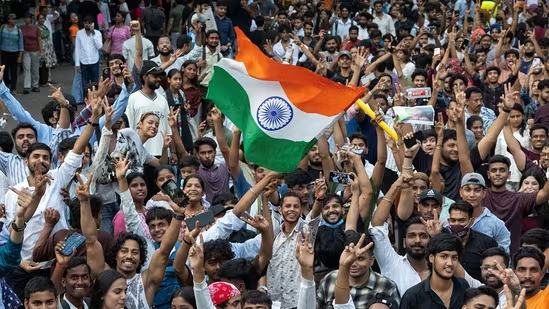
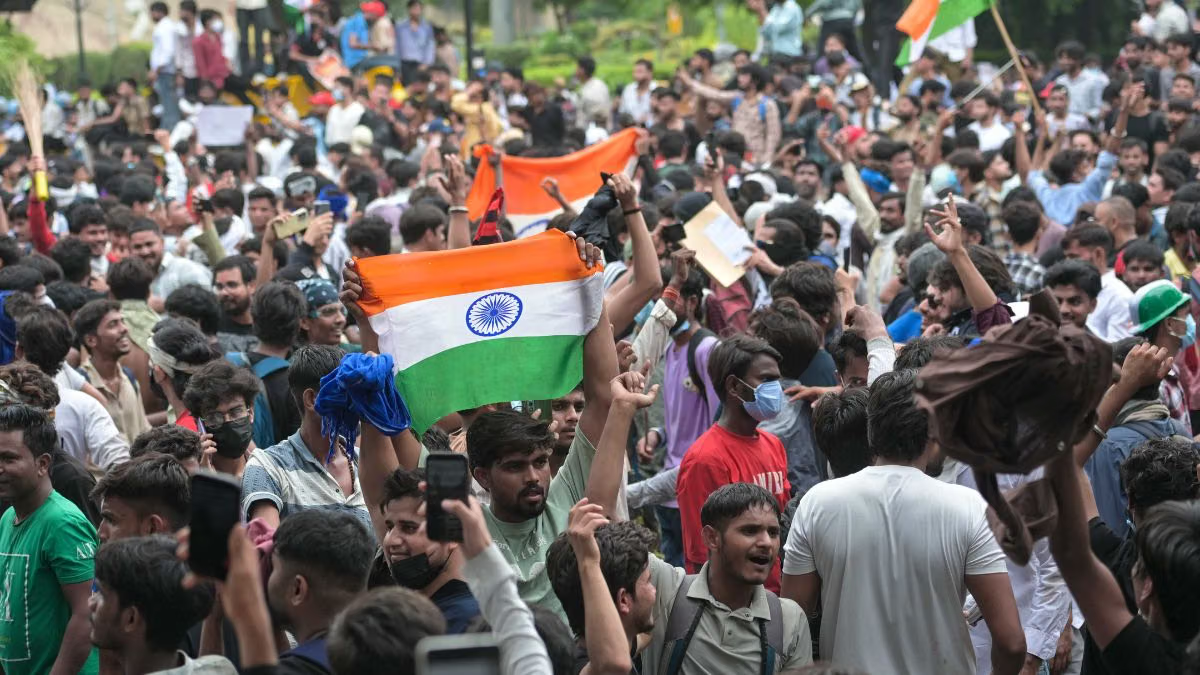
Dharmendra Pradhan’s resignation was unexpected. For 29 days, students had been protesting, and as a result, social activist Sonam Wangchuk went on a hunger strike. But then 20 July happened, and Delhi’s streets filled with a generation the government had perhaps assumed could be contained with barricades, by closing Metro stations and enough police deployment.They assumed that fear would deter the students.
But something else had been happening simultaneously, on a terrain the BJP understands better than perhaps any other political party in India: social media.The reverse card
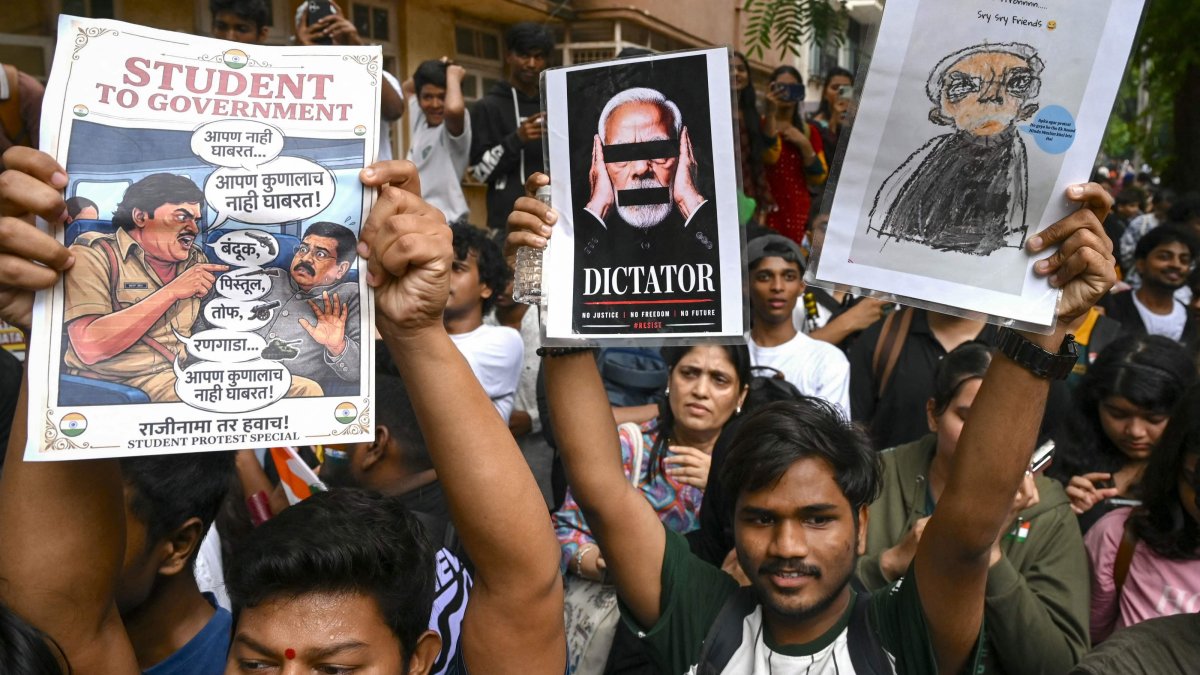
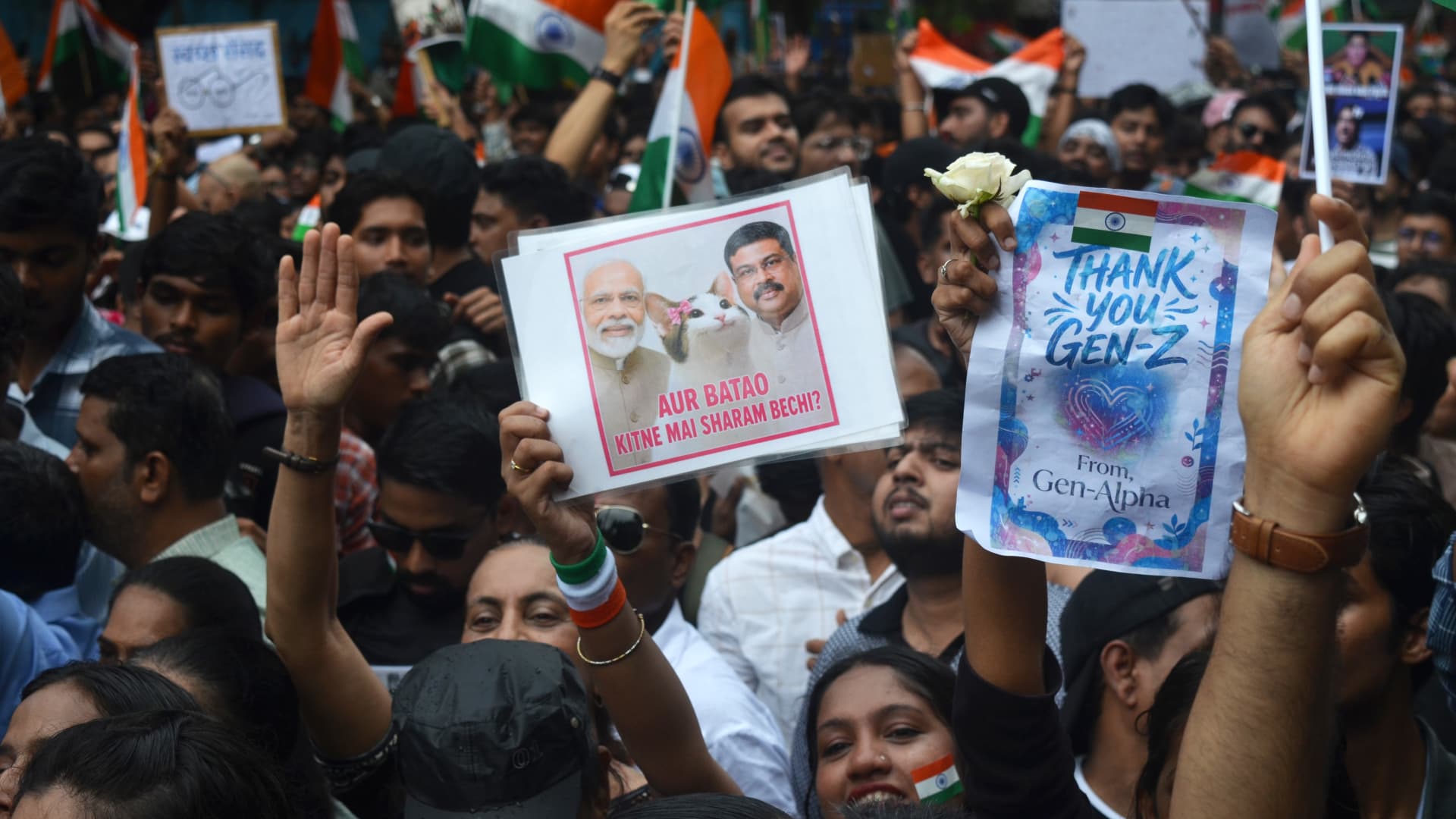
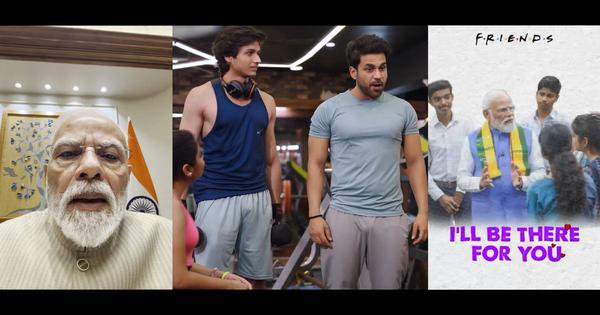
For more than a decade, Prime Minister Narendra Modi and the BJP had mastered the politics of the internet. The photograph, the hashtag, the carefully produced videos, the viral clip, the direct communication that bypassed traditional media—these were not accessories to their politics. They were part of its architecture. But within a month, and more so in the past week, the algorithms began to drift away from them. In the past two days, the PM himself tried to change the algorithm in his favour. Produced reels hoping to find a connect with Gen Z, but the damage control backfired. Almost as quickly as Modi’s videos appeared, they were being clipped, remixed, memed and turned into punchlines. Another attempt to damage control only became fresh material for content. The PM was speaking to Gen Z through their language; Gen Z was answering back in its own language.After all, Gen Z are not young people who grew up writing long Facebook posts or waiting for the evening news bulletin to tell them what had happened that day. They grew up with TikTok, Snapchat, Instagram, YouTube Shorts, edits, remixes and memes. They understand instinctively what previous generations had to learn professionally: how to capture attention in three seconds, how to turn an image into an argument and how to make something travel.And BJP encountered a political opponent it could neither easily out-produce nor out-meme.That is what made this movement particularly fascinating to watch. Its political language was not borrowed from an older generation. It did not always arrive as a speech, pamphlet or manifesto. It came as a meme, as a badly drawn placard, as a reel edited to a Bollywood song and as a police chase converted within hours into content designed to make thousands laugh.And then the internet spilled onto the streets.From online to offline