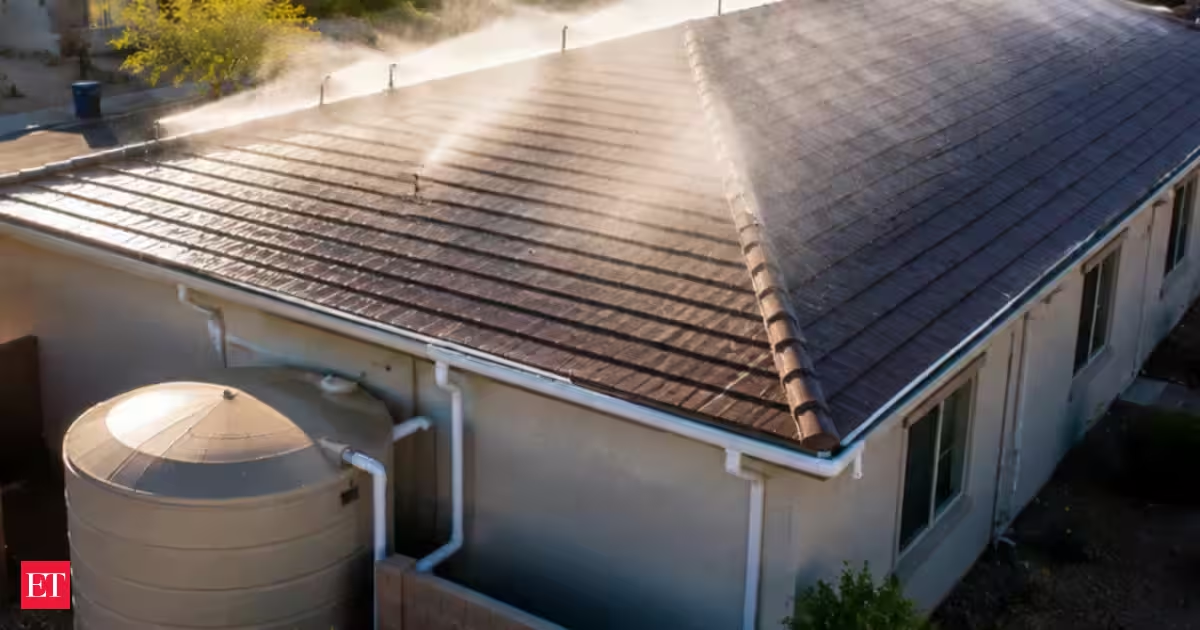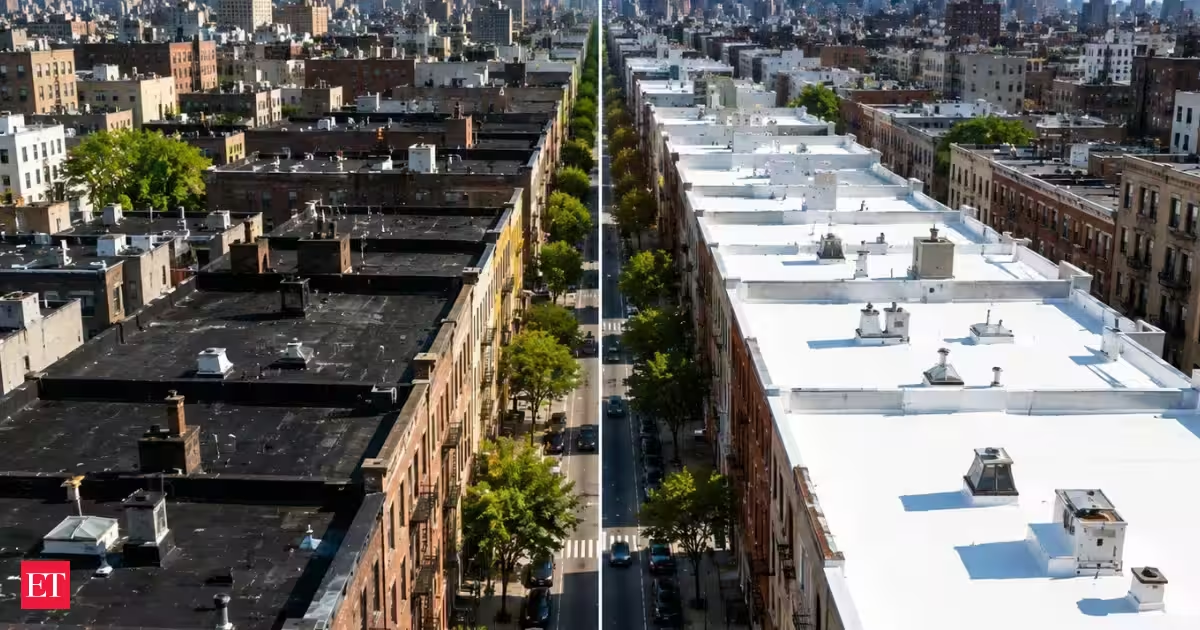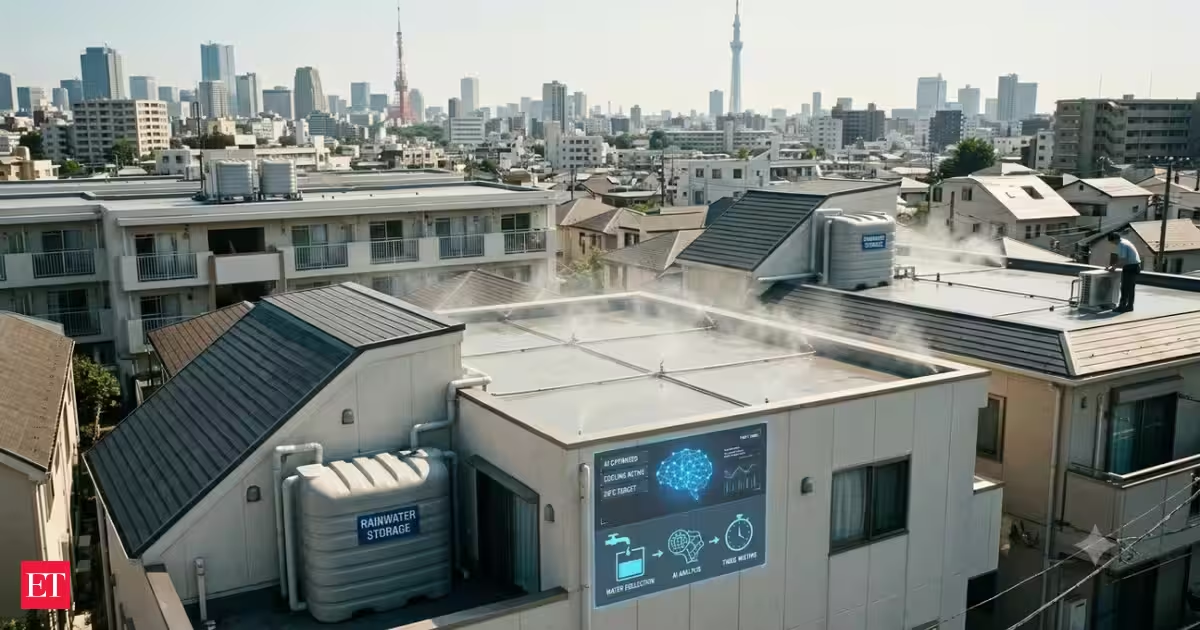
Rooftop rainwater harvesting: Tokyo's rooftops could offer a new way to deal with extreme heat: collecting rainwater and using it to sprinkle roofs when temperatures rise.A new study, "Optimizing the rainwater harvesting and roof sprinkling system to adapt to urban extreme heat," examined how rainwater harvesting and roof sprinkling could be optimized with machine learning to cool buildings, reduce air-conditioning energy use and address extreme heat.The researchers used Tokyo as a case study, combining an urban climate model with a machine-learning approach to examine factors including rainwater tank size, sprinkling intensity and the temperature threshold for starting the sprinkling system, as per a report.The researchers found that increasing the size of the water tanks did not necessarily produce proportionally greater cooling benefits. They also found that the potential cooling benefits of the system become greater during hotter years.Turning rooftop rainwater into a cooling toolThe concept is relatively simple. Rainwater collected from rooftops can be stored in tanks and later used to sprinkle roofs during periods of extreme heat.You Might Also Like:As the water evaporates, it cools the roof surface. That can reduce the amount of heat entering buildings and potentially lower the amount of energy needed for air conditioning.The researchers examined how factors such as rainwater tank size, sprinkling intensity and the temperature threshold for starting the system affected its performance, as per an American Geophysical Union (AGU) report.They then used machine learning to identify combinations of those factors that could improve the system's performance.Tokyo served as the study's caseThe researchers used Tokyo as a case study to examine how a rainwater harvesting and roof-sprinkling system could help address extreme urban heat.You Might Also Like:The study combined an urban climate model with machine-learning techniques to assess the effects of roof sprinkling on urban temperatures, building cooling and air-conditioning energy use.The analysis focused on the June-to-September period and examined heatwave events over a 10-year period from 2010 to 2019.The researchers did not test the system through a citywide deployment in Tokyo. Instead, they used simulations to examine how different configurations of the rainwater harvesting and roof-sprinkling system could perform.The findings are therefore based on model simulations rather than measurements from an operating citywide system.You Might Also Like:AI was used to optimize the cooling systemThe researchers combined an urban climate model with machine-learning methods to examine how a rooftop rainwater harvesting and sprinkling system could be operated to improve its cooling performance, according to the AGU report.The study looked at different system settings and used machine learning to help identify configurations that could provide better results under the conditions examined.Because the research was based on simulations rather than a citywide installation, the findings represent model-based estimates of how the system could perform.Cooler roofs could reduce air-conditioning demandThe potential effects of the system go beyond cooling the roof itself.By reducing the amount of heat entering buildings, roof sprinkling could lower air-conditioning energy consumption.The researchers also examined how rainwater storage affects surface runoff, adding another potential benefit to the system.The study, therefore, examines whether rainwater harvesting and roof sprinkling could help address extreme heat, building cooling demand and rainwater runoff, as per the report.The benefits could grow during hotter yearsThe researchers found that the potential cooling benefits of the system become greater during hotter years.The study examined heatwave characteristics during the 2010-2019 period and assessed how the rainwater harvesting and roof-sprinkling system could affect extreme heat under different conditions.The researchers also used machine-learning methods to optimize the system's settings and examine how it could perform under the conditions studied, according to AGU report.A potential cooling strategy using rainwaterThe study presents rooftop rainwater harvesting and roof sprinkling as a potential strategy for adapting to extreme urban heat.The system would collect rainwater from rooftops, store it, and use it to sprinkle roofs during hot periods, with evaporation helping cool the roof surface.The research is based on simulations using an urban climate model and machine-learning methods rather than a citywide deployment in Tokyo.The researchers examined how the system could be optimized under different conditions and assessed its potential effects on urban temperatures, building cooling and air-conditioning energy use.
Tokyo used rooftop rainwater and AI-powered spraying to fight extreme urban heat; study finds potential to cool buildings and cut air-conditioning demand and reducing the intensity of heat waves
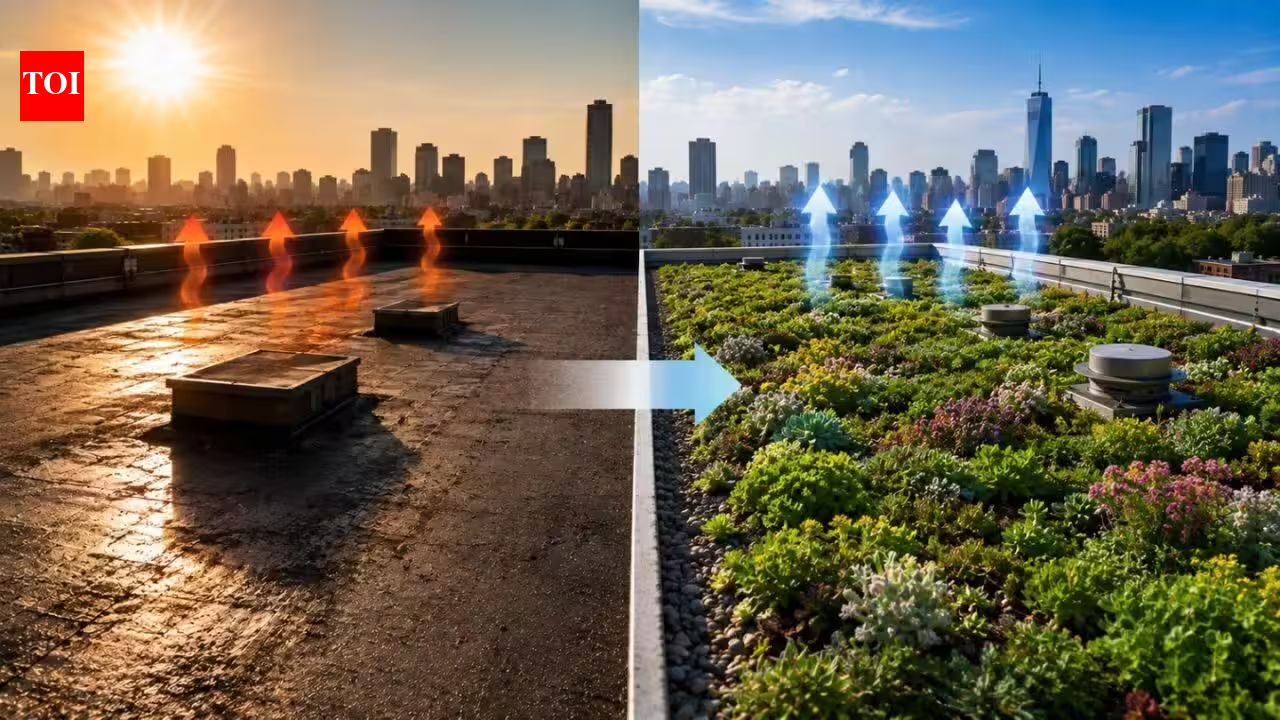
Rooftop rainwater harvesting: A groundbreaking study demonstrates how Tokyo's rooftops can be transformed into a cooling solution through rainwater harvesting and AI-powered sprinkling, potentially reducing energy use for air conditioning during extreme heat waves.
681 words~3 min read