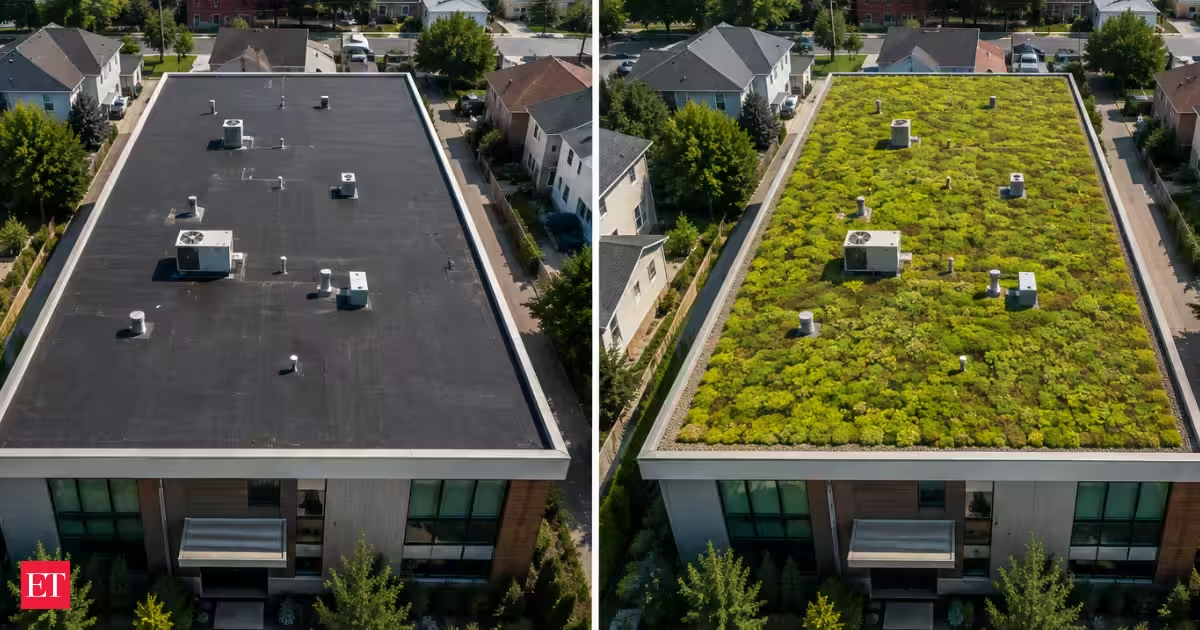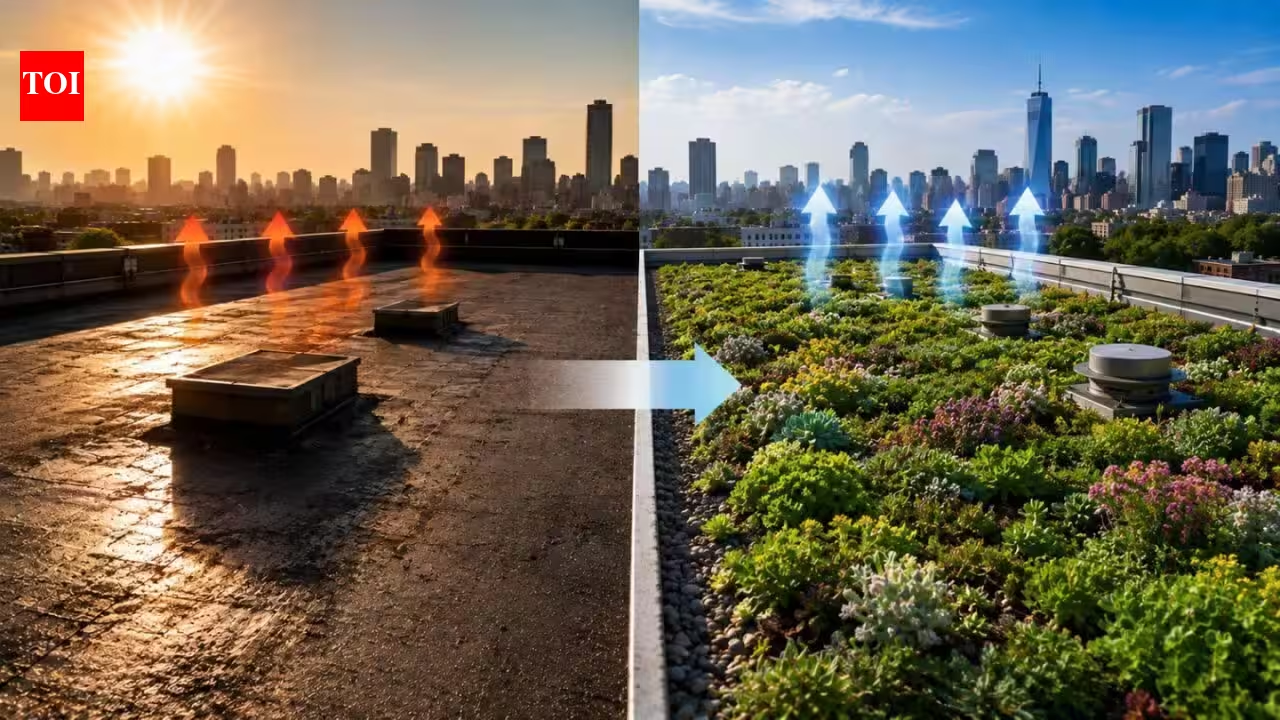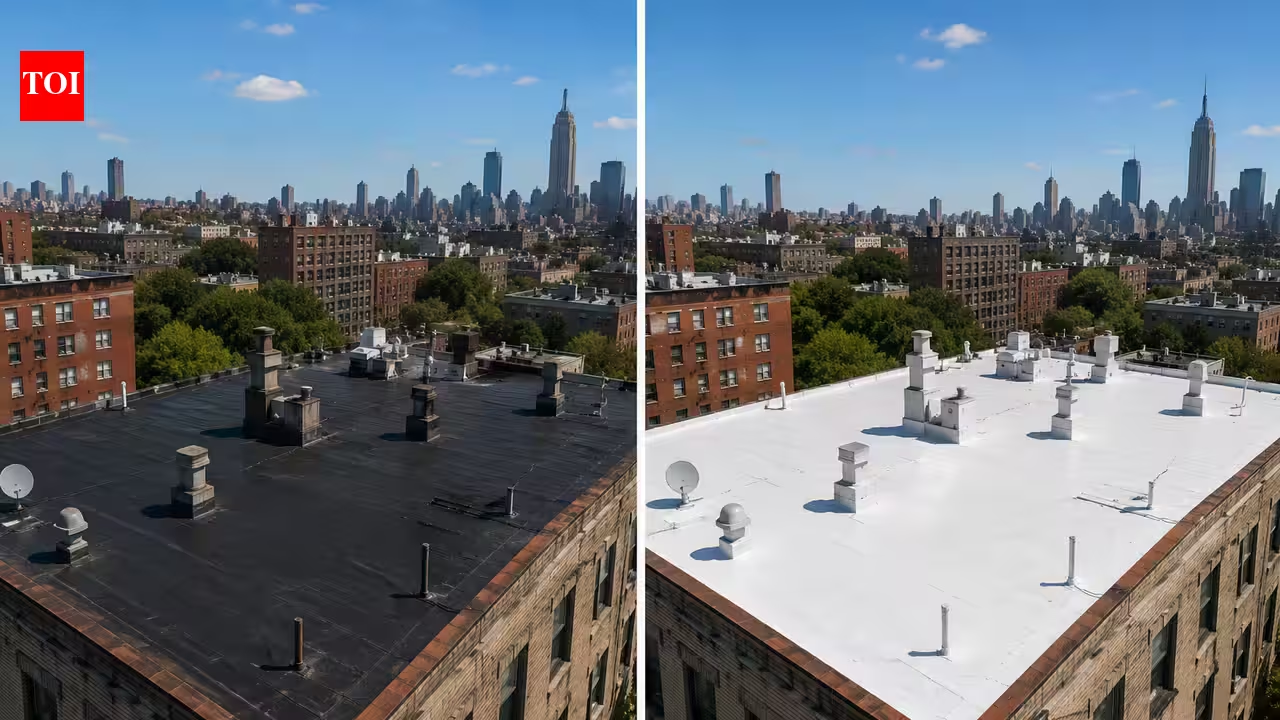
A representation of New York City's white roof initiative, illustrating how replacing a heat-absorbing black rooftop with a reflective white coating helps lower summer surface temperatures and mitigate the urban heat island effect. Image Credits: ChatGPT.During summer, city rooftops can become some of the hottest surfaces in the urban landscape, absorbing sunlight for hours before releasing that heat back into the surrounding air. In 2011, New York City tested an unusually simple way to tackle the problem. Instead of installing expensive new technology, volunteers painted dark rooftops with a reflective white coating to see whether colour alone could make buildings and neighbourhoods cooler.According to Columbia Climate School, the results showed a clear temperature difference. On one hot summer day in 2011, the surface of a conventional black roof reached about 170°F (77°C), while a nearby roof coated with white reflective paint stayed at around 128°F (53°C). Over the course of the summer, the painted roof recorded peak surface temperatures that were, on average, 43°F (24°C) lower than the black roof, illustrating how a simple reflective coating could substantially reduce the amount of heat absorbed by buildings.Why white roofs stay coolerTo understand why the white roofs performed so differently, scientists from Columbia University and NASA's Goddard Institute for Space Studies monitored several coated rooftops across New York using sensors that continuously recorded surface temperatures. Rather than relying only on lab tests or simulations, they tracked how the roofs responded to real weather over multiple years.Conventional dark roofs absorb most of the sunlight that falls on them, converting it into heat that warms the building below and radiates into the surrounding air. White roofs, by contrast, have a much higher albedo, meaning they reflect a larger share of incoming solar radiation and absorb far less heat. As a result, both the roof surface and the building beneath remain significantly cooler.Rooftops cover a large proportion of a city's surface, which is why the effect matters. Together with roads and pavements, dark roofs store heat during the day and slowly release it after sunset, creating the urban heat island effect, in which cities remain warmer than surrounding rural areas. Higher urban temperatures increase demand for air conditioning, place additional strain on electricity grids during heatwaves and raise the risk of heat-related illnesses.Benefits beyond the rooftopThe cooler rooftops offered benefits that extended beyond individual buildings. Because reflective roofs absorb less heat, less warmth is transferred indoors, reducing the need for air conditioning during hot weather. That can . Cooler roof surfaces may also last longer because they experience less thermal stress from repeated heating and cooling.According to Environmental Research Letters, a single reflective roof cannot significantly lower temperatures across an entire city, but widespread adoption across thousands of buildings could reduce neighbourhood heat and cut cooling energy demand. The findings suggested that cool roofs are most effective when deployed at scale rather than as isolated projects. The New York experiment came during one of the city's hottest summers. On July 22, 2011, New York recorded a record peak electricity demand of 13,189 megawatts, highlighting the strain that extreme heat can place on urban power systems. The NYC CoolRoofs programme also showed that reflective coatings could be applied at relatively low cost, with volunteers painting rooftops on schools, apartment buildings and commercial properties without replacing the existing roofs.A representation of New York City's cool roof initiative, with workers applying reflective white coating to rooftops to reduce heat absorption and lower peak summer surface temperatures. Image Credits: ChatGPT.A simple idea with practical limitsThe New York project also highlighted that white roofs are not a universal solution. Their greatest benefits are seen in hot climates or places where air conditioning is widely used. In colder regions, reflective roofs can slightly reduce beneficial winter heat gain, although studies generally find that summer cooling savings outweigh the winter penalty for many buildings.Researchers have also compared reflective roofs with other approaches, including urban vegetation, green roofs and solar panels. Green roofs contribute to biodiversity and act like a sponge for rainfall, whereas trees provide shade and purify the air. The reflective roof is one of the most affordable techniques, requiring few alterations to existing structures. According to Nature Climate Change, increasing the reflectivity of roofs and paved urban surfaces can help lower urban temperatures and reduce the energy needed to cool buildings. The study suggests that reflective surfaces can contribute to climate-change mitigation and help lessen the urban heat island effect, particularly when adopted at large scale.More than a decade later, the New York experiment still shows how a simple roof coating can reduce heat. A coat of paint did not solve the city's heat problem, but it showed that sometimes the simplest engineering ideas can deliver surprisingly powerful results.
In 2011, New York painted its black rooftops white; monitoring found its average peak summer surface temperature was 43°F lower
During summer, city rooftops can become some of the hottest surfaces in the urban landscape, absorbing sunlight for hours before releasing that heat back into the surrounding air. In 2011, New York City tested an unusually simple way to tackle the problem.
789 words~4 min read