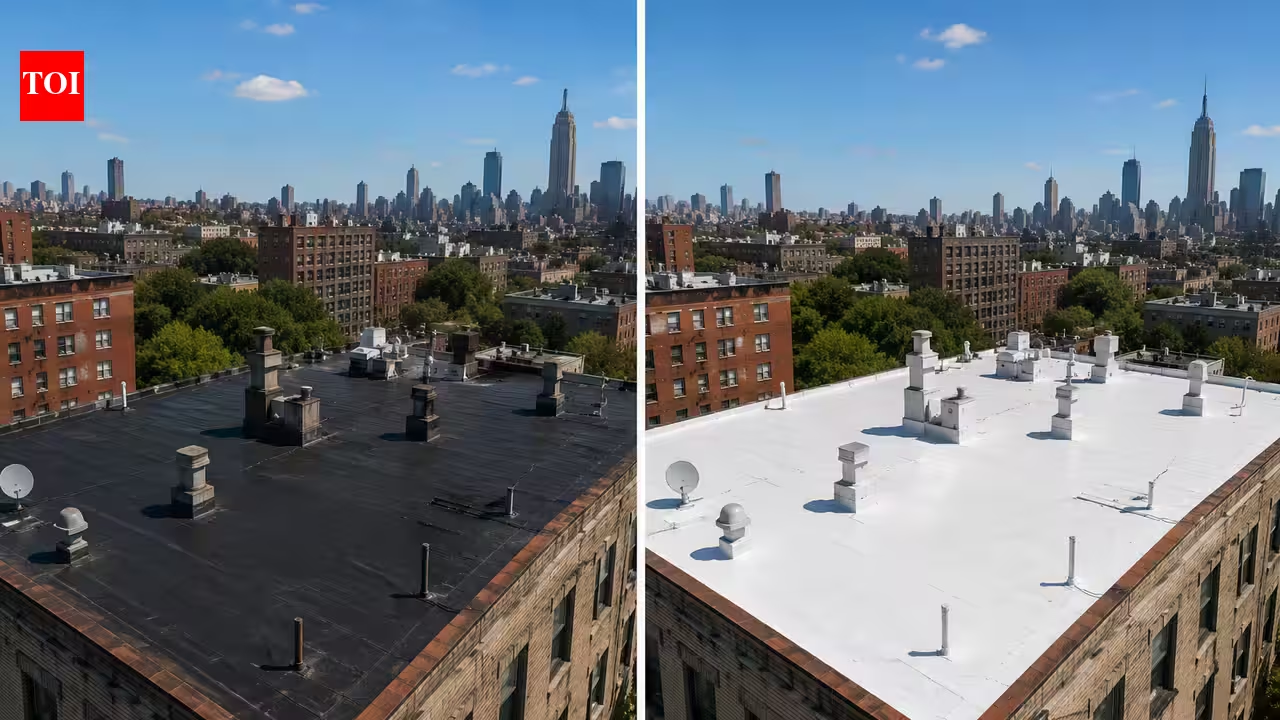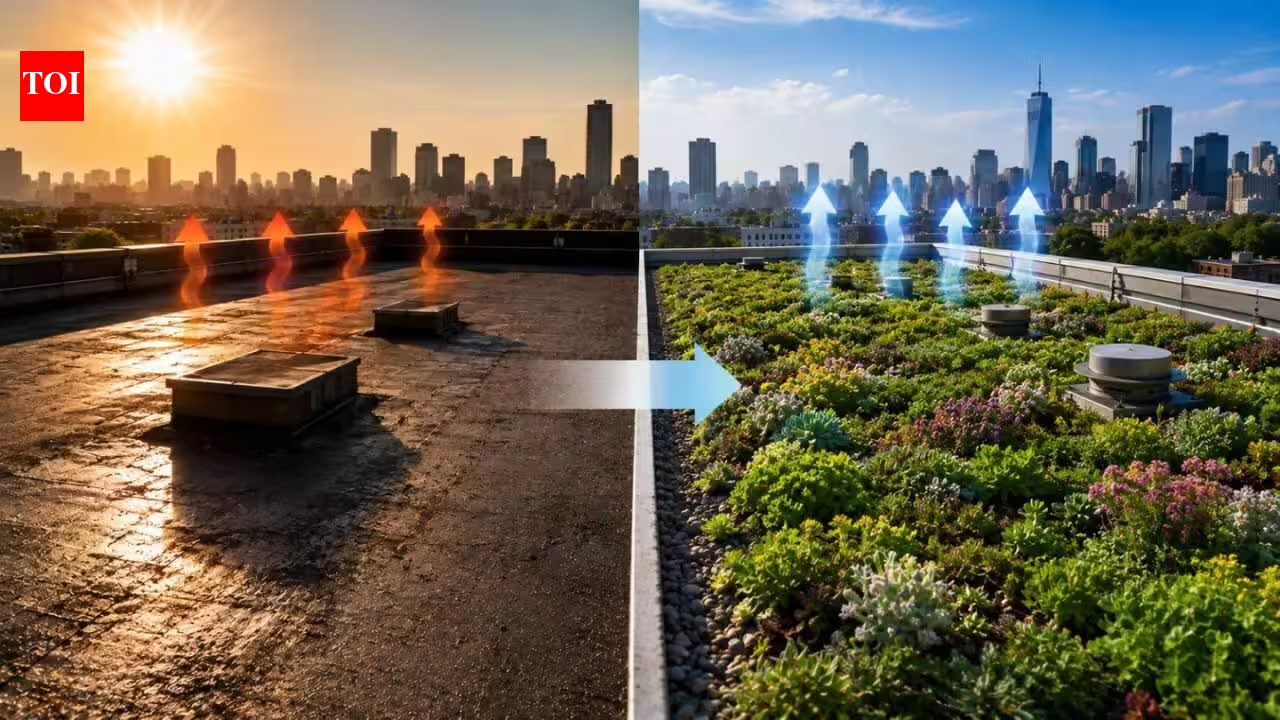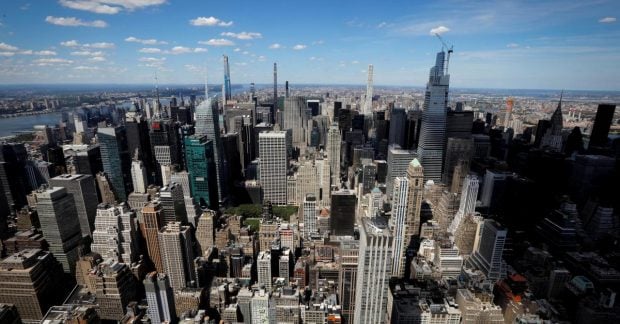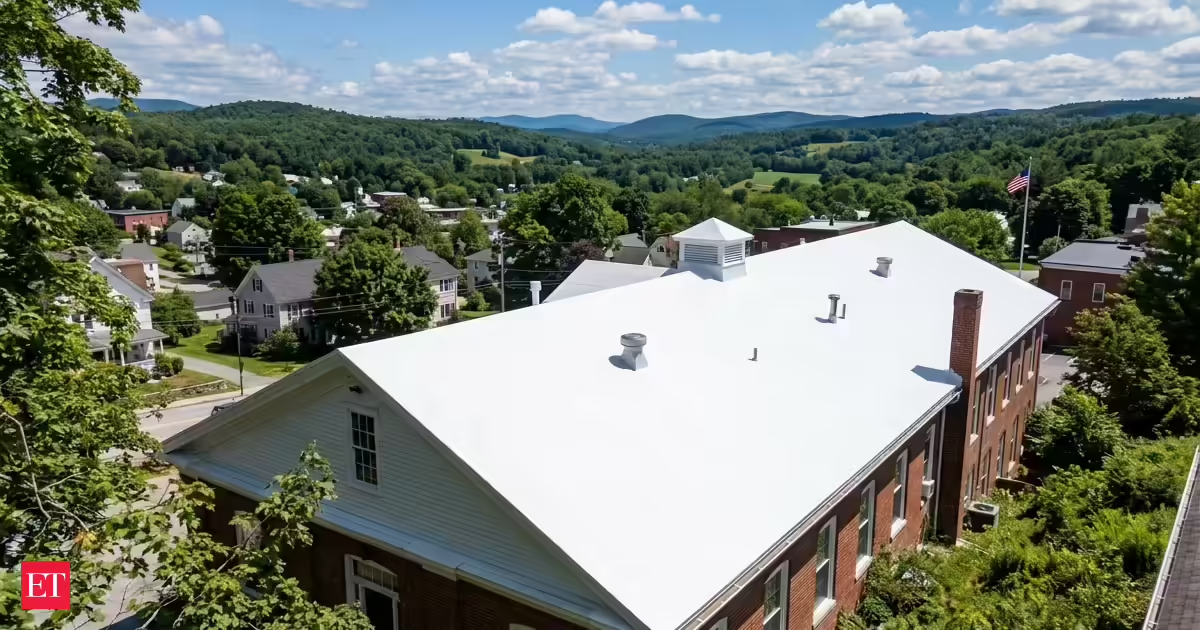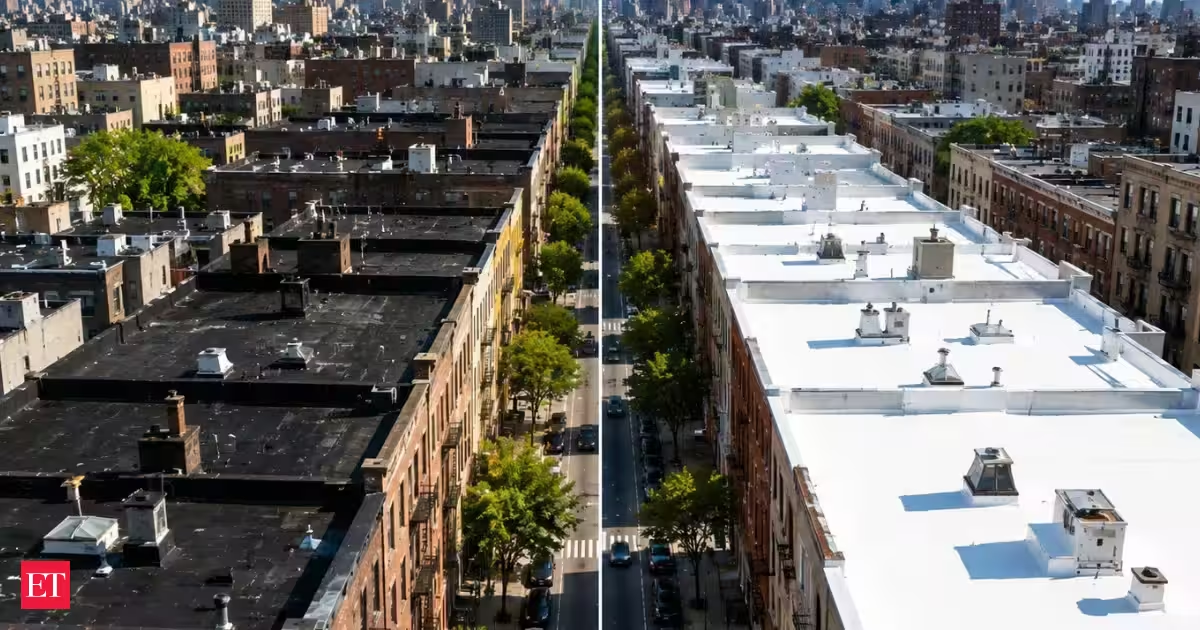
During summer, rooftops in cities become some of the hottest surfaces, soaking up sunlight throughout the day and slowly releasing that heat into the surrounding air. Back in 2011, New York City experimented with a simple solution to this problem. Instead of relying on costly technology, volunteers painted dark rooftops with reflective white coating to see if colour alone could help reduce heat.Clear Temperature Difference ObservedAccording to Columbia Climate School, the experiment showed a noticeable drop in temperatures. On a hot summer day in 2011, a typical black roof reached around 170°F (77°C), while a nearby white-coated roof stayed much cooler at about 128°F (53°C). Over the entire summer, white roofs were on average 43°F (24°C) cooler at peak temperatures.Why White Roofs Stay CoolerScientists from Columbia University and NASA’s Goddard Institute for Space Studies studied these rooftops using sensors over multiple years. They found that dark roofs absorb most sunlight and convert it into heat, warming both the building and the surrounding air. In contrast, white roofs reflect a larger portion of sunlight due to their higher albedo, keeping both the roof surface and interiors significantly cooler.Impact on Urban HeatRooftops make up a large part of city surfaces. Along with roads and pavements, they store heat during the day and release it at night, contributing to the urban heat island effect, where cities remain warmer than nearby rural areas.Energy and Cost BenefitsCooler roofs help reduce indoor temperatures, which can lower the need for air conditioning during hot weather. This can ease electricity demand and potentially extend the lifespan of roofs by reducing heat-related wear and tear.Works Best at ScaleAccording to Environmental Research Letters, a single reflective roof may not significantly impact city-wide temperatures. However, if adopted across many buildings, it can help lower neighbourhood heat levels and reduce overall energy consumption.Not a One-Size-Fits-All SolutionWhite roofs are most effective in hot climates or areas with high air conditioning use. In colder regions, they may slightly reduce useful heat gain during winter, although the overall benefits in summer generally outweigh this drawback.A Simple and Affordable SolutionCompared to other methods like green roofs or urban vegetation, reflective roofs stand out as a low-cost and easy-to-implement option, requiring minimal structural changes while still offering meaningful cooling benefits.[With TOI inputs]
In 2011, New York tried a simple way to beat peak summer heat by painting rooftops white; here’s how it helped cool cities
In a proactive initiative starting in 2011, volunteers in New York City painted rooftops white to tackle the challenges of urban heat. This innovative approach effectively decreased the absorption of sunlight, resulting in cooler indoor environments. By lowering indoor temperatures and minimizing air conditioning use, the widespread implementation of white roofs holds the potential to significantly reduce both neighborhood heat and overall energy consumption.
375 words~2 min read