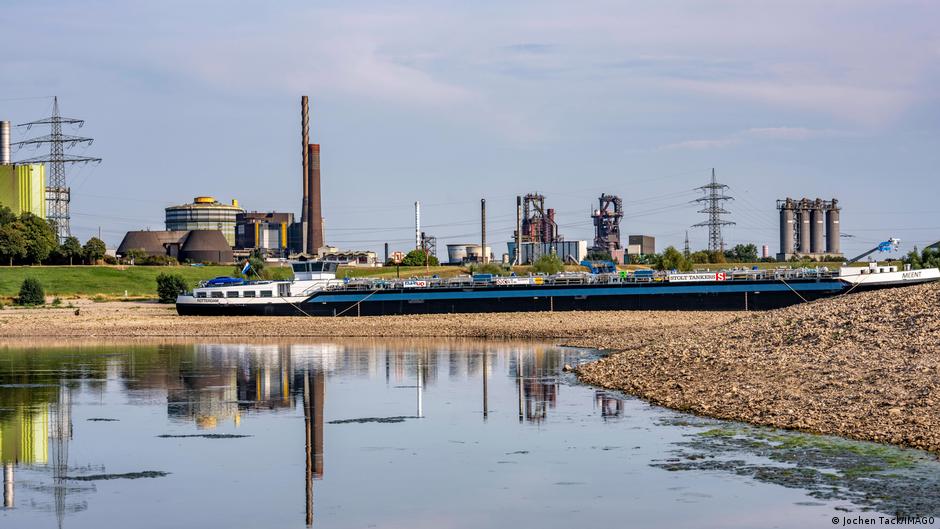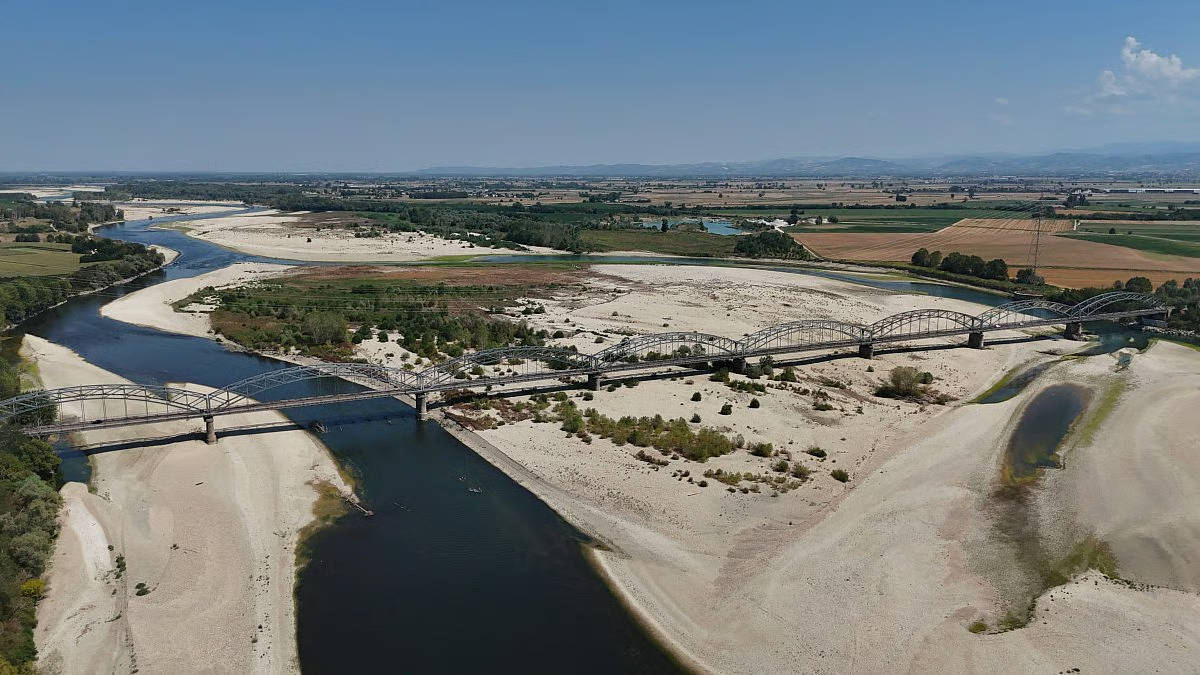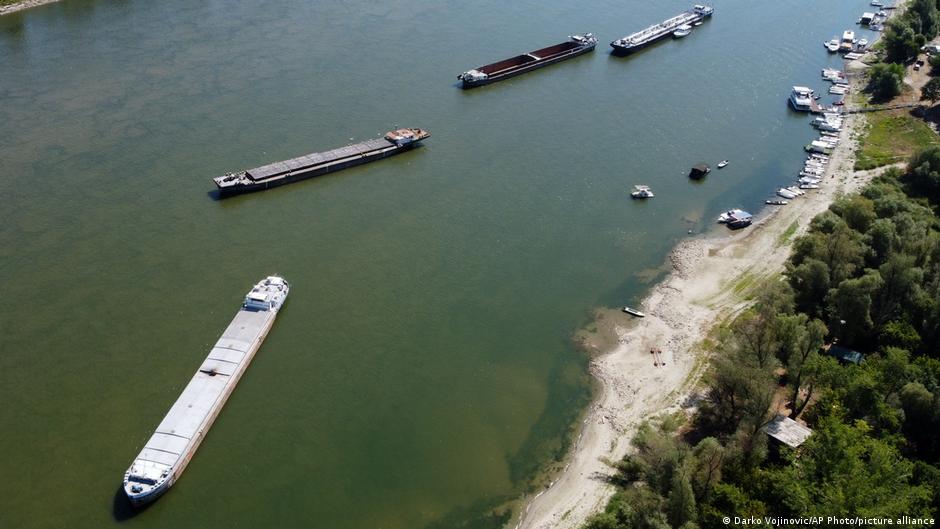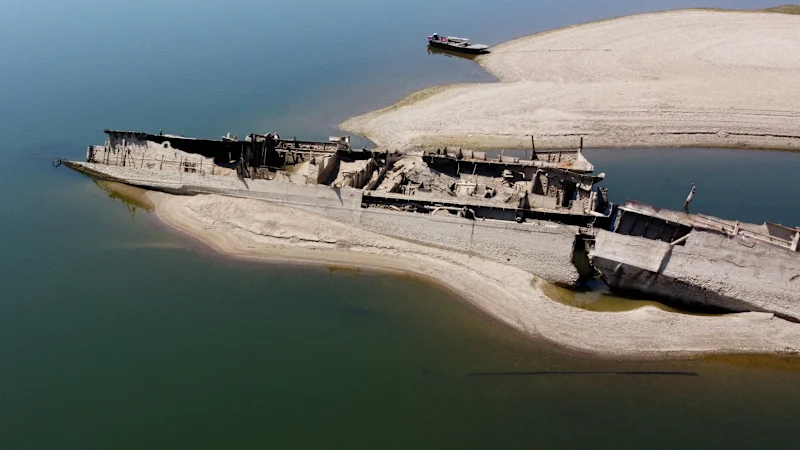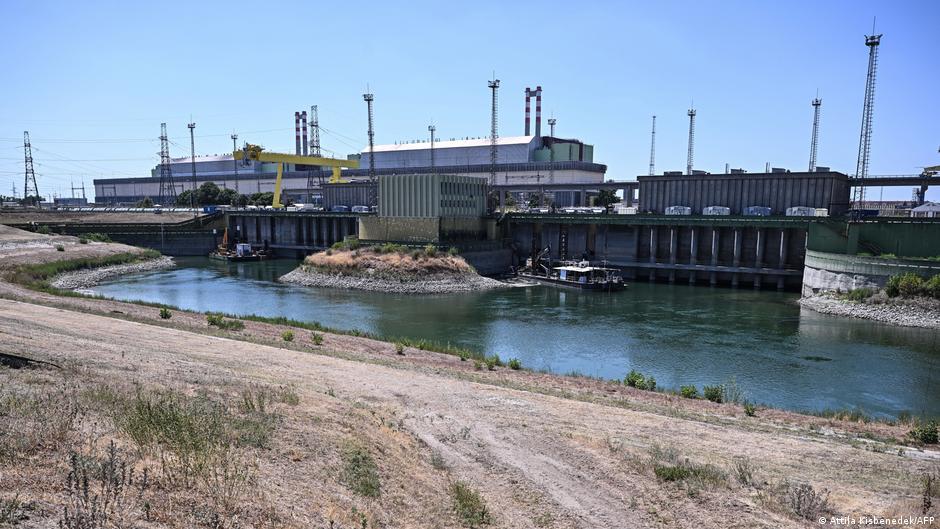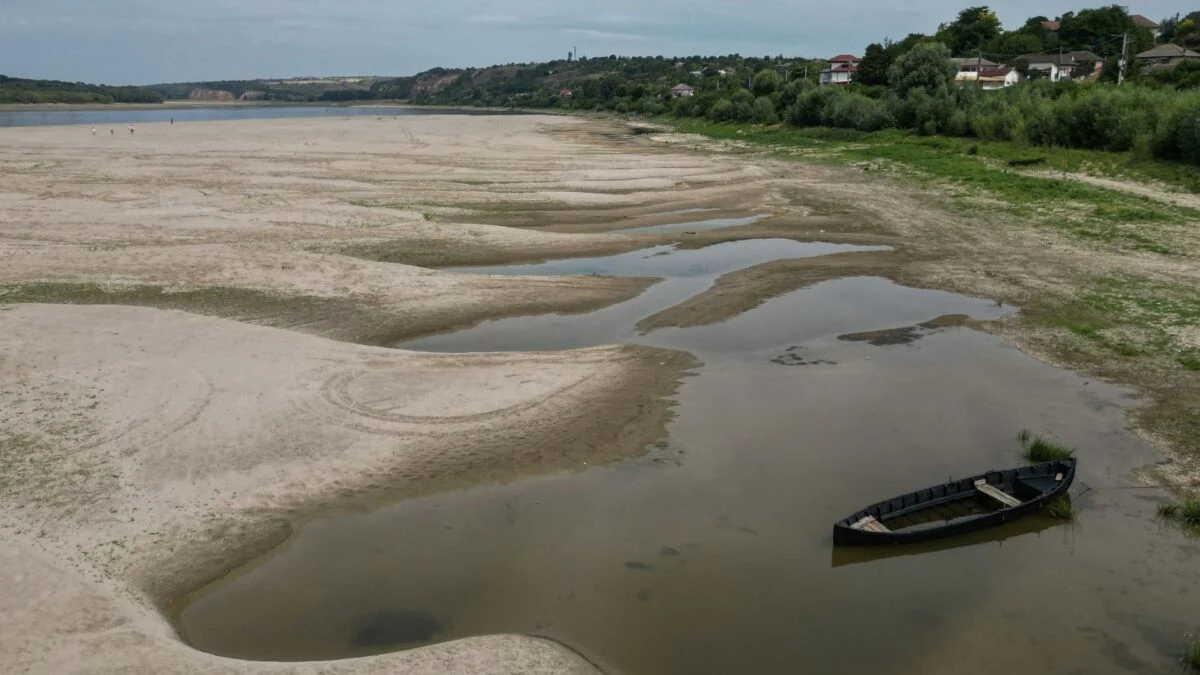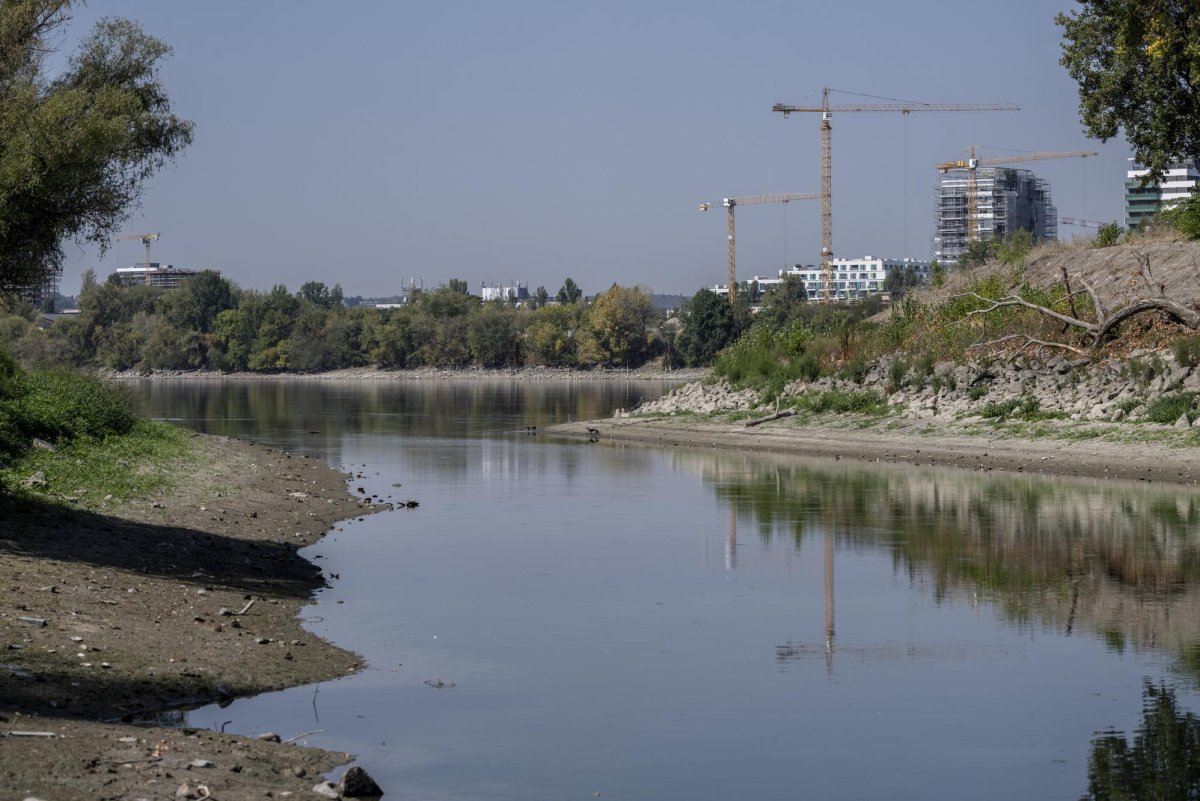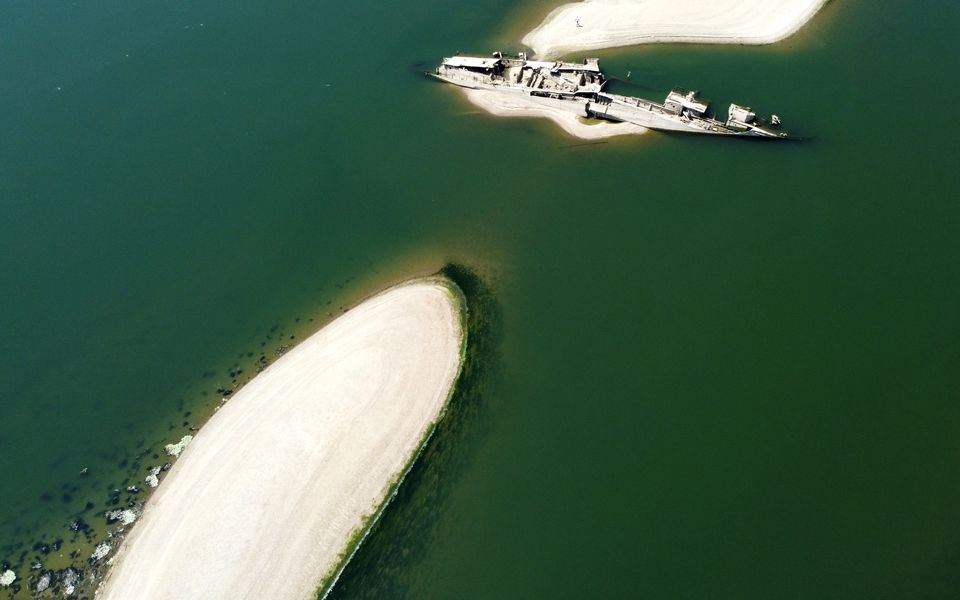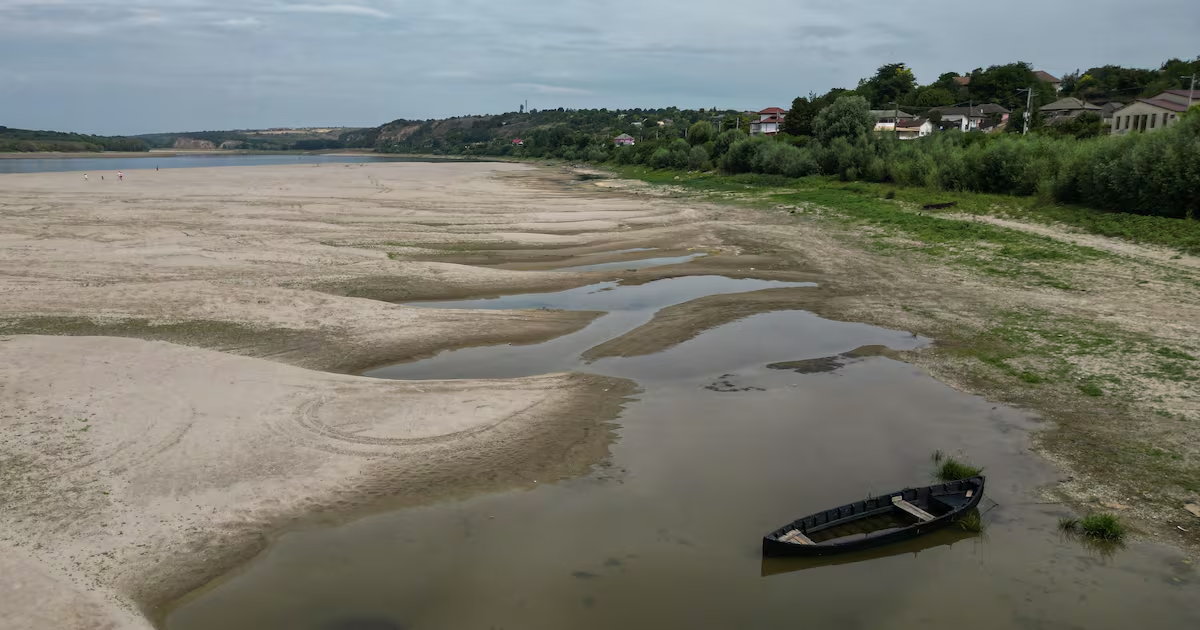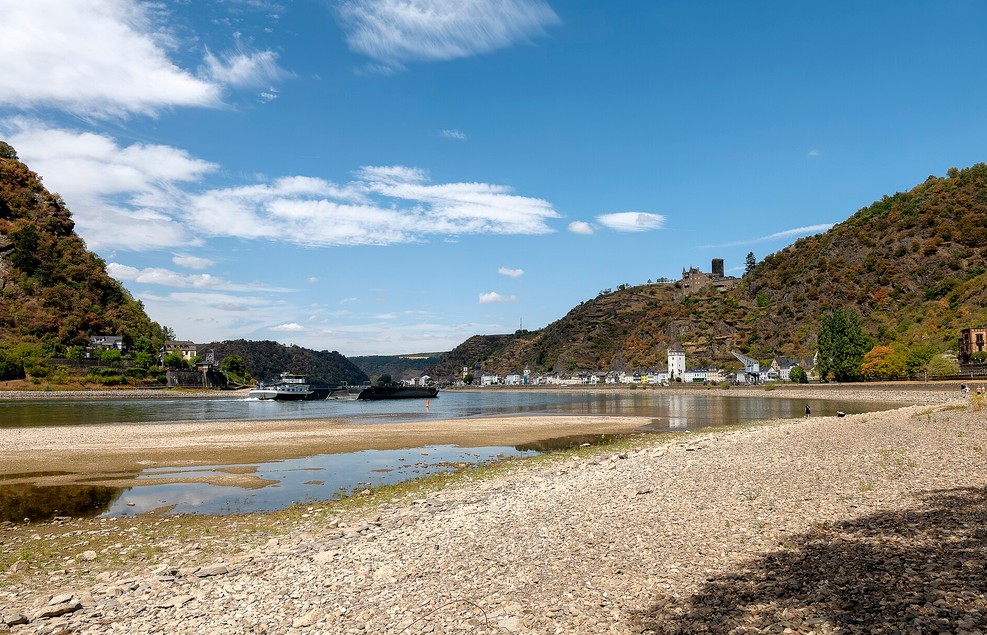
River-flow, generation and price data from April to July 2026 point to a drought corridor stretching from the Rhine delta to the lower Danube. Hydropower output across the corridor was about one-fifth below the recent norm, falling by a third to a half in the worst-hit systems. Nuclear plants along the Danube also cut output as river flows dropped to their lowest levels in seven years. Gas, imports and unusually wet conditions in Iberia helped offset the shortfall, but at steadily rising prices.
The hydrology deteriorated in slow motion. Modelled daily discharge, the volume of water flowing past a fixed point, for the Rhine at Lobith, where the river enters the Netherlands, averaged 81% of its 2019 to 25 norm in April, 66% in May, 58% in June and 37% in July. Twenty-seven days in 2026 fell below the lowest single day recorded at that station in the previous seven Aprils to Julys, a period that includes the drought of 2022. The July figure deserves a second look: the 2026 monthly average of 850 m3/s sits below the lowest single July day of the entire 2019 to 25 baseline, 880 m3/s, recorded in the drought summer of 2022. An average month in 2026 was worse than the worst day of the previous seven years.