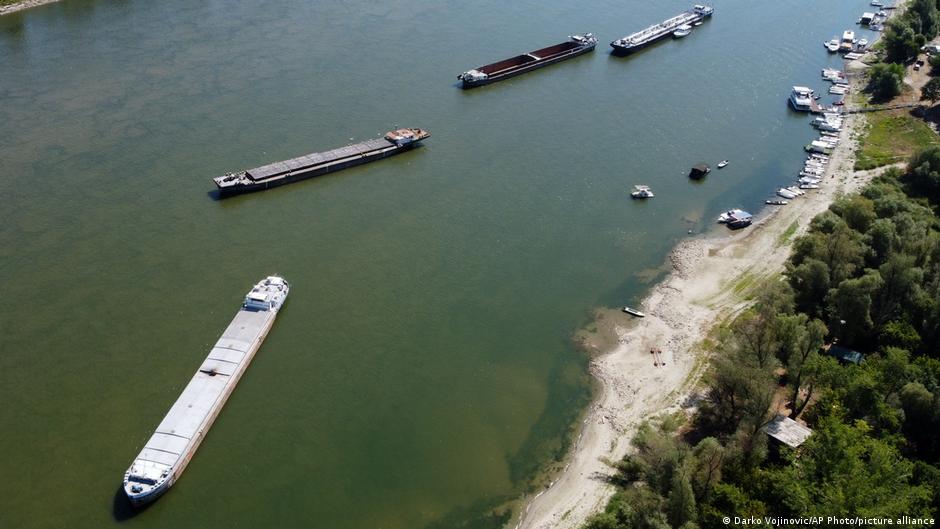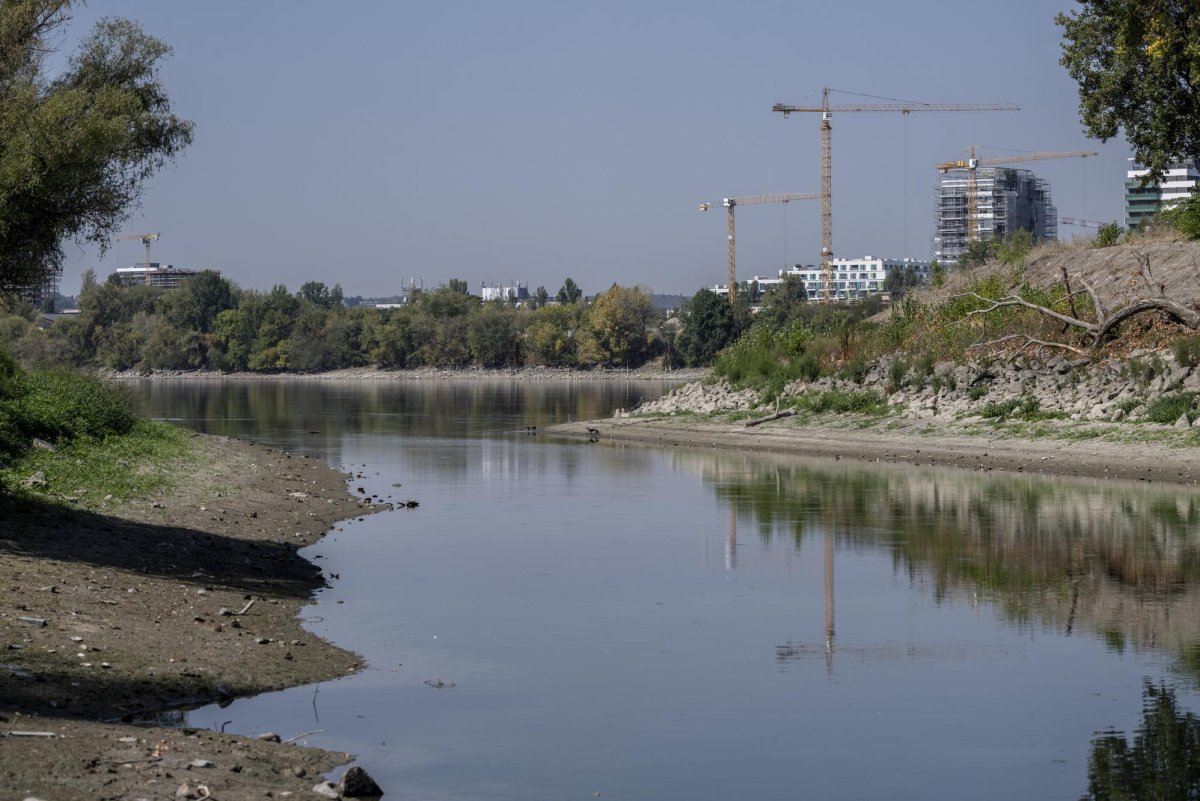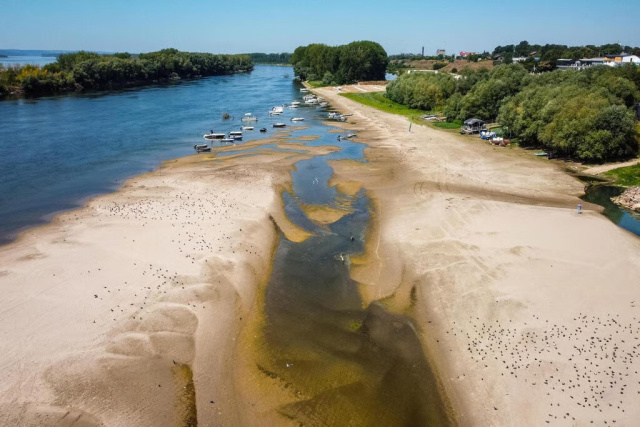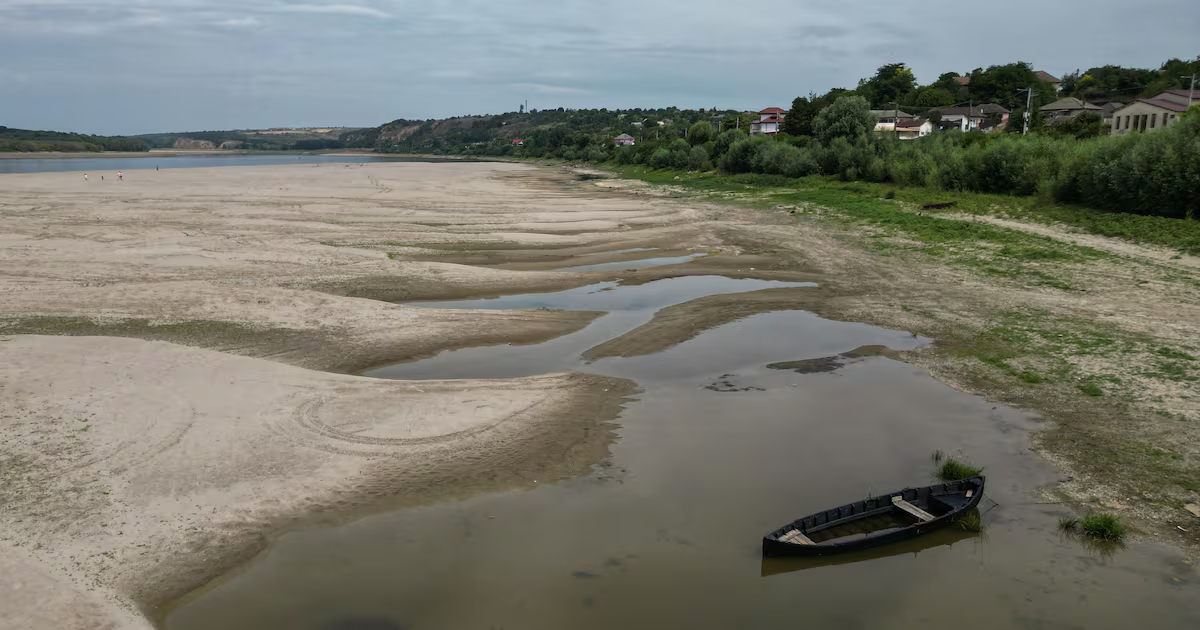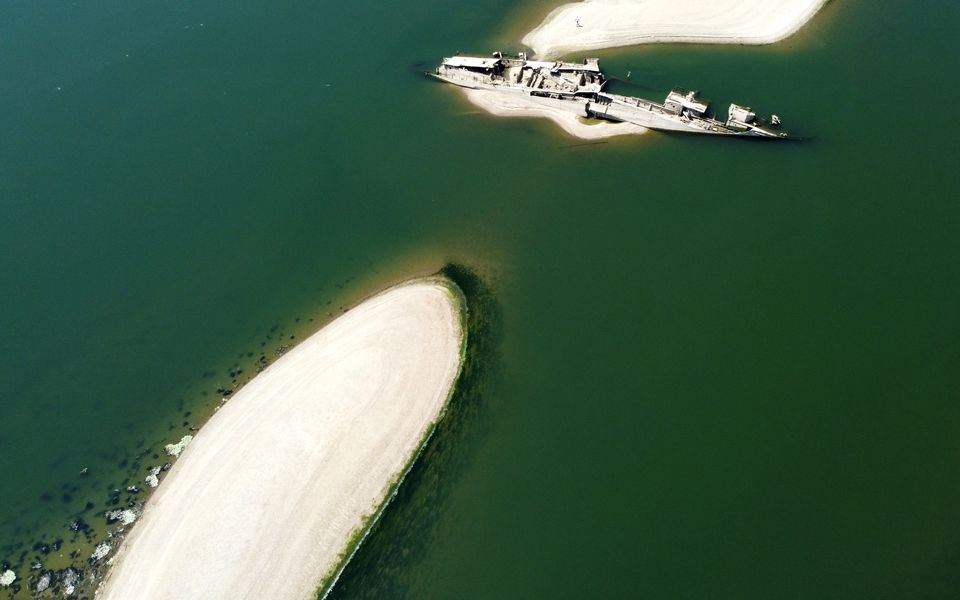
While electricity prices rose in August, the rise was less than estimated, because the biggest providers absorbed a significant part of the hike in wholesale prices. However, developments in central and southeastern Europe centered around the drought affecting the flow of the Danube River, are an added cause of worry about how prices will evolve over the next months.
The pressure is already showing in the Greek market. The average price of the megawatt-hour (MWh) rose 57% Tuesday, to €154 and Wednesdays price will rise further, to €166. Still, prices in Greece are lower than in other East European countries. According to energy market newswire Montel News, Danube’s historically low levels have stopped the generation of some 2.44 gigawatts of power, about 40% of southeast Europe’s nuclear energy production capacity, as reactors cannot cool themselves on the quantities of water available.
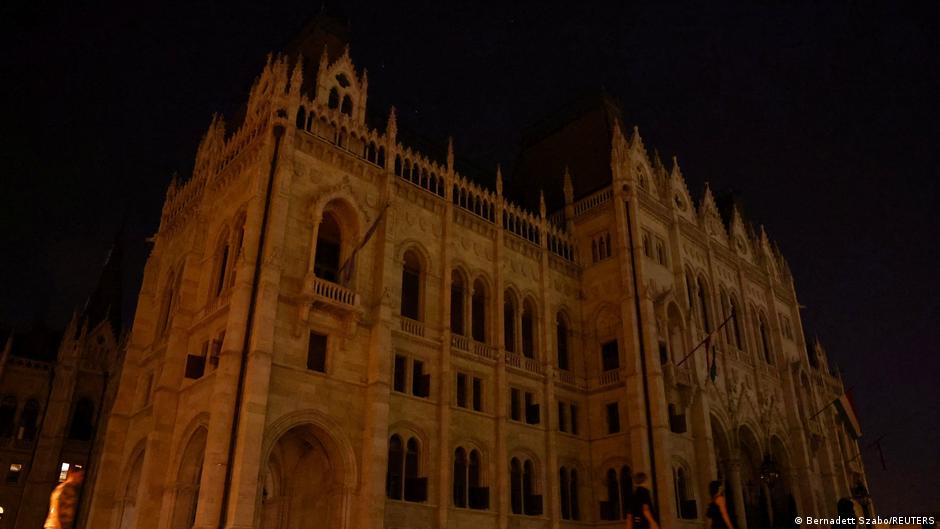
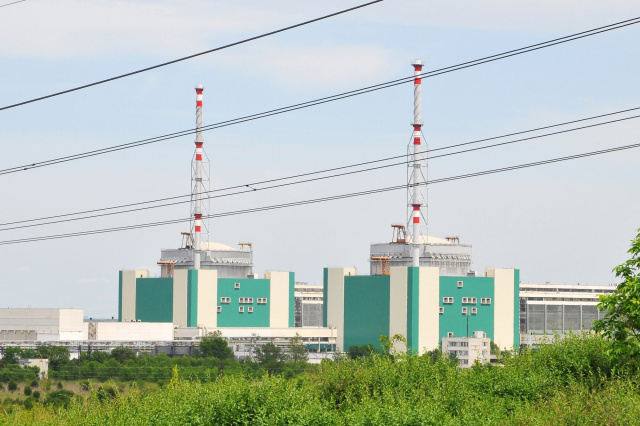
Hungary’s prime minister announced that the country’s sole nuclear plant has suspended operation for the first time in 44 years, even as his country faces a coming heat wave, with temperatures expected to exceed 40 degrees Celsius (104F).
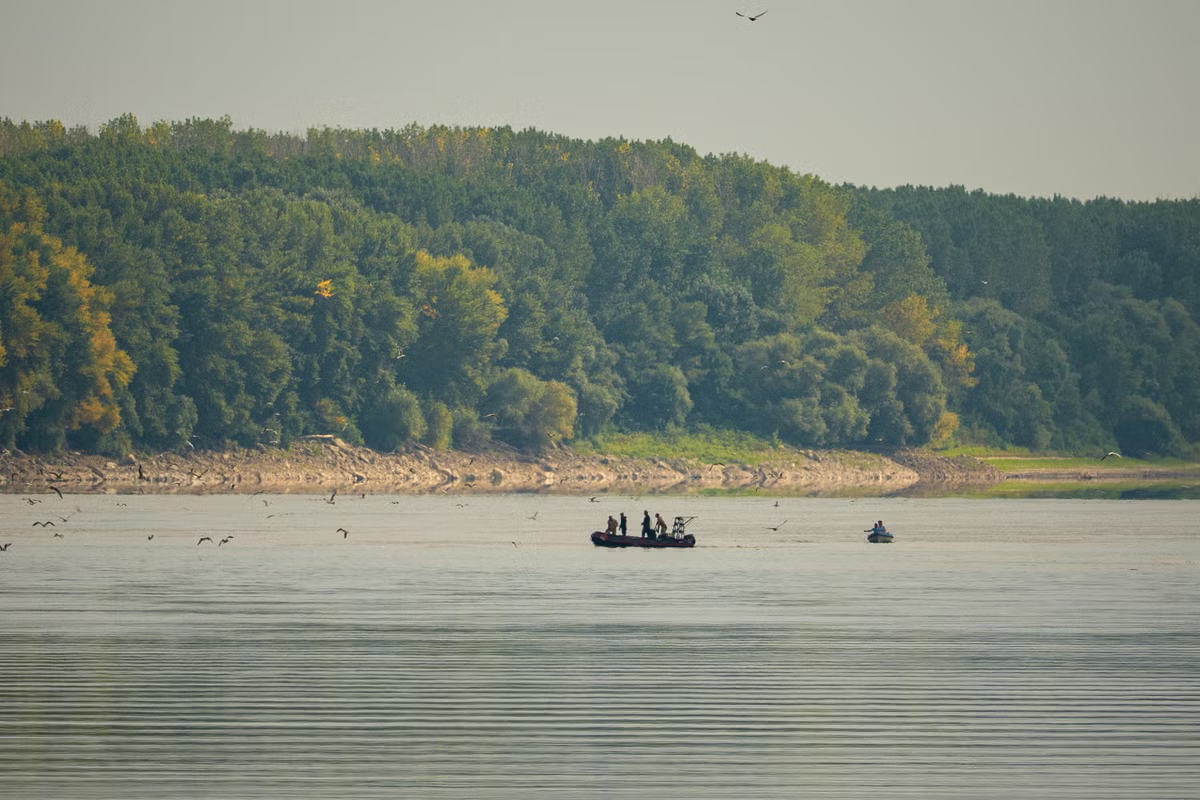
In Romania, they are digging dikes in the Danube to restore water flow. The 1.35-GW Cernavoda nuclear plant has cut production by about half. Energy prices have reacted accordingly: Tuesday’s average price was €188 per MWh in Romania and €179 in Hungary, where it spiked at one point to €420.