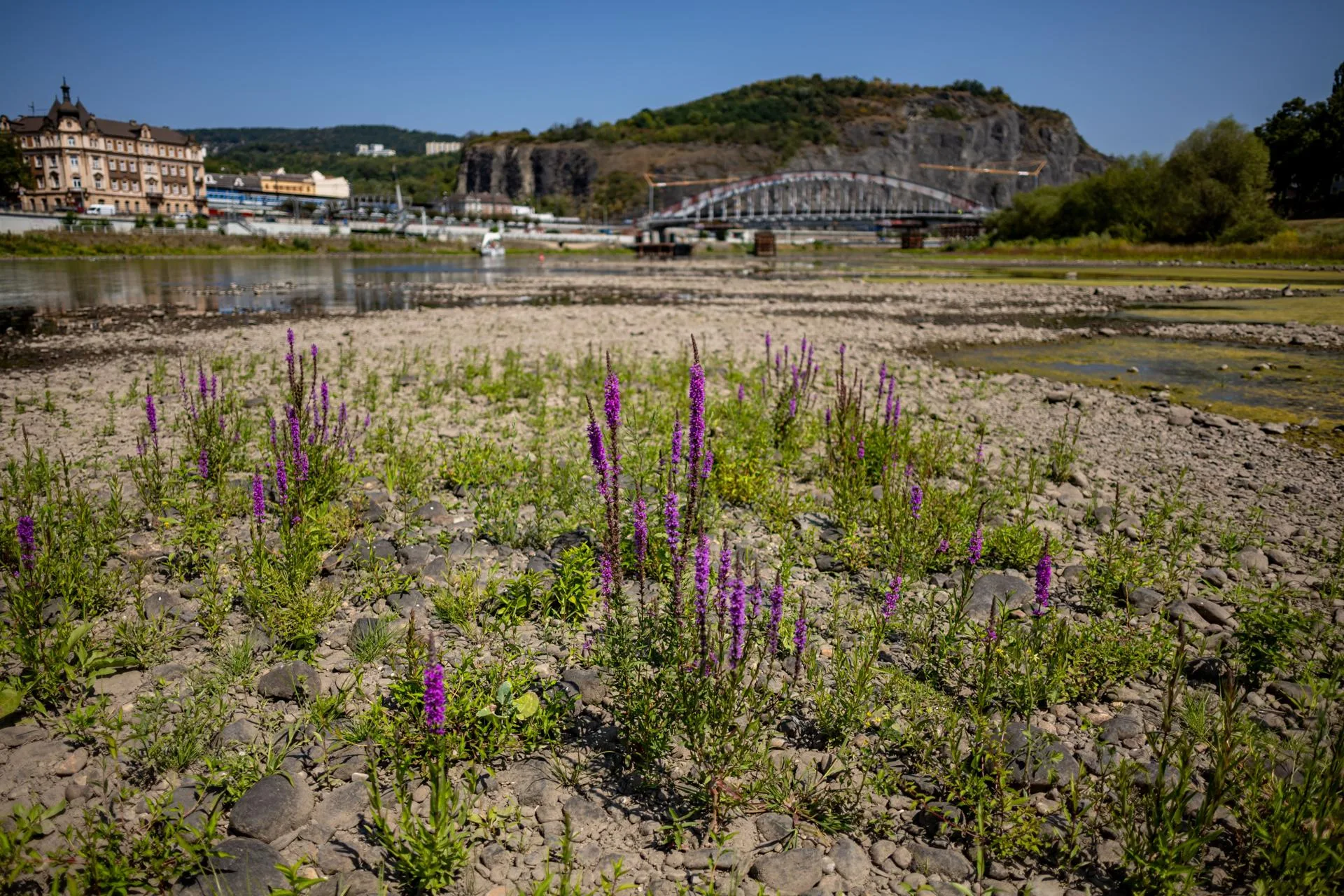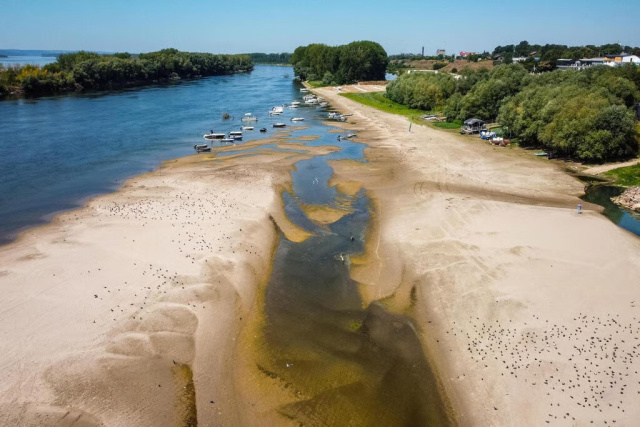
Record-low water levels on the Danube River are disrupting energy production across Central and Eastern Europe, forcing governments to take emergency measures to protect nuclear power plants, reduce electricity demand and manage growing pressure on critical infrastructure.
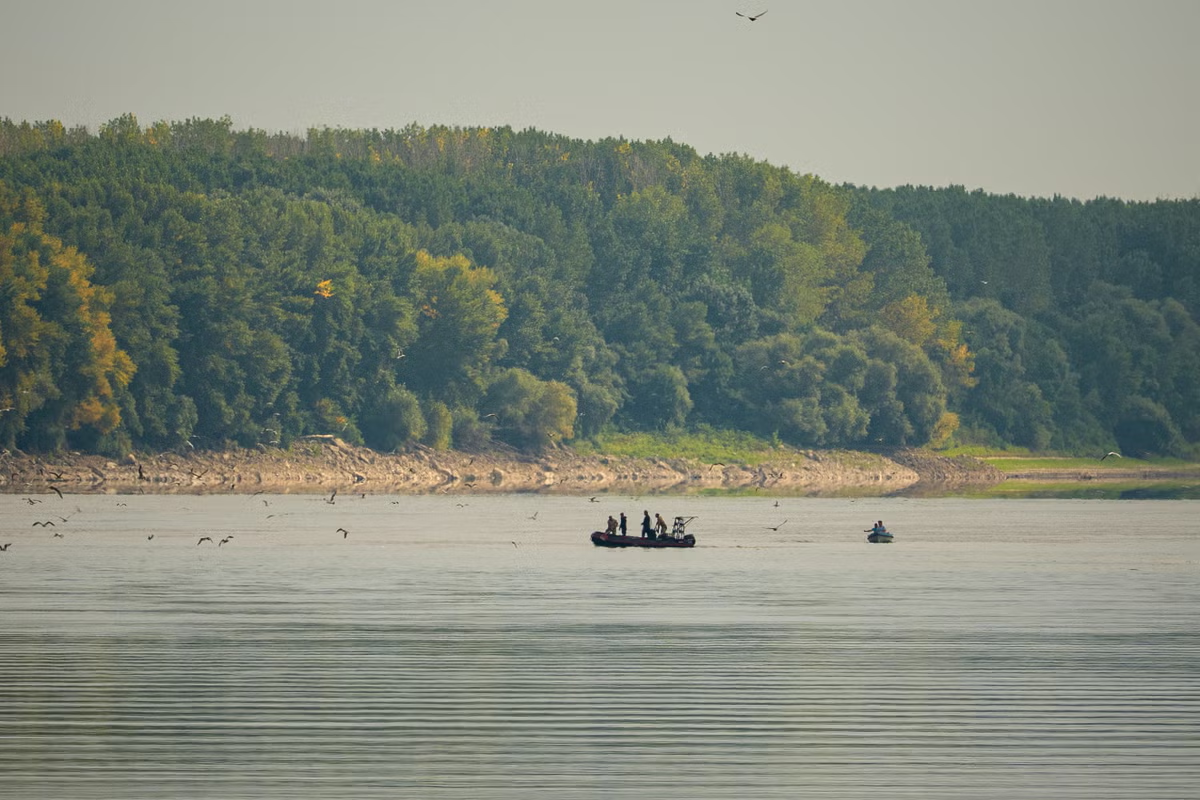
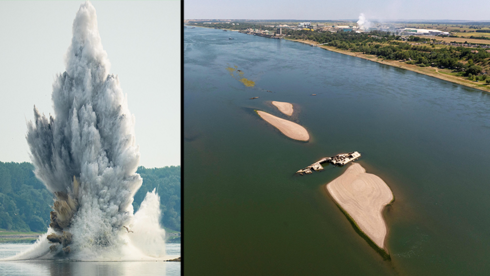
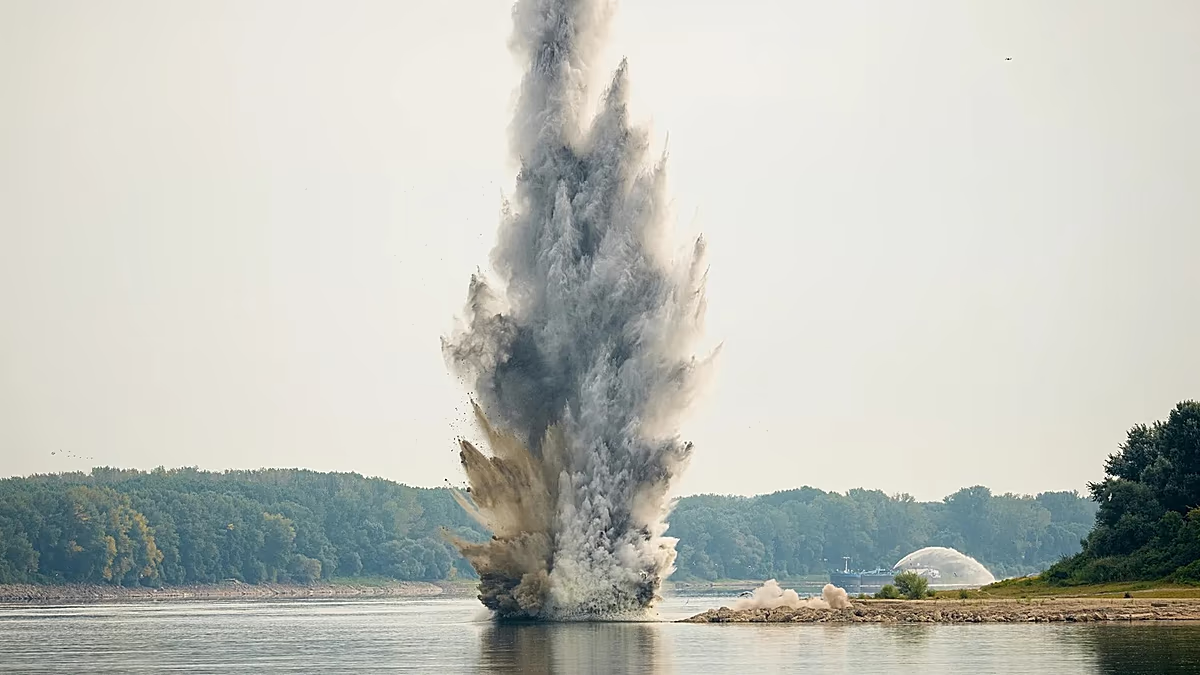
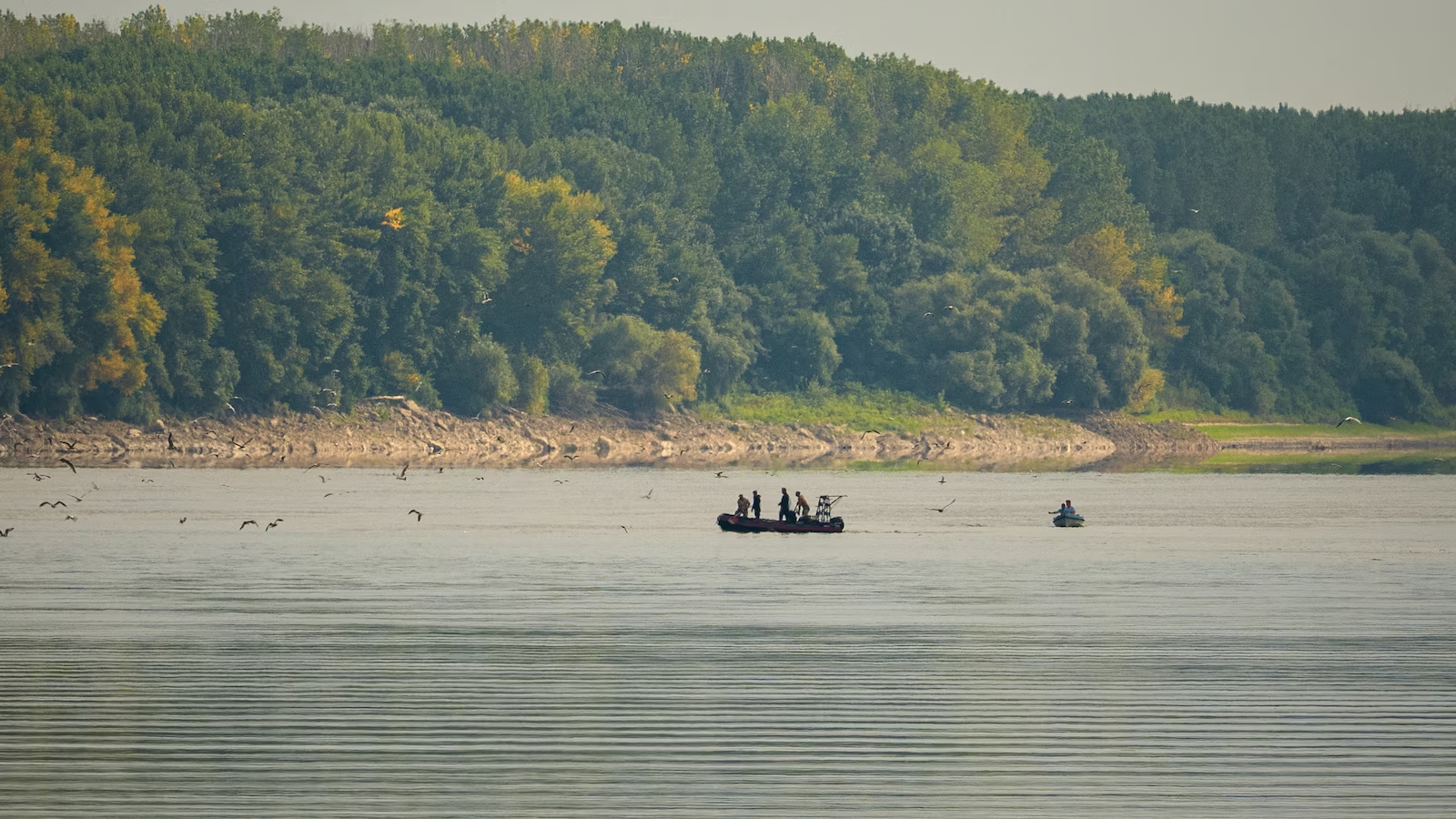
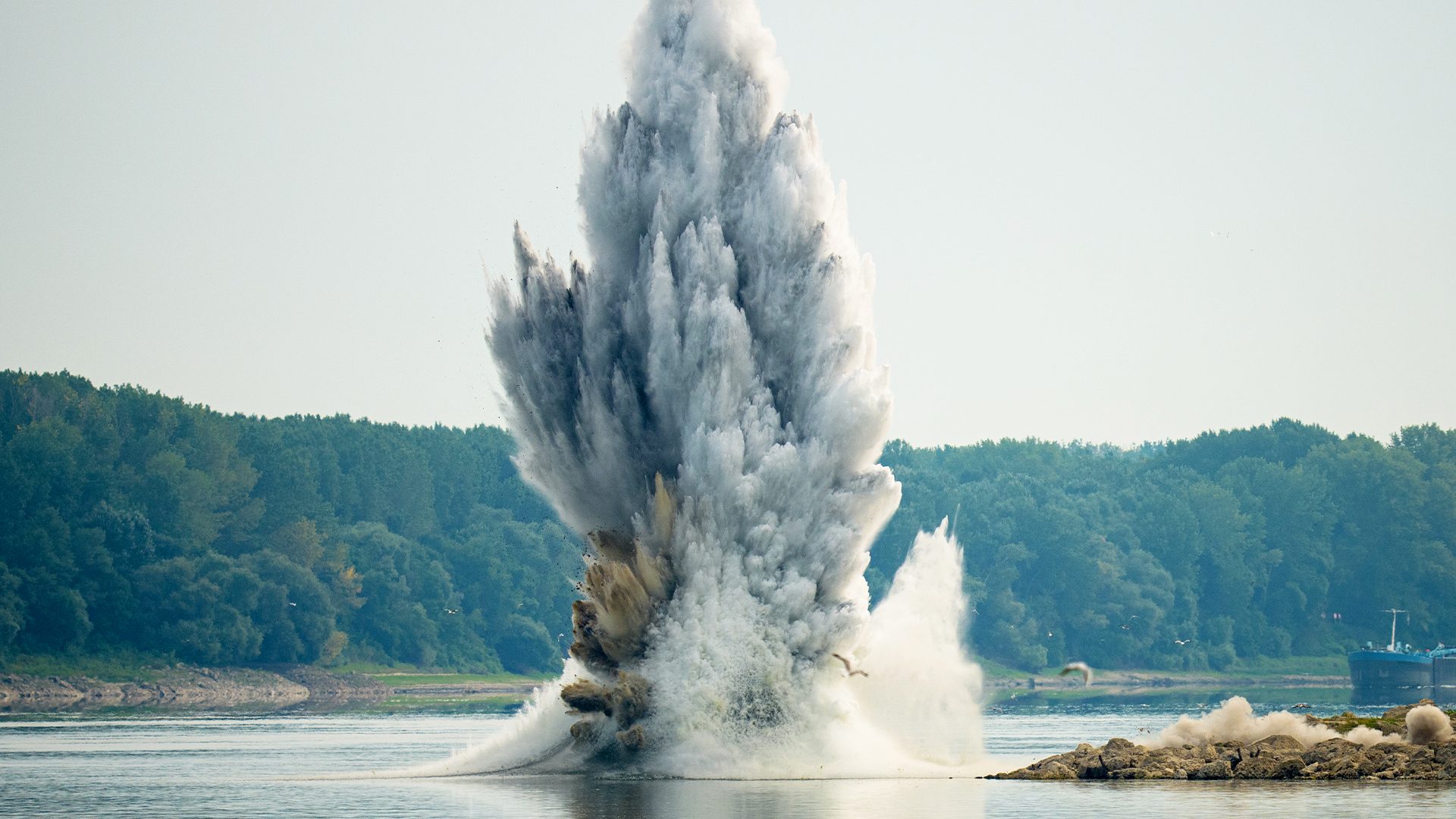
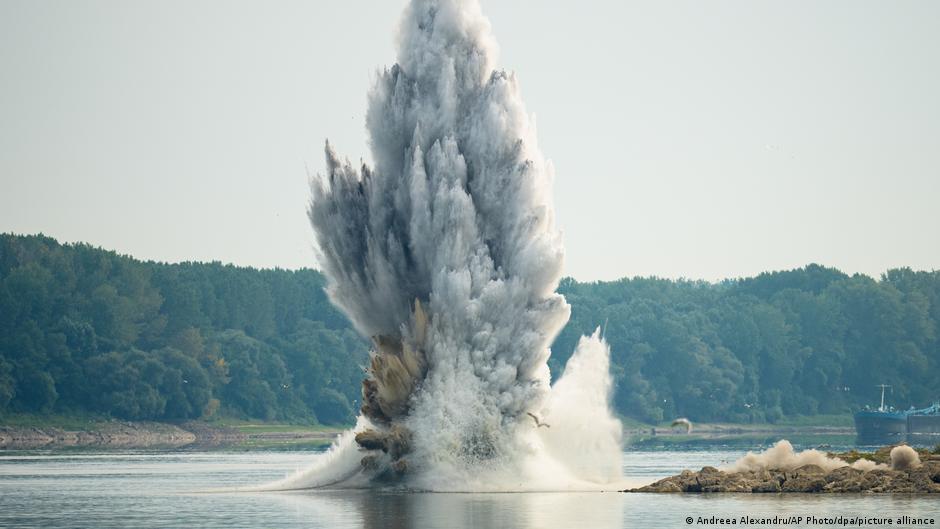
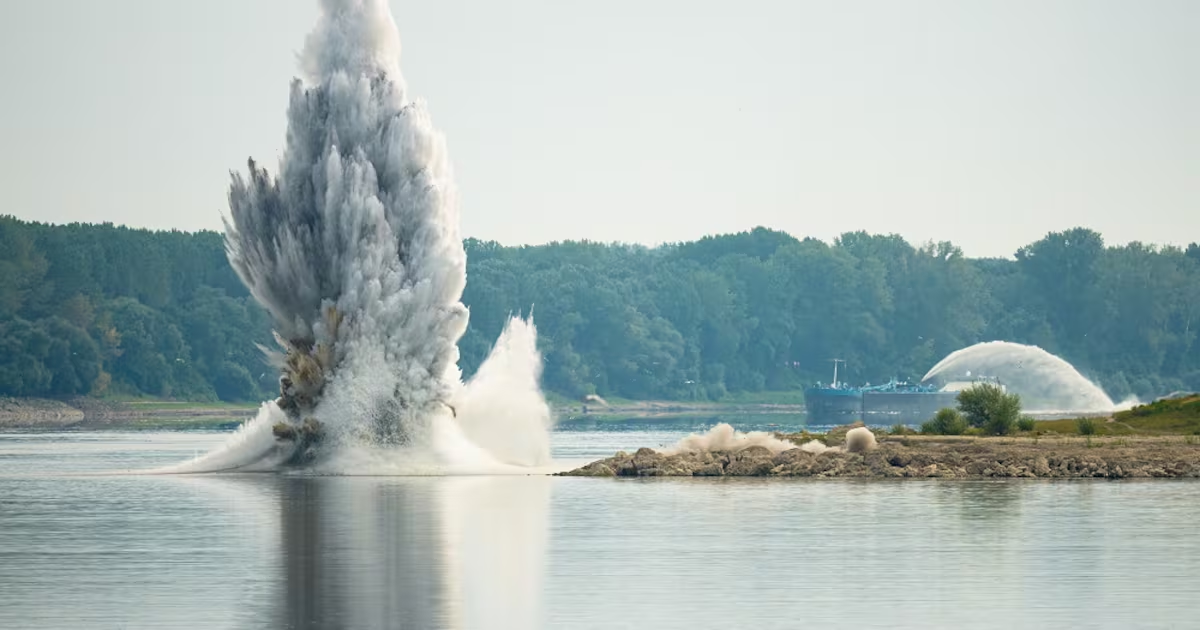
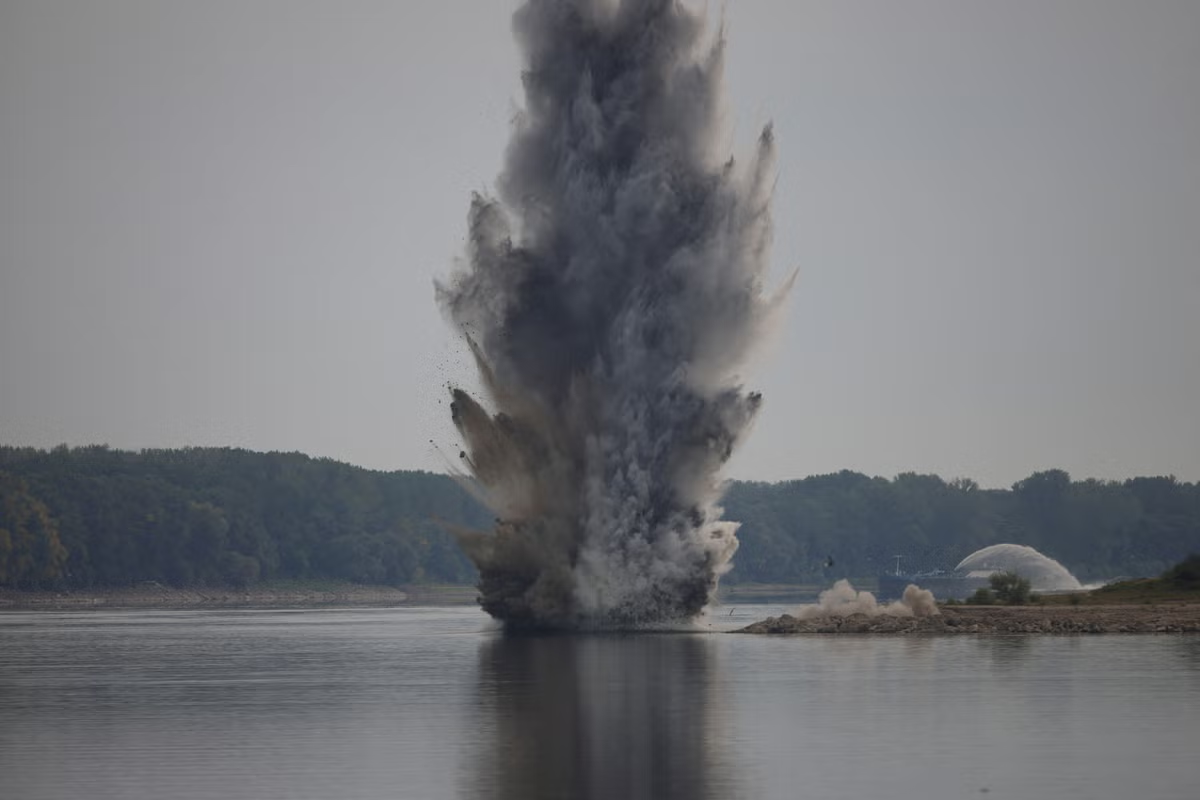
Romania launched one of the most unusual responses after its military detonated a rocky outcrop exposed by the low water level on a branch of the Danube. The operation was designed to improve the flow of cooling water to the Cernavoda Nuclear Power Plant, which normally generates about one-fifth of the country's electricity.
The explosion took place around 50 kilometers upstream from the plant. The resulting rock debris will be moved and sunk at a strategic location to raise water levels and redirect more flow toward the cooling system.
Romanian Defense Minister Radu Miruta described the operation as successful, saying the military had waited decades for an opportunity to remove the exposed rocks. He warned that if the partial diversion of the river proves ineffective, the Cernavoda plant could be forced to shut down entirely by Thursday.
Romania has also begun reducing electricity demand. Caretaker Prime Minister Ilie Bolojan said car manufacturers Dacia and Ford had agreed to suspend production until August 19 following an emergency meeting with major industrial consumers. Other energy-intensive companies are expected to take similar measures.