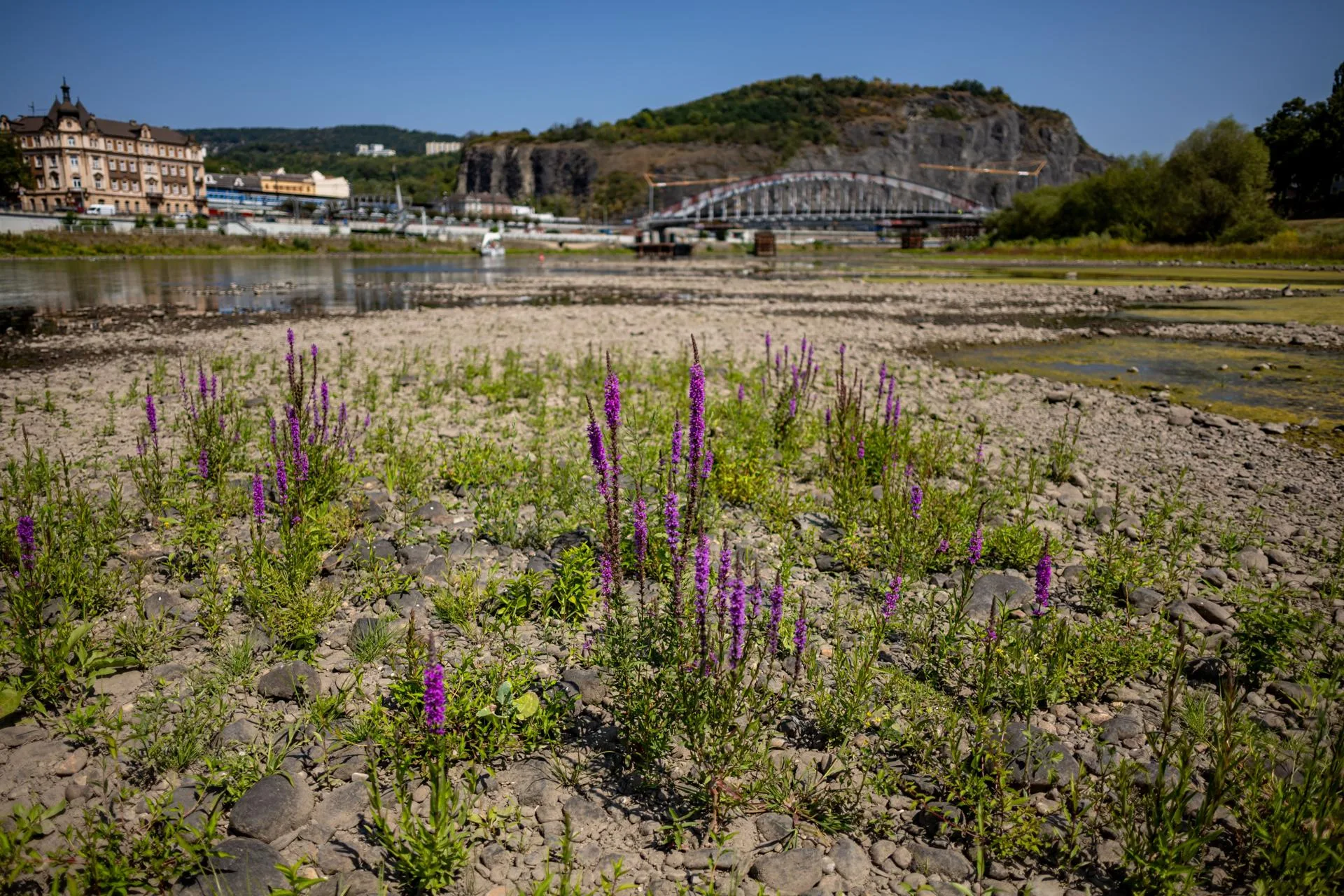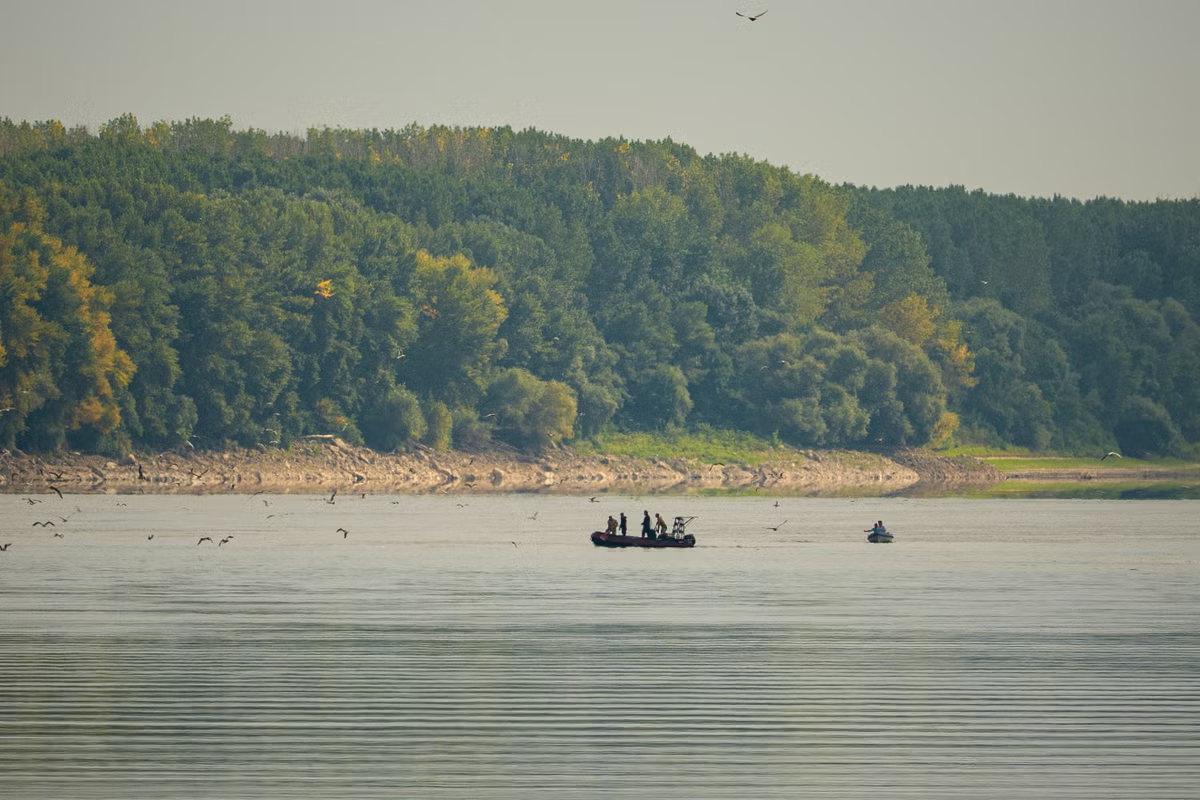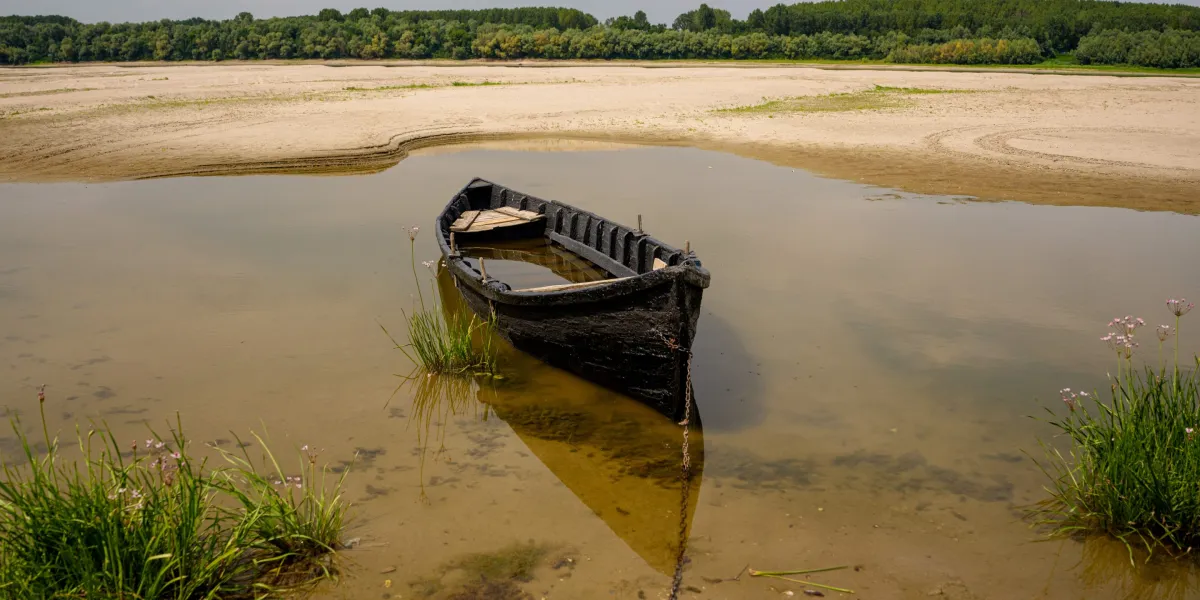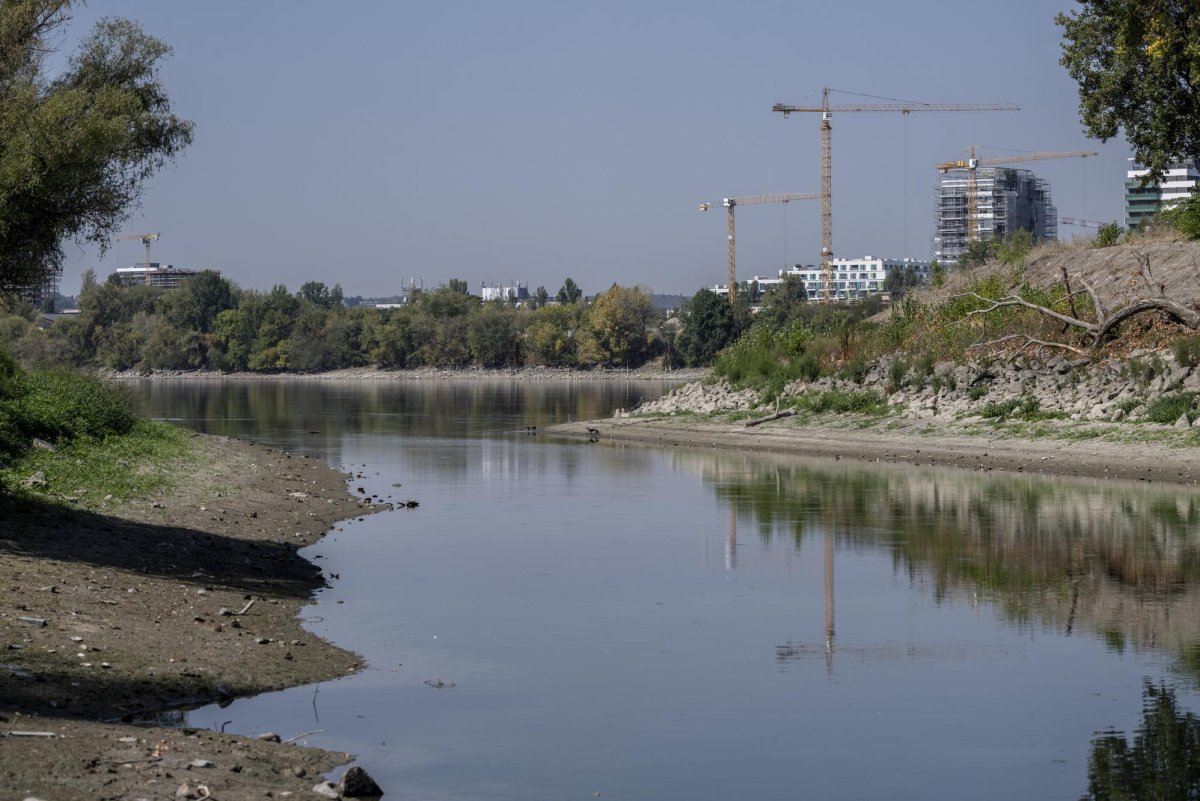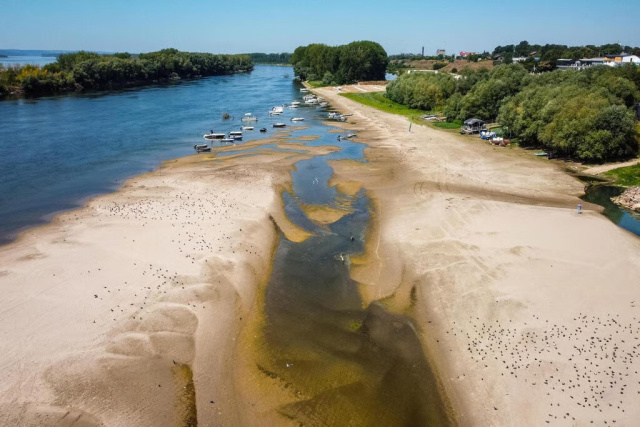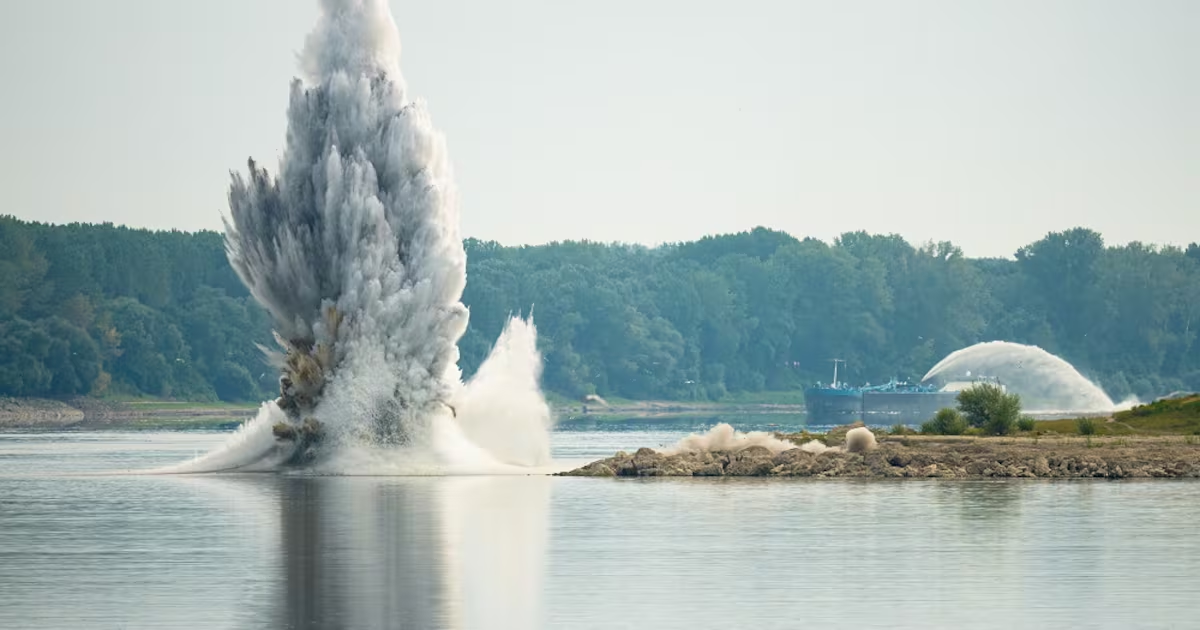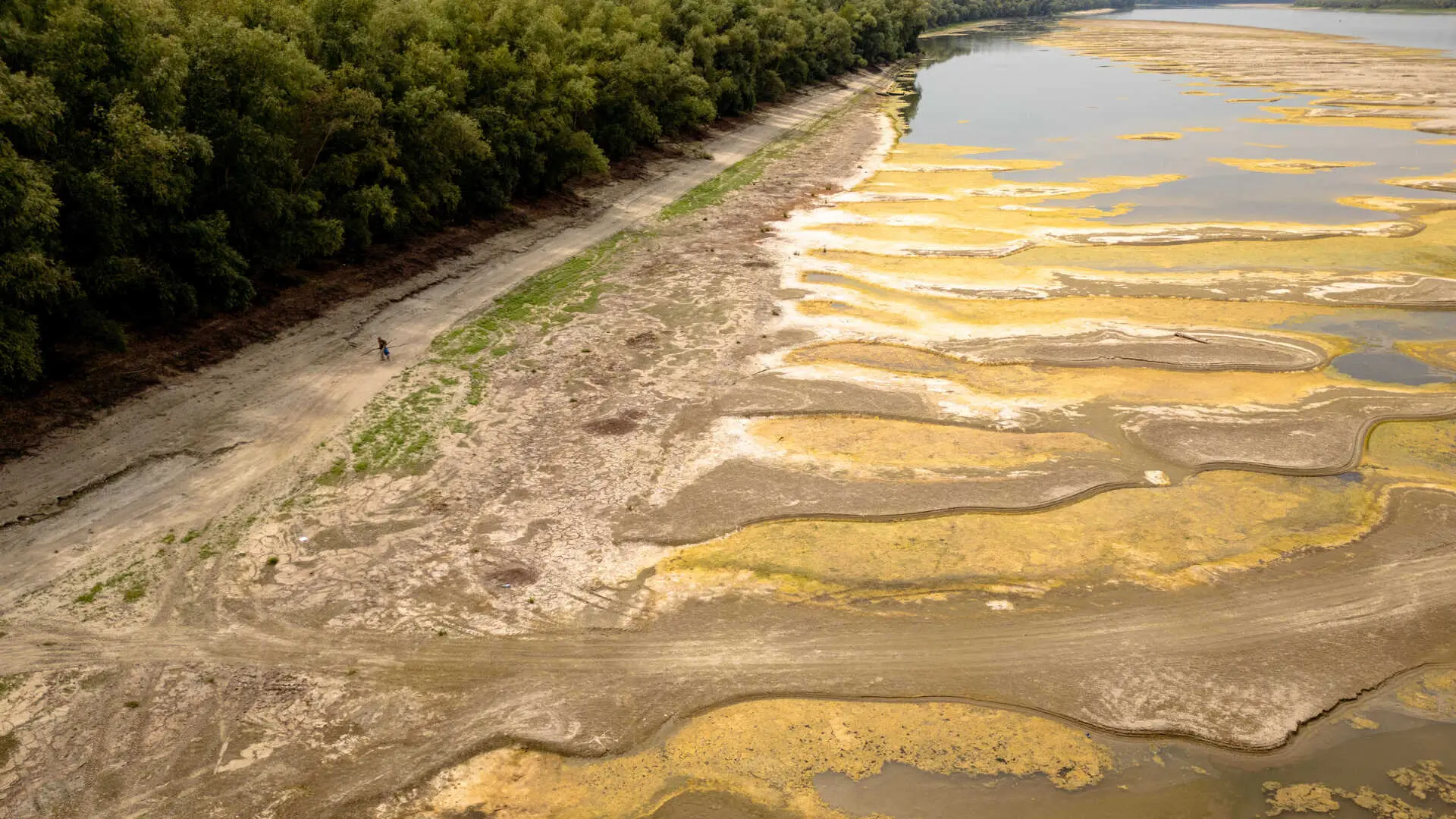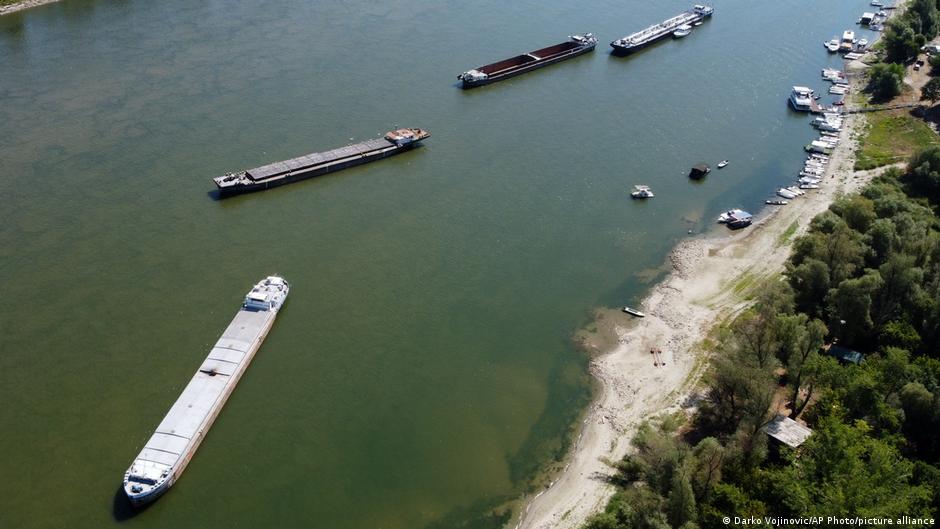
Riverbeds reduced to tiny streams, asphalt melting like butter, dried-up fields — these are currently the images of drought in Central and Southeastern Europe. The record-breaking lack of rainfall in recent months and this summer's heatwaves have caused severe damage to the region's economy and infrastructure.
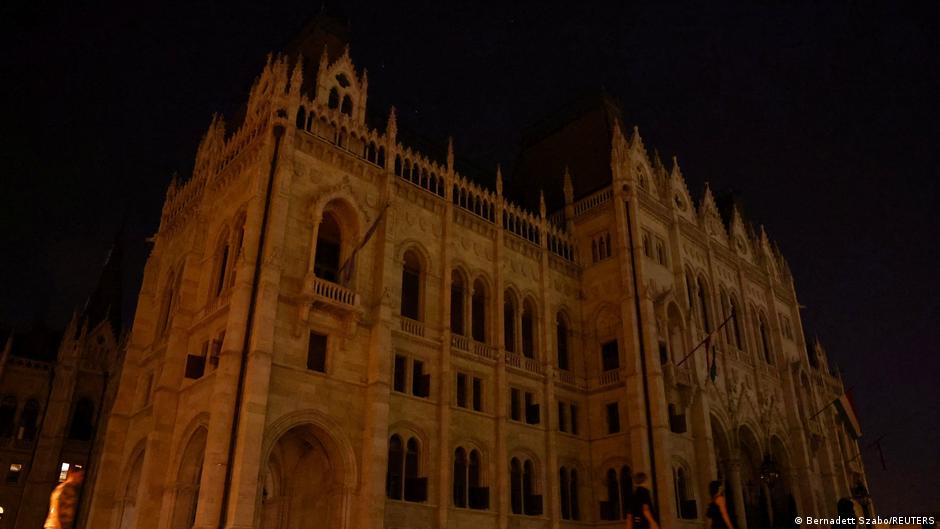
In the agriculture sector, it has been clear for some time that harvests in Southeastern Europe, especially maize and sunflower crops, will be significantly below average. The heatwaves are also repeatedly disrupting road, rail and, above all, shipping transport. But, most importantly, the drought has triggered an unprecedented crisis in electricity generation in several Central and Southeastern European countries, forcing companies to halt production due to the historically low water level of the Danube.
Hungary and Romania are currently most affected by the energy crisis. Other countries bordering the Danube — Austria, Slovakia, Serbia and Bulgaria — are also suffering from low water levels, although not as severely as Hungary and Romania.
DW outlines the situation in each country and explains why, despite facing similar weather conditions, some are more severely affected than others.