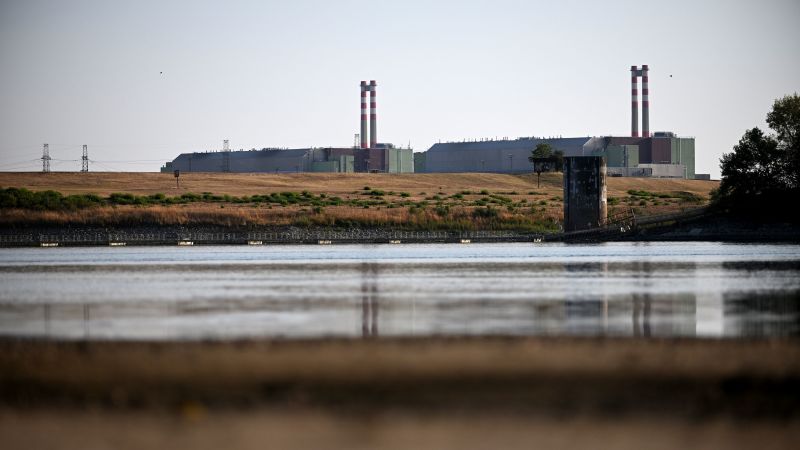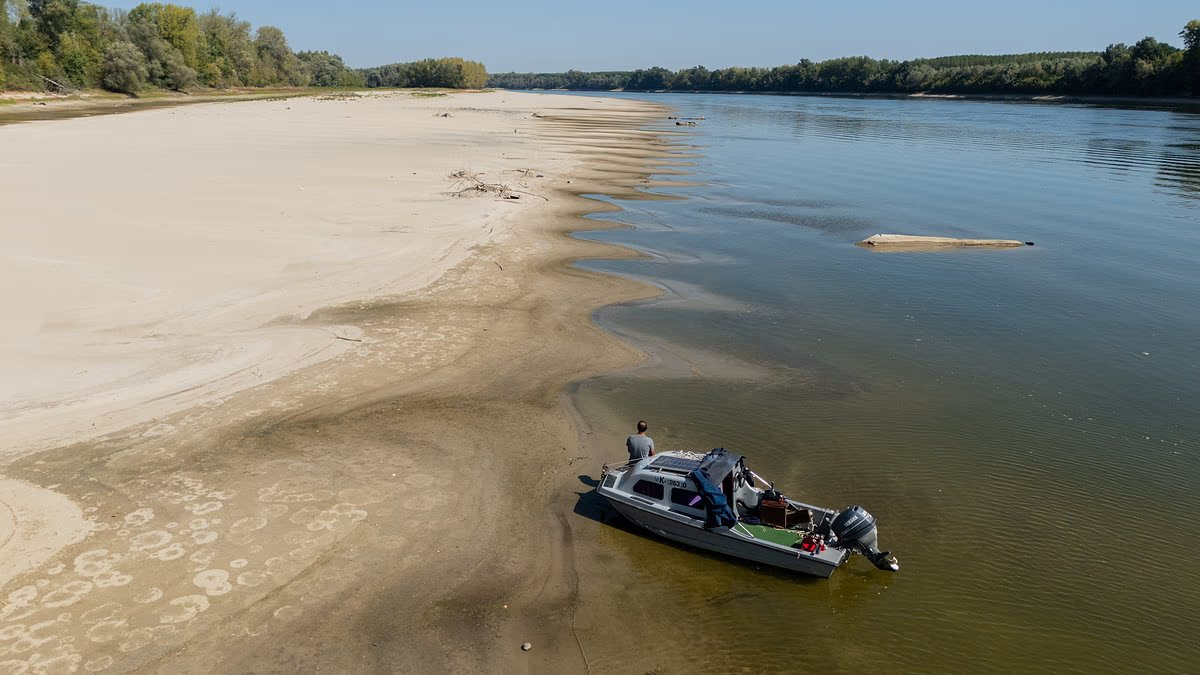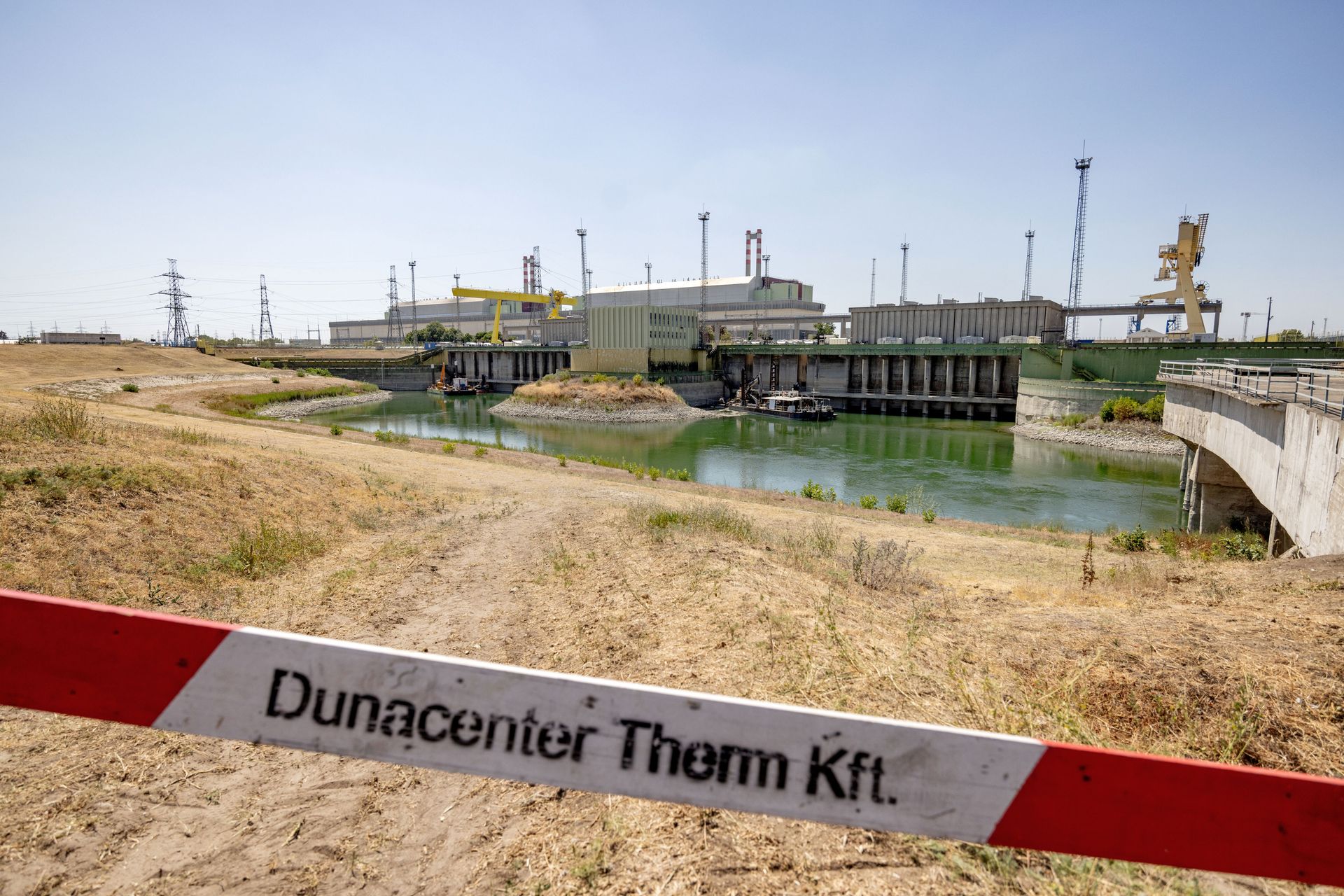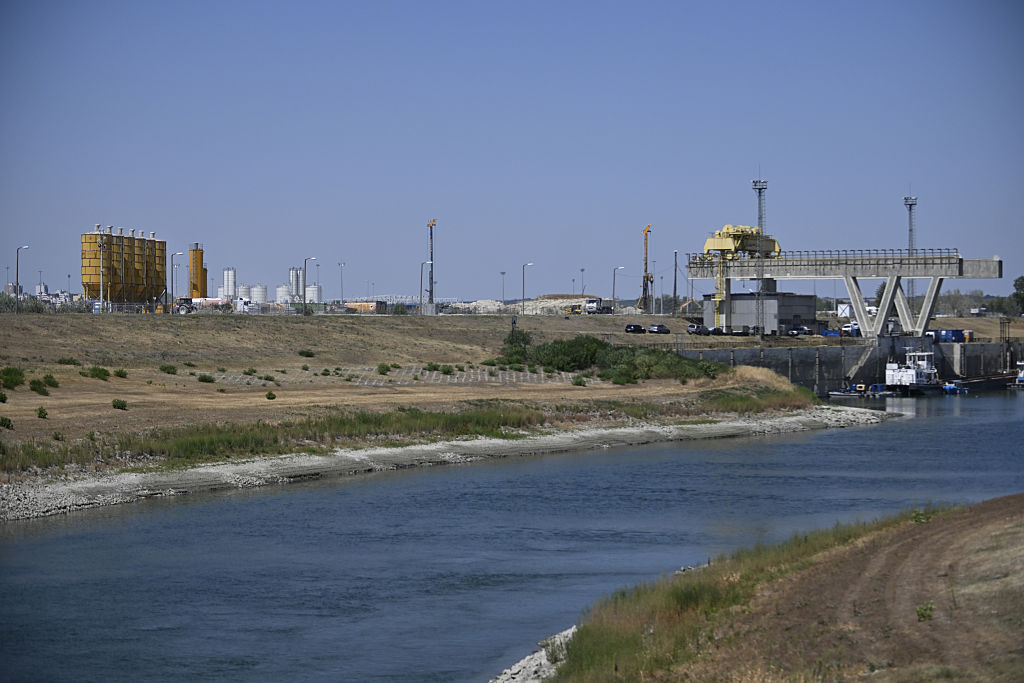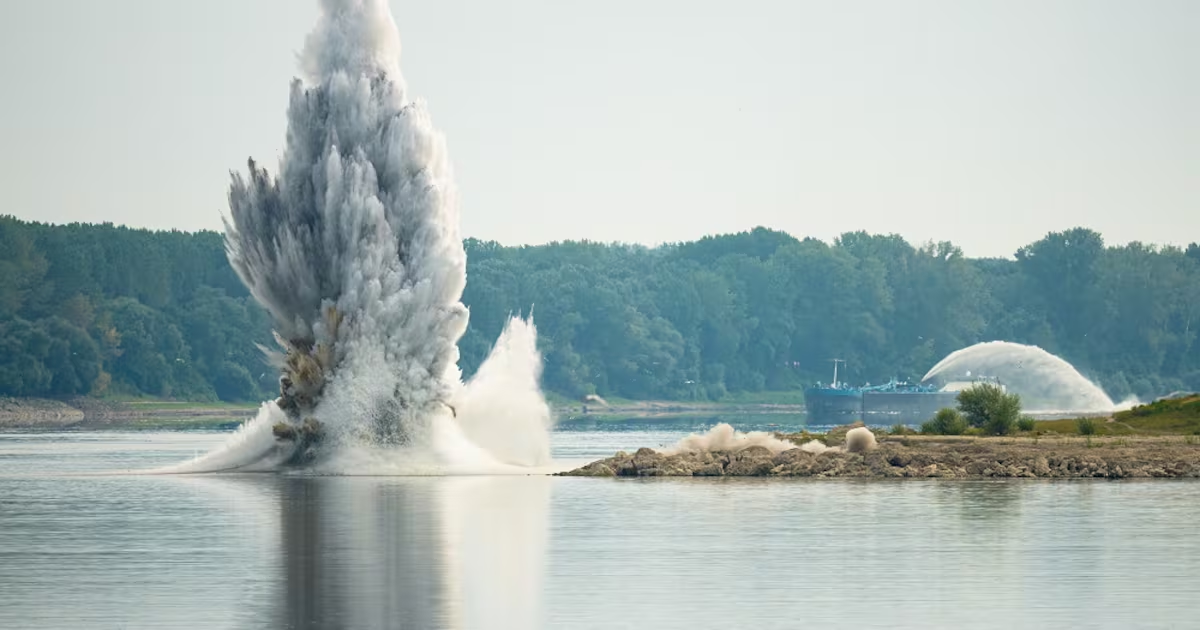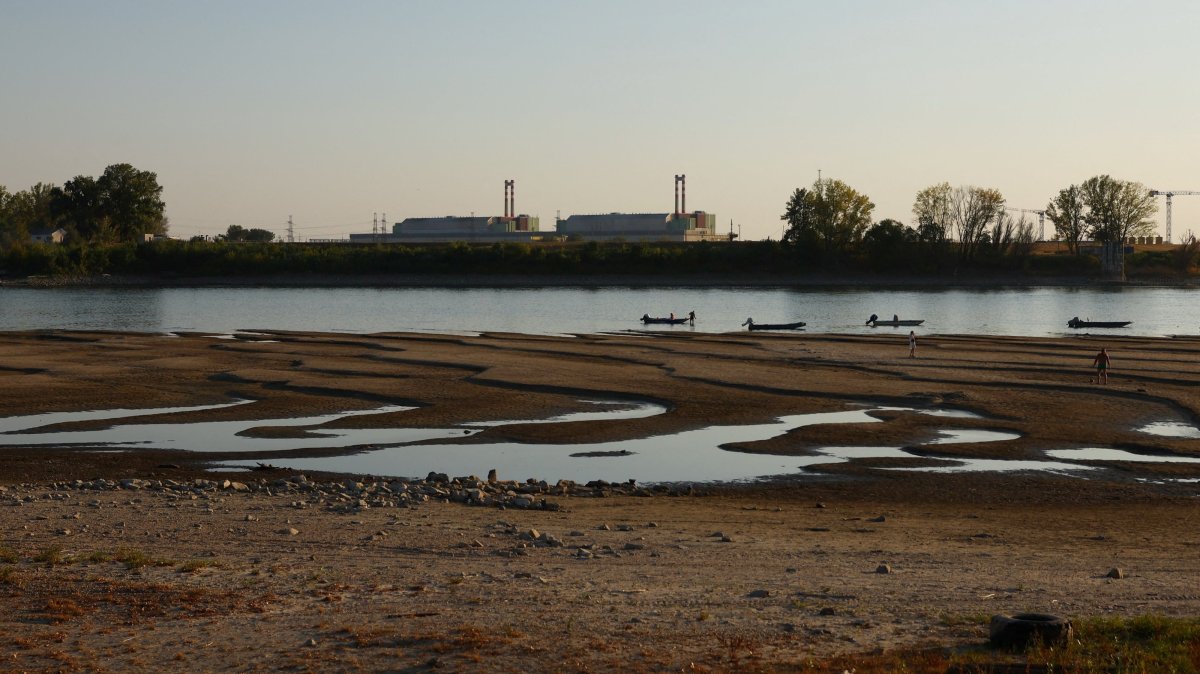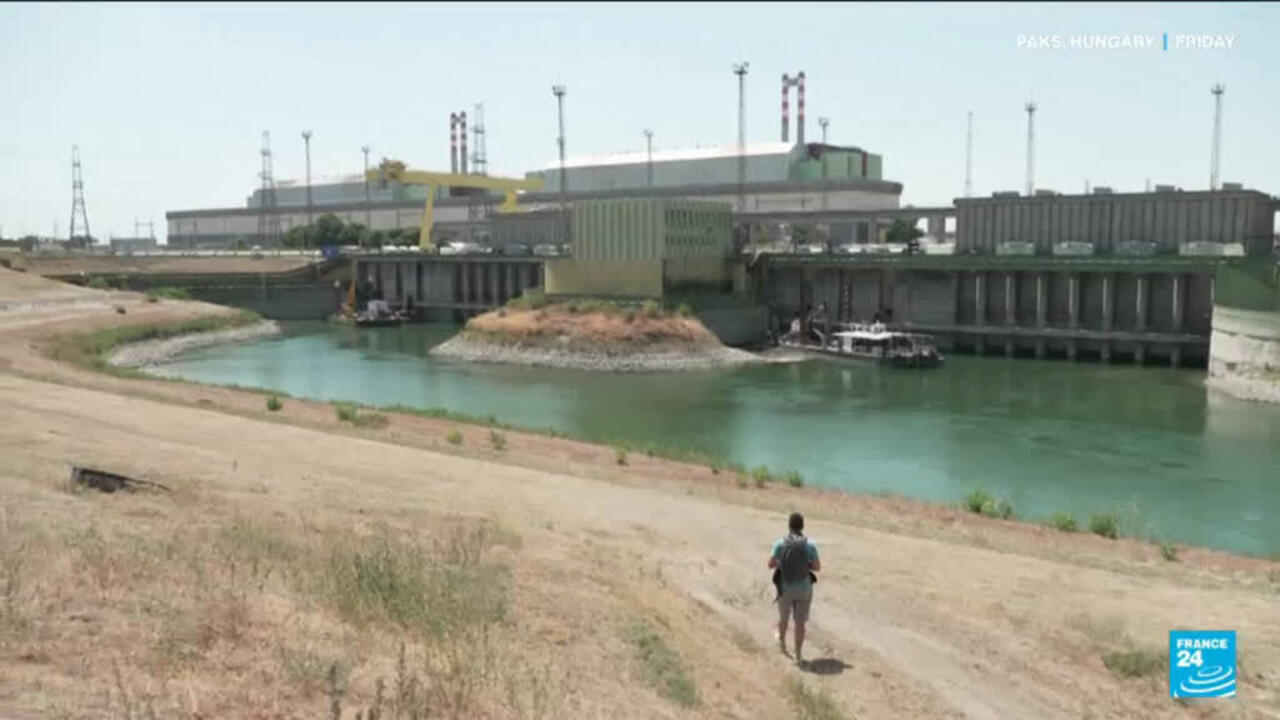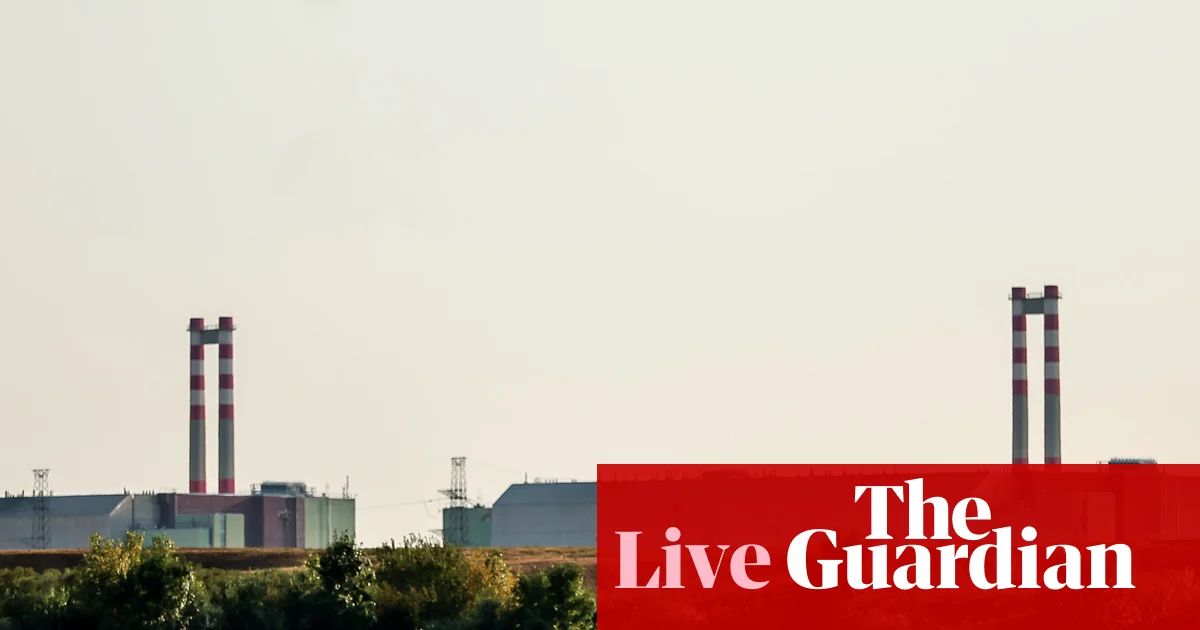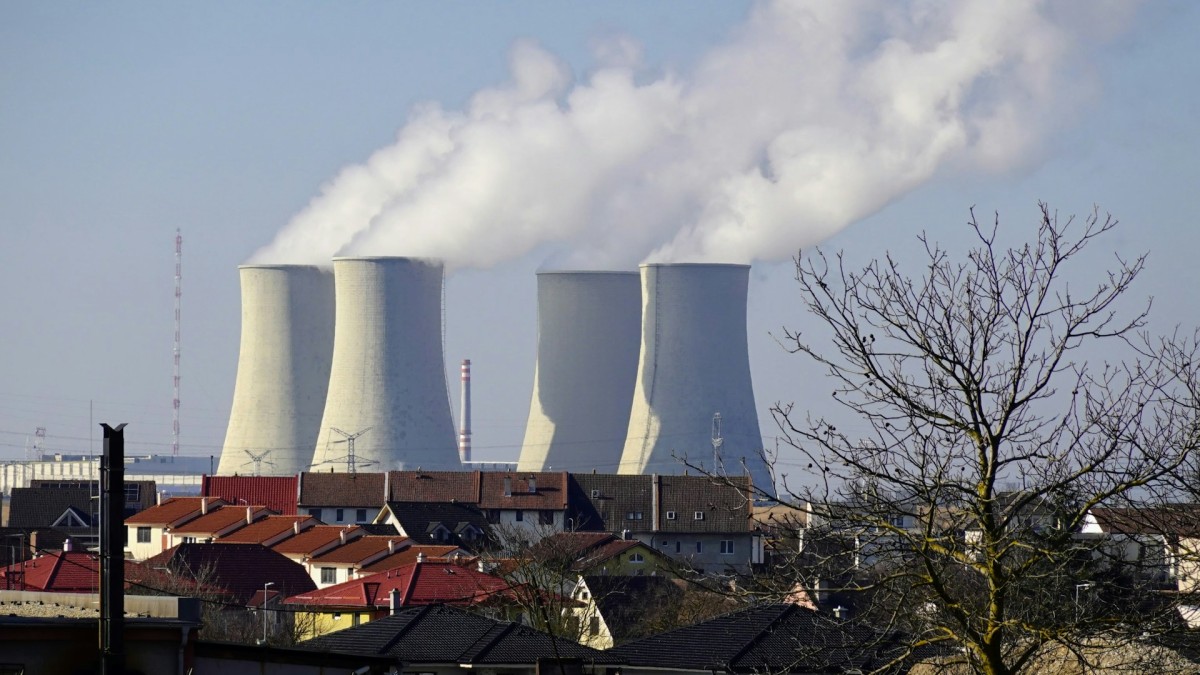
Intense summer heat waves are threatening energy security across Europe. The continent is facing a scorching and arid summer, causing electricity demand for air conditioning to skyrocket at the same time that rivers warm up and dry out with devastating consequences for the nuclear energy industry and for hydropower reserves.Last month, France had to reduce output and shut down nuclear reactors at a record pace without sufficient and safe water supplies to cool its reactors. And now, this week, Hungary had to shut down the Paks nuclear power plant over the weekend in a historic last-ditch effort, effectively cutting off 40 percent of the country’s electricity generation overnight. “Due to the further drop in the Danube’s water level,” Prime Minister Péter Magyar tweeted on Saturday, “tomorrow it will be completely shut down for the first time in 44 years."Taking Paks offline led to an enormous swing in electricity prices across the region, with costs reaching a blistering €500 a megawatt-hour. And Hungary is not out of the woods yet. This whole week will be a crunch time for the country as temperatures soar to dangerous levels. “An energy crisis situation may arise from Monday,” Magyar went on to warn. “Coordinated steps and self-restraint will be needed to avoid more severe consequences.”Set OilPrice.com as a preferred source in Google here.The crippling of Hungary’s energy output is also occurring when access to air-conditioning could be a matter of life and death for vulnerable individuals and the elderly. Nearly half a million people in the world died of heat every year between 2000 and 2019 according to a study from the Lancet, most of whom were elderly and therefore more vulnerable to high temperatures. Under these conditions, air conditioning is not a luxury but a life-saving necessity, preventing approximately 190,000 deaths each year.And things could soon get a whole lot worse. It’s only the beginning of August, and historically Europe faces its lowest water levels in key waterways like the Danube toward the end of the month or in September. Plus, the impacts of climate change are only going to become more pronounced as time goes on. Europe, the world’s fastest-warming continent, needs to prepare for sweltering heat and water stress quickly becoming the new normal.“We have to plan our power system so that this might be our new reality,” Zsuzsanna Pató, power system lead for Europe at the non-profit Regulatory Assistance Project, recently told Bloomberg. “We don’t usually have such hot spells, but we just have to get used to it.”It’s a double-edged sword – the more that round-the-clock clean energy technologies like nuclear and hydropower are needed, the harder they are to maintain and expand. "As it gets hotter, things stop working quite so well," Iain Staffell, associate professor of sustainable energy at Imperial College London, was recently quoted by DW. "I think we do need to adapt the power system to cope with the changing weather," he went on to add.Nuclear power is far thirstier than many other energy sources, drinking up far more water than renewables like solar and wind power on a per-kilowatt basis. These needs are stymying the growth of the sector in many water-stressed regions, and causing considerable political conflict in places like Australia where water is a precious resource.But, luckily, according to the Breakthrough Institute, “nuclear reactors don’t need to be so thirsty.” To support the expansion of nuclear power in a changing climate, stricter guidelines are needed for water recycling processes at nuclear power plants. What is more, nuclear reactor design is continuing to evolve at a rapid pace as the sector becomes increasingly competitive and privatized. In the future, some reactors will rely on gas instead of steam, while others will use air cooling or molten salt models, both of which require far less water to operate.By Haley Zaremba for Oilprice.com More Top Reads From Oilprice.comGulf Shipping Grinds to a Halt Following Houthi Missile ClaimAngola Confirms New Offshore Oil and Gas Reserves With Katambi-2 WellChinese Oil Giant Launches World-First 16MW Floating Wind Turbine
Europe's Electricity Prices Spike to €500 a Megawatt-Hour as Drought Bites | OilPrice.com
Drought has forced Hungary to shut down its Paks nuclear plant, sending European electricity prices spiking to €500 a megawatt-hour.
670 words~3 min read