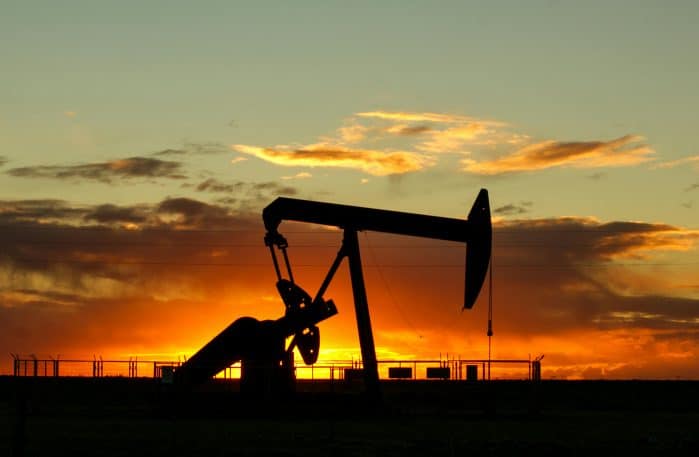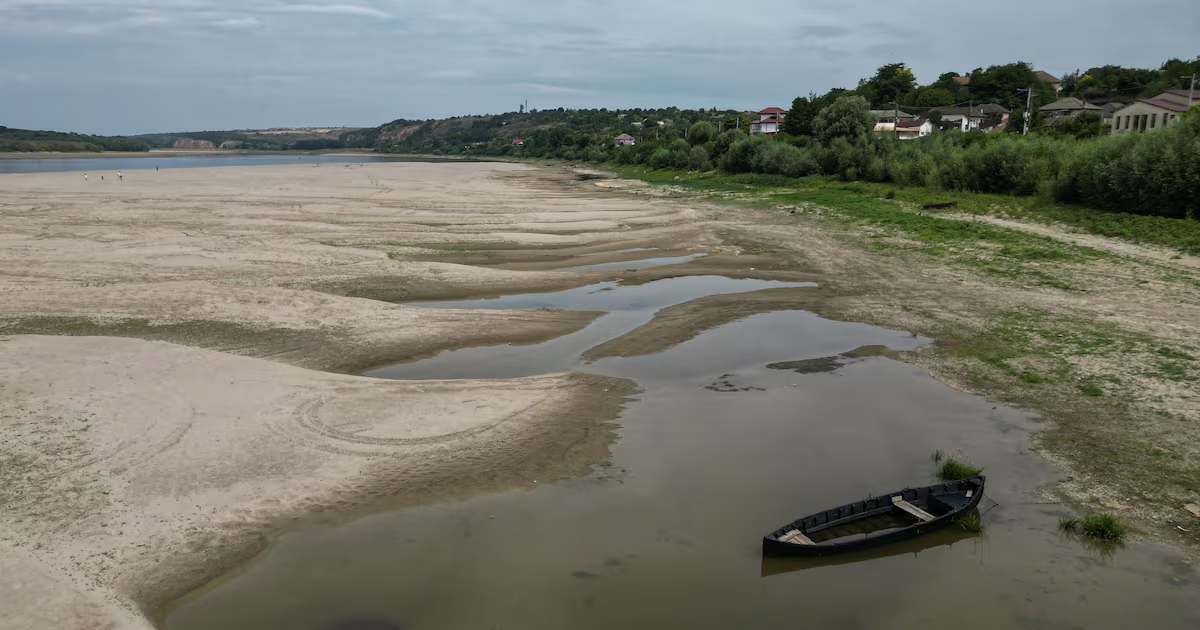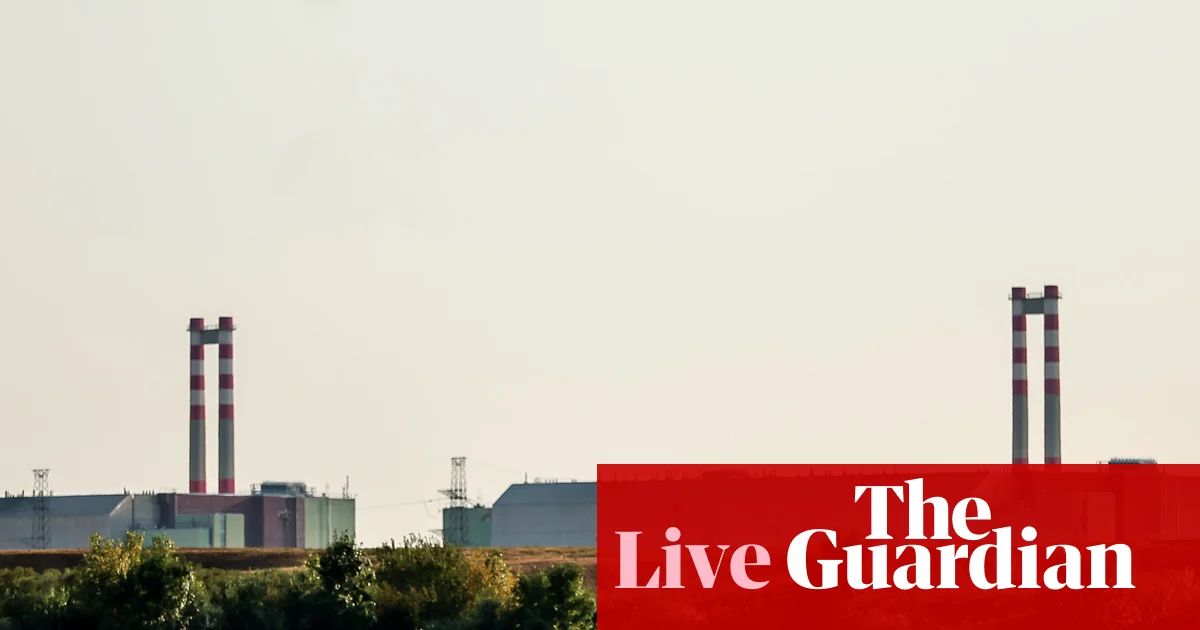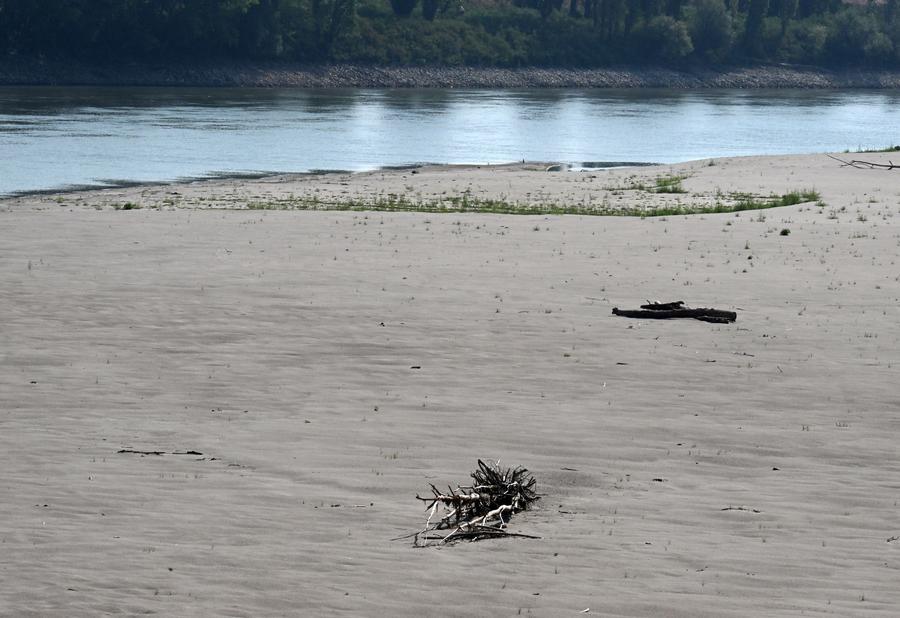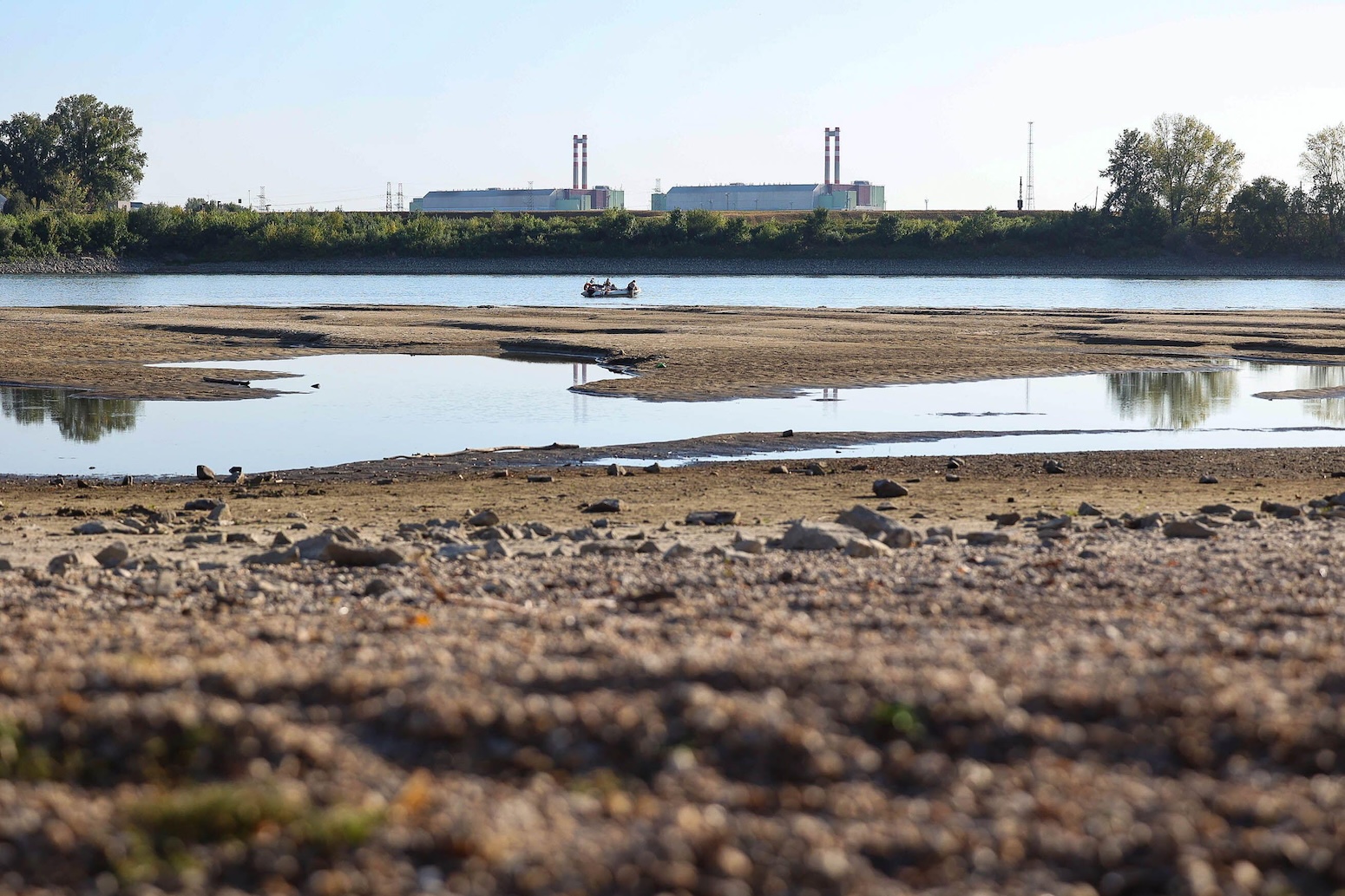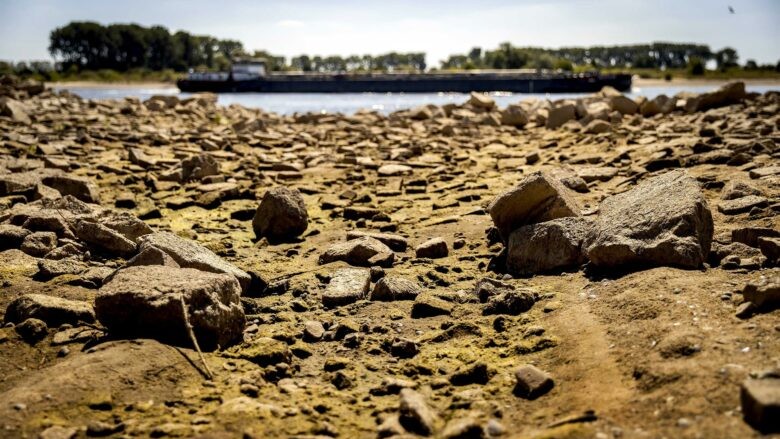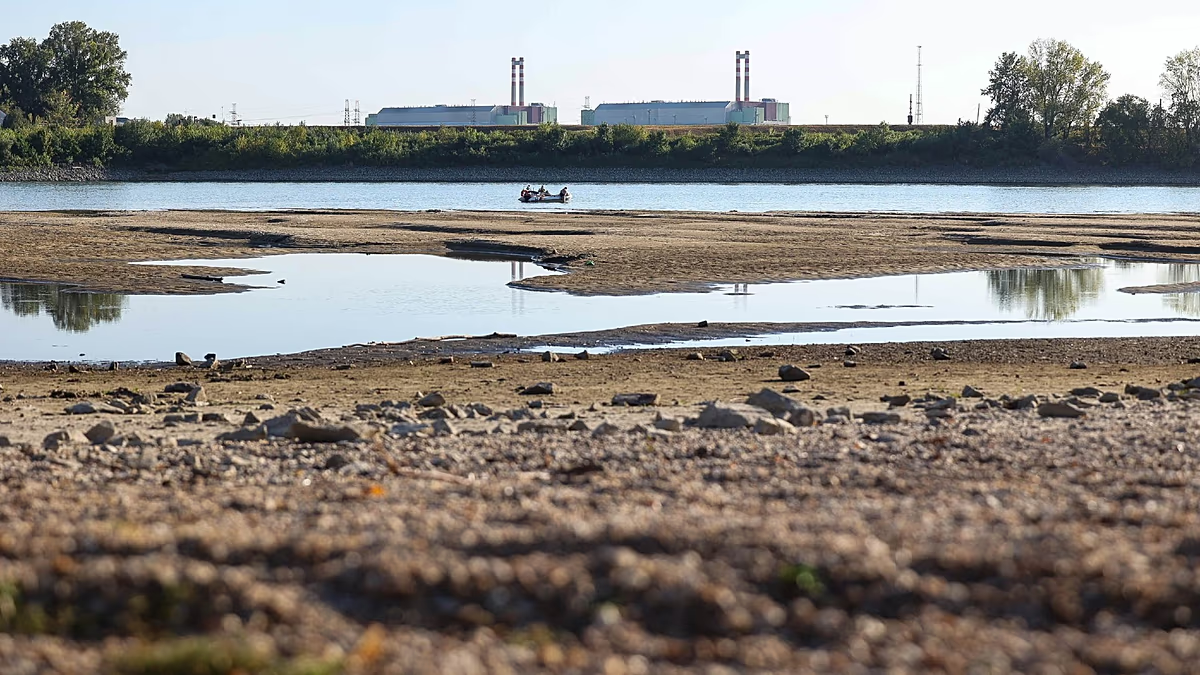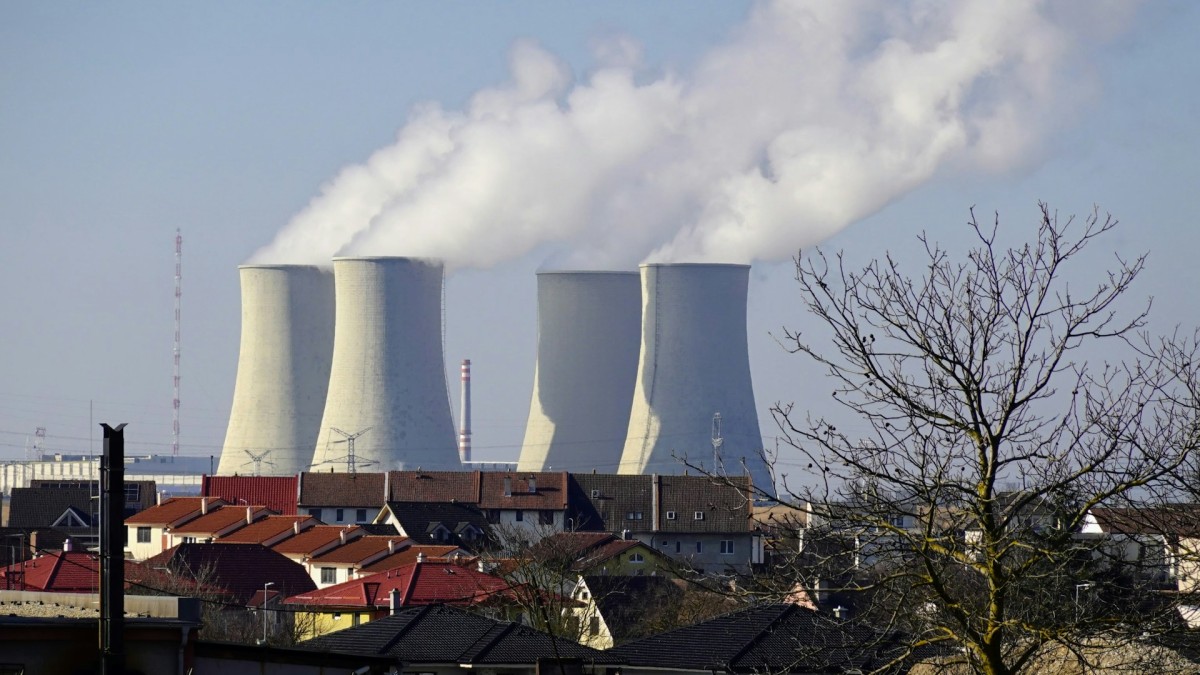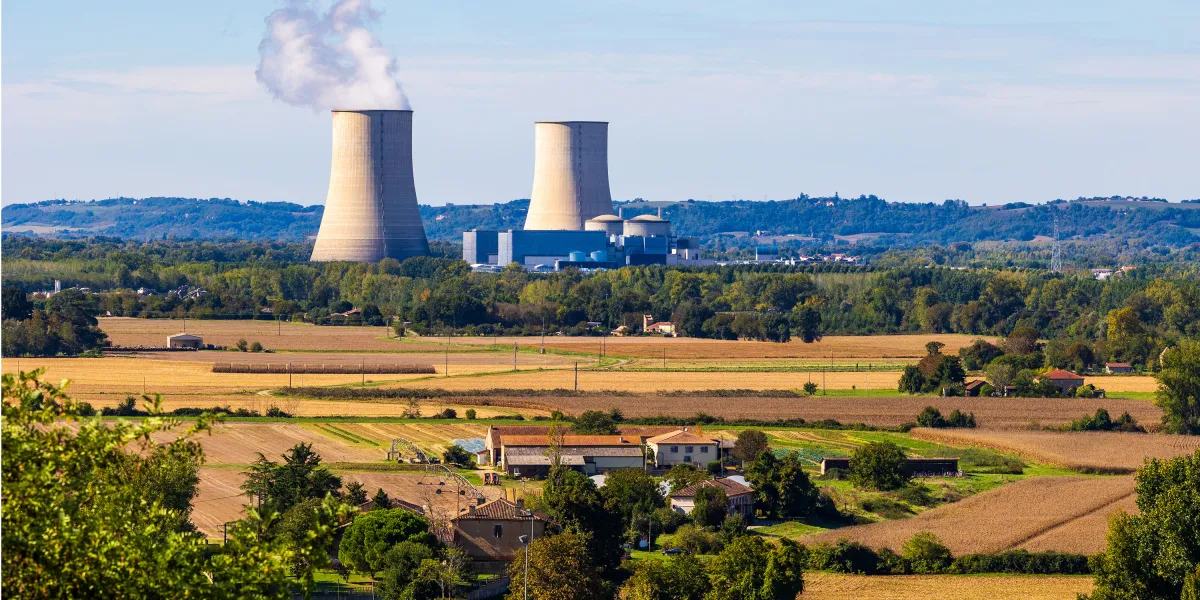
Extreme heat and drought are beginning to impair Europe’s energy system. Refineries are losing cooling efficiency, river levels are forcing cuts to nuclear generation, hydroelectric output is falling and inland fuel transport is becoming more expensive as barges carry smaller cargoes. Temperatures above 40°C have become increasingly common across large parts of southern and central Europe, with prolonged drought shrinking rivers, drying soils and fueling destructive wildfires. A recent analysis by the World Weather Attribution group concluded that human-driven climate change has substantially increased both the likelihood and intensity of these extreme weather events, turning seasonal heat into a recurring operational constraint for Europe’s oil and power sectors. Heat and drought conditions across Europe are intensifying the pressure on a market already struggling with disruptions to crude oil supply thanks to the ongoing Middle East conflict.Historically, seasonal changes in temperatures have affected energy prices across the continent as heating and cooling demand fluctuates; however, commodity analysts at Standard Chartered have noted that extreme heat and drought are now affecting refiners’ ability to produce fuels efficiently, meaning that climate is simultaneously raising demand and constraining supply.Although each individual effect may be relatively small, StanChart says that the combination is amplifying pressure on refinery margins and diesel cracks during the summer months. The ICE gasoil-Brent crude crack (which reflects European diesel) exceeded $75 per barrel (bbl) on 31 July, close to a 20-year high, with further upside possible if conditions worsen.Europe's refineries were mainly built in the 1960s and 1970s, and are optimized for cold and sub-zero temperatures thus leaving them poorly equipped for modern summer heatwaves. Refineries rely heavily on air fin coolers to condense and cool hot hydrocarbon streams. As the ambient air temperature approaches the target temperature of the process stream, the temperature differential drops, severely reducing heat transfer efficiency. Water-cooled systems face a double crisis during heatwaves. Low river flows reduce the available volume of cooling water, while the existing water is already too warm to absorb massive process heat loads. Environmental regulations have enacted strict bans against discharging excessively hot water back into natural ecosystems to protect aquatic life, forcing refiners to slow down operations when water volumes drop.But oil refining is hardly the only energy industry negatively impacted by Europe's climate crisis.The Danube has fallen to record-low levels, forcing cuts to nuclear power generation acrossCentral Europe. Indeed, Reuters has reported that production at the Paks Nuclear Power Plant, which produces half of the country’s electricity, fell from 2,000 megawatts down to just 240 megawatts. Three of the four turbines have been systematically shut down, with Hungarian Prime Minister Peter Magyar warning that a complete shutdown is imminent if the river levels drop any further, which would mark the first full stoppage in the plant's 44-year history.In Romania, the government declared a nationwide state of emergency on Monday due to slumping electricity production and limited cross-border import capacities triggered by the water and energy crisis. The Romanian military recently used 180 kilograms of explosives in a controlled blast on a Danube River rock outcrop along the Bala channel to divert more water to the Cernavod? complex. State-owned producer Nuclearelectrica shut down one of Cernavod?'s two active units, which normally supply a fifth of Romania's electricity. Major industrial facilities, including local automotive plants run by Dacia and Ford, have paused operations to reduce power demand. A typical nuclear power reactor requires massive amounts of water for cooling, drawing roughly 25,000 to 60,000 gallons per megawatt-hour (MWh) for once-through systems, or about 600 to 800 gallons per MWh for recirculating systems with cooling towers. Unfortunately, Hungary's Paks and the Cernavod? Nuclear Power Plant rely on once-through cooling systems, with both plants drawing large volumes of water directly from the adjacent Danube River.Meanwhile, the severe water deficit across Europe's major hydro regions is driving an energy supply crunch and a sharp rise in electricity prices. In the Alpine Region, reservoir inflows across Austria, Switzerland, France and northern Italy are nearly 50% below the historical 15-year average. Major utilities, such as France’s EDF and Austria’s Verbund, have reported hundreds of millions of euros in lost earnings due to plummeting hydroelectricity output. Similarly, in the Nordic Region--Norway, which relies on hydropower for roughly 90% of its electricity--has recorded its lowest snow reserves in two decades, resulting in a 25 terawatt-hour (TWh) energy deficit.Low water levels are also affecting inland logistics and causing navigational constraints, although the Rhine has not yet reached the levels seen in 2018 or 2022. Low water levels for key rivers mean that barges are forced to carry smaller loads, inland transportation costs rise, and deliveries of crude, refined products and refinery feedstocks become less efficient. Physical distribution is constrained, even if refinery production remains relatively intact. Overall, inclement weather is compounding an already extremely challenging market for refined products across Europe this summer.By Alex Kimani for Oilprice.comMore Top Reads From Oilprice.comVenezuela’s Oil Exports Fall Even as U.S. Shipments Hit Seven-Year HighUkraine’s Drone Campaign Drives Russian Oil Refining to 24-Year LowDark Tanker Transits Surge at Bab el-Mandeb as Houthi Threat Persists
Europe’s Heatwave Is Hitting Refineries And Power Supplies | OilPrice.com
Extreme heat and drought are disrupting Europe's energy system, reducing refinery efficiency, forcing cuts to nuclear and hydropower generation, and driving diesel refining margins toward 20-year highs.
842 words~4 min read