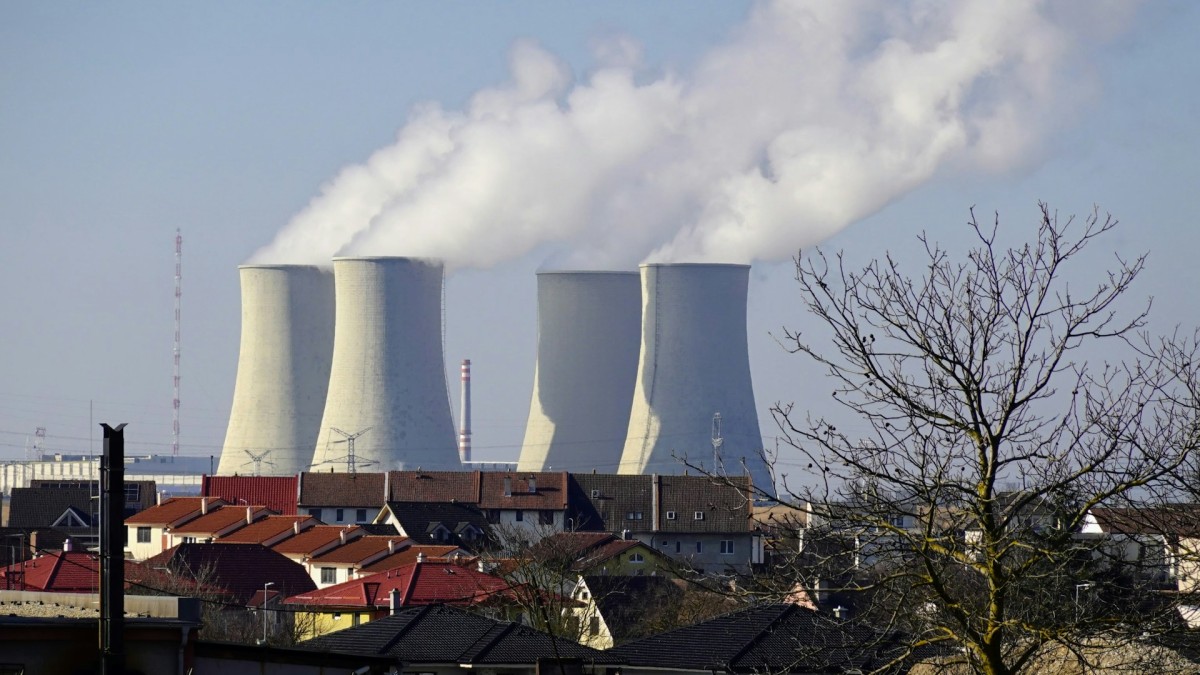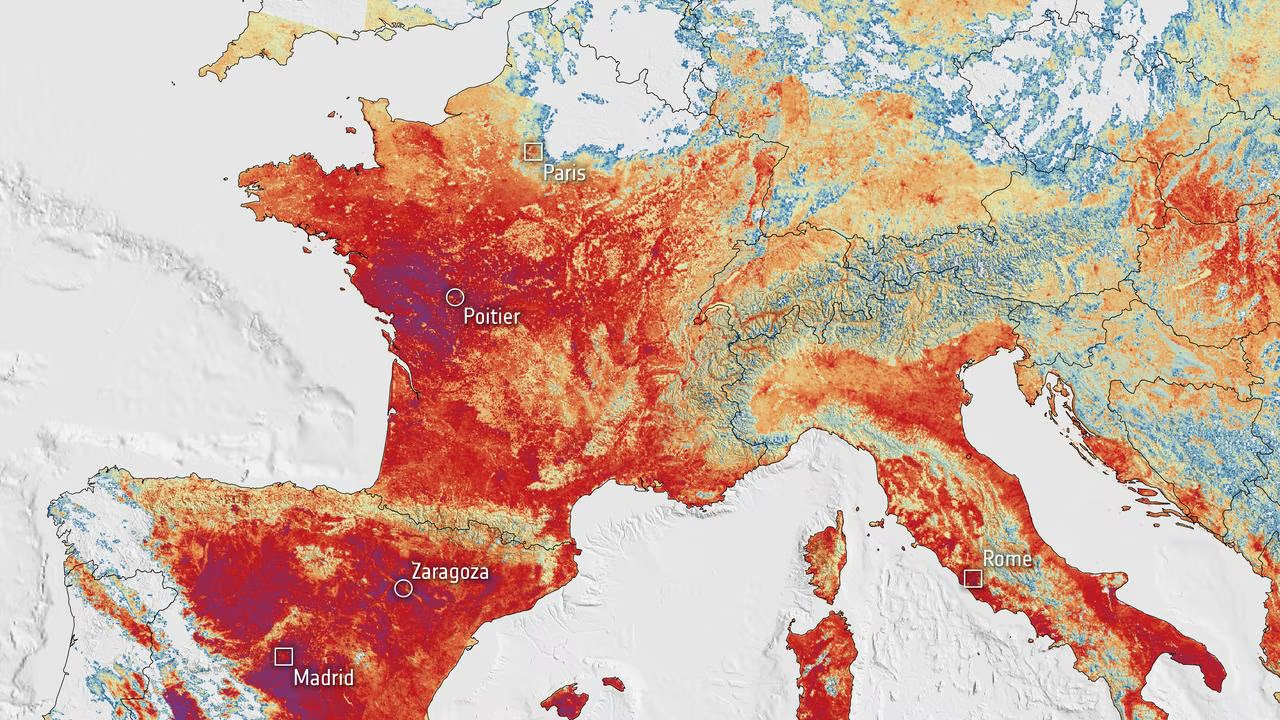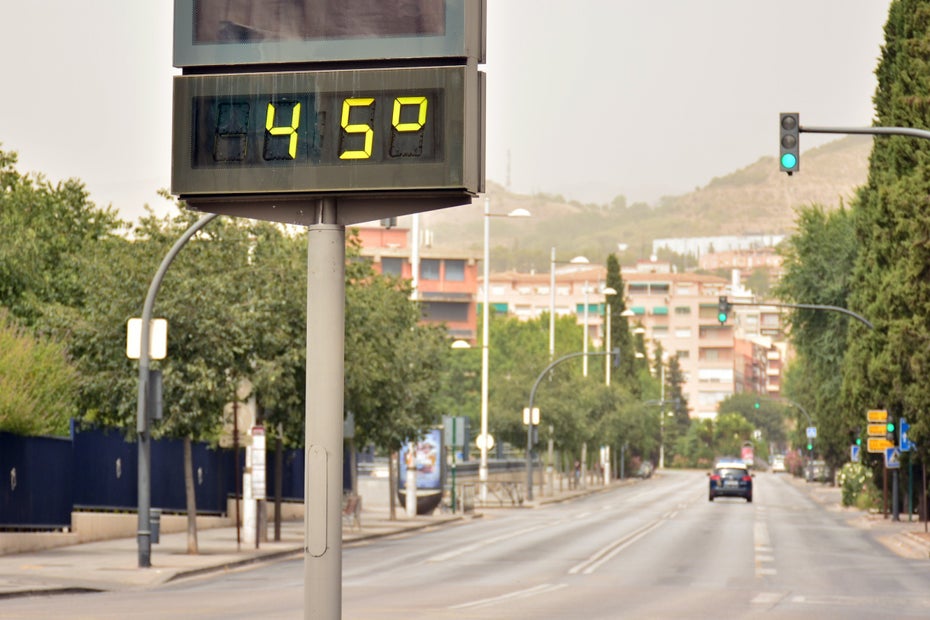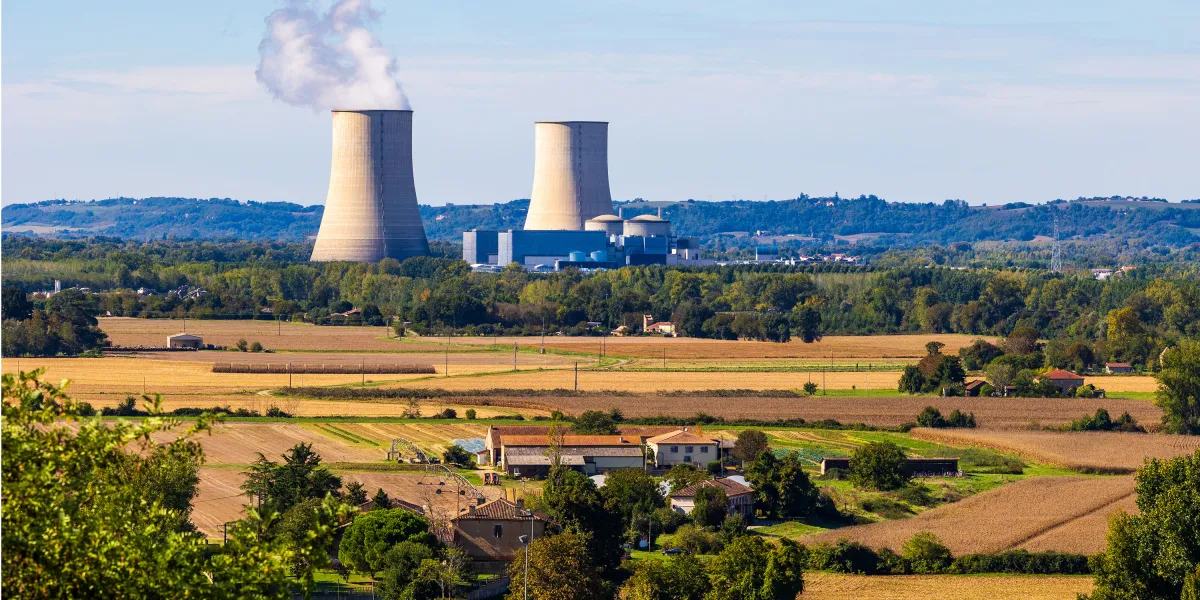
Europe is in the middle of a record-breaking heat wave, and the grid is being pushed to its limits as people turn to fans and air-conditioning to try to stay cool. Some power plants won’t be online to help handle the load. On June 23, France saw its hottest day since record-keeping began in 1947. Temperatures climbed to over 44 °C (111 °F), and overnight temperatures remained unusually high. This prolonged hot weather warmed up the water in some rivers across the country, a problem for the many nuclear plants that rely on those bodies of water for cooling. One reactor has already shut down, and others are being ramped down or will see limitations later in the week. Unit two at the Golfech nuclear power plant in southern France shut down at about 11:45 p.m. on June 22 when the river used to cool the plant got too hot. The move was a precautionary measure, according to Brid Nelligan, a spokesperson for EDF, the plant’s owner and operator. The power plant takes in water from the Garonne River and then returns most of it to the river at slightly higher temperatures after using it to cool equipment. French regulations limit the temperature of that return stream, so the warm water (it was expected to reach 28 °C, or around 82 °F) forced the operator to shut down the plant.
Europe’s extreme heat is shutting down power plants
Rising temperatures can affect our power supply, including nuclear and natural-gas power plants.
672 words~3 min read