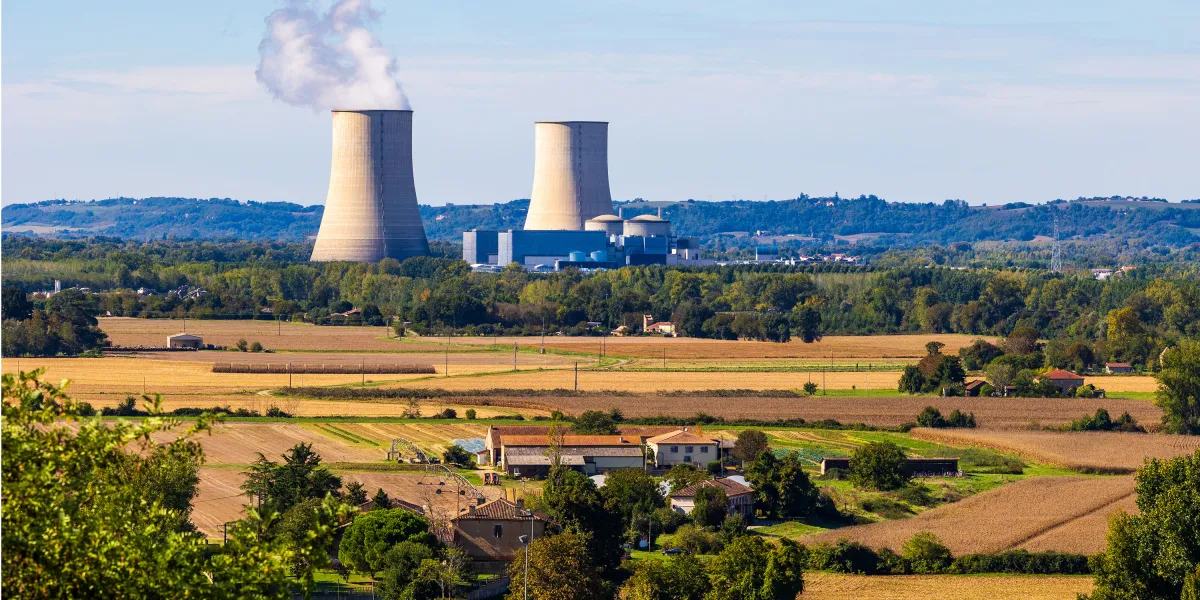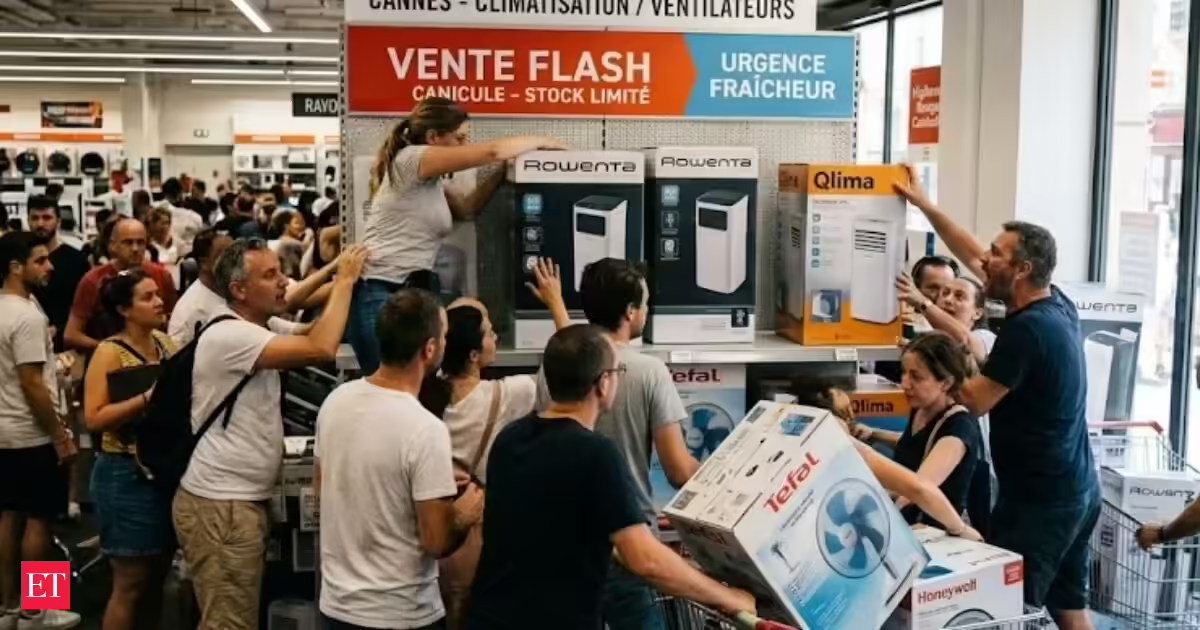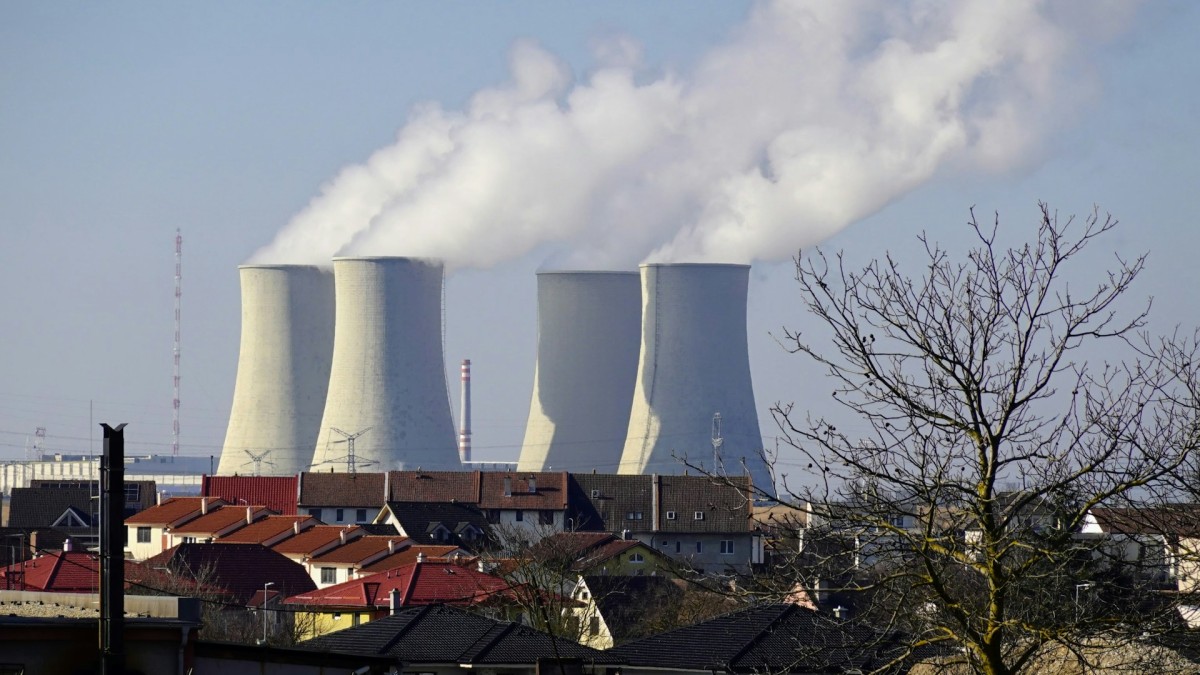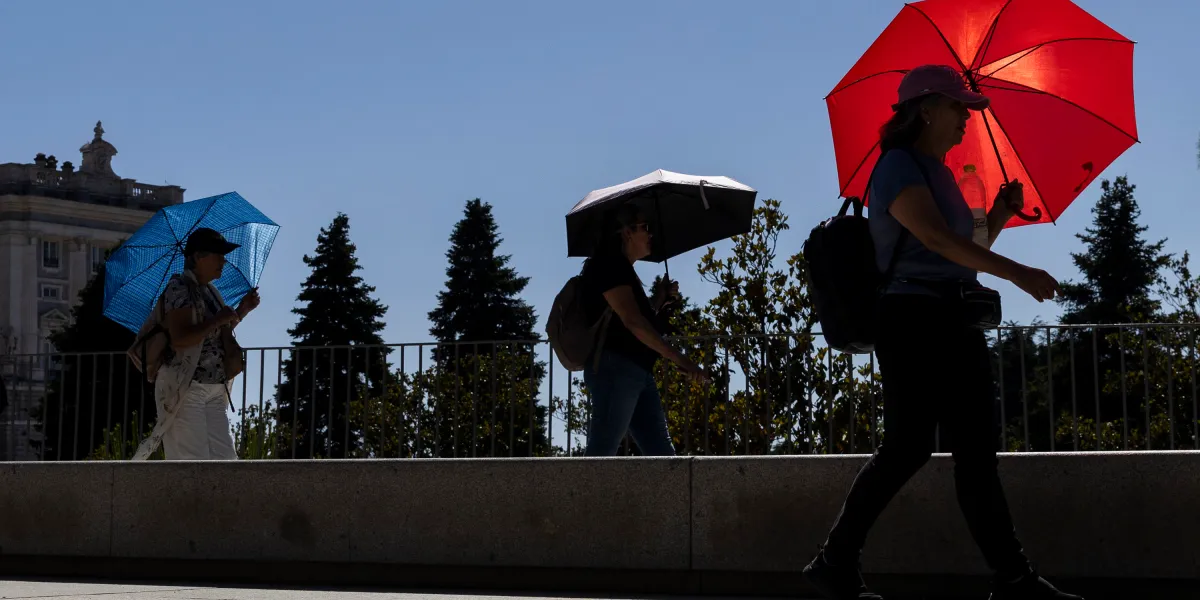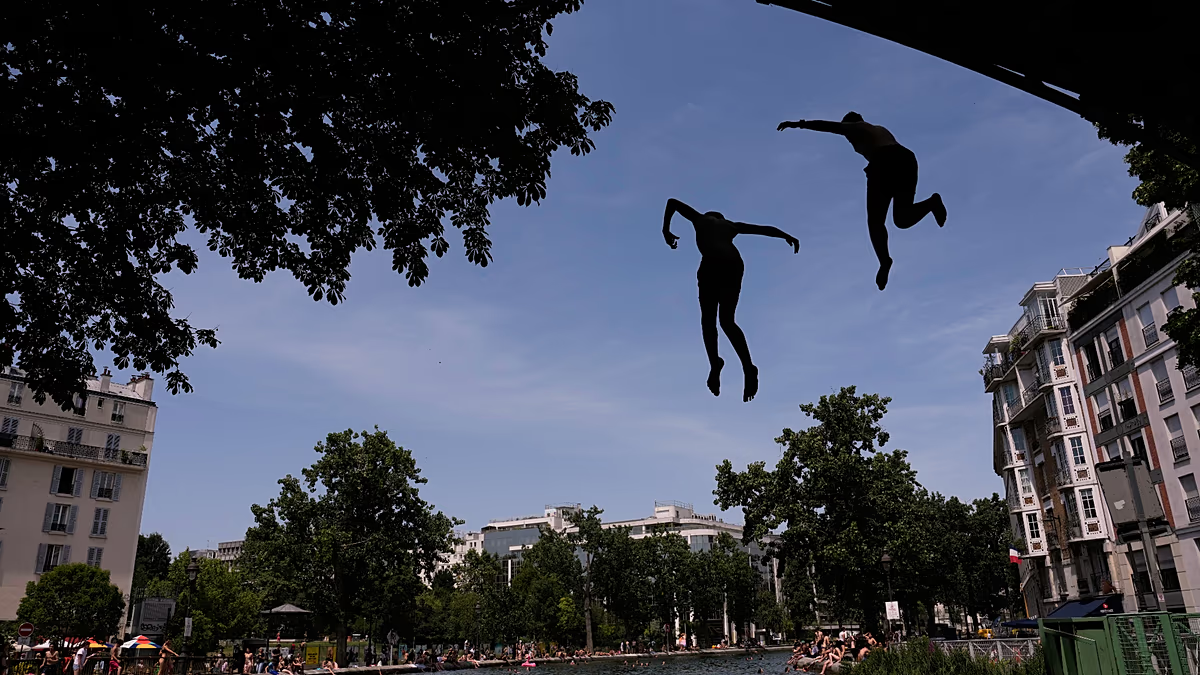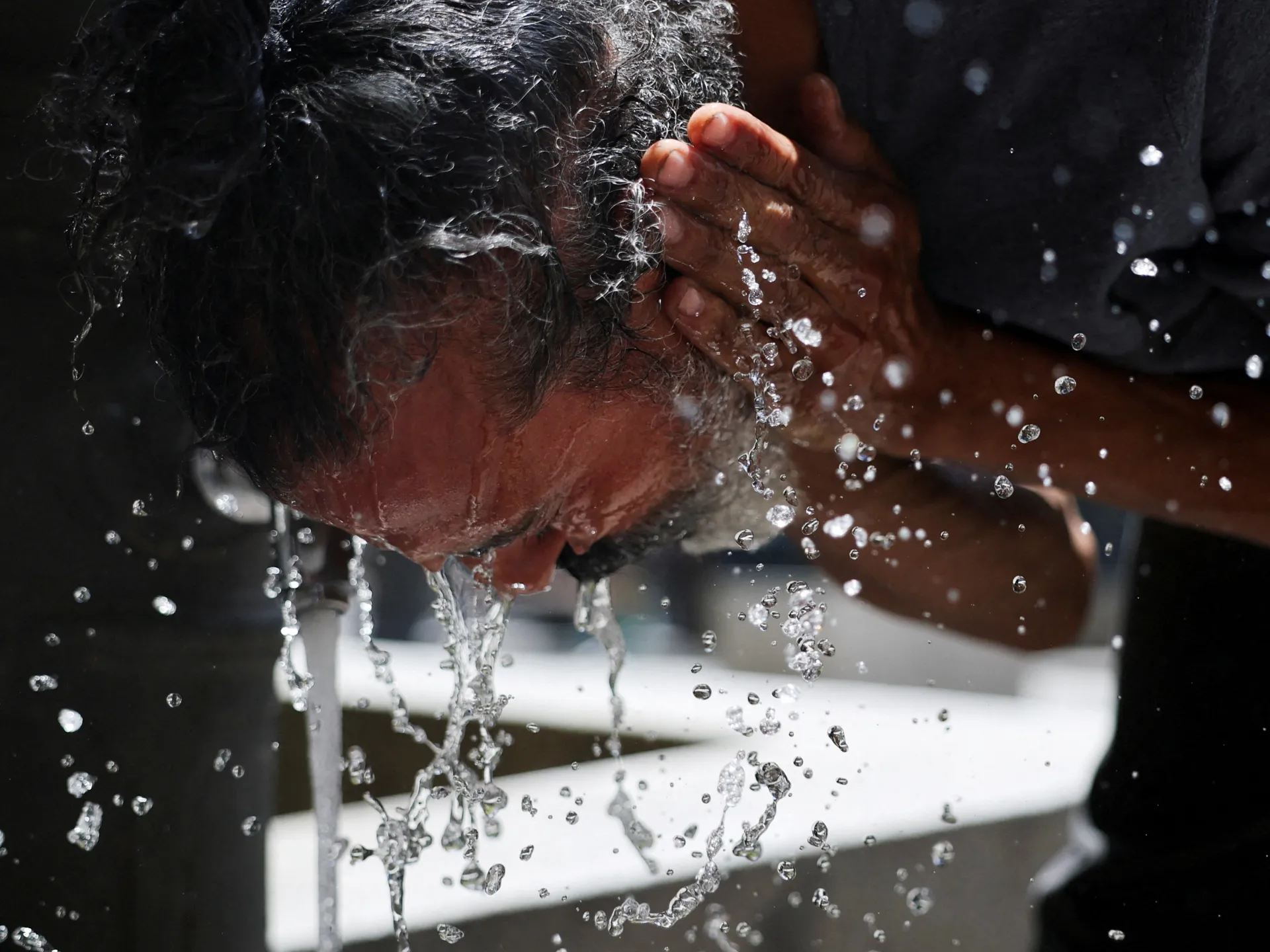
Europe’s nuclear power plants are shutting down.They’re too hot.Extreme heat is closing schools and factories. It’s taking lives.Even the London Climate Action Week had to be abandoned.Spain. France. Germany. Great Britain. All are scrambling to cope with a new experience: Heatwave.Their citizens aren’t acclimatised.Public services don’t know what to expect.Infrastructure is designed to keep out the cold. And intentionally trap heat.So Europe’s airwaves and social media chats are filled with unfamiliar terms.Heat Dome: That’s the pocket of hot air currently reaching out of North Africa over much of Europe.El Nino: That’s a weather pattern in the far-distant Pacific.Heat Bulb: That’s the ratio of humidity to heat that allows the human body to cool itself.More than 380 million people — nearly two-thirds of Europe’s population — have to come to grips with these new experiences.Some 101 million were subject to 35C or more on Friday, Australian time.Now, some are suffering power outages.Europe’s energy infrastructure is designed to deal with extreme cold. Not extreme heat.So it’s failing to deliver.At least 212 people reportedly died from heat stroke in Spain between Sunday and Wednesday. Dozens of accidental drownings were reported in France and Germany as people sought to keep cool.The London Ambulance Service (LAS) reported that it had experienced its highest-ever number of life-threatening emergencies for a single day. A total of 641 “Category 1” calls were “driven by the extreme heat”, its chief executive said.And there’s more to come.“Significant disruption to daily life is likely and the public should take every effort to adapt their daily routines to cope with these levels of heat, which up to now have been extremely rare for the UK,” warns chief meteorologist at the British Met Office, Andy Page.European MeltdownEurope’s summer doesn’t usually arrive before July or August.Something’s different this year.“The summers European residents grew up with no longer exist, and extreme heat is no longer an anomaly, but the new baseline,” warns University of Luxembourg disaster analyst Júlia de Freitas Sampaio.“This means the question now is no longer whether extreme heat will return, but whether European cities can survive it.”France has already shut down three of its nuclear reactors.“The main pressure comes from a triple squeeze: Cooling demand rises sharply, while power plants and grids become less efficient, and some thermal and nuclear plants must cut output because cooling water is too warm or scarce,” Simone Tagliapietra, a researcher for the Bruegel think-tank, told the Massachusetts Institute of Technology (MIT).Nuclear reactors require water to keep their radioactive cores cool and contained.But the river water feeding this process has become hot.That reduces its cooling effect.And the wastewater comes out even hotter.Which threatens to breach environmental safety limits.Other French reactors are operating at reduced power. And more are being wound down as the heatwave lingers.Blackouts are now a thing.The supply problem, explains MIT climate analyst Casey Crownhart, is being exacerbated by other nuclear reactors being offline.Peak European electricity demand is traditionally during winter.That’s when everyone turns their electric heaters on.Summer is supposed to experience far less demand. So maintenance cycles and repairs are scheduled for the warmer months.Those months are now unexpectedly hot.Switzerland is experiencing the same problem. It says the output of its Beznau nuclear reactors have been reduced. They will be shut down if the extreme heat continues.Heat isn’t only a problem for nuclear power plants.Coal and natural gas plants rely on air-breathing cooling towers. But if the air is hot, less heat can be drawn from the furnaces.At least five gas-fired facilities in the UK have reported the need to turn down their wicks. That’s resulted in 2.5 gigawatts less being pumped into the national grid.Demand, meanwhile, is rising.And that’s despite few European households being fitted with airconditioning.El Nino and the Heat Dome“None of this should have been a surprise,” states Ms Sampaio. “Europe is the fastest-warming continent on Earth, heating at roughly twice the global average, and scientists have been warning for decades that human-made climate change would make extreme heat more frequent and more severe.”Some analysts are linking the current extreme heat to the emergence of the “Super” El Nino event over the Pacific Ocean. This has, in the past, triggered world-spanning domino effects. Dominant global air streams change course. These pump their heat and moisture in new strengths to new locations.Long-established weather patterns fall by the wayside.“El Nino impacts weather across the globe in different ways,” explains AccuWeather analyst Jason Nicholls. “In Europe, El Nino can raise the jet stream, allowing for warm African and Mediterranean air to move north and spread. That’s what we’re seeing right now.”It may be feeding a ridge of high pressure, currently acting as an atmospheric “dam”. That’s what’s trapping the enormous bubble of hot air over Europe.“This one is particularly strong and some in the region won’t see relief until the middle of next week,” Mr Nicholls warns.Forecasters warn the Heat Dome will spread further across western, central and southern Europe over the next fortnight. It will bring temperatures 3C to 10C above average for this time of year.Daily maximums over 35C are expected to be widespread. Some will top 40C.Worse, many locations will remain above 20C overnight.“A day that reaches 38C but drops to 18C overnight is very different from a day that reaches 36C and stays above 25C through the night,” warns UN climate chief Simon Stiell. “The second scenario carries a much higher health risk.” The human body needs time to recover from exposure to heat. And a good night’s sleep.Hot nights and humidity prevent both.“Humidity means sweat evaporates more slowly, and sweating is the main way our bodies cool themselves,” states University of Reading researcher Akshay Deoras. This combination of heat and humidity is called the “wet-bulb temperature”.This measures how much cooling evaporation can produce.“This is why, when assessing the health impact of a heatwave, minimum temperatures can be more telling than the peak afternoon high,” Mr Stiell explains.A new normalBelgium’s railway lines are closing. They’re worried about buckled tracks.British passengers have been told to expect the same.“The coming week will bring an unprecedented heatwave with temperatures likely to reach 38-39C,” warns the chief executive of the Royal Meteorological Society Liz Bentley.So what?It’s something Australians deal with all the time.But we’re used to it. We’re prepared for it (or at least, it’s what we’ve been used to).“Most people in Britain simply have relatively little experience of prolonged extreme heat. For hundreds of years in the past, the UK has been designing homes to retain heat during winter,” explains Mr Deoras. “But the heat and humidity themselves aren’t the only problem. The country is still adapted – in its routines, its infrastructure, its buildings – to a cooler climate.”Like Britain, much of Europe (except Spain) hasn’t much experience with heatwaves.Hot summer days were a flash in the pan. A day here and there to enjoy and talk about. That’s why only 20 per cent of European homes have airconditioning (it’s only six per cent in Germany).Shade has never been a concept. It’s why the veranda is an Australian icon. Not an Austrian one.Insulation is a thing in Europe. For heat retention.And air circulation is a bitter enemy in winter. Not a summertime friend.So most European homeowners have only closing the blinds and cranking up a fan as available cooling options.Demand for airconditioning, however, is rising.The previous hottest summer was in 2024. That prompted a 75 per cent increase in sales. And rising.That will put extra pressure on the energy grid.The same grid that is struggling to cope with the heat.The French government is scrambling to respond to the reactor shutdown crisis. Emergency meetings are being held in stuffy offices. Similar meetings are happening across Europe.Meanwhile, El Nino’s fallout is beginning to reach across Africa and Australia and into the Indian Ocean.“We are facing potential conditions for a weak monsoon due to El Nino, an impact that is already becoming visible, as the monsoon is currently significantly delayed,” warns Agriculture Minister Shivraj Singh Chouhan.That has dire implications for the 260 million people working in India’s agricultural industry. Not to mention food availability and prices.“Overall, rainfall has been 43 per cent below normal so far,” Mr Chouhan adds. “Weather forecasts indicate that conditions are likely to remain weak.”Jamie Seidel is a freelance writer
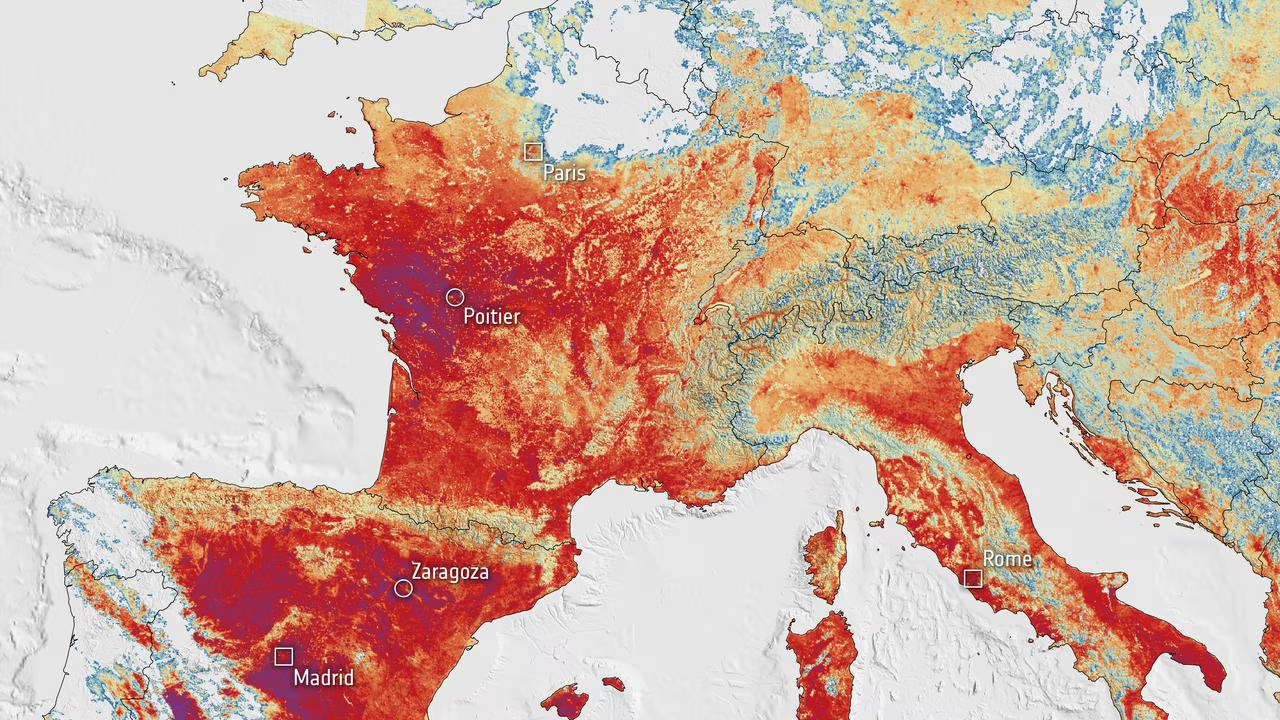
Grim pic shows Europe in crisis
Europe’s nuclear power plants are shutting down.
1,369 words~6 min read