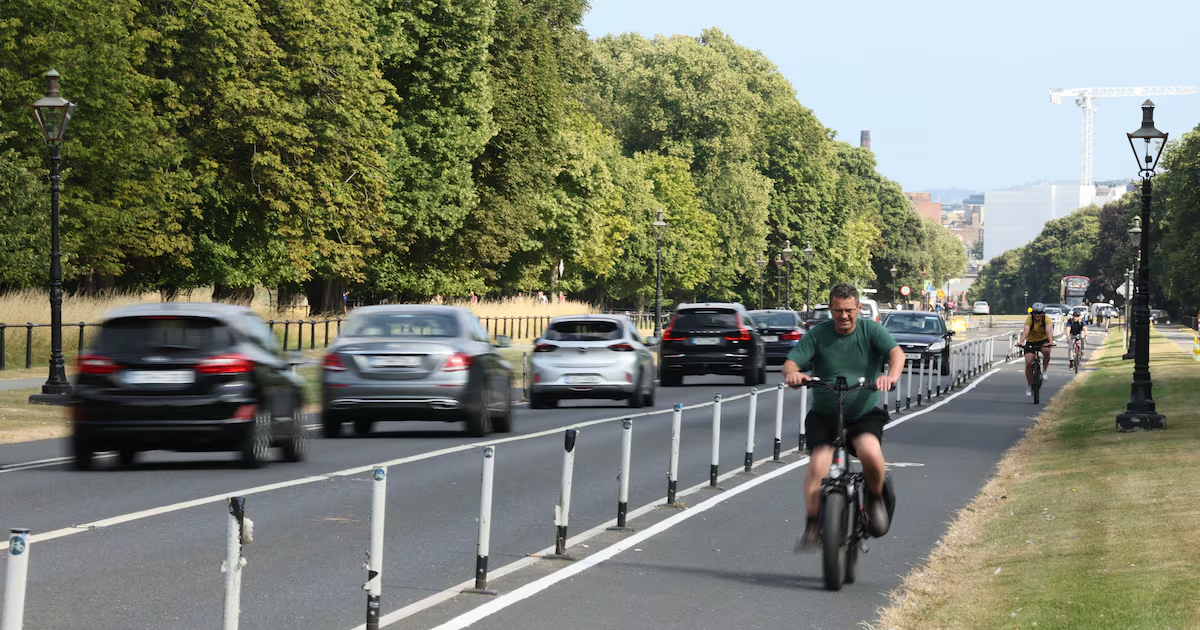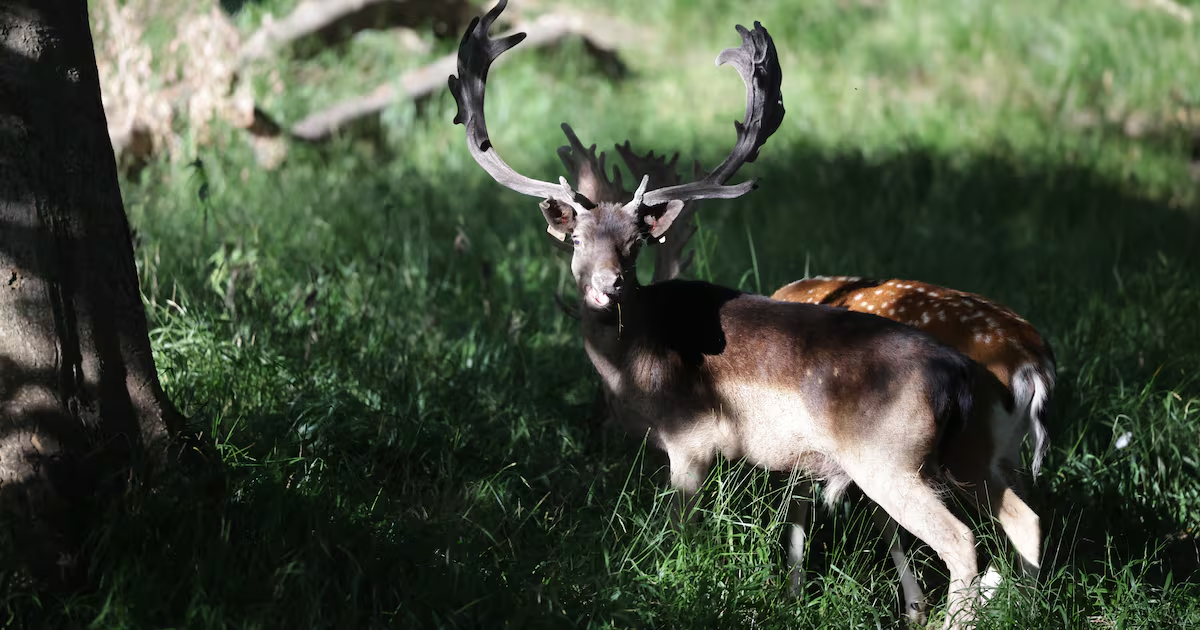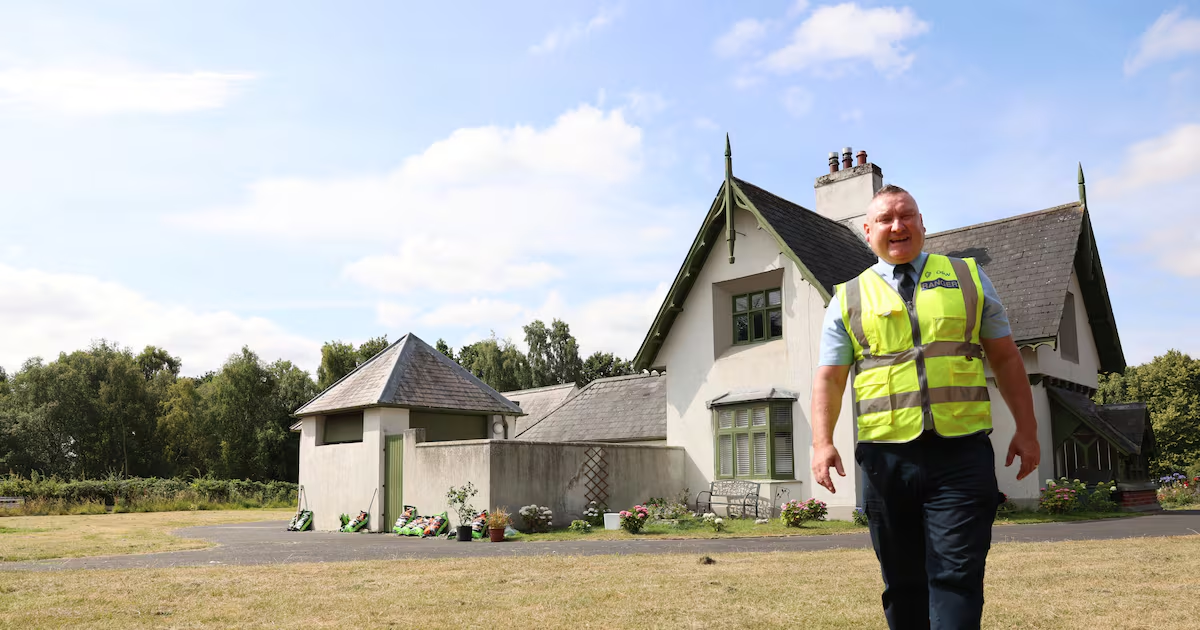
The Phoenix Park in Dublin is a place of great beauty and joy. Sadly, though, it has also been the scene of tragedy and trauma. “It is a city park at the end of the day,” says Declan Bermingham, the park’s horticulture foreman. “You really never know what you’re going to come across.” An employee of the Office of Public Works (OPW), which manages the park, Bermingham moved three years ago from the “noise, buses and traffic” of Blanchardstown in northwest Dublin to the “total, night-time silence” of the Kitchen Garden Lodge in the park.He and his partner Fidelma share the Cotswolds-style, beige-brick, two-up two-down lodge within a walled orchard with a pretty planted garden and working beehives. It is on the grounds of Áras an Uachtaráin, residence of President Catherine Connolly. It’s also an old, protected structure with single-pane windows. “It is beautiful, but very hard to heat in the winter,” Bermingham says. He pays rent to the OPW. In return, he is contactable round the clock. “A constant presence of OPW staff is fundamental to the functioning of the park,” says the Phoenix Park’s chief park superintendent Margaret Gormley.Governed by bylaws set out in the 1925 Phoenix Park Act, the park needs people in situ to ensure the rules are being upheld. The rules include a prohibition against fires being set in the park, while driving on grass is also not permitted. Additionally, the park’s 600-strong wild deer population must not be chased, disturbed or injured.The 1,750-acre amenity, with its 11km perimeter, is open to the public 24 hours a day every day of the year through multiple road and pedestrian routes.“It benefits me and the park for me to be here because I can react quicker to situations,” says Bermingham. “I can be on the scene to assess and call the right people.”Declan Bermingham at his home, Kitchen Garden Lodge, in the Phoenix Park, Dublin. Photograph: Dara Mac Dónaill/The Irish Times
What’s it like living in Phoenix Park, Dublin? ‘People look over the fence, taking photos’
Declan Bermingham and Terry Moore have encountered homeless people and those bereft of hope in Ireland’s biggest public park
1,442 words~7 min read