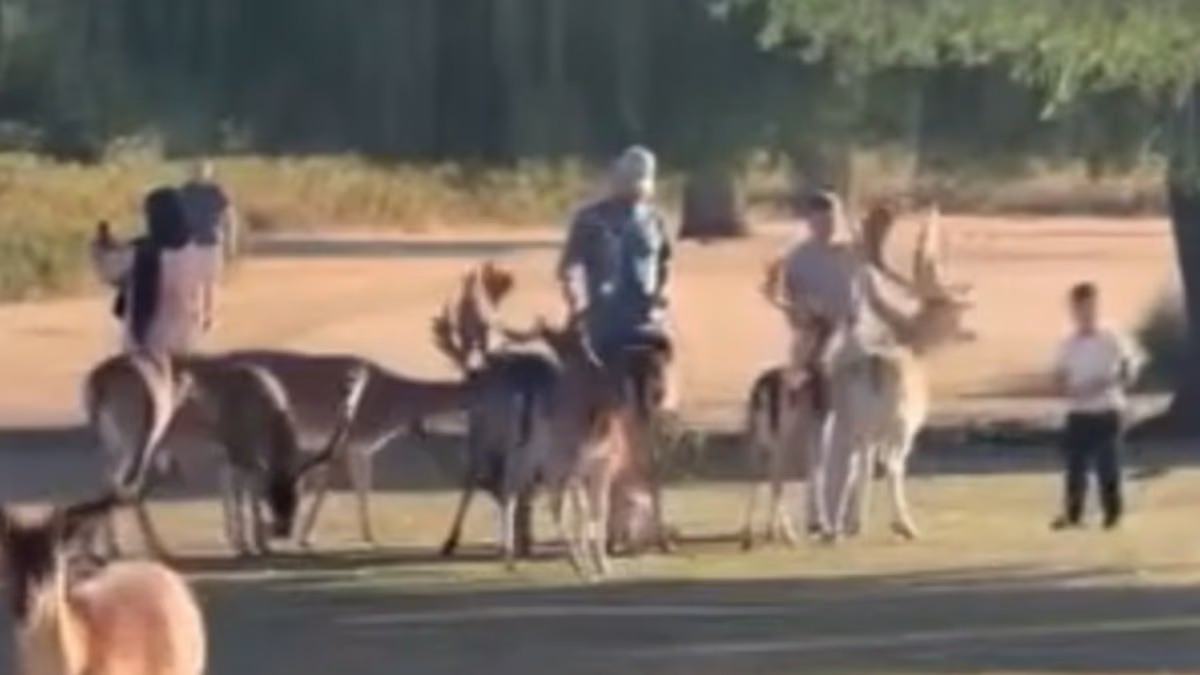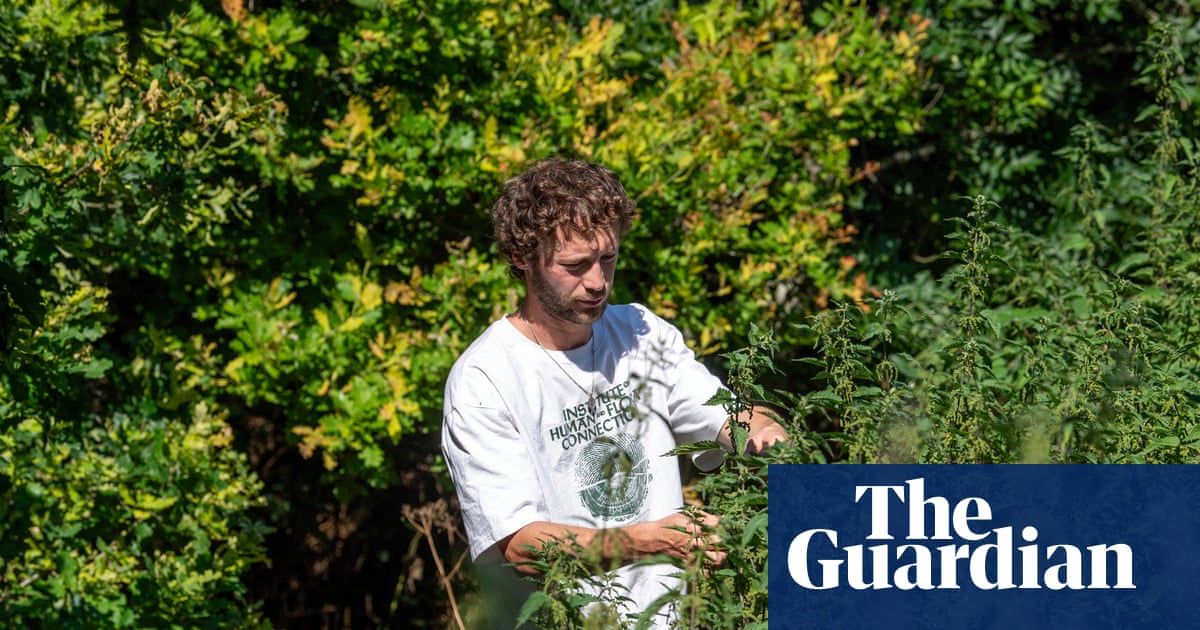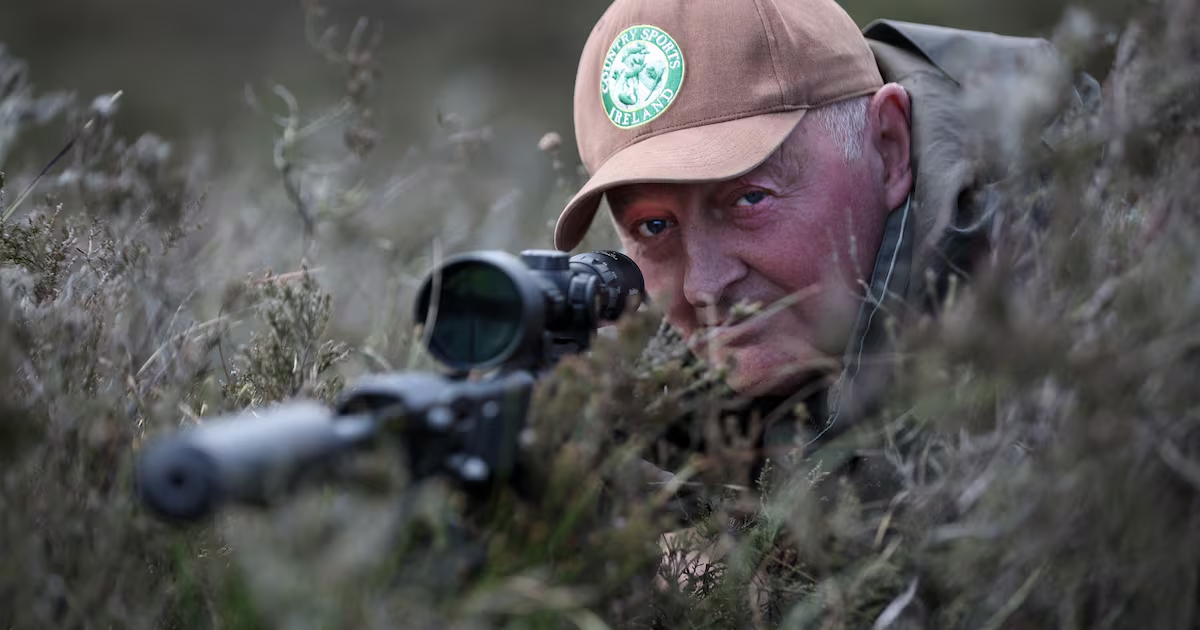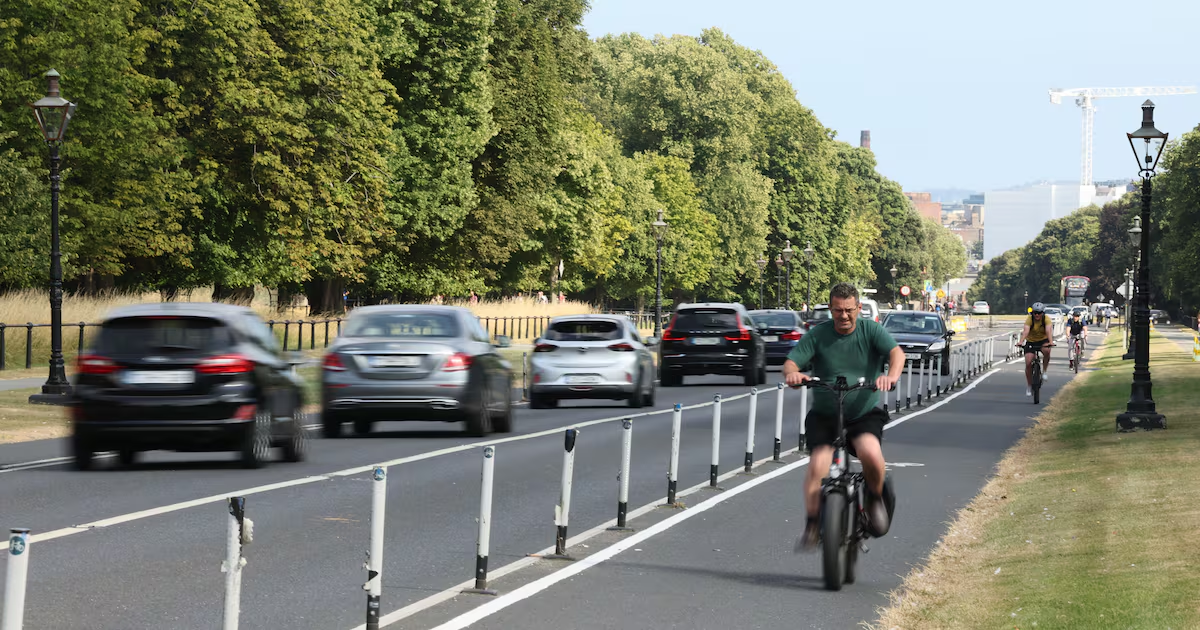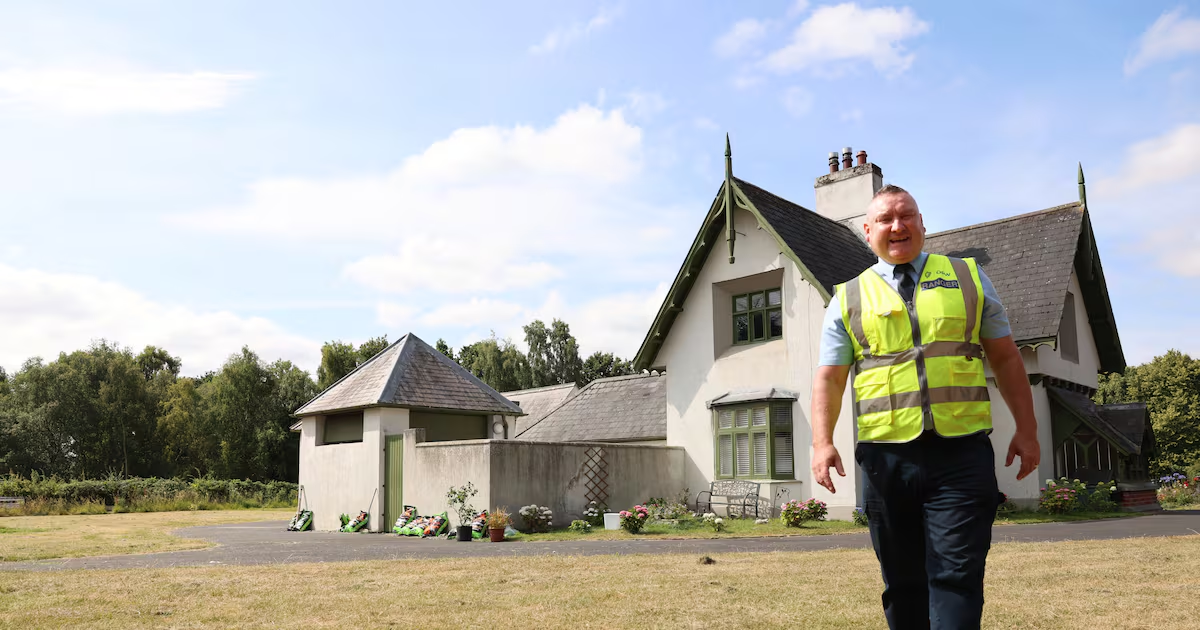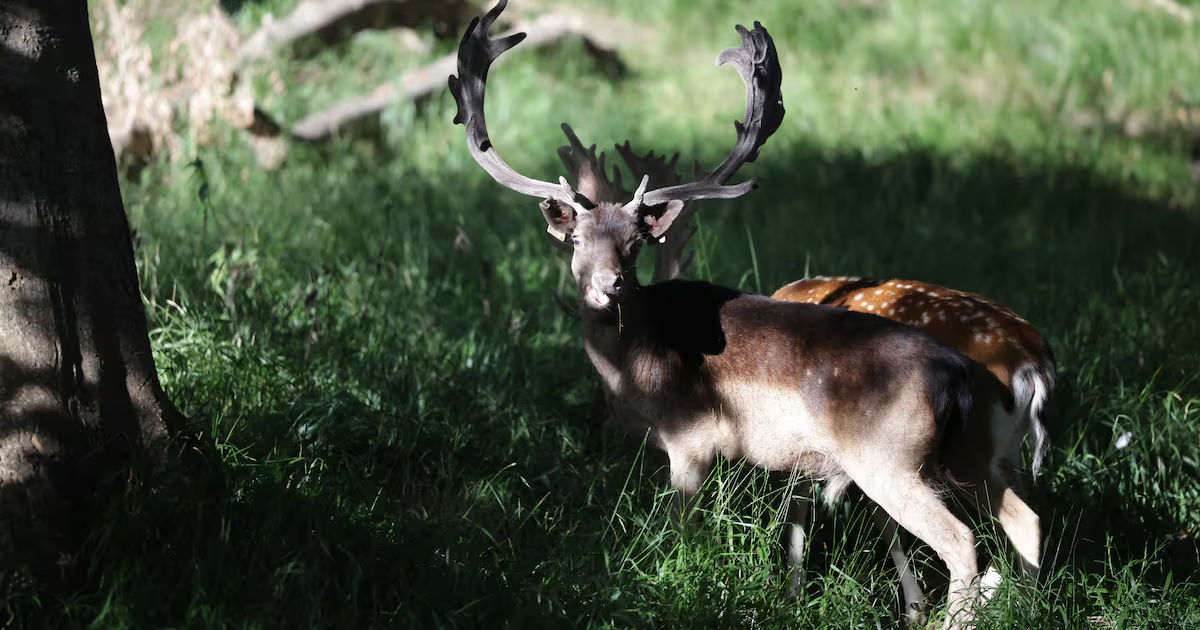
In the Victorian walled garden at Phoenix Park, gardening is so precise that a spirit level is used to even the height of the box hedging, just the way visitors expect it.In other parts of the park, patches of wild grass are left unmown for four or five straggly years at a time, just the way the owls like it. The contrast illustrates the complexity of managing the sprawling grounds within the walls of Dublin’s biggest urban green space. Home to official residences, ornamental gardens, sports fields, entertainment venues, cultural attractions and other formal features, Phoenix Park is also the closest thing to nature many city dwellers will experience in their daily lives. Balancing those contradictory characteristics takes the kind of diplomacy more readily associated with the goings-on inside Áras an Uachtaráin , Farmleigh and the US ambassador’s residence, which all lie within the walls.Chief parks superintendent Margaret Gormley knows this only too well. “We do what we call political mowing,” she says of the approach to summer cutting on the grasslands where ground-nesting birds, insects and wildflowers compete with picnickers and dogwalkers. “We do a strip at the edge – two mower widths – and a few trails through it for people to walk and then the grass can be as long as it likes after that but people know you haven’t forgotten about it. “That’s very important because the public cherish the Phoenix Park and they need to see it getting attention.”But should a park that has been painstakingly landscaped for more than 300 years even try to go outside the lines for wildlife? Nature itself has made that decision. The park is home to 351 wild plant species, 35 per cent of the bird species found in Ireland and 18 species of wild mammal.It has 10,000 trees, six types of woodland habitat, five types of grassland habitat and hedgerows, glades, ponds and ditches that can serve as wildlife sanctuaries in an increasingly dense city. It also has deer – 500 fallow fawns and bucks that are beloved of locals and visitors alike. Deer in the Phoenix Park. All photographs: Enda O'Dowd Loved a bit too much at times, it turns out. At Christmas, parents have been known to gather the dark shiny pebbles of poo to scatter on the lawn back home as “proof” that Santa and his reindeer have visited.Gormley almost admires this zealous act of keeping wonder alive but there are other interactions she and the park staff vigorously discourage.High-visibility signage and social media campaigns plead with visitors not to feed the deer.“The deer have plenty to eat and our food is bad for them,” she says.Margaret Gormley, chief park superintendent at the Magazine Fort in the Phoenix Park “We also ask people to stay 50m away because these are wild animals. “People have had children in buggies holding out a carrot and a stag putting their head down to it with full antlers.” She winces at the thought of the potential for harm. The harm the deer cause to the wider park worries Oisín Ó Néill, nature advocacy officer with the Irish Wildlife Trust. Their hearty appetites for wildflowers, fresh grasses, new foliage and young saplings mean plants and the creatures that depend on them struggle to regenerate. “There should be large areas of the park where nature could be given space and a chance to recover,” Ó Néill says. “It needs more woodland and meadows, but grazing pressure is a huge barrier to restoration.”He says the herd should be dramatically reduced – a move that would align with the law, as fallow deer are classified an invasive species.“The deer are iconic and people love them, but conservation requires us to look at the bigger picture,” he says. Flora in Phoenix Park Nature shots Gormley is understandably protective of the herd. “Phoenix Park was originally established as a deer park so the reason we have a park today is because of them,” she says of the park’s origins as a royal hunting park in the 1660s. “They’re not in the Áras grounds so that’s 130 acres where are there no deer. They can’t come into the walled garden. They’re kept out of the Oldtown Wood. “It’s not that the whole 1,752 acres is roamed by deer. I would say only 40 per cent is.” Ó Néill believes the park could become a beacon for biodiversity if the deer were reduced to a token herd. “We declared a biodiversity emergency in 2019, we had the Citizens’ Assembly on Biodiversity Loss in 2022 and now we have the Nature Restoration Law,” he says. “Phoenix Park has a lot of potential to become Ireland’s flagship example of nature restoration in an urban environment. “People love the deer and it wouldn’t be a question of eradicating them, but if we are serious about restoring nature, the deer in the park are the elephant in the room.” The park has lost some biodiversity for reasons other than deer. Hare and red squirrels vanished under pressure from dogs and grey squirrels. Badgers, foxes, hedgehogs, rabbits, pygmy shrew, wood mice and bats have fared better but there is a disappointing absence of otters and stoats. “We have had some pine marten sightings,” says Gormley with cautious optimism as the re-establishment of the country’s rarest native wild mammal would be very welcome.The park got its most recent conservation management plan in 2011, which placed strong emphasis on environmentally sustainable practices. Since then more woodland has been planted, no pesticides or fertilisers are used and the Áras grounds and kitchen garden – which feeds residents and heads of state alike – have achieved organic status. Well-hidden hives support bees, the grasses are cut only in late summer for hay and, if safety allows, fallen trees are left in place to become thriving deadwood habitats.But the plan is dated by its reference to climate change, stating “the park’s impact on climate change will be minimised”. Recent years have shown the relationship is inverted. “Climate change is having a big impact on the park,” Gormley says. “The soil is a sticky, heavy clay and when we get very heavy rainfall, it could be three weeks before it drains away, so the trees are sitting in water. And then with the droughts, the soil gets very compacted and hard. It’s not very favourable to a good tree culture.” 'We’re trying to plant for the future' Deer graze the park Mottling on chestnut trees in the park Extreme winds have taken their toll, the ash trees are succumbing to ash dieback, many horse chestnuts have bacterial canker and the oaks are threatened by the destructive oak processionary moth, which has been detected close to the park. “We don’t know what other diseases will spread with climate change so we’re trying to plant for the future,” says Gormley. “We’re still planting 80 per cent native trees but there are threats to them, so we have to plant a variety so we don’t have sudden major losses in future.”All the more reason to reclaim more land from the deer and plant more trees, says Ó Néill. “We have enough space for everything – we can make space for nature,” he says.Cyclists in the park Fallen tree in the park Prof Jane Stout of Trinity College Dublin led a year-long biodiversity audit of the Áras grounds in 2020 and found a strong base to work from. A review of how the recommendations made then were implemented will be published in the near future. Stout says good progress was made and there are lessons to be learned for managing the challenges and potential of urban parks more widely. “Challenges around multifunctionality remain – how to manage for people and nature – but careful management can achieve a balance,” she says.A recent project tested that balancing act. The park’s 300-year-old Magazine Fort was restored and will be open to the public soon but in its decades of disuse, migratory sand martins moved in, having flown 9,000km from Africa to nest in the crevices of its crumbling walls. “The architects wanted to fill every crack, the ecologists wanted none filled, but we got a balance where everyone was happy and the birds came back,” Gormley says. “That’s the kind of outcome we want.”
‘The deer are the elephant in the room’: Is a Phoenix Park cull the best way forward?
As beloved as the deer are, conservation and biodiversity require us to look at the bigger picture, argues one nature advocacy officer
1,380 words~6 min read