While there are fears that people harvesting their food could put pressure on habitats, some ecologists suggest responsible foraging can boost conservation and biodiversity
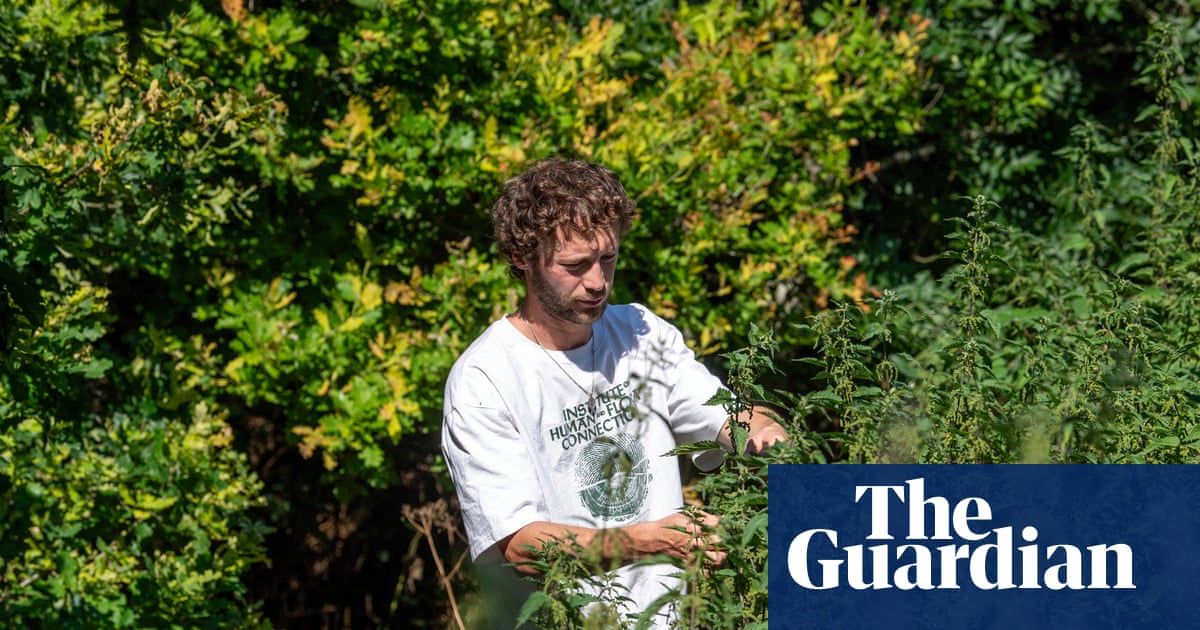
Angus Morton crouches behind a cricket pavilion in a London park to snip stinging nettles from an unkempt patch of greenery.
“They’re so abundant and they’re so good,” says Morton, a regenerative gardener who pops out once a week to forage bits for dinner. “I use them in pesto, tea … I’ve even seen someone putting them in croquetas.”
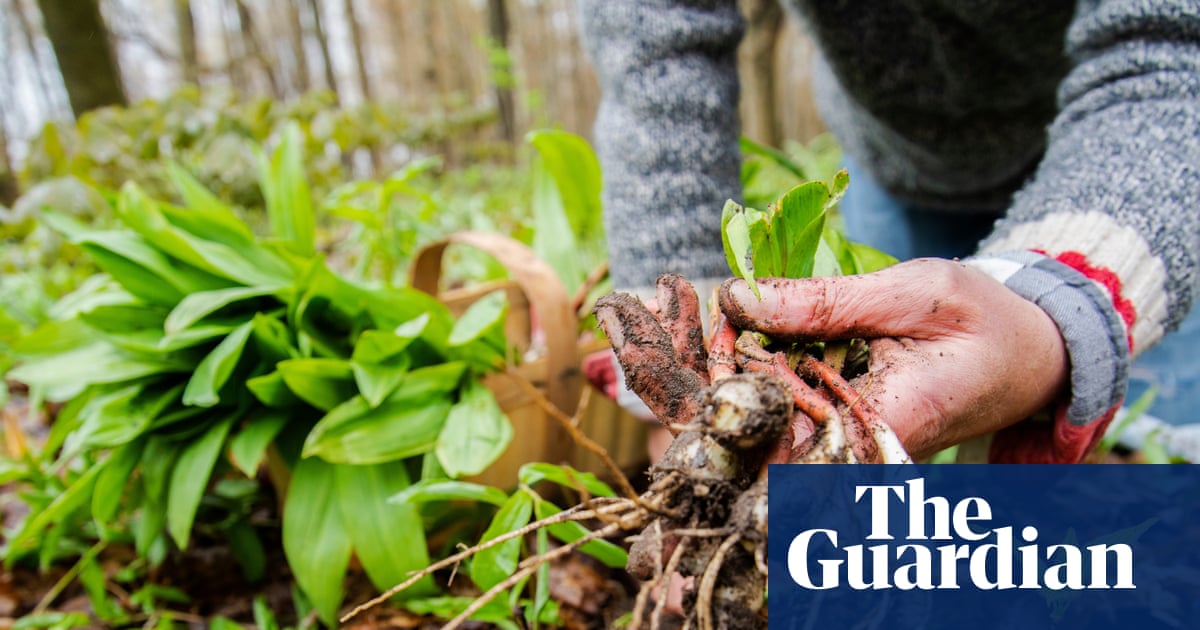
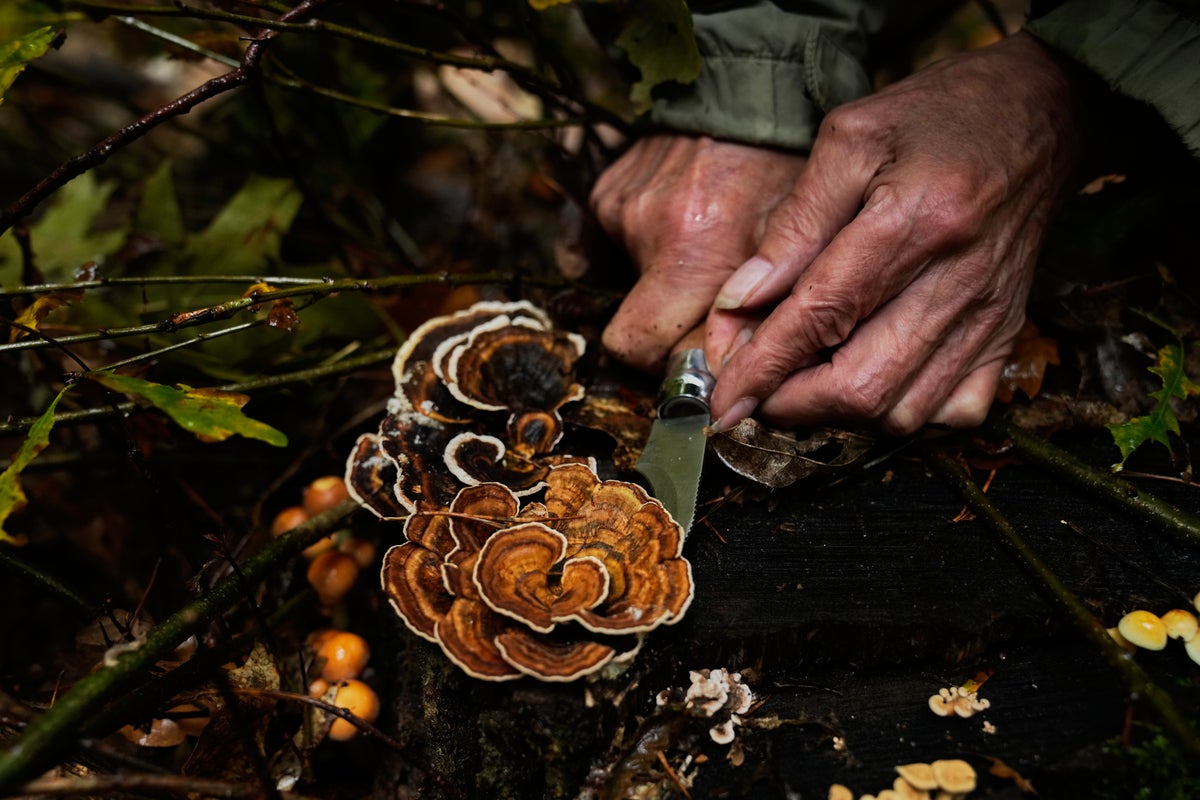
Morton, who posts regularly about his foraging exploits online, is one of a growing number of people venturing into the wild in search of food. He says he shaves hundreds of pounds off his food bill each month, fermenting pine needles to carbonate drinks, picking ivy for soap and harvesting wild mushrooms for dinner.
But as reports of an early heatwave-ripened blackberry crop flood social media, he offers a warning.