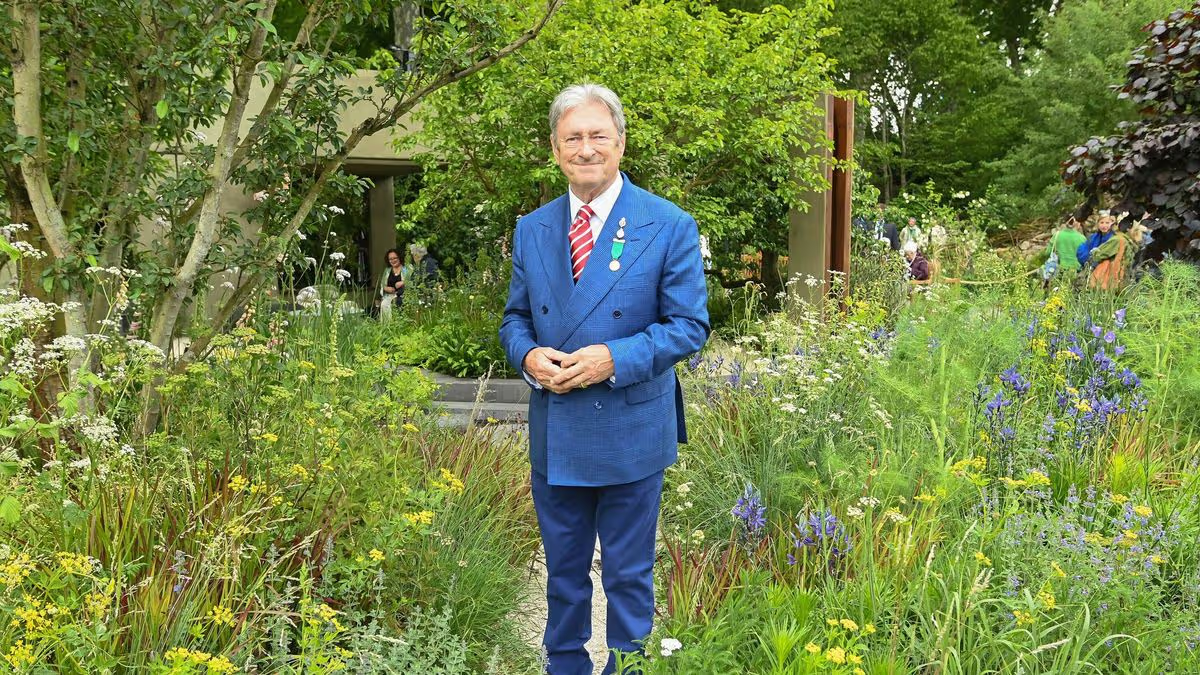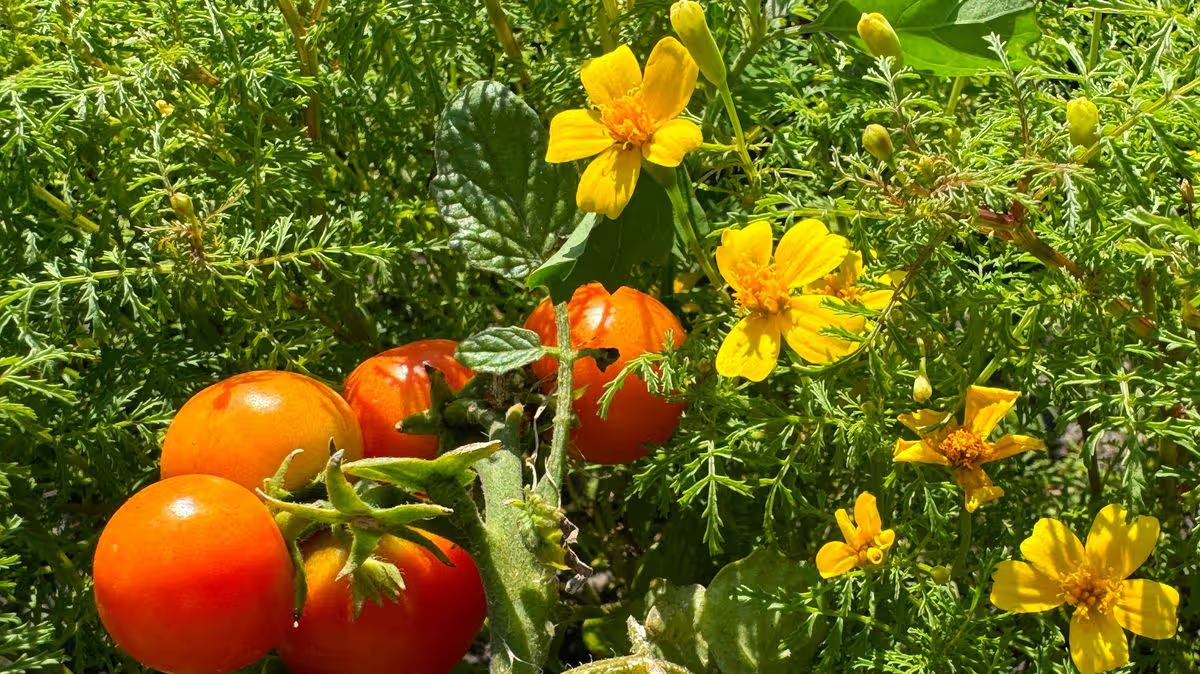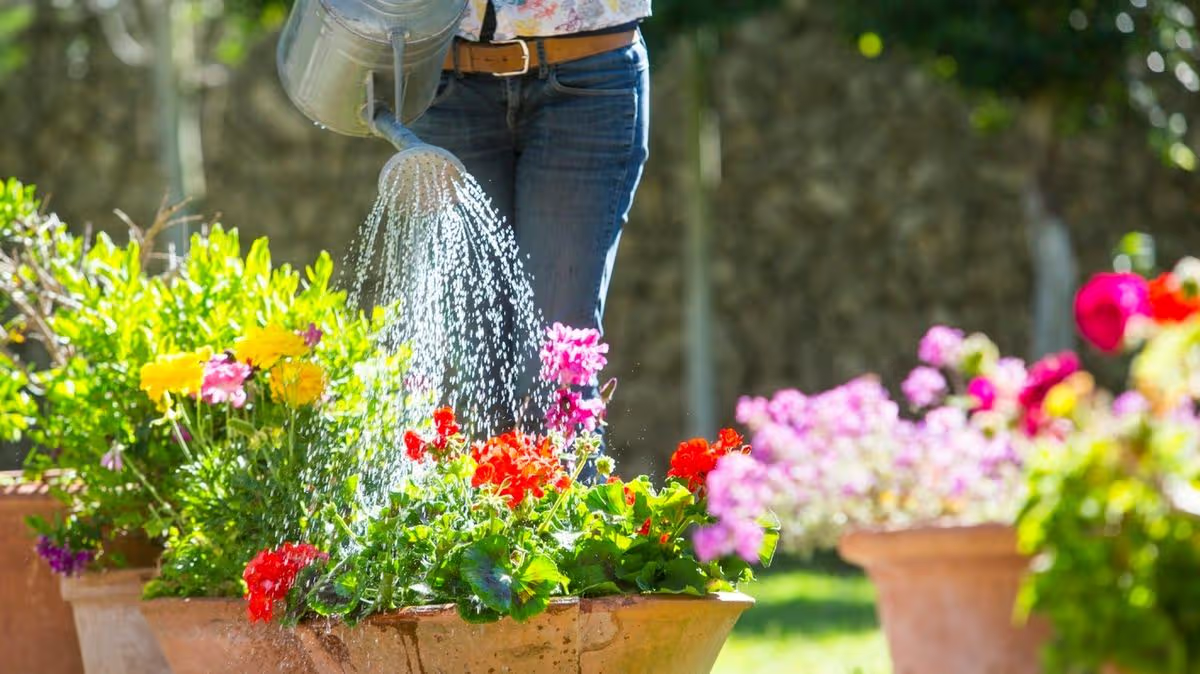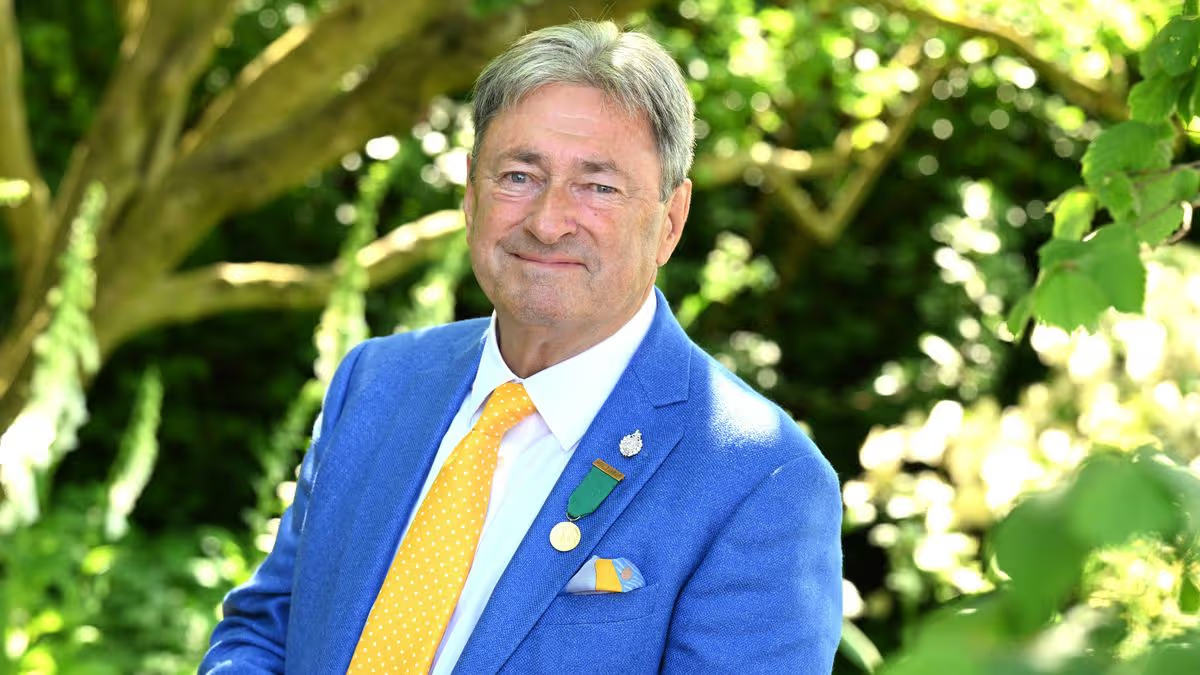
Gardening expert Alan Titchmarsh has shared vital tips on wildlife-friendly gardening. He said there's a common item you need to stop using to avoid potential harm to wildlifeKatie-Ann Gupwell10:19, 25 Jun 2026Updated 10:24, 25 Jun 2026As the gardening season gets into full swing, many of us are turning our attention to our outdoor spaces — but protecting the wildlife that shares them is equally worth considering. Fortunately, gardening legend Alan Titchmarsh has offered some invaluable expert advice to help people get the best out of their gardens while doing their bit for animals and insects alike.In a video previously shared by the Royal Horticultural Society (RHS), Alan outlined three top tips for creating a wildlife-friendly garden, highlighting some common mistakes that many gardeners may not even realise they're making. There are plenty of ways to keep your outdoor space looking stunning without causing any harm to nature in the process.This isn't the first time such gardening guidance has been put out there, either. Previously, tips were also shared on how to attract birds to your garden and help them flourish.In a clip posted on TikTok, Alan said: "The first thing to do is to stop using sprays. Start being organic."Don't use pesticides, insecticides, herbicides - anything with this 'cide' on the end of it. Allow nature to take a hold, and you will find a natural balance occurs."Content cannot be displayed without consentHe also recommended growing a broad range of plants, suggesting gardeners mix things up on their vegetable patch and cultivate a variety of flowers too. Alan noted that having a diverse selection of plants in your garden is hugely beneficial for wildlife, and it can also make your outdoor space look absolutely gorgeous.He added: "The third one is not to assume that only British native wildflowers are the kind of things you should be growing in your garden. The biodiversity in the garden - the number of insect species in the garden - is greater than the number of insect species in the wildflower meadow. Worth remembering that."These tips may appear straightforward, but they could make a considerable difference to your garden. They're also relatively easy to put into practice.One crucial piece of advice to take on board, however, is to ditch the sprays altogether. While they're widely used, it could be time to give them up for good.Why should you avoid them?What many gardeners don't realise is that using sprays can be harmful to wildlife. It makes no difference whether they're chemical or organic, as both can potentially cause damage.They seldom distinguish between pests and beneficial creatures, and can poison the food chain, deplete natural habitats and upset the overall balance of your local ecosystem. This is why they're best left on the shelf.Insecticides, which are specifically designed to eliminate bugs, can also kill or deter pollinators (bees, butterflies), natural predators (ladybirds, hoverflies) and soil organisms. Even "organic" soaps and plant-based sprays can strip protective waxy coatings and cause harm to beneficial insects on contact.Meanwhile, weedkillers and other herbicides strip away vital habitats, nesting materials and food sources for insects, mammals and birds. Spray drift also carries the risk of contaminating surrounding soil and water, which can further harm nearby beneficial plants.Fungicides can prove equally damaging. Despite being designed to combat fungal diseases, many are toxic to soil ecology, earthworms and aquatic life in neighbouring ponds.Article continues belowThis is precisely why Alan cautions against "blitzing" gardens with such chemicals, as they can damage or wipe out beneficial wildlife. He firmly believes it's far preferable to allow nature to find its own balance.
Alan Titchmarsh cautions using common item in garden can hinder wildlife
Gardening expert Alan Titchmarsh has shared vital tips on wildlife-friendly gardening. He said there's a common item you need to stop using to avoid potential harm to wildlife
595 words~3 min read