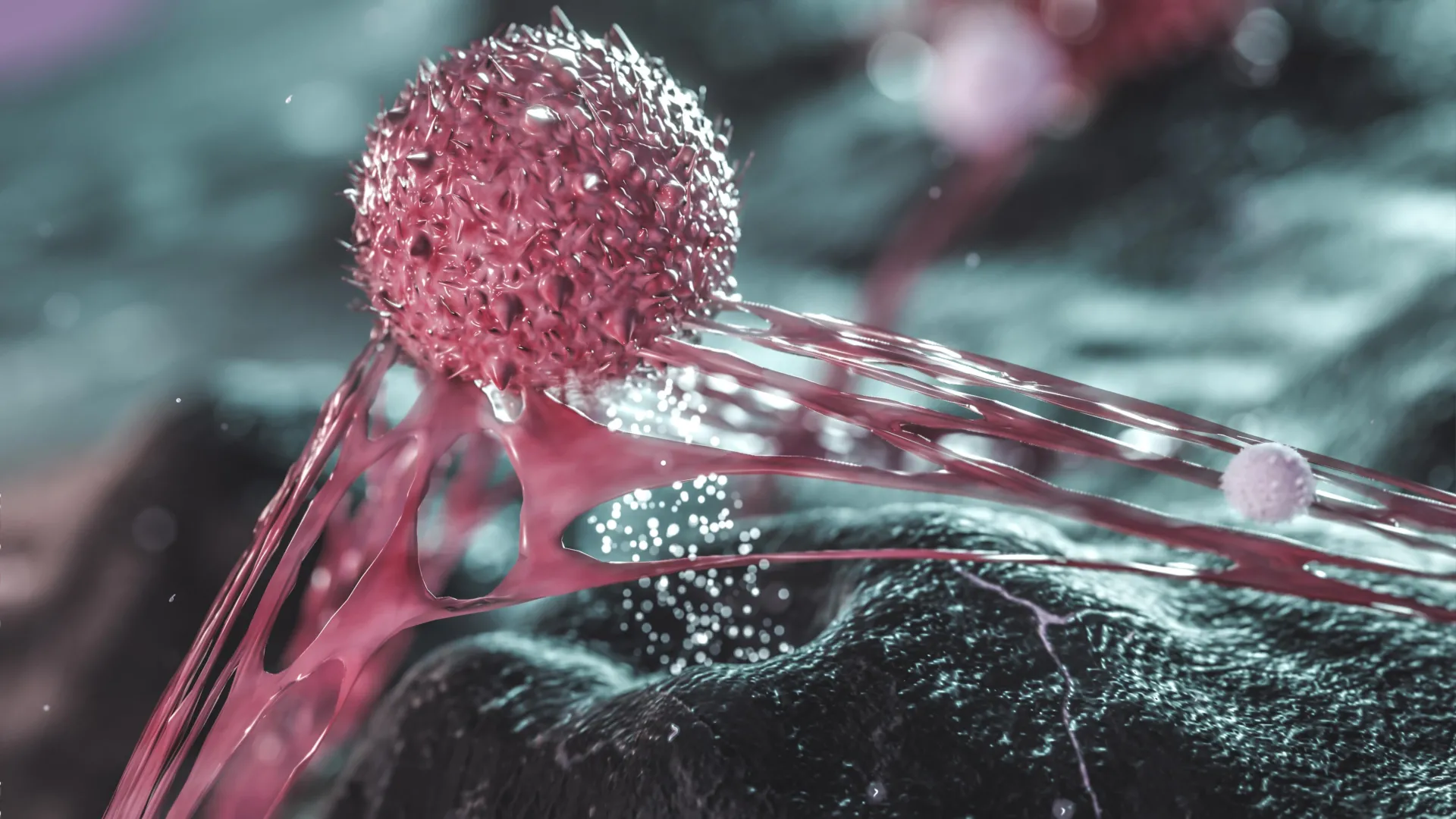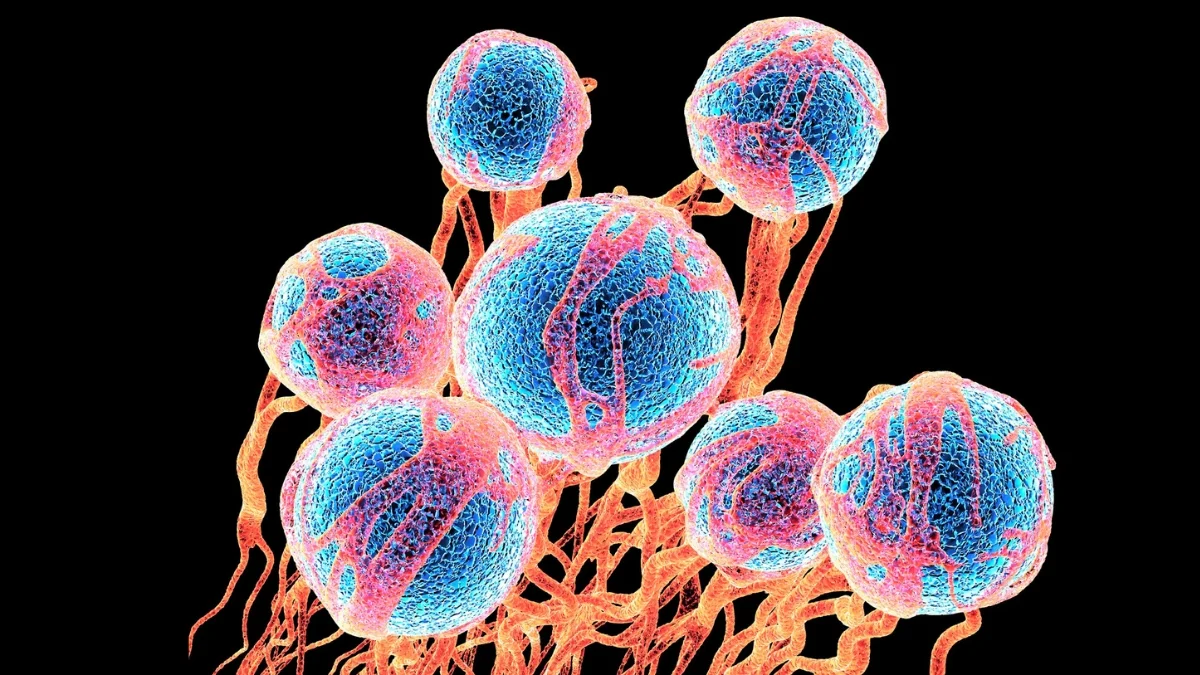
Cancer cells secrete a cocktail of factors that affect how they grow and move. (Science Photo Library/Canva)
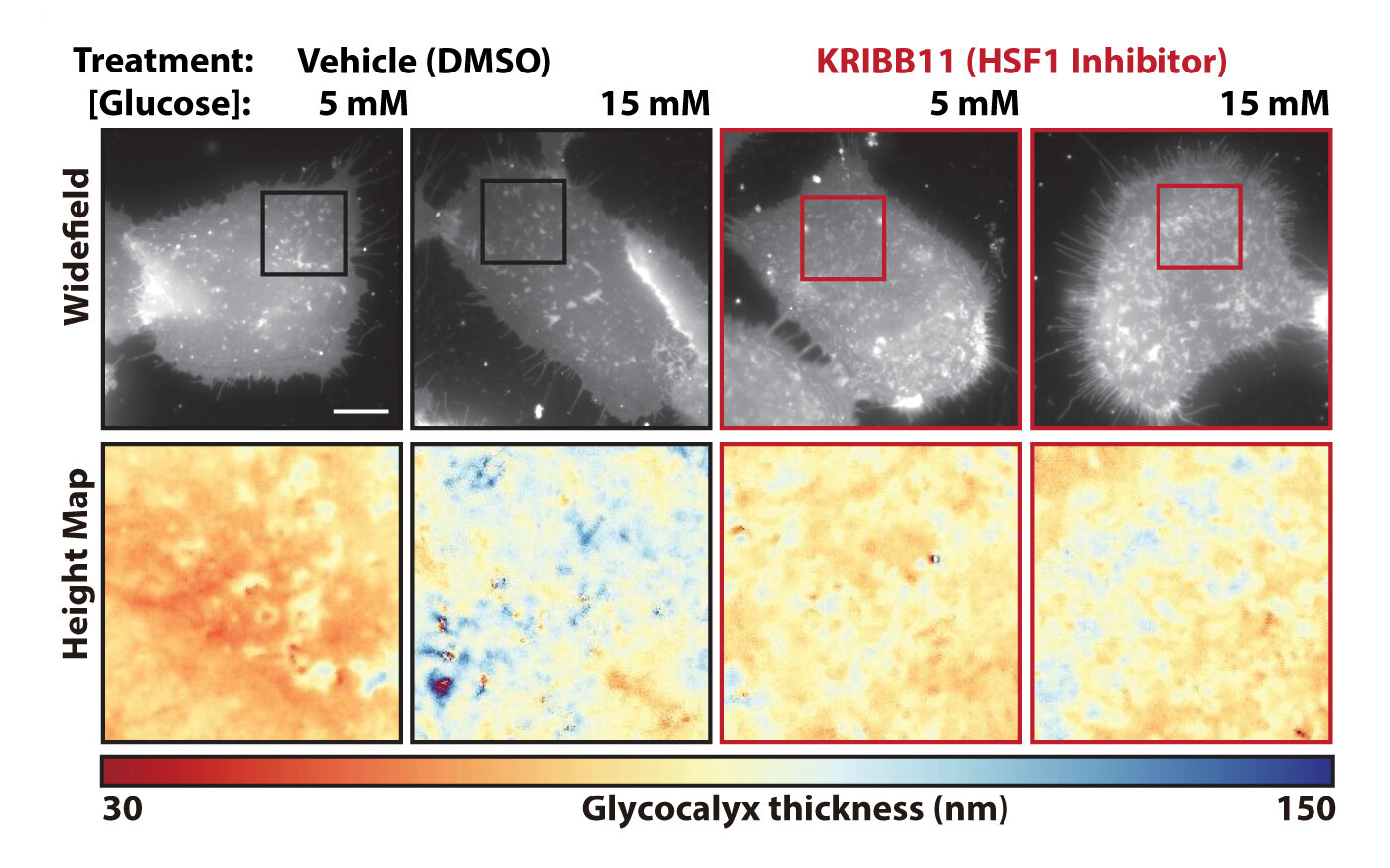
Cancer can be just like the killer in a horror movie – it may seem like he's been destroyed forever by the Good Guy, but then he pops back up again to terrorize. Similarly, chemotherapy is designed to kill cancer cells, but some of them still survive treatment by entering a state known as cellular senescence. Far from lying dormant, these cells remain metabolically active, releasing a mixture of proteins, fats, and other molecules that can reshape the tumor and its environment by signaling to nearby cells. New research published in Nature Aging has just discovered that one of those signals might be the same stuff that's sitting in your kitchen cabinet, and it may be instructing cancer cells to spread."Our study is among the first to show that a nutrient – in this case, fructose – can act as one of those signals," says Aidan Cole, a molecular biologist at The Wistar Institute in Philadelphia. Here's how they figured it out: The team focused on ovarian cancers treated with cisplatin, a powerful platinum-based chemotherapy that commonly induces cell senescence. Although most patients initially respond well to treatment, recurrence is common, and then tumors spread throughout the abdominal cavity. Senescent cancer cells are still metabolically active, releasing a mixture of molecules, collectively known as SASP (senescence-associated secretory phenotype), which affects neighboring cells. (Cole et al., Nature Aging, 2026)What causes those cells to move around? If the researchers could understand that, it could provide a clue as to how they could prevent cancer recurrence – which is how 90 percent of the people who die from the disease are killed. To determine what the cellular process was, the researchers first induced senescence in lab-grown ovarian cancer cells with cisplatin, then collected the growth media, which contained all the molecules the cells had released over two days. Exposing untreated ovarian cancer cells to this media did not make them divide faster or become more resistant to cell death. What the researchers saw was that it did make them much more likely to loosen their grip on neighboring cells and detach from three-dimensional tumor-like spheroids, the first critical step in ovarian cancer's characteristic mode of spread.