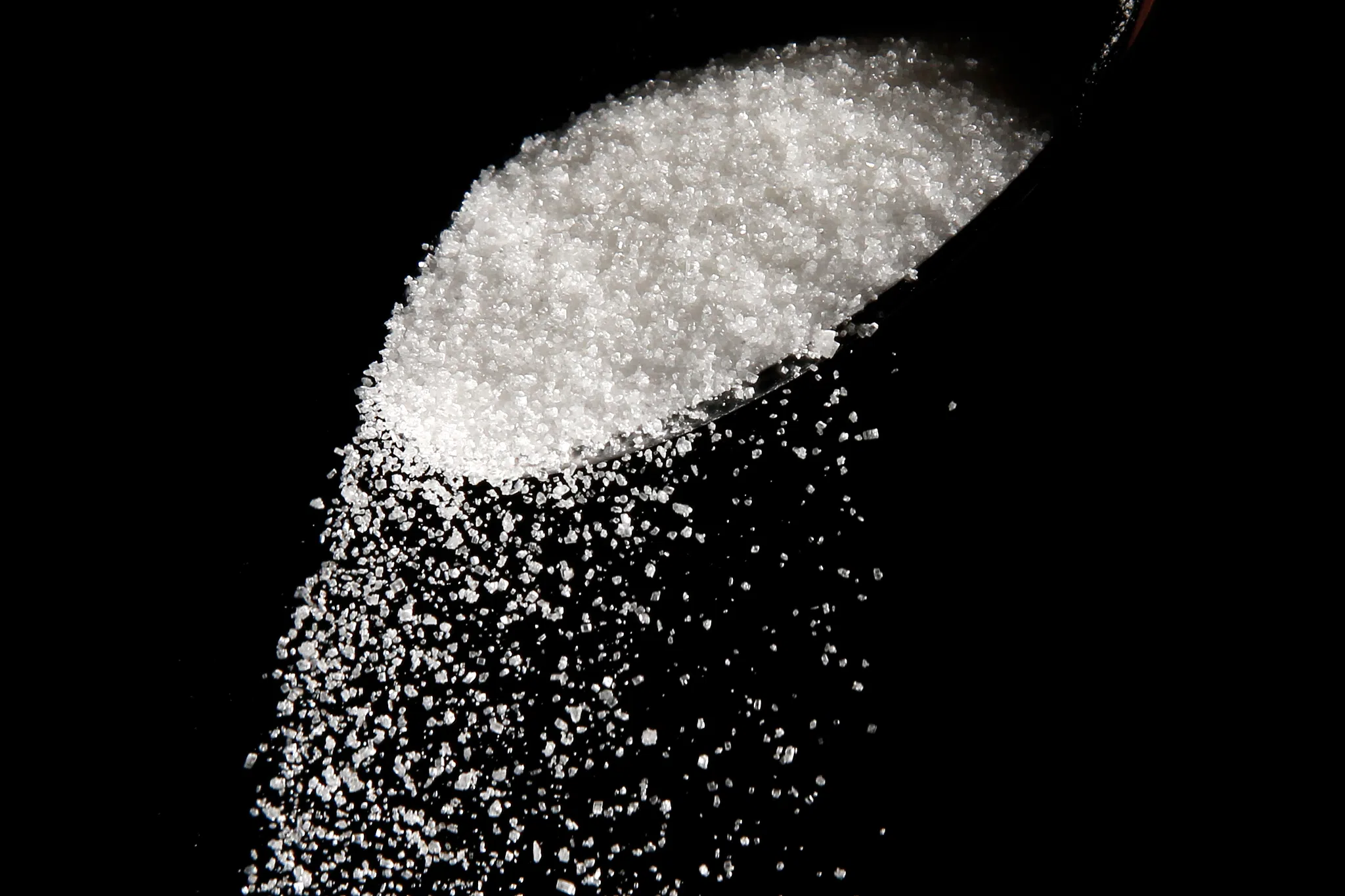
A study from The Wistar Institute has identified a surprising connection between fructose, a widely consumed dietary sugar, and the spread of an aggressive type of ovarian cancer. The findings, published in Nature Aging, suggest that cancer cells that remain after chemotherapy can communicate with nearby tumor cells and make them more likely to spread.
The researchers found that fructose serves as one of the chemical messages released by these treatment-surviving cells. The discovery reveals a previously unknown way that cancer cells left behind after therapy may contribute to metastasis.
"Some cancer cells that survive chemotherapy aren't dividing anymore, but they're still biologically active," said Aidan Cole, Ph.D., a postdoctoral fellow in the lab of Katherine Aird, Ph.D., at The Wistar Institute and first author on the study. "Instead, they continue to release molecules that send signals to nearby cells. Our study is among the first to show that a nutrient -- in this case, fructose -- can act as one of those signals."
Why Ovarian Cancer Often Returns
Nearly all ovarian cancer patients receive platinum-based chemotherapy, and the initial response is often strong. Even so, the cancer returns in most cases and typically spreads throughout the abdominal cavity. This process, known as metastasis, is responsible for roughly 90% of deaths from the disease.