The two-step process could help fight other diseases as well
3:00 PM CDT on August 6, 2026
As you read this, your body is quietly burning glucose to keep you alive through a multistep process that requires oxygen. If you’re reading this while you exercise, however, some of your muscle cells may have run out of oxygen, so they’re taking a shortcut. Instead of the usual convoluted energy production process, they’re snapping glucose molecules in half.
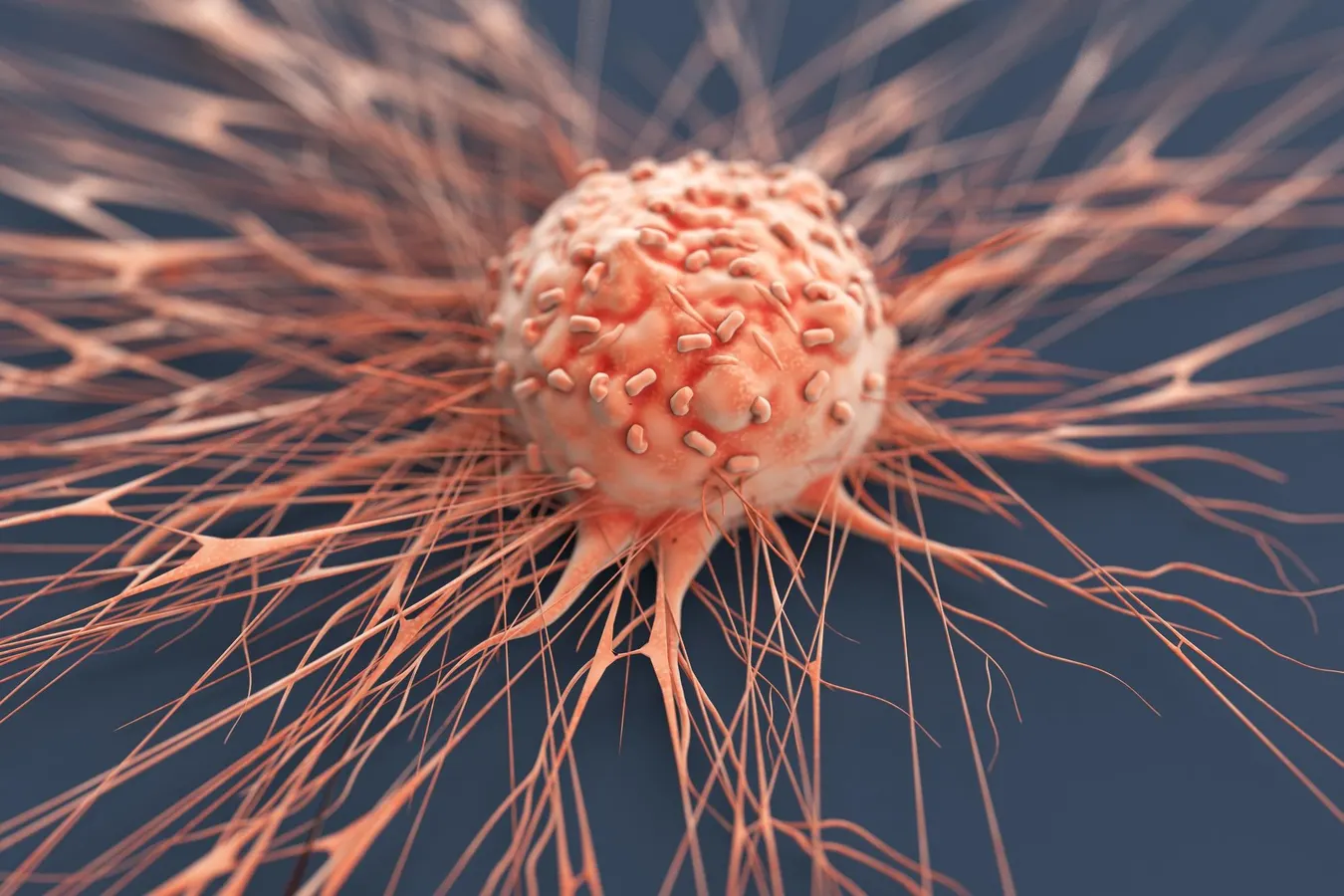
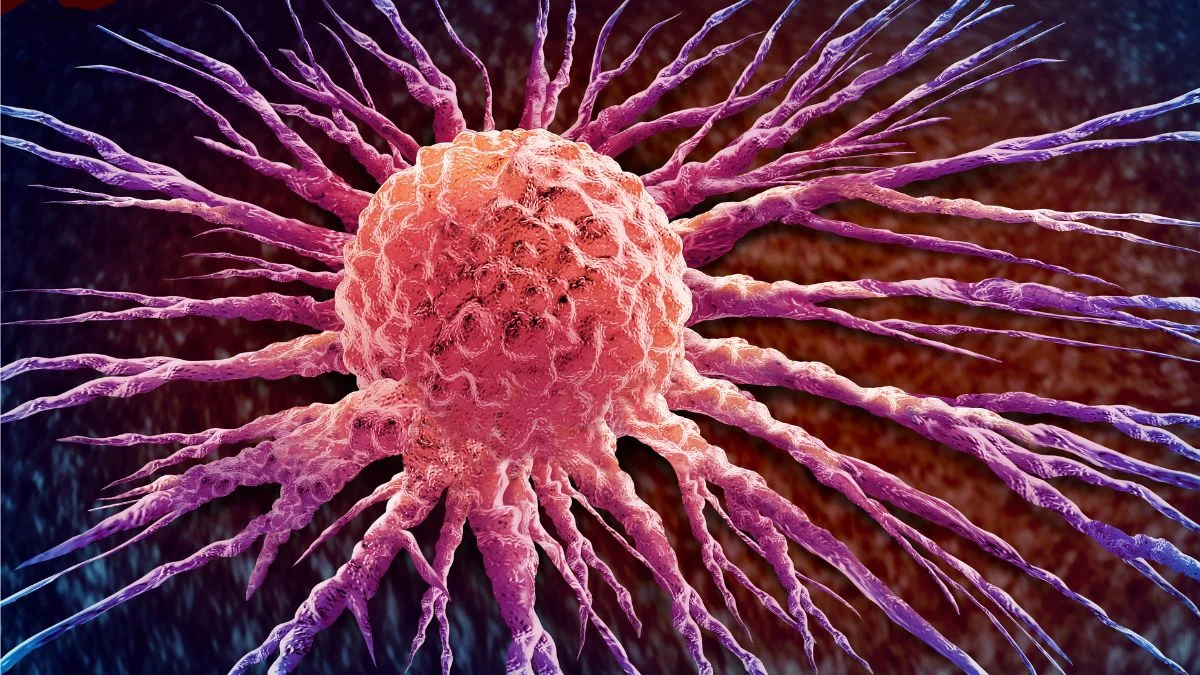
This pathway, called glycolysis, is a lot less efficient, but it gets the job done. In fact, cancer cells tend to prefer this shortcut even when oxygen is present, which makes it a tempting target for treatments. Now a new drug described in a paper published today in Nature Chemical Biology is promising to do just that.
The drug, developed through research led by biochemists from the University of Texas, uses a two-step process similar to antibody-drug conjugates (ADCs). These compounds act like biological smart bombs, using antibodies to target only cancer cells before delivering their payload of chemotherapy. Unfortunately, though, ADCs do have some drawbacks.