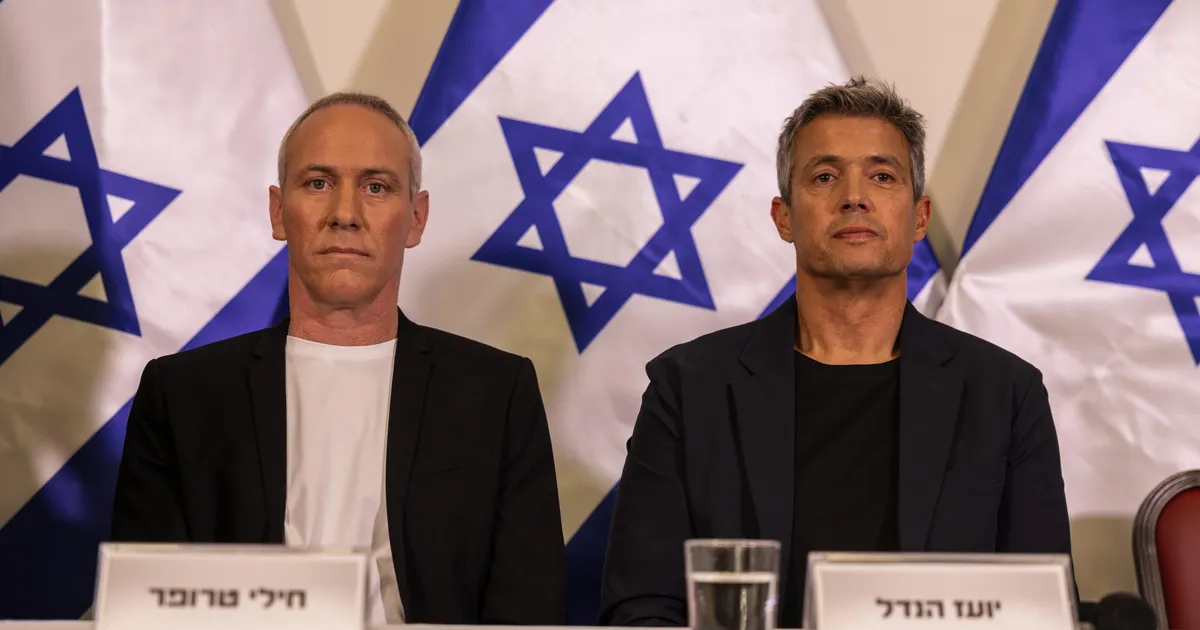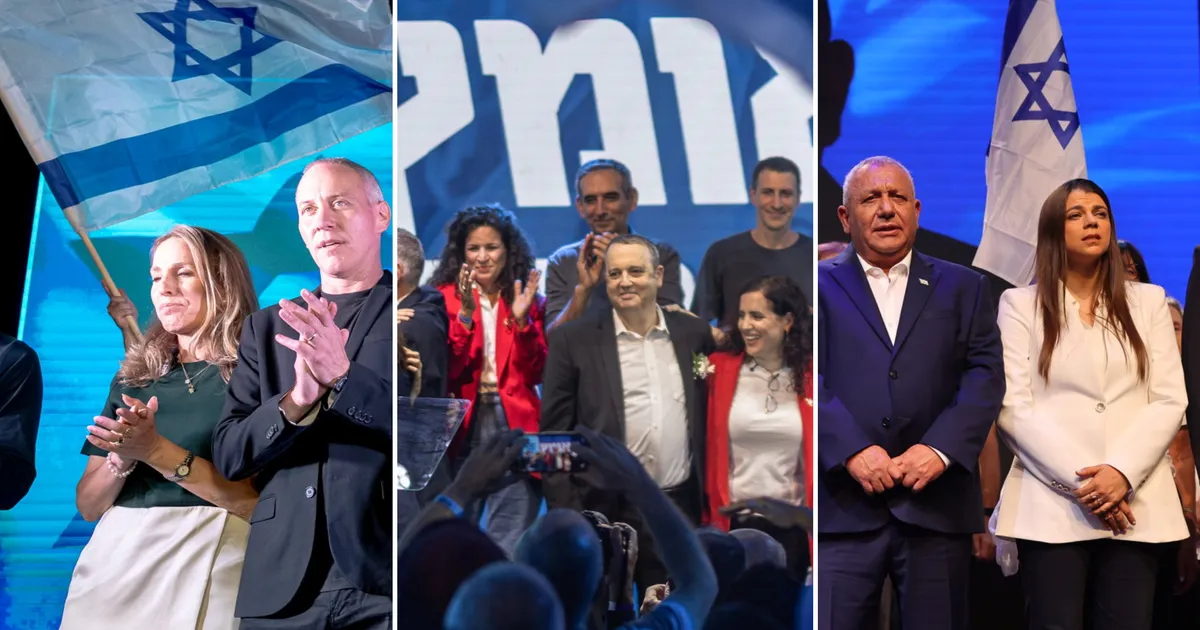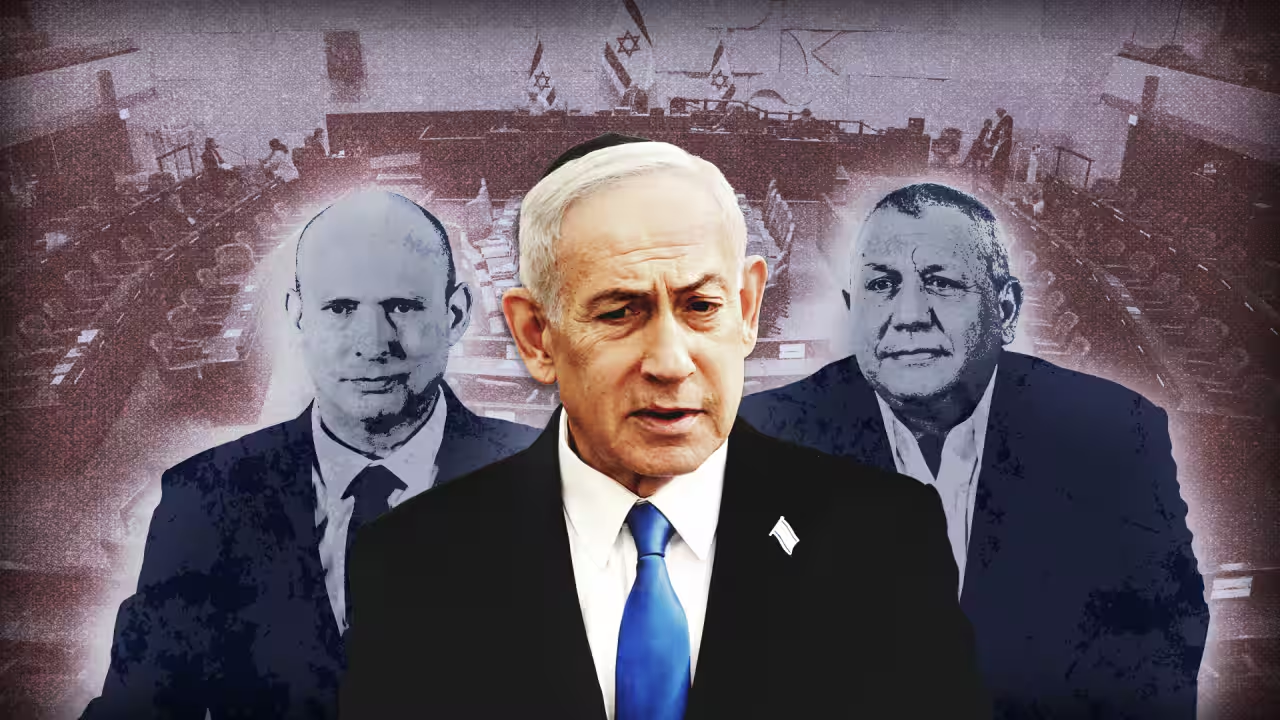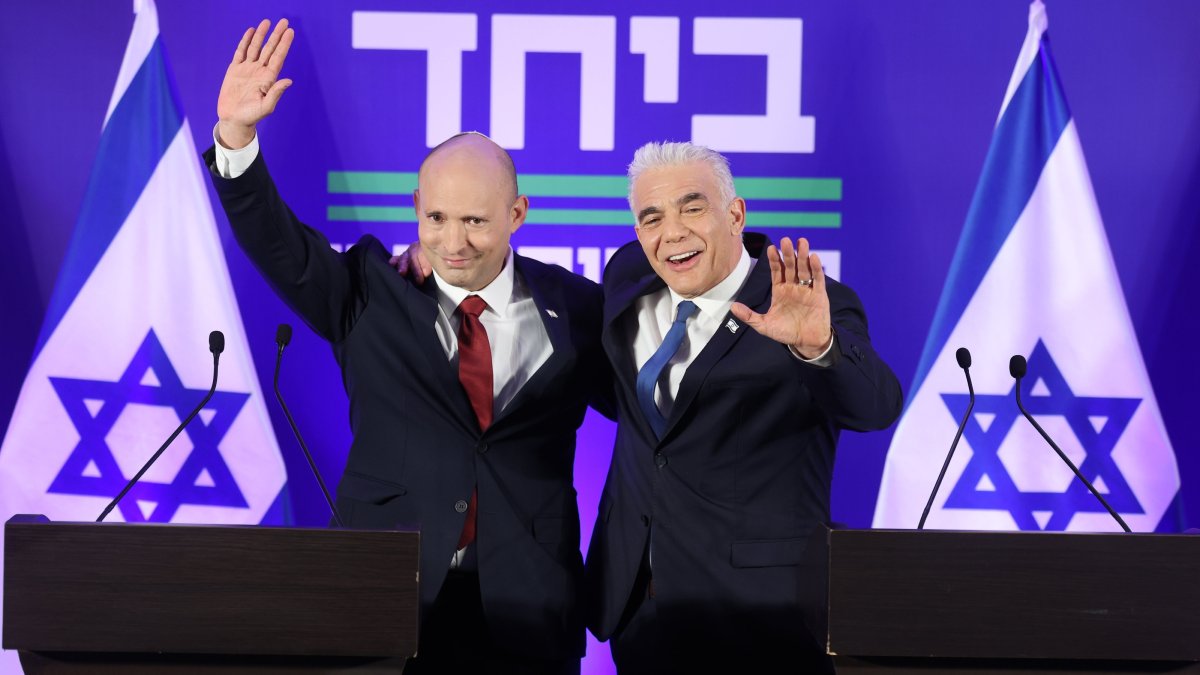
Most Israelis settled on their vote long ago, but a small group is still torn between Netanyahu, Bennett, Eisenkot, fringe parties or staying home; disillusioned with the government yet unconvinced by its rivals, they may decide the electionNir Tsadok|Israelis have always liked to think they know everything; otherwise, perhaps, they would not be Israelis. But never has that certainty seemed more pronounced than ahead of the coming election. Everyone seems certain of where they stand, with political positions increasingly hardened and little willingness to shift even slightly.One consequence of Israel’s deep social divide and the polarization that accompanies it is absolute certainty. Most people know what is right and what is wrong, and the distance between truth and falsehood, however subjective those concepts may be, feels wider than ever.GalleryLior Carmon(Photo: Kobi Kuankas)In such a reality, undecided voters, the potential swing bloc that could ultimately determine the election, have become something of a rare species.What is it like to be undecided in Israel’s all-knowing, deeply polarized political climate of 2026? It is anything but easy.Take Lior Carmon, 40, a father of two from Rishon Lezion who works in the ad-tech industry. He would very much like to know whom to vote for. It would spare him a considerable headache.Trying to determine what he believes is right is difficult enough, particularly in a media environment where every source of information is suspected of serving somebody’s agenda.“The noise on social media only makes things more confusing,” he says. “I don’t really know who represents me or my interests. I don’t have the time to dig deeply into every issue, and where do you even find reliable facts anymore? Every newspaper and social network seems to have its own agenda or interests. I’m trying to figure out where I stand, but then there’s the pressure from family.”For decades, political affiliation in Israel was often tribal, almost automatically guiding a voter’s hand toward the same ballot chosen by parents and grandparents. Over the past decade, that pattern has weakened. Dramatic shifts in Israeli politics, and especially the rupture created by October 7, have scrambled the political compass that once pointed many Israelis toward the familiar direction inherited at home.Carmon is one of them. “For years, everyone in our family voted Likud, let’s say until around 2018,” he says. “From my grandmother, who voted for Menachem Begin, all the way down to the youngest generation. Then there was suddenly this dramatic change of direction. Everyone swung sharply left, or at least toward what is called left today, and I was trying to make sense of it all.”Carmon points to another obstacle. On the surface, Israel’s political map appears simple: there is Benjamin Netanyahu, and there are those who oppose him. But the anti-Netanyahu camp is itself divided among several parties, leaving voters such as Carmon struggling to distinguish between them.“When you try to dig deeper, you run into the paradox of choice,” he says. “There are so many options that, in practice, it feels like there are hardly any. Eisenkot, Bennett, it all starts to look like more of the same. None of them stands out to me as offering something genuinely distinct.“That’s why I’m even questioning whether to vote at all. The old political coordinates have been completely scrambled. Bibi, with his support for the ultra-Orthodox parties, ends up looking like an economic leftist, while someone like Yair Golan (Democrats chairman) draws support from wealthy backers.”Every election is, by definition, the most consequential in the country’s history: all previous elections have already been decided, while those that come afterward remain in the future. But describing this election as truly fateful may not be much of an exaggeration.The events of the past three years, from October 7 through repeated confrontations with Iran, have shaken an Israeli society that was already deeply unsettled. Any rare opportunity to turn the wheel, or to keep steering in the same direction, therefore assumes enormous significance.That sense of collective responsibility can sharpen the distinction between what voters see as right and wrong. It can also paralyze them. Even someone who understands that his vote is only one among millions may fear the sense of complicity that could come with backing a candidate who later disappoints. That responsibility troubles Carmon. “I don’t trust myself to make the right decision, one that won’t bring even more destruction upon us,” he says. “An ordinary person, one of millions of voters, has to take into account that his decision can bring a sense of responsibility that the decision-makers themselves don’t feel.“That’s why I used to think only less-educated people could bring themselves not to vote. I work in high tech, I make decent money, I have a decent life, and despite all that I still can’t reach what I think is the right decision.“There’s a sense that the dream of this country is slipping away, and like many others, I find myself looking for a way out. Even the decision of whether to vote carries meaning. It may not change the makeup of the Knesset, but choosing not to vote can still express a deep sense of disillusionment with the state.”Infiltrating the Gaza border fence on October 7By not voting, in a sense, you are voting for something else.
Meet the 'undecided voters' who may determine Israel’s 2026 election
Most Israelis settled on their vote long ago, but a small group is still torn between Netanyahu, Bennett, Eisenkot, fringe parties or staying home; disillusioned with the government yet unconvinced by its rivals, they may decide the election
2,679 words~12 min read