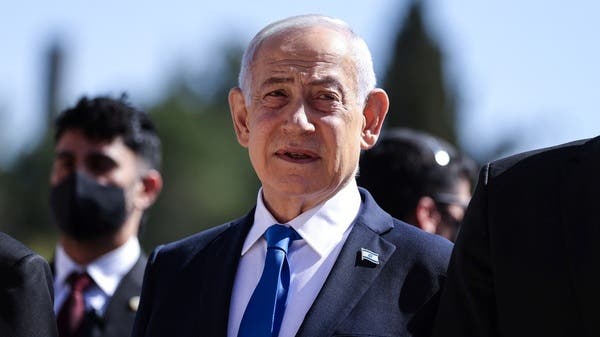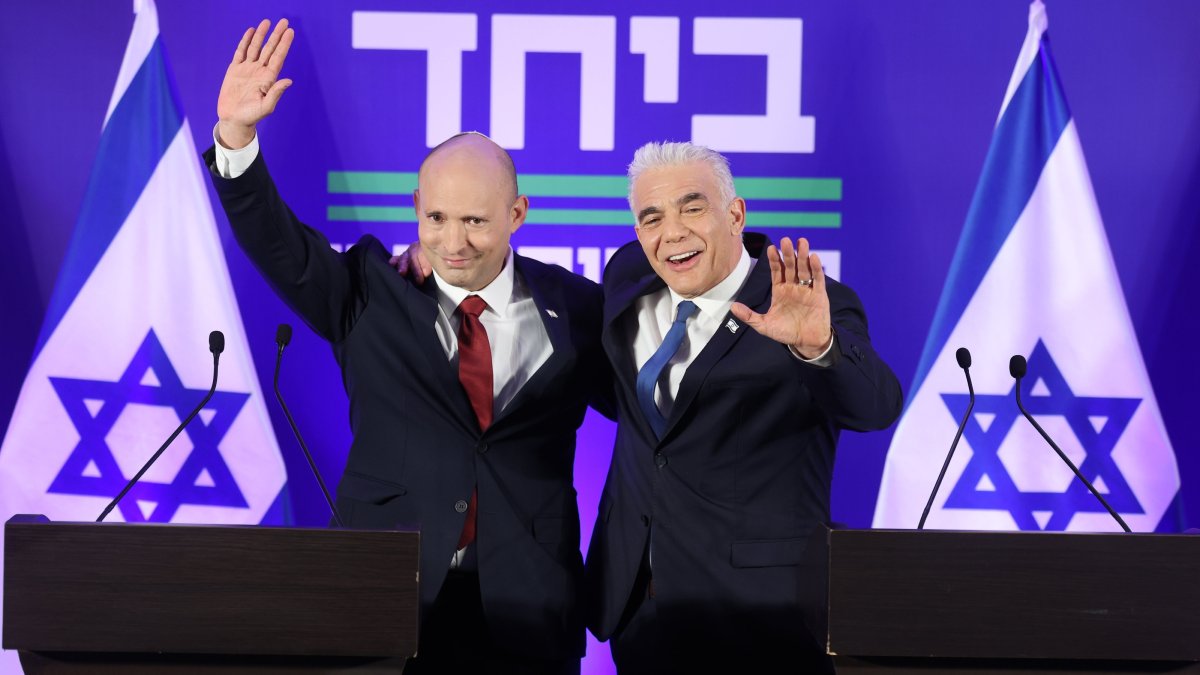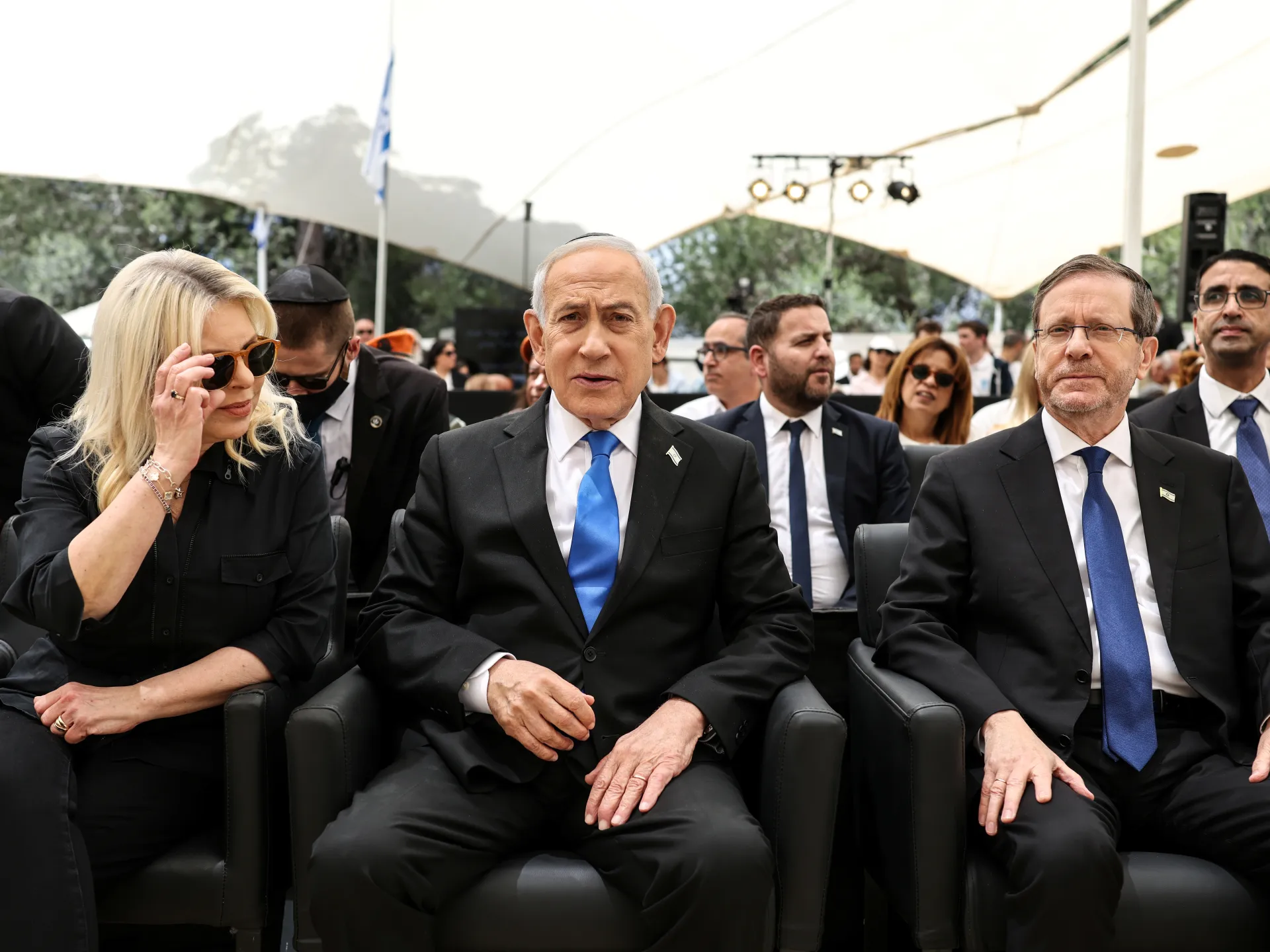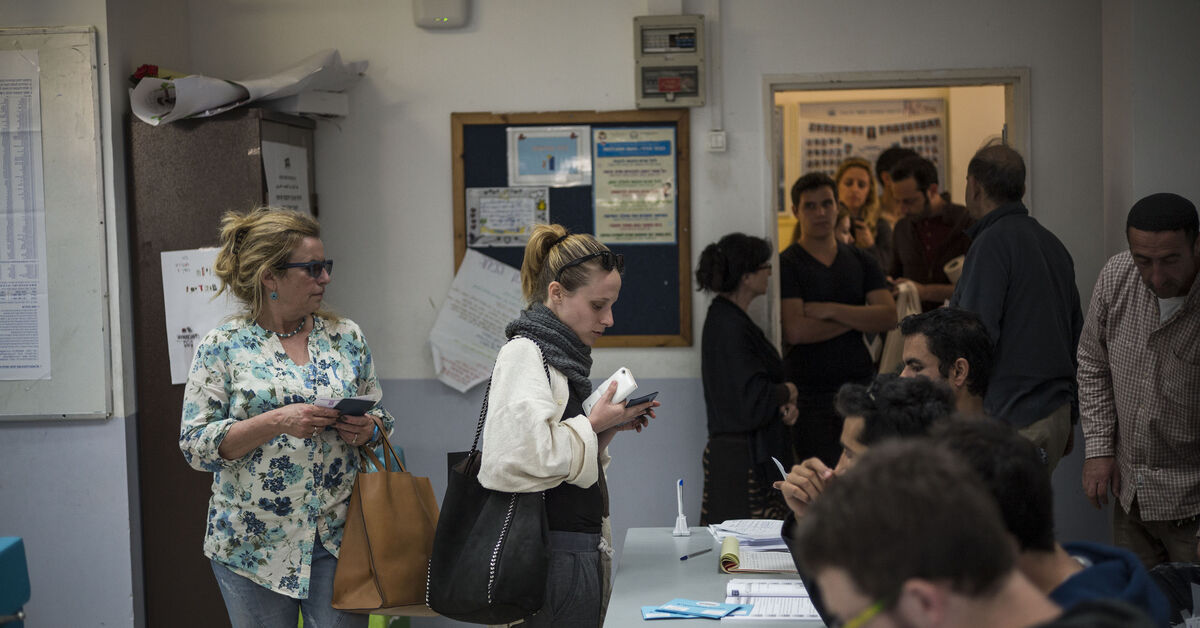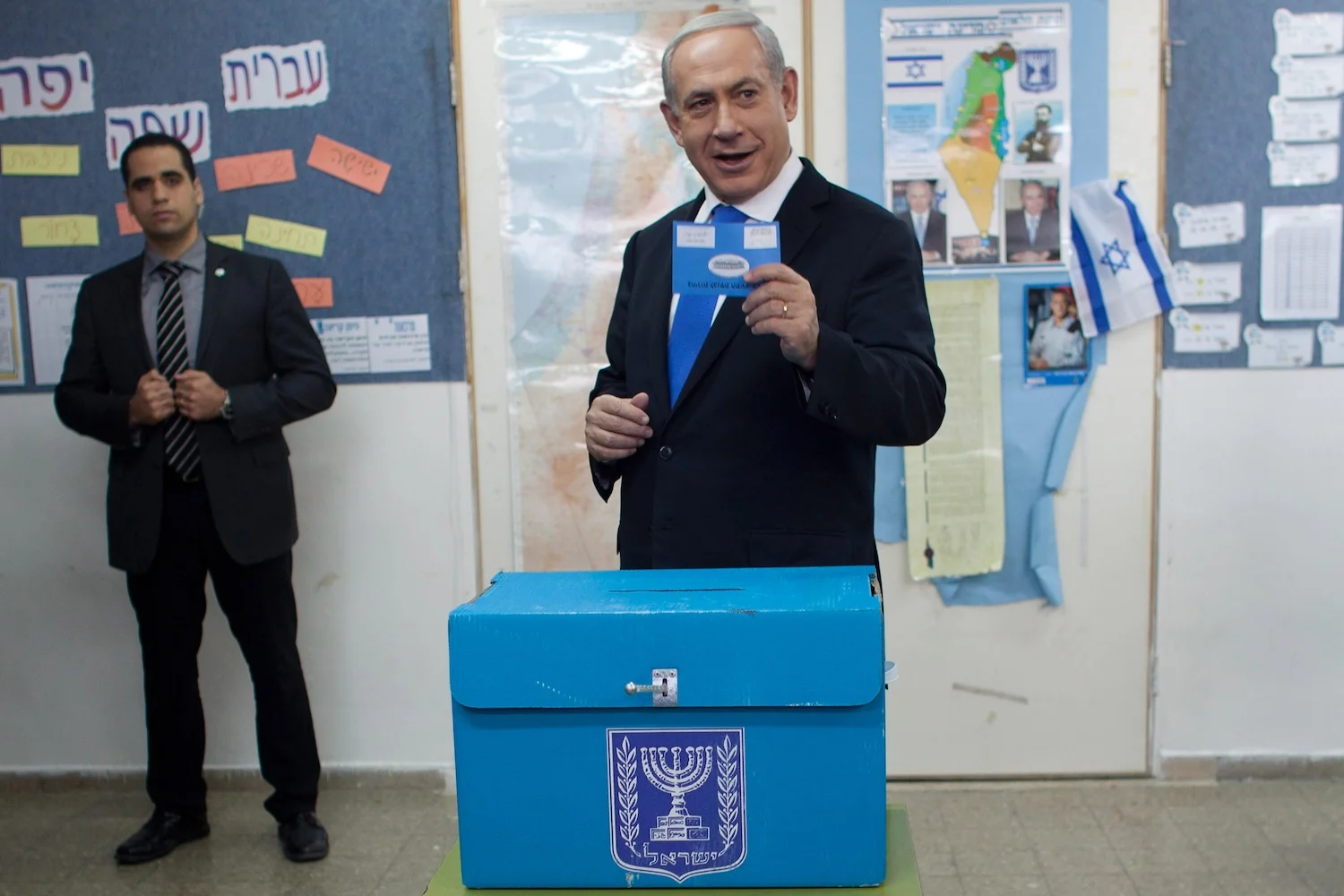
Israel is heading into what may be the most pivotal election in its history, but at stake this time isn’t so much its conflict with neighboring countries or its relations with the Palestinians. The core issue in this vote, slated for Oct. 27, is whether Israel will remain the liberal democracy its founders envisioned when it was established in 1948, or move even more vigorously toward a kind of illiberal regime infused by Orthodox Judaism.
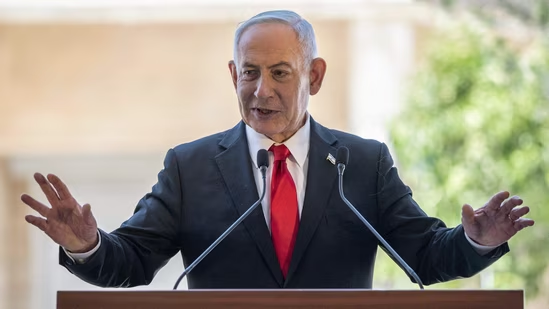
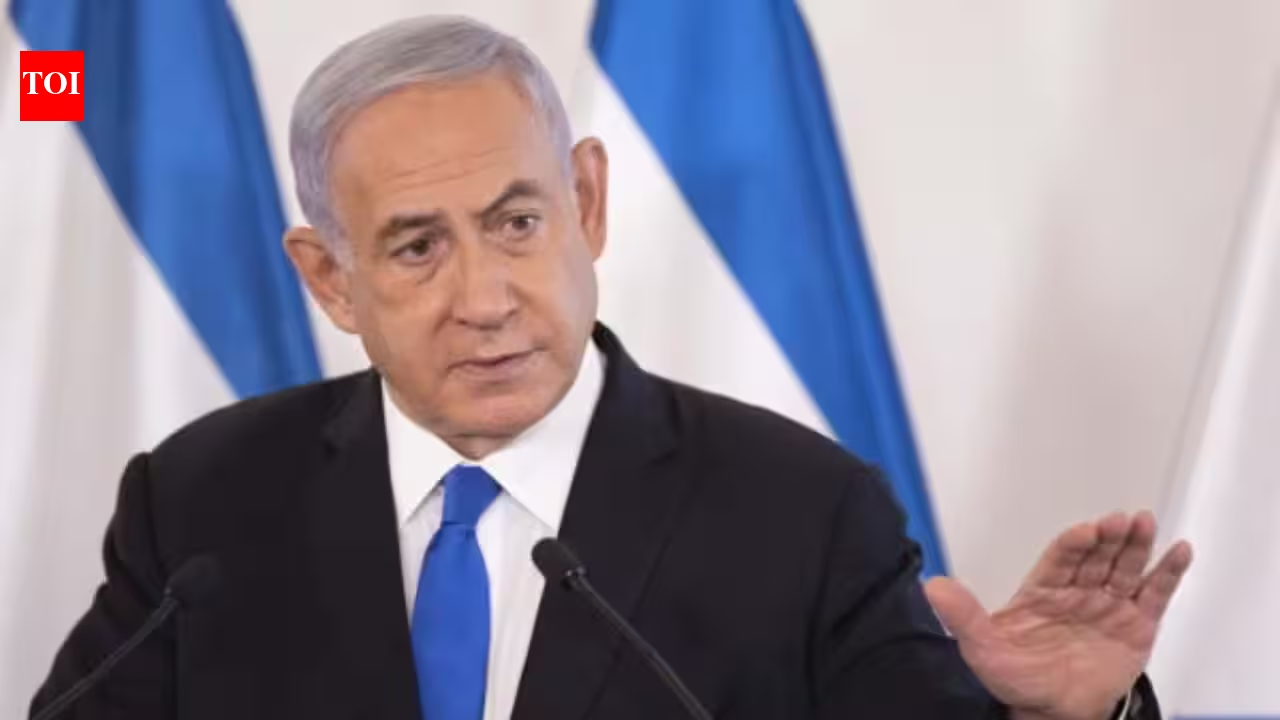
After presiding over a series of center-right governments for 12 years, Israeli Prime Minister Benjamin Netanyahu took an abrupt rightward shift when he returned to power in 2022 in a coalition with far-right and ultra-Orthodox (Haredi) parties. It soon emerged that his government had two primary goals. The first was to undercut the powers of an independent judiciary and vastly increase those of elected politicians, a plan quietly built on the assumption that, as in the case in other illiberal democracies, those in power would remain so because elections would cease to be entirely free and fair. The second was to give a greater role to the Jewish religion in the public space and provide massive financial, legal, and moral support for West Bank settlers. It was accompanied by ever-bigger government handouts and increased privileges for the Haredi community, most prominently a (so far failed) effort to enshrine in law the ultra-Orthodox’s traditional exemption from military service.